Cafans Journal
Stories & FindsCAFANS Shopping Guide: Mastering the Litbuy Spreadsheet for Smarter Buys
What Is the Litbuy Spreadsheet and Why It Matters
If you have spent any time browsing agent-based shopping communities, you have probably run into the phrase litbuy spreadsheet. At its core, a Litbuy spreadsheet is a curated, regularly updated list of product links organized by category, price band, and quality tier. Instead of scrolling through endless storefronts, you open a single document, filter by what you need, and jump straight to reliable listings. This litbuy guide walks you through how to use that resource efficiently, how to cross-check links, and how to avoid the most common beginner mistakes.
The appeal is simple: the litbuy spreadsheet saves time. It aggregates findings from experienced buyers, so you can compare options side by side without guessing which seller is trustworthy. Think of it as a community-maintained index rather than a store. You still place orders through the agent, but the spreadsheet does the heavy lifting of discovery and comparison.
How to Read the Litbuy Spreadsheet
Most versions of the litbuy spreadsheet share a similar structure: a category tab, a product name, a seller or store reference, a price estimate, and a notes column. Some sheets add QC photo links, sizing charts, and weight data for shipping estimates. When you open the sheet for the first time, start with the legend tab. It explains the color coding, which usually signals quality tiers or verification status.
A good litbuy spreadsheet guide should remind you that prices are estimates. Currency conversions shift, and shipping fees are calculated separately by the agent. Always verify the live listing before committing, since product links can expire or sellers can change inventory. The litbuy product links embedded in the sheet are starting points, not guarantees.
Building Your First Order
Begin with a small test order. Choose two or three low-cost items from different categories so you can evaluate the agent's photography, packaging, and communication. This is standard advice in any litbuy shopping guide, and it applies doubly when you are relying on a spreadsheet you did not build yourself.
Once your haul arrives, compare the actual product against the QC images and the spreadsheet notes. If the item matches, mark it mentally as a trusted entry. Over time you will develop a personal shortlist. Many experienced shoppers keep their own annotated copy of the litbuy spreadsheet, adding notes about fit, fabric, and durability.
Categories You Will Find
Most sheets are organized around broad lifestyle categories. You will typically see apparel, footwear, bags and accessories, outerwear, home goods, electronics accessories, and small gadgets. Streetwear, casual basics, and seasonal outerwear are especially well represented. Home categories often include desk organizers, storage, and small kitchen tools. Electronics accessories cover cables, cases, and stands.
Because the sheet is community-driven, coverage varies by season. Winter sheets lean toward coats and knitwear; summer editions emphasize lightweight fabrics and outdoor items. Always check the update date at the top of the sheet before you shop.
Quality Control and Verification
The single most valuable column in any sheet is the QC reference. Reputable maintainers include links to warehouse photos so you can judge stitching, material, and color before shipping internationally. If a row lacks QC references, treat it as unverified and order cautiously.
Cross-referencing is essential. Use the litbuy product links to open the original listing, then compare measurements against a garment you already own. Look for size charts with centimeter measurements, not just letter sizes. If the listing has reviews, read the negative ones first. This habit alone prevents most disappointing purchases.
Shipping, Consolidation, and Cost Planning
Shipping is where budgets surprise people. A spreadsheet price rarely includes international freight. Plan to consolidate multiple items to reduce per-item cost, and weigh the trade-off between speed and price. Economy lines are cheaper but slower; express lines cost more but reduce transit risk for time-sensitive items.
Estimate volumetric weight for bulky items like outerwear and shoes. Many agents provide a rehearsal packaging service that measures actual weight before you commit to a shipping line. Use it. This step is frequently overlooked in a litbuy guide but can save a meaningful amount on larger hauls.
Common Mistakes to Avoid
First, do not blindly trust outdated rows. Sheets age quickly, and sellers rotate stock. Second, avoid buying from unverified links just because the price is low. Third, do not skip the QC photo review; once an item ships internationally, returns become expensive or impossible. Fourth, do not over-order during your first run. Build experience before scaling up.
Finally, remember that a litbuy spreadsheet guide is a tool, not gospel. The sheet reflects community experience at a point in time. Your own judgment and verification remain the deciding factors.
Working With an Agent
Most spreadsheet shoppers use an agent to purchase, inspect, and consolidate. Clear communication matters: specify color, size, and any packaging requests. Confirm the QC window so you have time to approve photos. Keep records of order numbers and shipping invoices for reference.
If an item arrives with a defect, contact the agent promptly with photos. Resolution depends on the seller's policy and how quickly you report the issue. Promptness is your best protection.
Final Tips for Efficient Shopping
Bookmark the sheet, check its update date, and follow the maintainer's announcements. Save your favorite rows in a personal shortlist. Compare at least three listings before purchasing. Track your total landed cost, including shipping, instead of focusing only on item price. And share your findings back with the community when you can; the litbuy spreadsheet improves because buyers contribute notes and corrections.
Used well, a litbuy spreadsheet turns a chaotic marketplace into a manageable catalog. Combine it with disciplined QC review, realistic shipping budgets, and a little patience, and you will get far more consistent results from every haul.
Editor's selection
Popular Products

Shoes Ph076 Breathable Running Shoes | CSSBuy spreadsheet | LoongBuy spreadsheet - 136150

Men's Casual Shoes | CSSBuy spreadsheet | Kakobuy spreadsheet | Rizzitgo spreadsheet - 135435

Casual Shoes | Kakobuy spreadsheet | Hubbuycn spreadsheet | CNShopper spreadsheet - 136046
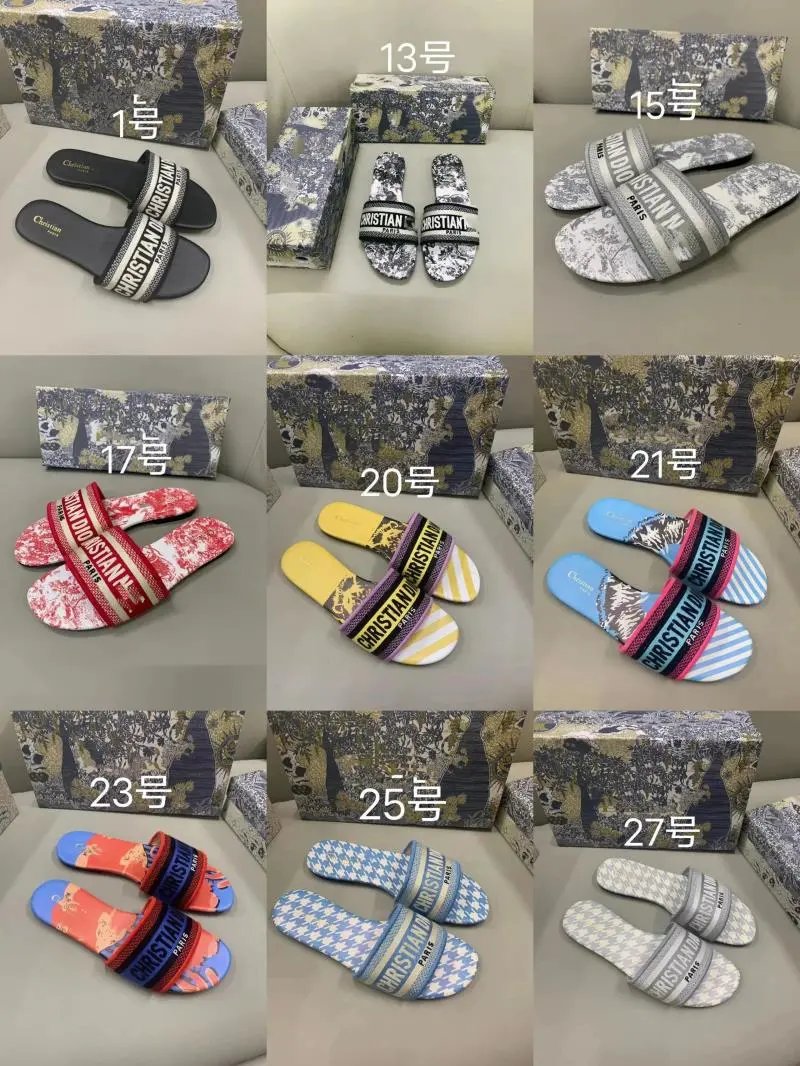
DS Slippers | Wheebuy spreadsheet | LoongBuy spreadsheet | Lovegobuy spreadsheet - 135724
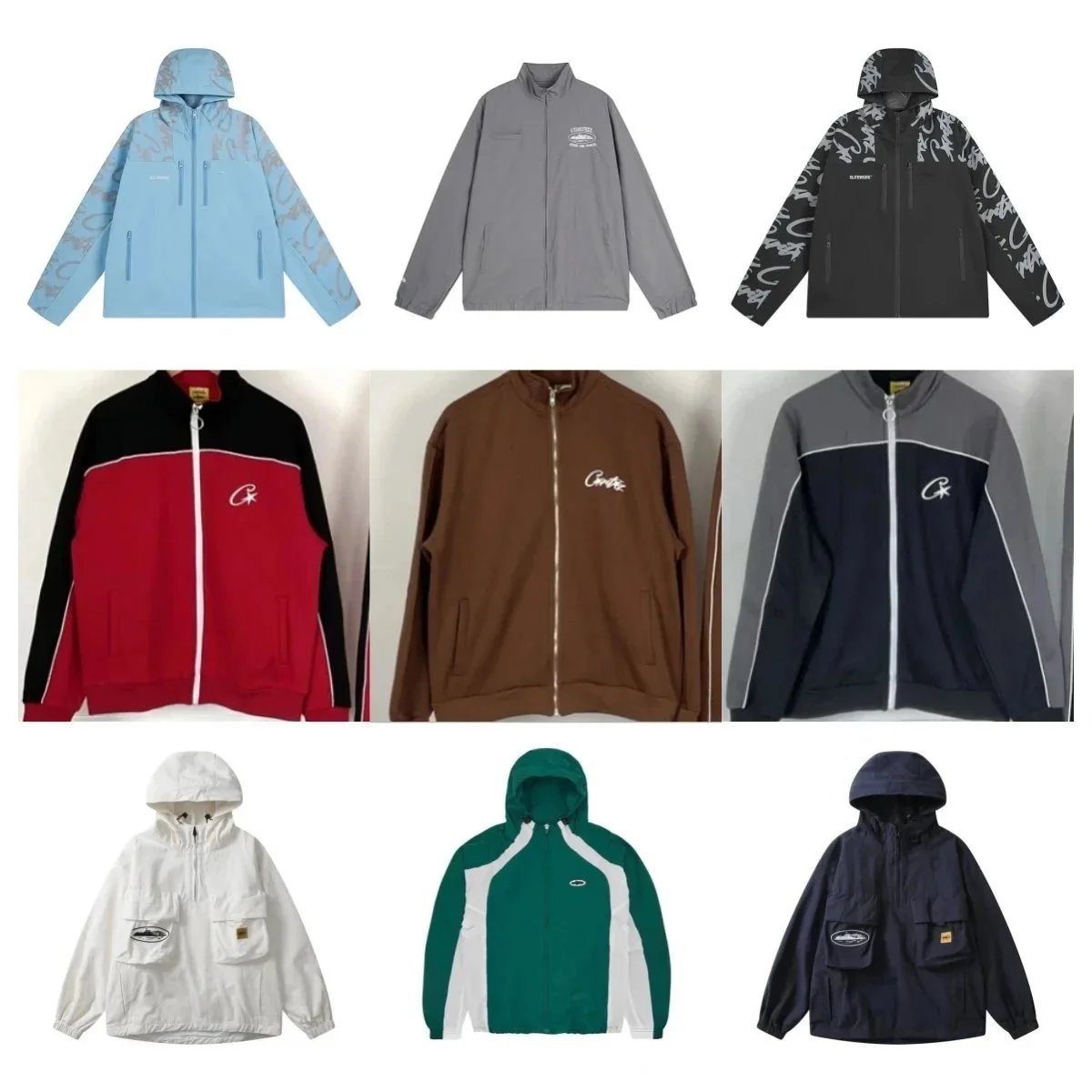
Outerwear Jacket | Rizzitgo spreadsheet | LoongBuy spreadsheet | CNShopper spreadsheet - 136656
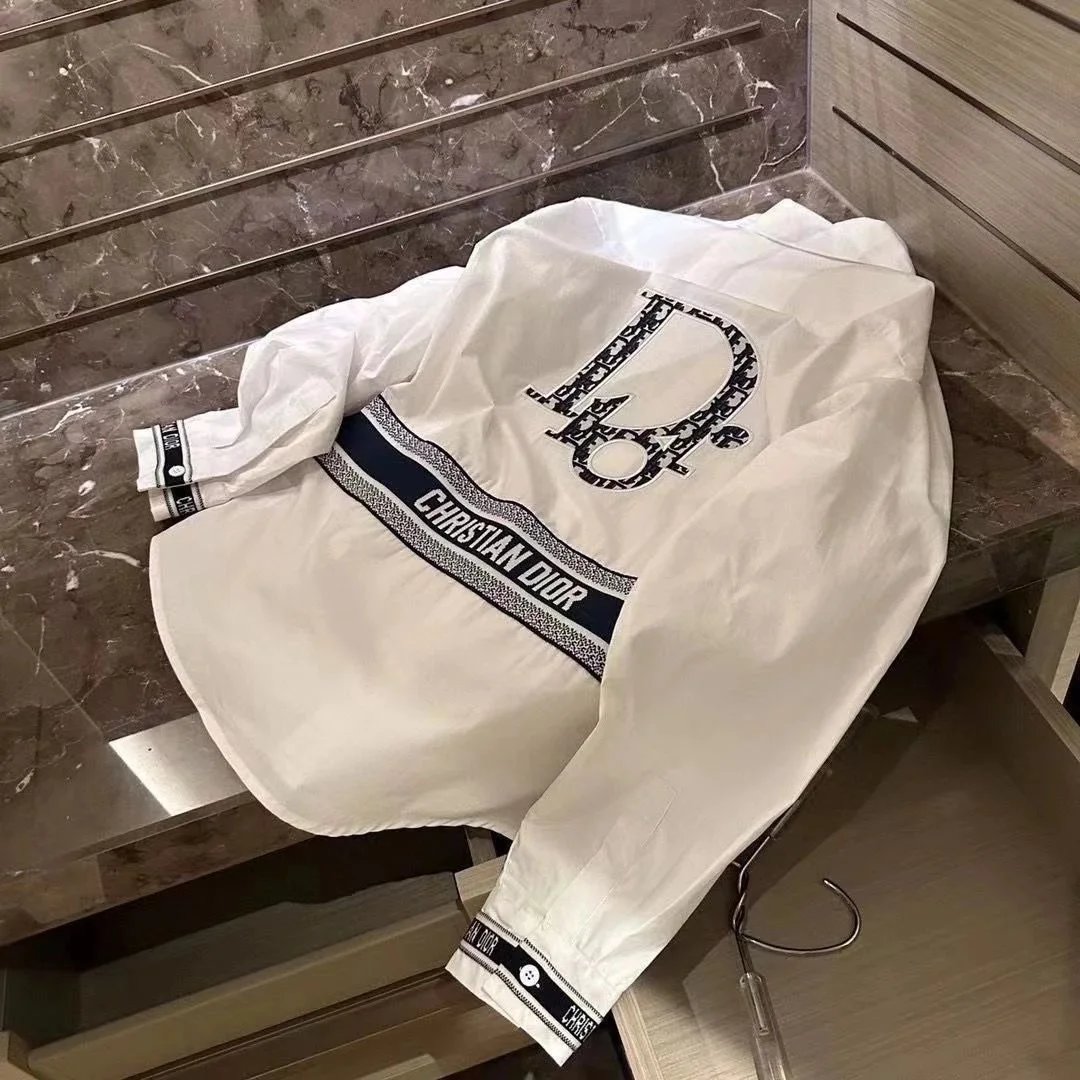
Outerwear Jacket | Sugargoo spreadsheet | GTBuy spreadsheet - 136623
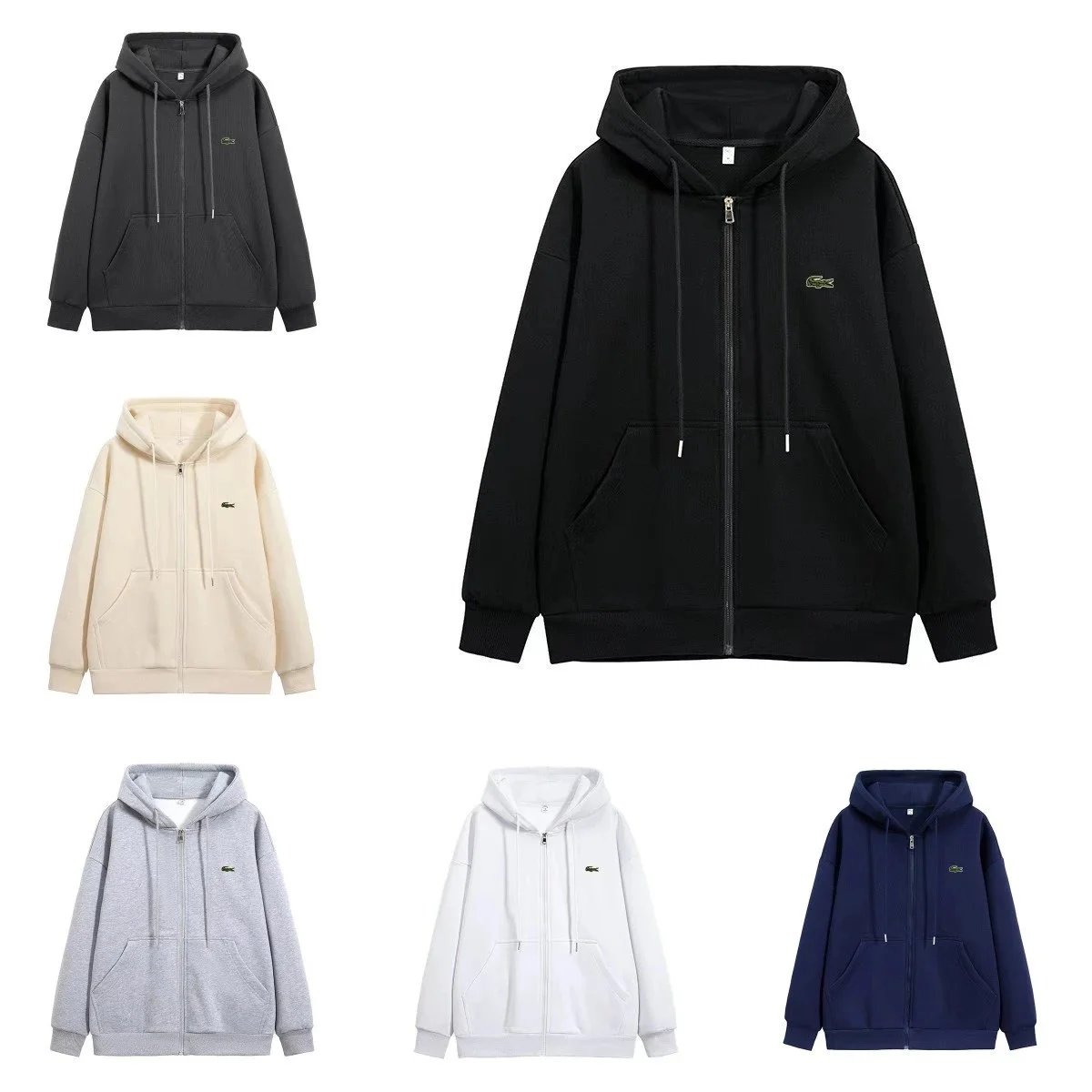
L Crocodile Hoodie and Business Knitwear Collection | MyCNBox spreadsheet | Hipobuy spreadsheet - 139033