Cafans Journal
Stories & FindsWemimi CAFANS Guide: The Complete 2025 Shopping Handbook
What Is CAFANS and Why Wemimi Shoppers Care
If you have spent any time in cross-border shopping communities, you have probably seen the acronym CAFANS floating around alongside terms like agent, haul, and QC. In this English CAFANS guide, we break down what CAFANS means, how it connects to Wemimi, and how to use a Wemimi spreadsheet, a solid Wemimi guide, reliable Wemimi product links, and a practical Wemimi shopping guide to build a smarter, safer haul.
CAFANS is essentially a community shorthand for the workflow that experienced buyers follow: check the catalog, assess the factory, find the link, negotiate, sample, and ship. It is not a single brand or store; it is a method. Wemimi fits into that method as a discovery and reference platform where shoppers browse curated finds, compare batches, and track quality over time.
The CAFANS Framework Explained
The letters represent a practical sequence. C stands for catalog: start with a Wemimi spreadsheet so you can see categories, prices, and seller notes in one place. A stands for assessment: evaluate the factory or batch using QC photos, reviews, and community feedback. F stands for find: locate the exact Wemimi product links rather than relying on screenshots that go stale. A stands for analyze: compare cost, weight, shipping line, and customs risk. N stands for negotiate: confirm sizing, colorways, and packaging with the seller. S stands for ship: consolidate your parcel and choose a line that matches your budget and timeline.
Shoppers who skip steps usually pay for it later — literally, in return shipping or seized parcels. The CAFANS approach is boring on purpose. It rewards patience.
How to Use a Wemimi Spreadsheet
A Wemimi spreadsheet is the backbone of any organized haul. Good sheets include item name, category, batch or version, price, weight, seller contact, QC status, and a notes column for flaws. Treat the spreadsheet as a living document: update it after every QC, and mark items as approved, rejected, or pending.
- Sort by category so you can batch-review similar items.
- Track weight early; shipping cost is often the hidden budget killer.
- Log seller responsiveness — slow replies predict slow after-sales service.
- Keep a separate tab for rejected items and the reason, so you do not reorder the same flawed batch.
Many community sheets are shared publicly, but always verify prices and links yourself before ordering. A spreadsheet is a map, not the territory.
Reading Wemimi Product Links Carefully
Wemimi product links can expire, change variants, or point to a different batch than the one reviewed. Before you buy, open the link, confirm the variant (size, color, version), and check that the listing still matches the QC photos you saw. If a link is dead, search the item name plus the batch code in the community rather than guessing.
Bookmark a small set of trusted links instead of hoarding hundreds. Quality beats quantity, and a short list you actually understand will outperform a giant folder of unverified URLs.
A Practical Wemimi Shopping Guide
Here is a repeatable routine. First, browse the Wemimi guide sections that match your budget and style. Second, shortlist five to ten items and pull their links into your spreadsheet. Third, request QC from the seller and compare against reference photos. Fourth, approve only what passes your checklist. Fifth, consolidate and ship with a line that has recent, positive community feedback.
Along the way, watch for common traps: fake reviews, bait-and-switch batches, inflated weights, and sellers who push you to pay outside the platform. Never pay through unverified channels, and always keep chat records.
Building a Long-Term Habit
The real value of CAFANS is consistency. Keep your Wemimi spreadsheet updated, refresh your Wemimi product links monthly, reread the Wemimi guide when policies change, and treat the Wemimi shopping guide as a checklist rather than a catalog. Over time you will develop a personal shortlist of reliable sellers, a sense of fair pricing, and the discipline to reject marginal items before they cost you money.
Whether you are buying clothing, accessories, home goods, or electronics accessories, the same principles apply: verify, compare, document, and ship. That is the whole idea behind this English CAFANS guide — use Wemimi as your reference layer, and let the CAFANS workflow keep your hauls organized, affordable, and predictable.
Editor's selection
Popular Products

Ni Vests, T-Shirt and Clothing Sets 1000 | JoyaGoo spreadsheet | Sugargoo spreadsheet - 141084

Outfit Set FL01-005ph Spring and Autumn Casual Clothing | Sugargoo spreadsheet | GTBuy spreadsheet - 136271

Clothing Set 1 | Oopbuy spreadsheet | BBDBuy spreadsheet | CSSBuy spreadsheet - 136873

Outfit Set MX16 Clothing Set | Hipobuy spreadsheet | Fishgoo spreadsheet - 137693

D All-Over Print Clothing Set | UIDBuy spreadsheet | Kakobuy spreadsheet | Hipobuy spreadsheet - 136221
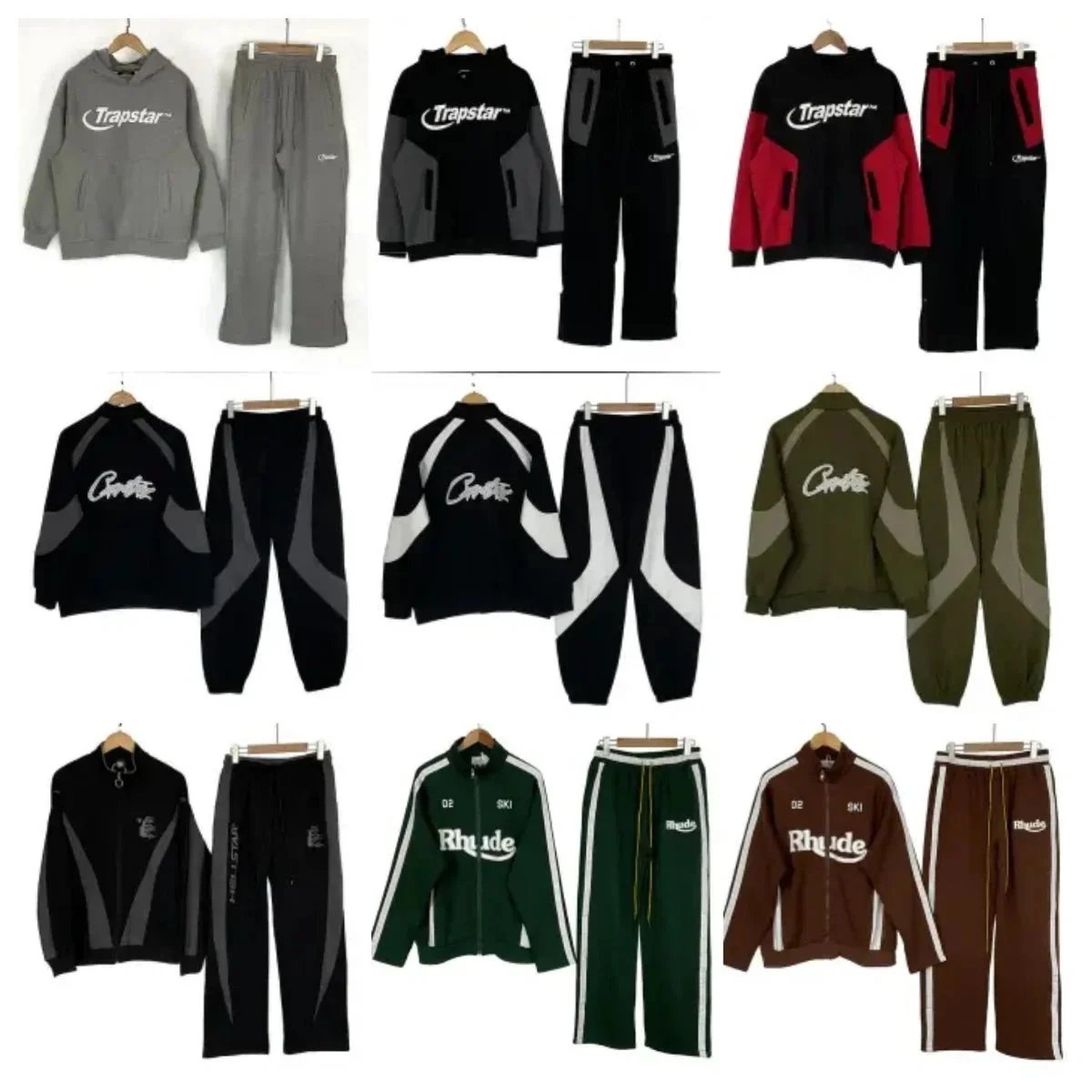
Outfit Set L-001 Casual Hip-Hop Clothing Set | GTBuy spreadsheet | Hubbuycn spreadsheet - 136248

Clothing Set 111 | Wheebuy spreadsheet | BBDBuy spreadsheet - 136980