Cafans Journal
Stories & FindsJoyaGoo: The Complete CAFANS Guide to Smarter Shopping and Product Research
What Is JoyaGoo and Why Should You Care?
If you have spent any time comparing products online, you already know the problem: dozens of tabs, endless reviews, and prices that seem to change every hour. JoyaGoo is designed to cut through that noise. Think of it as a research companion that helps you organize product information, track prices, and make buying decisions with more confidence instead of guesswork.
This CAFANS guide walks you through the essentials: what the platform does, how to use a JoyaGoo spreadsheet to stay organized, how to read a JoyaGoo guide, why JoyaGoo product links matter, and how a solid JoyaGoo shopping guide habit can save you both time and money. Whether you are a casual shopper or a dedicated deal hunter, the ideas below apply to almost any category.
Getting Started: The Basics of JoyaGoo
The first step is understanding the workflow. JoyaGoo is built around research, comparison, and tracking. You gather product data, compare specifications and prices, and then monitor your shortlist over time. This mirrors how professional buyers work, but it is simplified for everyday use.
Start by creating a simple wishlist of items you are genuinely considering. Avoid dumping every impulse purchase into the list; a focused shortlist makes comparison meaningful. Next, record the key details for each item: model name, retailer, current price, shipping cost, return window, and warranty. These details form the backbone of any JoyaGoo spreadsheet you build later.
Using a JoyaGoo Spreadsheet Effectively
A JoyaGoo spreadsheet is where the real power lives. Instead of relying on memory, you create columns for price history, seller rating, delivery estimate, and notes on features you care about. A few best practices:
- One row per product variant. Different sizes, colors, or storage capacities often have different prices.
- Track dates. A price without a date is nearly useless for spotting trends.
- Use conditional formatting. Highlight prices that drop below your target threshold.
- Add a priority column. Rank items by how urgently you actually need them.
Over time, your spreadsheet becomes a personal database. You will notice seasonal patterns, retailer quirks, and which sellers consistently deliver good value.
Reading a JoyaGoo Guide the Right Way
Not all buying advice is equal. A good JoyaGoo guide should explain trade-offs, not just list features. When you read a guide, ask three questions: Does it explain who the product is for? Does it acknowledge downsides? Does it distinguish between specs that matter and specs that are marketing noise?
For example, a guide about headphones should discuss comfort during long sessions, not just driver size. A guide about kitchen appliances should mention noise levels, cleaning effort, and counter footprint. If a guide only praises, treat it as advertising rather than research.
Why JoyaGoo Product Links Matter
JoyaGoo product links connect your research directly to the retailer page, which keeps your workflow tight. The habit to build is simple: whenever you add an item to your sheet, paste the link alongside it. Months later, you will not have to search again from scratch.
Link hygiene matters too. Prefer links that point to the exact variant you want, not a generic category page. Check that the link still resolves before you buy, since retailers retire listings frequently. If a link breaks, note it and look for the successor model rather than assuming the product is gone forever.
Building a Reliable JoyaGoo Shopping Guide Routine
A JoyaGoo shopping guide is not a one-time read; it is a routine. Here is a practical weekly rhythm:
- Monday: Review your shortlist and update prices.
- Wednesday: Read one in-depth guide on a category you are actively shopping.
- Friday: Check for coupon codes and retailer promotions.
- Weekend: Decide whether to buy, wait, or drop the item entirely.
This rhythm prevents impulse buying. It also builds a record of what a "good price" actually looks like for each item, which is far more useful than a vague sense of whether something feels expensive.
Common Mistakes to Avoid
Even careful shoppers stumble. Watch out for these traps: trusting a single review source, ignoring shipping and return costs when comparing prices, and over-optimizing for a tiny discount while sacrificing warranty or support. Remember that the cheapest listing is not always the best value once you factor in delivery time and after-sales service.
Another frequent mistake is buying during a false urgency event. Countdown timers and "only two left" banners are designed to short-circuit your research. Your spreadsheet is the antidote: it tells you whether the current price is genuinely good or merely dressed up as a deal.
Final Thoughts
JoyaGoo works best when you treat it as a disciplined research habit rather than a magic price finder. Build your spreadsheet, read guides critically, keep your product links organized, and follow a steady shopping routine. Do that, and you will spend less, buy better, and regret fewer purchases.
Editor's selection
Popular Products

Max White Over-Ear Headphones - Lovegobuy spreadsheet - 141138

A-Max Black Noise-Cancelling Headphones - CNShopper spreadsheet - 137490

Studio Pro 4 Headphones - Wheebuy spreadsheet - 137486

WH-1000XM5 Headphones - Wheebuy spreadsheet - 141149

Max Metal-Case Headphones with Spatial Audio - JoyaGoo spreadsheet - 137479

Max Series Over-Ear Headphones - LoongBuy spreadsheet - 136772
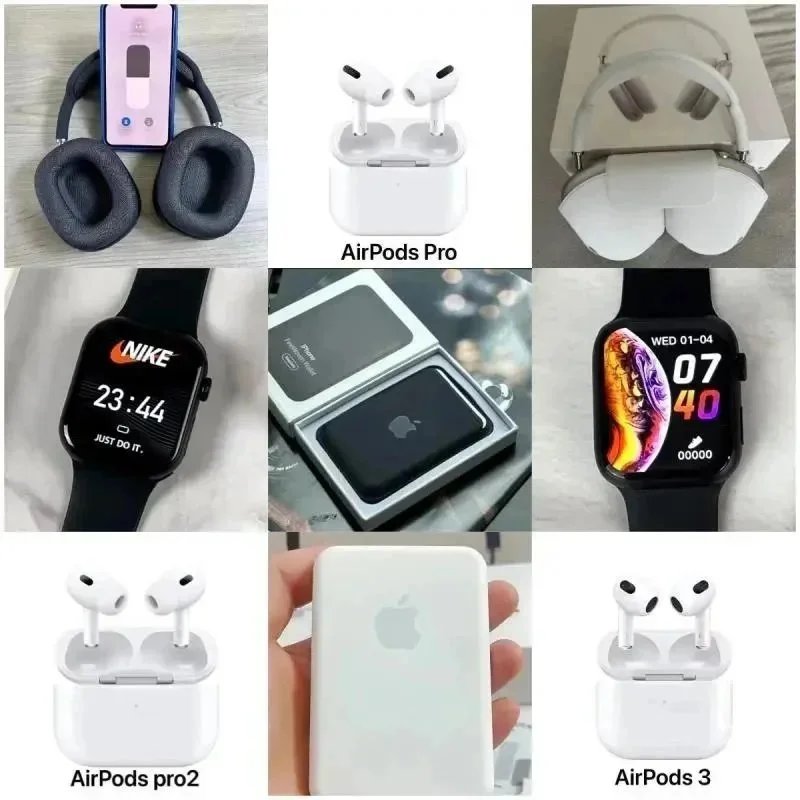
XB22 Headphones and Electronics Selection - LoongBuy spreadsheet - 136779
