Cafans Journal
Stories & FindsCAFANS Guide: How to Use GTBuy for Smarter Shopping in 2025
Introduction to the CAFANS Guide
If you have spent any time browsing Chinese shopping agents, you have probably run into the term CAFANS. This CAFANS guide explains what it means, how it connects to the GTBuy platform, and how you can use the GTBuy spreadsheet, GTBuy guide, GTBuy product links and general GTBuy shopping guide to make better buying decisions. Whether you are a first-time agent user or a seasoned haul builder, the goal here is simple: spend less time guessing and more time shopping with confidence.
What Is GTBuy and Why Does It Matter?
GTBuy is a shopping agent service that lets international buyers purchase from Chinese marketplaces such as Taobao, Weidian, 1688 and JD. You paste a product link, the agent purchases the item on your behalf, stores it in a warehouse, and then ships your consolidated parcel overseas. For many buyers, GTBuy is the bridge between global sneaker, streetwear and accessory culture and the domestic Chinese market where those items often cost far less.
The CAFANS community grew around exactly this use case. CAFANS refers to a style-conscious buyer group that treats fashion as a hobby and a lifestyle, and the community frequently shares finds, reviews, QC photos and shipping tips. When you combine CAFANS taste with GTBuy logistics, you get a practical workflow: find the item, verify the seller, buy through the agent, inspect the QC, and ship.
Start With the GTBuy Spreadsheet
The most efficient entry point is the GTBuy spreadsheet. A well-maintained spreadsheet organizes thousands of product links by category, price, seller rating and batch version. Instead of scrolling endlessly through marketplace search results, you open the sheet, filter by category, and copy the link you want. Most sheets include columns for item name, image, price in CNY, estimated weight, seller notes and a direct purchase link.
Use the spreadsheet as a research tool, not a shopping cart. Cross-check every link against the live listing, because sellers change prices, restock sizes and occasionally swap materials. A link that was valid last month may point to a different batch today. Bookmark two or three sheets so you can compare listings, and always confirm the seller's current rating before you commit.
Read the GTBuy Guide Before You Buy
A good GTBuy guide walks you through the full order lifecycle: account registration, wallet top-up, placing an order, warehouse receiving, quality control, consolidation and international shipping. Read it once end to end, then keep it open during your first purchase. The guide should explain service fees, domestic shipping costs, storage limits and return policies, since these details determine your real total cost.
Pay special attention to the QC process. After your item reaches the warehouse, you receive inspection photos. Check stitching, labels, measurements, color accuracy and any defects. If something looks wrong, request additional photos or an exchange before shipping. Catching a problem at the warehouse is far cheaper than discovering it after international delivery.
How to Use GTBuy Product Links
GTBuy product links are the currency of the community. When someone posts a find, they usually share a marketplace URL that you paste into the agent's search bar. The agent then converts it into an order form with size, color and quantity options. Always open the original listing to confirm variant availability, because some links default to a single SKU.
Treat links as leads. Verify the seller's history, read recent buyer photos, and check whether the listing mentions batch details. If a link looks suspiciously cheap, assume there is a reason and investigate before ordering. Saving links in a personal wishlist also helps you compare prices across sellers and time your purchase around sales events.
The Complete GTBuy Shopping Guide Workflow
A reliable GTBuy shopping guide follows a repeatable loop. First, research: browse the spreadsheet, read reviews and shortlist sellers. Second, verify: open the listing, confirm price, size and batch. Third, order: paste the link, select variants and pay through the agent. Fourth, inspect: review warehouse QC photos and request changes if needed. Fifth, consolidate: combine multiple items into one parcel to reduce shipping cost. Sixth, ship: choose a line that matches your budget and destination, then track the parcel.
Along the way, keep records. Note order numbers, seller names, prices and weights. A simple spreadsheet of your own prevents duplicate purchases and helps you calculate landed cost per item. Track exchange rates and shipping line performance, since these variables change frequently and affect your final bill.
Common Mistakes to Avoid
New buyers often skip the guide, overpay for shipping, or ignore QC photos. Others order from unverified sellers because a link looked appealing. Avoid these traps by reading the guide first, comparing at least two sellers, and requesting detailed photos before consolidation. Also watch storage deadlines; warehouse storage is usually free for a limited period, after which fees apply. Plan your haul so items arrive within the window.
Final Thoughts
The CAFANS approach is about informed enthusiasm. Use the GTBuy spreadsheet to discover, the GTBuy guide to learn, GTBuy product links to act, and the GTBuy shopping guide to stay organized. With a little discipline, GTBuy becomes a dependable tool for building a wardrobe, a sneaker rotation or a collection without overspending. Start small, verify everything, and let the community's shared knowledge work for you.
Editor's selection
Popular Products

Skate Shoes SQ-002 | LoongBuy spreadsheet | Superbuy spreadsheet | Sugargoo spreadsheet - 141122

Sneakers B22 B30 Unisex Classic Sneakers | UIDBuy spreadsheet | BBDBuy spreadsheet - 135717

Outdoor Casual Sneakers | Hipobuy spreadsheet | OOTDBuy spreadsheet | JoyaGoo spreadsheet - 141223
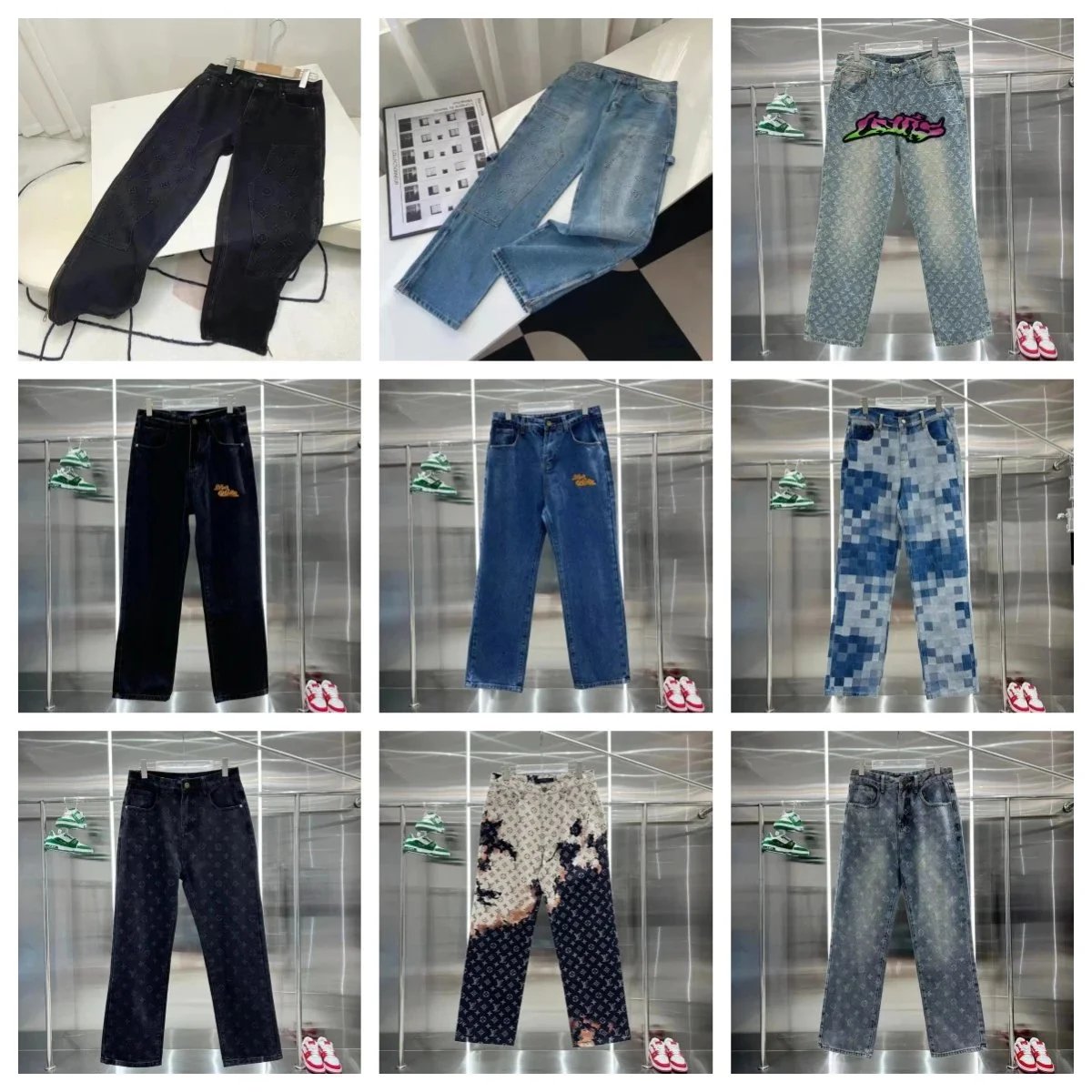
Pants Pants 001 | iTaoBuy spreadsheet | Wheebuy spreadsheet | Oopbuy spreadsheet - 141036

Casual Shoes | Oopbuy spreadsheet | MyCNBox spreadsheet | Sugargoo spreadsheet - 135681

Sneakers 04 Classic Sneakers | LoongBuy spreadsheet | JoyaGoo spreadsheet | USFans spreadsheet - 135678

Shoes Ph076 Breathable Running Shoes | CSSBuy spreadsheet | LoongBuy spreadsheet - 136150
