Cafans Journal
Stories & FindsOOTDBuy CAFANS Guide: Smart Shopping, Spreadsheets, and Product Links
If you have been searching for a practical way to organize your online shopping, this OOTDBuy CAFANS guide walks you through everything you need to know. Whether you are a first-time buyer or a seasoned reseller, understanding how to use an OOTDBuy spreadsheet, follow an OOTDBuy guide, and manage OOTDBuy product links will save you time and money. This OOTDBuy shopping guide covers the essentials in plain English.
What Is OOTDBuy?
OOTDBuy is a shopping and sourcing platform used by buyers who want access to a wide catalog of fashion, accessories, and lifestyle goods. Many users combine it with community resources such as spreadsheets and guides to track finds, compare quality, and plan hauls. A good OOTDBuy guide should explain the workflow: browse the catalog, save links, log items in a spreadsheet, and check reviews before ordering.
Why Use an OOTDBuy Spreadsheet?
An OOTDBuy spreadsheet is the backbone of organized shopping. Instead of juggling dozens of browser tabs, you record each item's name, price, size chart, seller rating, and shipping estimate in one place. Popular templates include columns for QC (quality control) photos, weight, and agent notes. This makes it easy to calculate total costs, spot duplicates, and share your list with friends. If you are building a haul, a spreadsheet also helps you balance budget across categories such as hoodies, sneakers, and bags.
How to Use OOTDBuy Product Links
OOTDBuy product links are the direct URLs to individual listings. Best practice is to paste each link into your spreadsheet next to the item name, so you can revisit the listing later. Always check that the link opens the correct variant (color, size) before ordering. Store backup links in case a listing is updated. When sharing your haul with others, include the product links alongside your notes so they can verify details themselves.
Step-by-Step OOTDBuy Shopping Guide
- Set a budget. Decide how much you want to spend on clothing, shoes, accessories, and shipping.
- Browse and shortlist. Use search filters and category pages to find candidates. Save each candidate's product link.
- Log everything. Add item name, price, size, and link to your spreadsheet. Note the seller's rating and any review photos.
- Check size charts. Measure yourself and compare with the chart. When in doubt, size up.
- Review QC resources. Look for community QC photos and guides before committing.
- Place the order. Confirm variants and shipping method, then track the parcel.
- Inspect on arrival. Compare received items with your spreadsheet notes and photos.
Common Terms You Will Meet
As you read any OOTDBuy guide, you will encounter shorthand. Here are thirty related terms used naturally throughout the community: haul, QC, agent, warehouse, parcel, weight, volumetric weight, shipping line, customs, declaration, rehearsal, consolidation, batch, factory, seller rating, size chart, variant, SKU, listing, link, spreadsheet, template, budget, retail price, agent fee, service fee, domestic shipping, international shipping, tracking number, and refund. Understanding these will make your shopping smoother and your spreadsheet more useful.
Choosing Categories Wisely
Most shoppers start with a few core categories: hoodies and sweatshirts, T-shirts, jackets, jeans and trousers, sneakers, slides, caps, belts, sunglasses, backpacks, crossbody bags, watches, jewelry, socks, and phone cases. A well-structured spreadsheet groups these categories so you can see where your budget goes. Avoid buying everything at once; build a capsule haul that mixes staples with one or two statement pieces.
Quality Control Tips
Always request QC photos when available. Check stitching, logos, tags, and measurements. Compare photos against the listing images. If something looks off, ask your agent before shipping. Keep a column in your spreadsheet for QC status: pending, approved, or returned. This habit alone prevents most disappointments.
Shipping and Cost Planning
Shipping often surprises new buyers. Use your spreadsheet to estimate parcel weight and compare shipping lines. Remember that volumetric weight can exceed actual weight for bulky items. Declare values reasonably and consolidate parcels when it saves money. Track every fee — agent fee, service fee, domestic shipping, and international shipping — so your final total is accurate.
Final Advice
The best OOTDBuy shopping guide is the one you actually use. Start with a simple spreadsheet, save your OOTDBuy product links diligently, and read community guides before each haul. Over time you will develop a personal system that keeps costs transparent and quality high. Bookmark this OOTDBuy CAFANS guide and share it with anyone starting their shopping journey.
Editor's selection
Popular Products

Sneakers B22 B30 Unisex Classic Sneakers | UIDBuy spreadsheet | BBDBuy spreadsheet - 135717

Outdoor Casual Sneakers | Hipobuy spreadsheet | OOTDBuy spreadsheet | JoyaGoo spreadsheet - 141223

Sneakers 04 Classic Sneakers | LoongBuy spreadsheet | JoyaGoo spreadsheet | USFans spreadsheet - 135678

Sneakers P-0100 Unisex Sneakers | Kakobuy spreadsheet | BBDBuy spreadsheet | MyCNBox spreadsheet - 136114
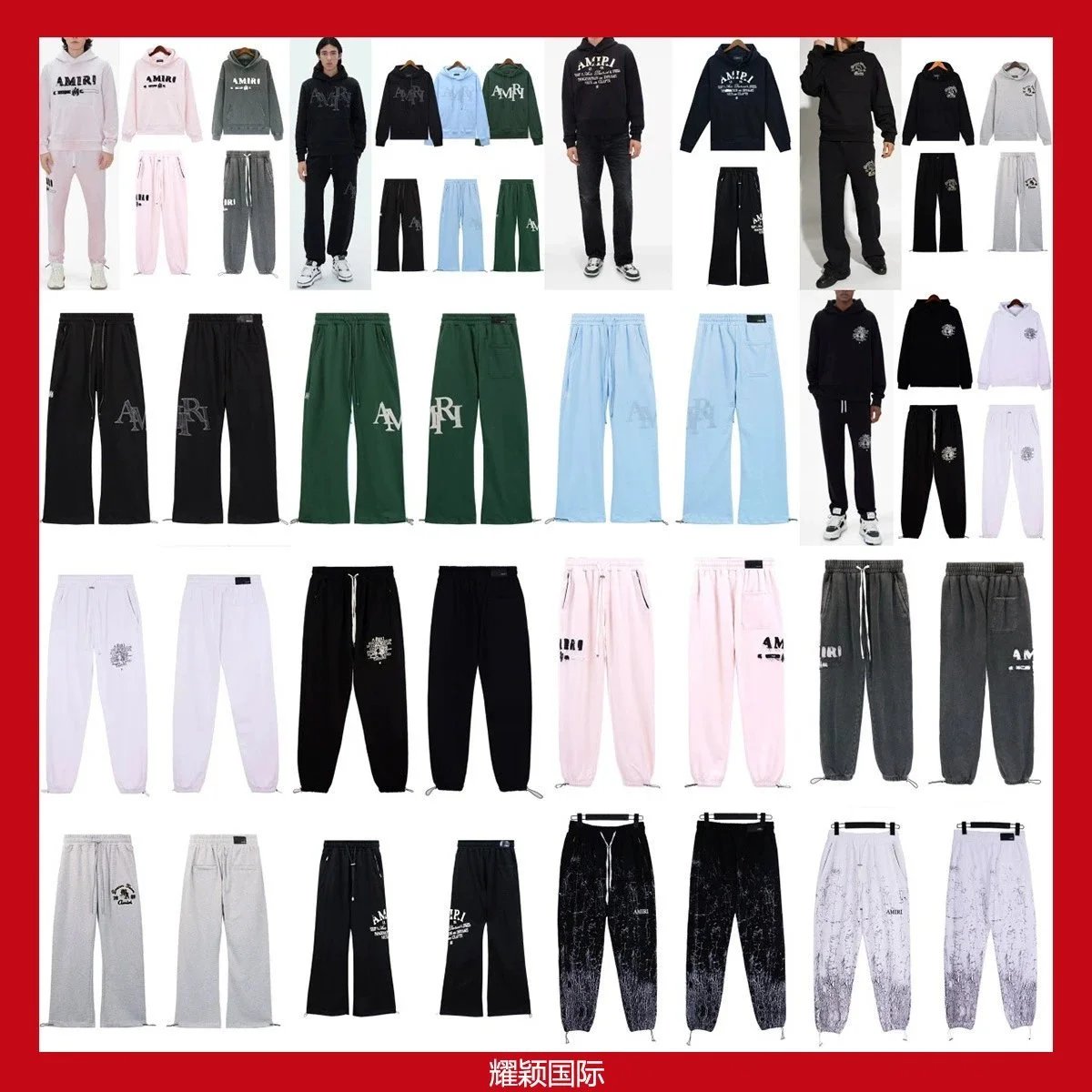
Graphic Hoodies and Sweatpants Collection LH25 Unisex | Oopbuy spreadsheet | Hipobuy spreadsheet - 140989

Sneakers 2025 Skate Sneakers | MyCNBox spreadsheet | iTaoBuy spreadsheet | USFans spreadsheet - 135965
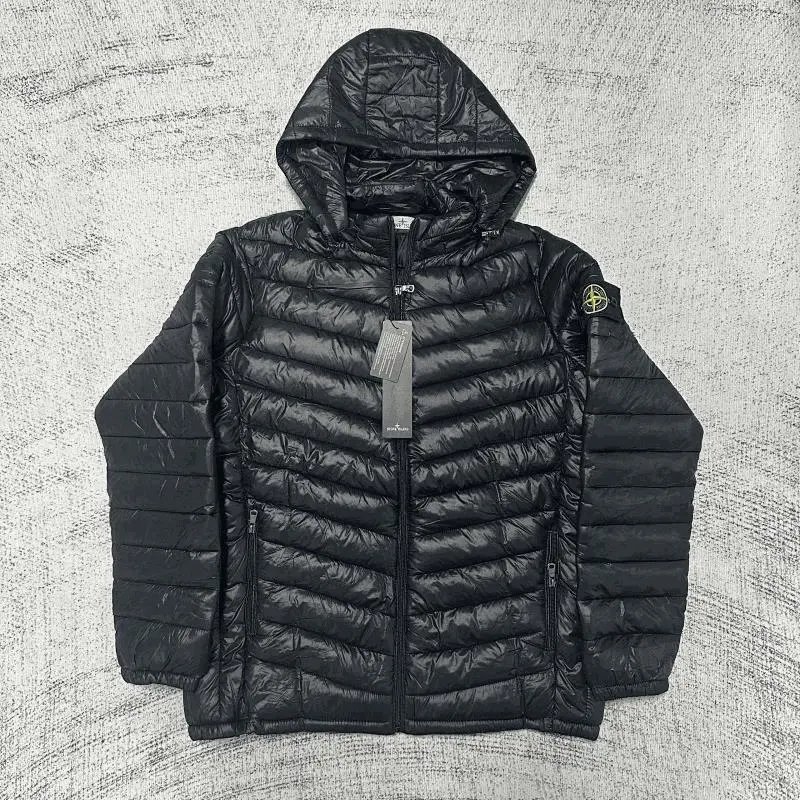
Winter Loose Down Jackets, Sweatshirts and Sweaters 003 | Sugargoo spreadsheet | CSSBuy spreadsheet - 141091