Cafans Journal
Stories & FindsOopbuy Spreadsheet: The Complete CAFANS Guide to Smarter Shopping (2025)
Oopbuy Spreadsheet: The Complete CAFANS Guide to Smarter Shopping
If you have spent any time browsing agent shopping communities, you have probably heard the term oopbuy spreadsheet mentioned again and again. This CAFANS guide is designed to explain what that spreadsheet actually is, how it fits into the wider oopbuy guide ecosystem, and how you can use it to shop more confidently. Whether you are a first-time buyer or a seasoned haul builder, the tips below will help you turn a messy wishlist into a clear, organized order.
What Is an Oopbuy Spreadsheet?
At its core, an oopbuy spreadsheet is a shared, community-maintained document that lists products available through the Oopbuy agent platform. Instead of searching store by store, shoppers open the sheet, browse rows of items, and click through to the product page. Each row typically includes a product name, a category tag, a rough price, a QC (quality check) note, and a direct link. Think of it as a catalog built by shoppers, for shoppers.
The sheet is not an official storefront. It is a living reference that volunteers update as new finds appear and old listings disappear. That is why the oopbuy spreadsheet guide matters: understanding how the sheet is structured saves you from dead links and duplicate entries.
How the Spreadsheet Fits Into the Oopbuy Guide
A complete oopbuy guide usually covers four stages: discovery, ordering, quality control, and shipping. The spreadsheet sits firmly in the discovery stage. It helps you find items, compare options, and shortlist candidates before you commit money. The rest of the guide then walks you through placing the order, requesting warehouse photos, and choosing a shipping line.
Many beginners confuse the spreadsheet with the platform itself. The sheet only points you toward oopbuy product links; the actual purchase happens on the agent site. Always verify a listing on the official page before adding it to your cart, because prices and availability change quickly.
Why Shoppers Love the Oopbuy Spreadsheet
- Centralized discovery: one document replaces dozens of scattered bookmarks.
- Price transparency: rough costs are visible before you click.
- Community vetting: popular, reliable items rise to the top.
- Category filtering: jump straight to sneakers, hoodies, or accessories.
- QC context: notes flag common sizing or material issues.
This is the heart of any oopbuy shopping guide: better information upfront means fewer surprises later. A shopper who reads the sheet carefully tends to order fewer wrong sizes and fewer disappointing items.
How to Read an Oopbuy Spreadsheet Step by Step
- Open the tabs. Most sheets split items by category, so start with the tab that matches your goal.
- Scan the columns. Look for name, price, link, and QC status. Some sheets add seller ratings or batch notes.
- Check the link. Click the oopbuy product link and confirm the item still exists and the price matches.
- Read the notes. Comments often warn about sizing up, color differences, or slow dispatch.
- Save your picks. Copy your shortlist into your own personal sheet or wishlist.
- Cross-reference. Compare two or three similar rows before deciding which batch to buy.
Following these steps is the practical side of the oopbuy spreadsheet guide. It takes about ten minutes to learn and saves hours of scrolling.
Building Your Own Shopping Sheet
Experienced shoppers eventually build a personal version of the sheet. Create columns for item name, category, price, link, size, color, QC status, and order date. Add a second table for shipping details such as weight, line, and tracking number. This habit turns a chaotic haul into a manageable project and makes future reorders simple.
If you share your sheet with friends, keep a change log so nobody edits a row by accident. A clean, well-labeled sheet is the difference between a smooth order and a confusing one.
Common Mistakes to Avoid
- Trusting dead links: always verify before ordering.
- Ignoring QC notes: small warnings prevent big returns.
- Assuming fixed prices: listings change without notice.
- Overloading one order: splitting parcels can reduce risk.
- Skipping warehouse photos: the QC step is your safety net.
Each of these mistakes appears in almost every oopbuy guide discussion, and each is easy to avoid with a little discipline.
Safety, Payments, and Shipping Basics
Use the platform's official payment channels, keep records of every transaction, and never send money outside the system. When your items reach the warehouse, review the QC photos before approving shipment. Choose a shipping line that matches your budget and timeline, and declare your parcel honestly. These fundamentals apply to every shopper, regardless of experience level.
Final Thoughts
The oopbuy spreadsheet is not magic; it is organized community knowledge. Used alongside a solid oopbuy shopping guide, it helps you discover products, compare batches, and avoid common pitfalls. Start with the category tabs, verify every oopbuy product link, and build your own tracking sheet as you go. Follow this CAFANS guide, stay patient, and your next haul will be smarter, cheaper, and far less stressful.
Editor's selection
Popular Products

Sneakers B22 B30 Unisex Classic Sneakers | UIDBuy spreadsheet | BBDBuy spreadsheet - 135717

Outdoor Casual Sneakers | Hipobuy spreadsheet | OOTDBuy spreadsheet | JoyaGoo spreadsheet - 141223

Sneakers 04 Classic Sneakers | LoongBuy spreadsheet | JoyaGoo spreadsheet | USFans spreadsheet - 135678

Sneakers P-0100 Unisex Sneakers | Kakobuy spreadsheet | BBDBuy spreadsheet | MyCNBox spreadsheet - 136114
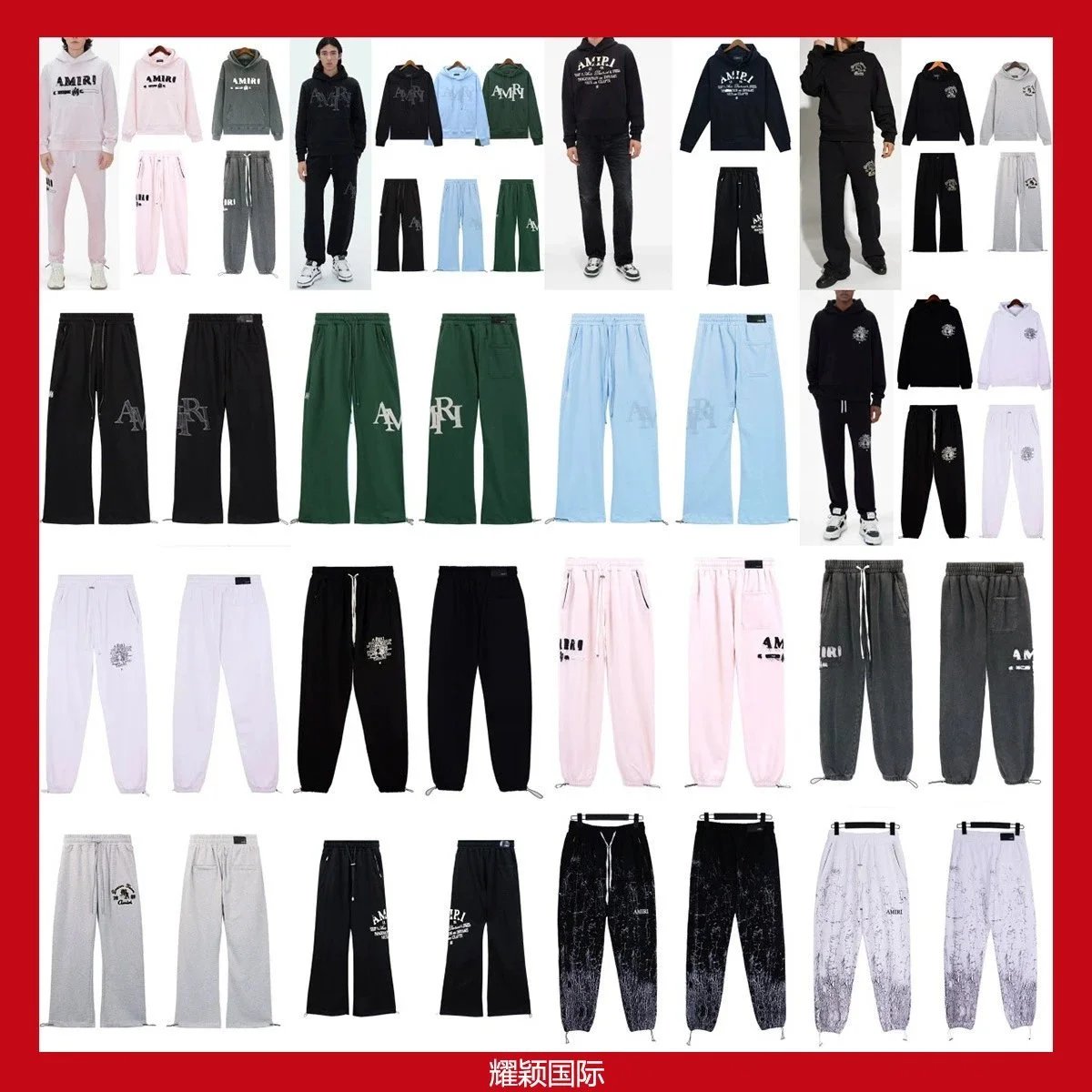
Graphic Hoodies and Sweatpants Collection LH25 Unisex | Oopbuy spreadsheet | Hipobuy spreadsheet - 140989

Sneakers 2025 Skate Sneakers | MyCNBox spreadsheet | iTaoBuy spreadsheet | USFans spreadsheet - 135965
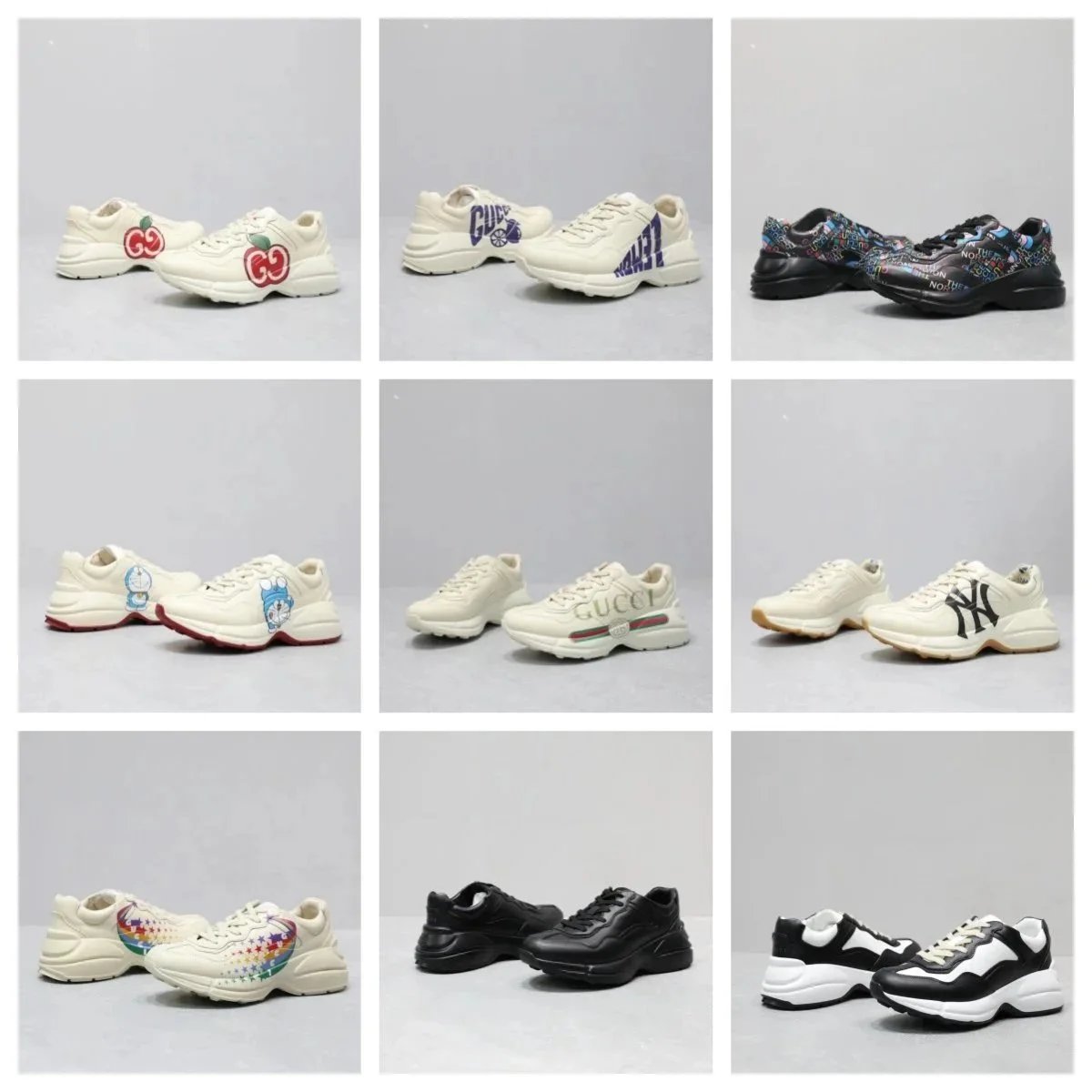
Sneakers BY03-CY Unisex Chunky Sneakers | Wheebuy spreadsheet | Lovegobuy spreadsheet - 141219