Cafans Journal
Stories & FindsShipzobuy CAFANS Guide: 30 Terms for Smarter Shopping
Shipzobuy CAFANS Guide: 30 Terms for Smarter Shopping
This Shipzobuy guide is built for shoppers who want a clear, practical English CAFANS resource. If you have been searching for a Shipzobuy spreadsheet, reading a Shipzobuy guide, or hunting for reliable Shipzobuy product links, this Shipzobuy shopping guide walks you through the language and workflow step by step. We keep it neutral, practical, and free of invented claims, so you can use it as a reference before you commit to a purchase.
What CAFANS Means in Practice
CAFANS is a shorthand used by shopping communities to describe a structured buying workflow: catalog, availability, fit, alternatives, notifications, and shipping. In plain terms, it is a checklist mindset. Instead of browsing randomly, you confirm the item exists, check sizes and variants, compare alternatives, set alerts, and plan delivery. A good Shipzobuy guide repeats this loop for every category, from apparel to accessories and home goods.
Build Your Shipzobuy Spreadsheet
The fastest way to apply CAFANS is a spreadsheet. A Shipzobuy spreadsheet typically lists item name, category, size, color, batch or version note, seller reference, QC status, and shipping status. Keep one tab for wishlist items and one for confirmed orders. Use short notes rather than paragraphs, and always record the date you added a link. This habit prevents duplicate buys and helps you compare Shipzobuy product links when a listing changes.
The 30 Terms You Will Meet
Here are thirty related terms, used naturally across this Shipzobuy shopping guide. Learn them once and your research becomes faster.
- catalog – the full list of items a seller offers.
- listing – a single product page.
- variant – a size, color, or version option.
- batch – a production run of the same item.
- QC – quality check, usually via photos.
- in-hand – photos taken after the item arrives at an agent.
- agent – an intermediary who buys and ships for you.
- warehouse – storage where items wait before shipping.
- consolidation – combining parcels to reduce cost.
- rehearsal – a test packing to estimate weight and volume.
- weight – actual mass of the parcel.
- volume – dimensional size used in shipping math.
- line – a shipping method or route.
- tracking – the parcel’s journey record.
- customs – border checks and duties.
- declaration – the stated value on paperwork.
- restock – new inventory of a sold-out item.
- preorder – buying before stock is ready.
- dead stock – old inventory no longer produced.
- price check – comparing cost across sellers.
- link check – confirming a URL still works.
- seller rating – feedback score for a store.
- return policy – rules for exchanges or refunds.
- size chart – measurements for apparel.
- fit note – advice on whether an item runs small or large.
- material – fabric or construction details.
- review – buyer feedback and photos.
- haul – a group of items bought together.
- wishlist – saved items for later.
- checkout – the final order step.
How to Use Product Links Wisely
Shipzobuy product links change more often than shoppers expect. Before you buy, open the link in a fresh tab, confirm the title matches your spreadsheet note, and screenshot the variant selection. If a link is dead, search the item name plus the category term from the list above. Keep a “verified” column in your spreadsheet and mark links you have checked within the last week. This small step saves refunds and confusion.
A Simple CAFANS Routine
Start with the catalog: shortlist three candidates. Then check availability and variants. Next, review fit notes and size charts for clothing, or material notes for home goods. Compare alternatives using a price check. Set a notification for restocks. Finally, plan shipping by choosing a line and estimating weight and volume. Run this routine once per haul and your decisions become consistent.
Common Mistakes to Avoid
Avoid buying from a single photo with no QC. Do not ignore consolidation limits. Do not skip the declaration step. And do not treat a wishlist as a confirmed order. A reliable Shipzobuy guide should remind you that patience beats impulse when links and batches shift.
Final Thoughts
Use this Shipzobuy shopping guide as a checklist, not a promise. Terms like batch, QC, and consolidation matter more than hype. Build your Shipzobuy spreadsheet, verify your Shipzobuy product links, and revisit this Shipzobuy guide whenever a listing changes. With thirty terms in hand, you can shop with clearer expectations and fewer surprises.
Editor's selection
Popular Products
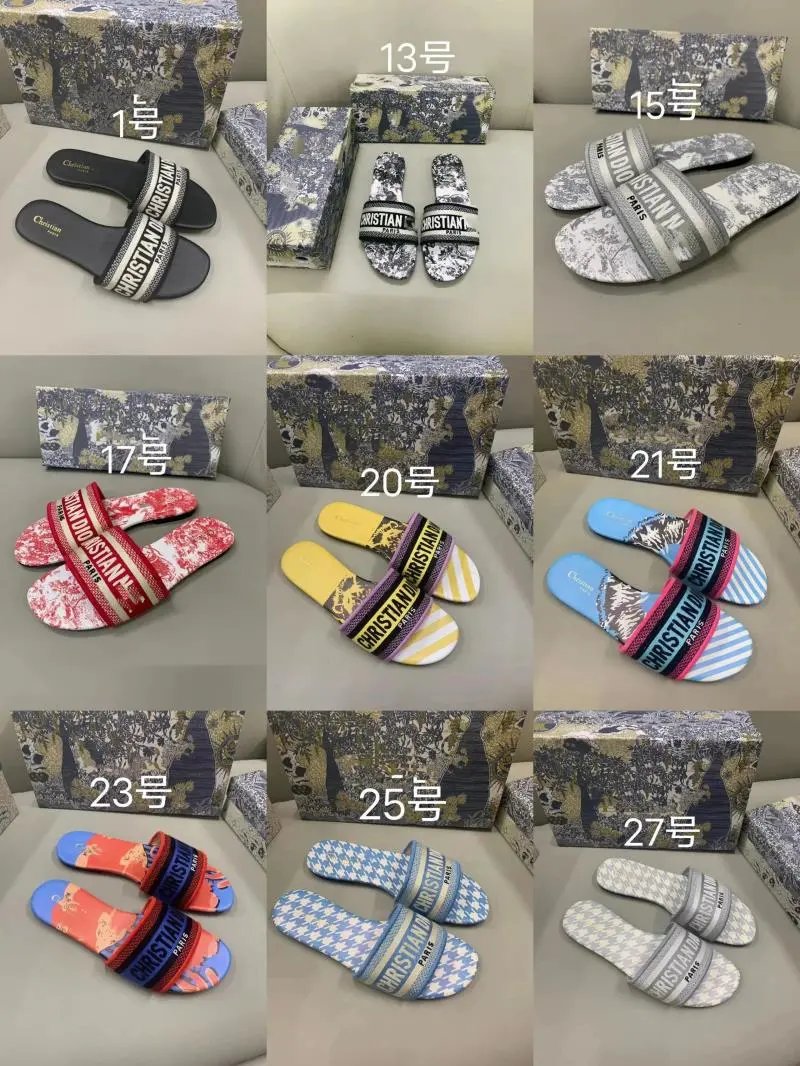
DS Slippers | Wheebuy spreadsheet | LoongBuy spreadsheet | Lovegobuy spreadsheet - 135724

Accessories | UIDBuy spreadsheet | Fishgoo spreadsheet | Oopbuy spreadsheet - 140922
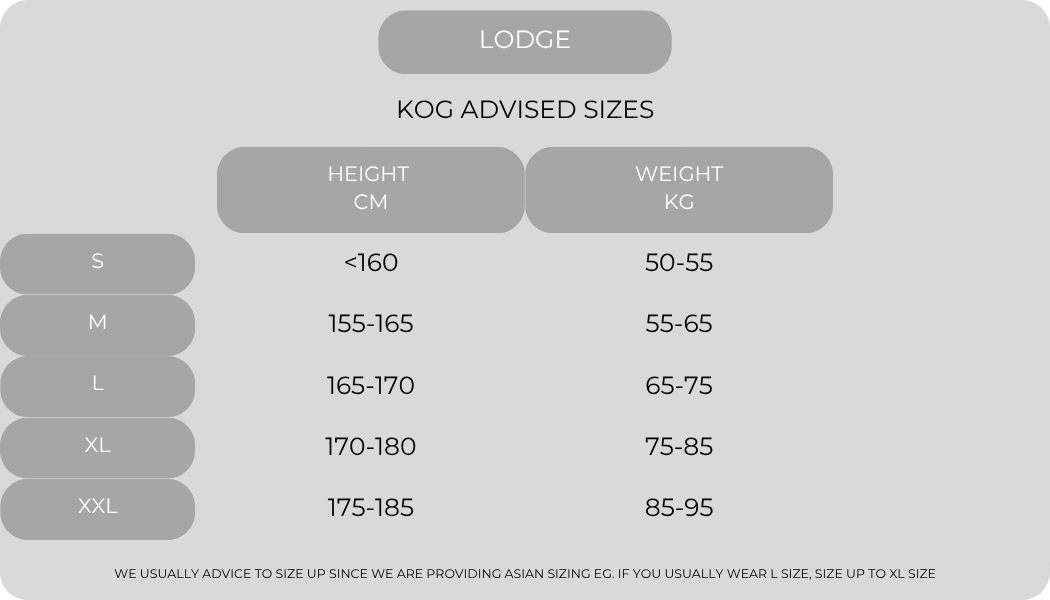
Catalog Item LODGE1200 Apparel | Litbuy spreadsheet | Hubbuycn spreadsheet | LoongBuy spreadsheet - 152120

XIAOTEJI Apple-Compatible Chargers and Accessories | Sugargoo spreadsheet | iTaoBuy spreadsheet - 142697
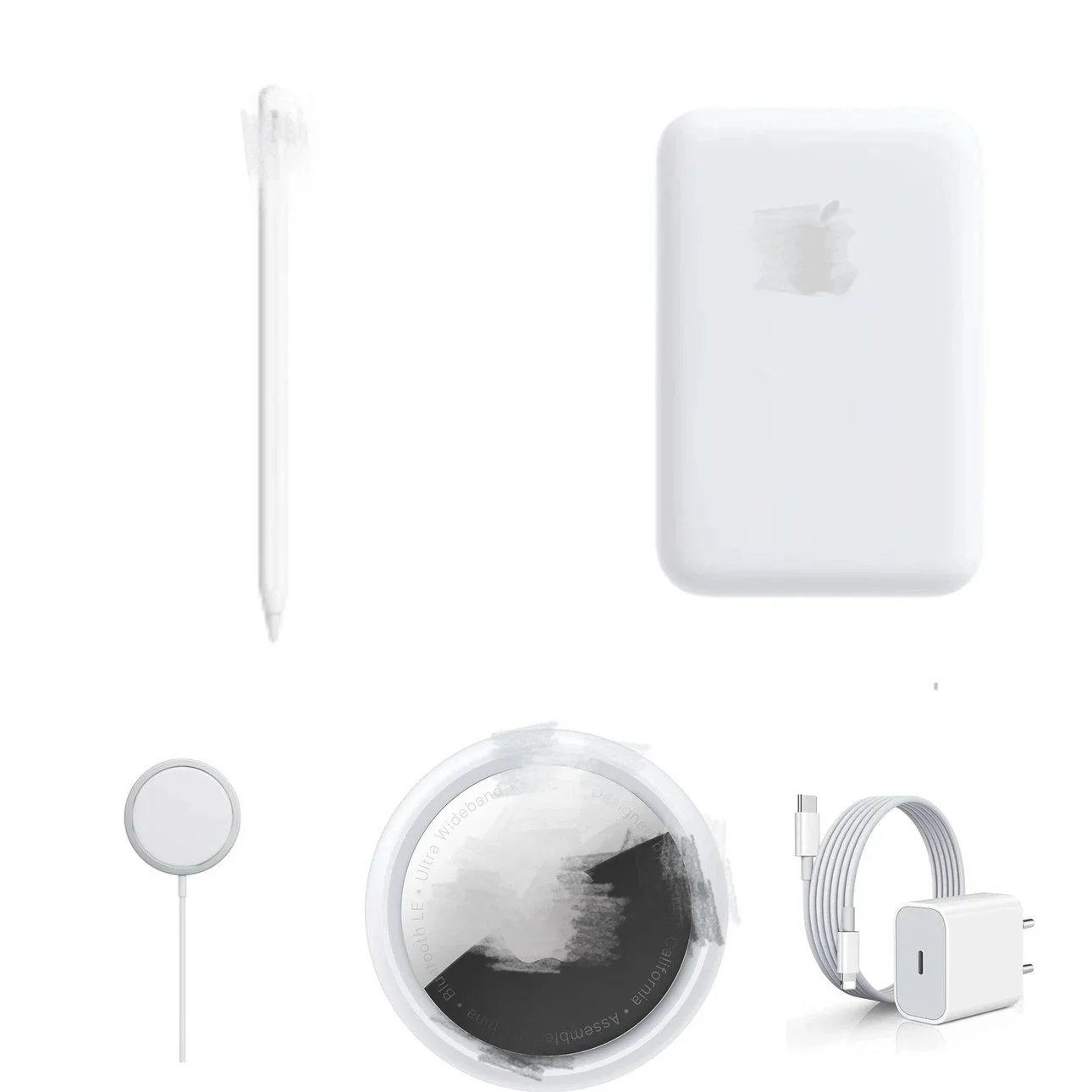
AP Charging and Electronics Accessories Selection | Fishgoo spreadsheet | Sugargoo spreadsheet - 149985

Rick Owens Apparel - Pants | Hipobuy spreadsheet | Oopbuy spreadsheet - 157607

Corteiz Apparel - Pants | Fansbuy spreadsheet | Sugargoo spreadsheet | BBDBuy spreadsheet - 157474