Cafans Journal
Stories & FindsOrientDig CAFANS Guide: Your Complete 1,000-Word Shopping Companion
What Is CAFANS and Why OrientDig Matters
If you have spent any time browsing cross-border shopping communities, you have likely encountered the term CAFANS. In simple terms, CAFANS refers to a category of shopping agent and marketplace platforms that help international buyers purchase items from Chinese e-commerce sites. Among the many names in this space, OrientDig stands out as a practical, user-friendly option for shoppers who want transparency, organized product data, and a smooth buying process.
This OrientDig guide walks you through everything you need to know: how the platform works, how to use an OrientDig spreadsheet to compare items, where to find OrientDig product links, and how to build a smart OrientDig shopping guide strategy. Whether you are a first-time buyer or a seasoned agent user, this 1,000-word overview will help you shop with confidence.
Understanding the CAFANS Shopping Model
The CAFANS model typically involves a three-step flow: you find a product listing, you submit the link to an agent platform, and the platform purchases the item on your behalf before shipping it internationally. This model solves a common problem — many Chinese marketplaces do not ship directly overseas, and language barriers make checkout difficult.
OrientDig fits neatly into this ecosystem. It acts as your bridge between product discovery and delivery. You browse, you paste a link, and OrientDig handles the rest. Key benefits include:
- Consolidated shipping: Combine multiple orders into one parcel to reduce costs.
- Quality control: Request inspection photos before international shipment.
- Transparent pricing: See product cost, domestic shipping, service fees, and international freight separately.
- Organized records: Track every order, link, and status in one dashboard.
How to Use an OrientDig Spreadsheet
One of the most powerful tools in the CAFANS community is the shared spreadsheet. An OrientDig spreadsheet is a curated list of product links, often organized by category — sneakers, hoodies, accessories, home goods, electronics, and more. These spreadsheets usually include columns for item name, size range, price, seller rating, and direct OrientDig product links.
Why use a spreadsheet? Because it saves hours of searching. Instead of scrolling through countless listings, you open a well-maintained sheet, filter by your budget, and copy the link into OrientDig. Here are a few tips for getting the most out of any OrientDig spreadsheet:
- Check the update date: Product links expire. Always verify that the sheet was refreshed recently.
- Read the notes column: Experienced users often flag sizing issues, color differences, or shipping delays.
- Compare sellers: The same item may appear from multiple sellers at different prices. Use the spreadsheet to spot the best value.
- Save your favorites: Copy promising OrientDig product links into your own shortlist before placing an order.
Finding Reliable OrientDig Product Links
A product link is the foundation of any successful order. When you collect OrientDig product links, make sure they point to the exact variant you want — correct size, color, and model. A common mistake is submitting a link to a parent listing and hoping the agent picks the right option. Always include clear notes in the order comments.
Where do good links come from? Community spreadsheets, review threads, video descriptions, and trusted recommendation lists. Cross-check each link against the seller's history and return policy. If a price looks suspiciously low, treat it with caution. Reliable OrientDig product links usually come from sellers with consistent ratings and real buyer photos.
Building Your Own OrientDig Shopping Guide
Every shopper eventually develops a personal OrientDig shopping guide. Here is a simple framework you can adapt:
- Budget stage: Set a total budget that includes the item price, service fee, domestic shipping, and international freight. Leave a 10–15% buffer for surprises.
- Discovery stage: Use an OrientDig spreadsheet to shortlist five to ten candidates per category.
- Verification stage: Check seller ratings, read recent reviews, and confirm the product link is still active.
- Order stage: Submit links with detailed notes. Request QC photos if the item is expensive or size-sensitive.
- Shipping stage: Choose a shipping line based on your timeline and budget. Consolidate parcels where possible.
- Review stage: After delivery, note what worked and what did not. Update your personal guide for next time.
Common Terms You Will Encounter
To navigate the CAFANS world smoothly, familiarize yourself with these terms: agent, consolidation, QC photos, service fee, domestic shipping, international freight, parcel, haul, batch, seller rating, variant, size chart, warehouse, rehearsal packaging, customs, tracking number, return policy, pre-sale, in-stock, out of stock, coupon, affiliate link, spreadsheet update, wishlist, checkout, payment method, weight estimate, and shipping line. Understanding this vocabulary will make every OrientDig guide you read far more useful.
Final Tips for a Smooth Experience
Start small. Place a low-cost test order to learn how OrientDig handles communication, QC, and shipping. Keep your own notes on which sellers and shipping lines perform well. Revisit your OrientDig spreadsheet regularly, and do not rely on a single source for product links. Compare at least two or three options before committing.
With a clear process and a good OrientDig shopping guide, the CAFANS model becomes a reliable way to access a huge range of products at competitive prices. Use the spreadsheet wisely, verify your links, and plan your shipping — then enjoy the results.
Editor's selection
Popular Products

Sneakers B22 B30 Unisex Classic Sneakers | UIDBuy spreadsheet | BBDBuy spreadsheet - 135717

Outdoor Casual Sneakers | Hipobuy spreadsheet | OOTDBuy spreadsheet | JoyaGoo spreadsheet - 141223

Sneakers 04 Classic Sneakers | LoongBuy spreadsheet | JoyaGoo spreadsheet | USFans spreadsheet - 135678

Sneakers P-0100 Unisex Sneakers | Kakobuy spreadsheet | BBDBuy spreadsheet | MyCNBox spreadsheet - 136114
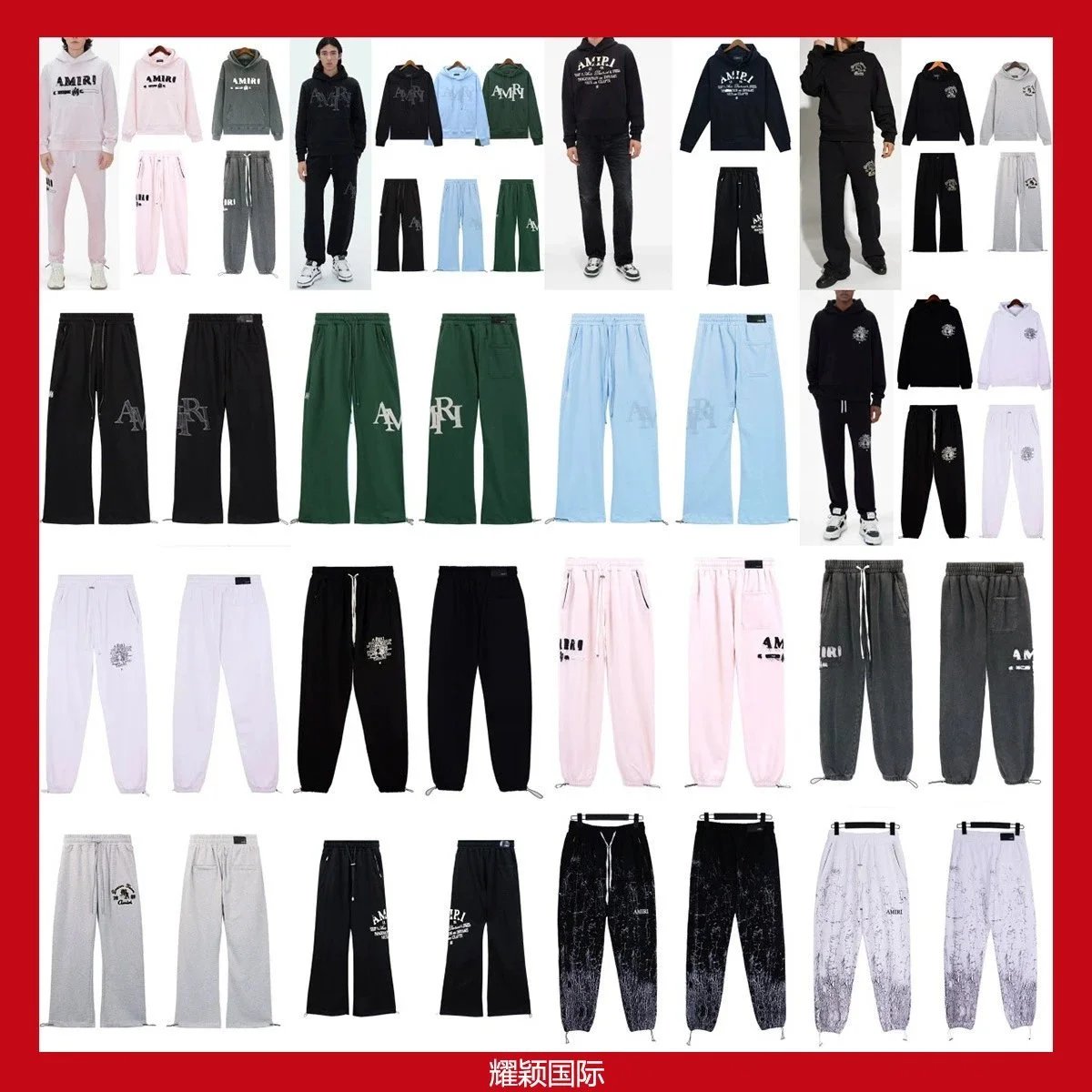
Graphic Hoodies and Sweatpants Collection LH25 Unisex | Oopbuy spreadsheet | Hipobuy spreadsheet - 140989

Sneakers 2025 Skate Sneakers | MyCNBox spreadsheet | iTaoBuy spreadsheet | USFans spreadsheet - 135965
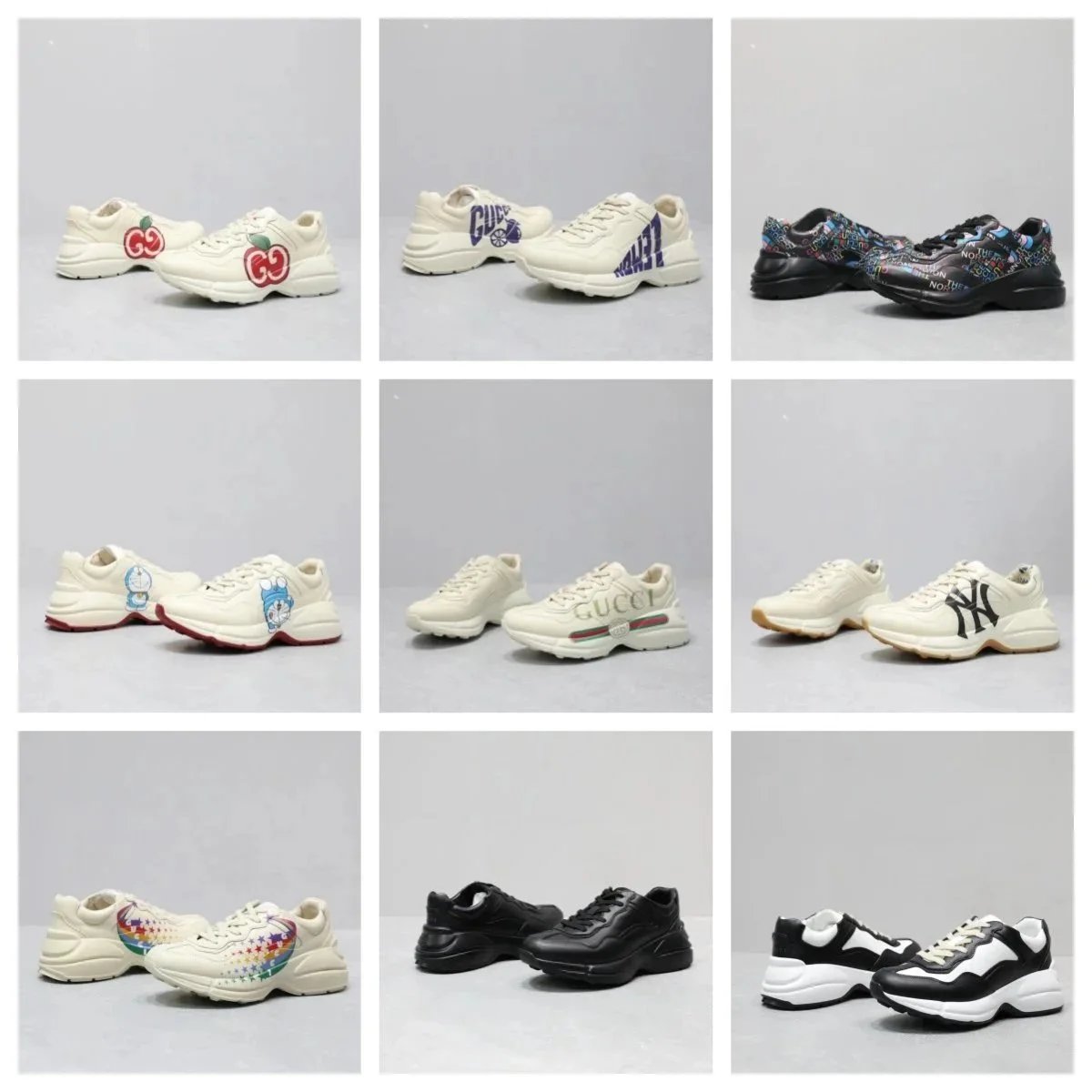
Sneakers BY03-CY Unisex Chunky Sneakers | Wheebuy spreadsheet | Lovegobuy spreadsheet - 141219