Cafans Journal
Stories & FindsThe CAFANS Guide to Smart Shopping with HubBuy
Welcome to the CAFANS guide — a practical, no-nonsense walkthrough for anyone who wants to shop smarter with HubBuy. CAFANS stands for Clear, Assess, Find, Assemble, Negotiate, Settle, a six-step method that turns scattered browsing into a repeatable routine. Whether you are a first-time buyer or a seasoned reseller, this guide shows how to combine HubBuy with a HubBuy spreadsheet, a HubBuy guide mindset, HubBuy product links, and a solid HubBuy shopping guide to get more value from every order.
Step 1 — Clear: Define what you actually need
Before opening a single product page, write down your goal. Are you restocking a store, furnishing a room, or hunting for a gift? Clarity prevents impulse buying. Keep a running HubBuy spreadsheet with columns for item, budget, quantity, seller rating, and deadline. This simple sheet becomes your single source of truth. When you follow a HubBuy guide, the first habit is always the same: list before you click.
Step 2 — Assess: Read listings like a pro
Assessment is where most shoppers lose money. Check the product title, variant options, material description, size chart, and shipping window. Compare at least three sellers for the same item. A reliable HubBuy shopping guide advises you to verify return policy, warranty terms, and whether the listing includes accessories or sells them separately. Note red flags such as vague descriptions, missing measurements, or stock photos that hide real details. Save your findings in your spreadsheet so you can compare later without reopening twenty tabs.
Step 3 — Find: Organize HubBuy product links
Collecting HubBuy product links is an art. Instead of bookmarking random pages, paste each link into your spreadsheet next to the item name and price. Add a short note about why the item caught your eye. This habit pays off when prices change or a listing disappears. Use consistent tags such as electronics, home, apparel, or accessories so you can filter quickly. A good HubBuy guide also suggests checking the same product through different search terms, because sellers sometimes list identical goods under different titles.
Step 4 — Assemble: Build a shortlist
Now narrow your list. Rank candidates by total cost, not just sticker price. Factor in shipping, taxes, coupon codes, and expected delivery time. This is the heart of any HubBuy shopping guide: total cost of ownership beats a low headline price. Group items that ship from the same region to reduce fees. If you are buying in bulk, check whether the seller offers tiered pricing or bundle discounts. Keep your spreadsheet updated with a final shortlist column so decisions stay transparent.
Step 5 — Negotiate: Ask, compare, and confirm
Many buyers never message sellers — a missed opportunity. Politely ask about bulk discounts, combined shipping, or slightly damaged packaging. Confirm stock availability before large orders. Compare seller ratings, response times, and review histories. A cautious HubBuy guide recommends keeping all conversations in the platform's messaging system so you have a record. Update your spreadsheet with each reply, including promised discounts and expiry dates.
Step 6 — Settle: Checkout and follow up
Before paying, review your cart against your spreadsheet one last time. Confirm the selected variant, quantity, address, and payment method. After checkout, track the shipment and inspect goods on arrival. Photograph packaging before opening high-value items. If something is wrong, contact the seller immediately with your order number and photos. Record the outcome in your spreadsheet — this builds a personal history that makes future purchases faster and safer.
Putting the CAFANS method to work
The real power of CAFANS comes from repetition. After a few cycles, your HubBuy spreadsheet becomes a mini database of trusted sellers, fair prices, and reliable product links. You will notice patterns: which categories ship fastest, which sellers respond well, and where discounts appear. Treat every HubBuy guide you read as a starting point, then adapt the steps to your own budget and schedule.
Common categories shoppers track with this method include consumer electronics and accessories, home and kitchen goods, apparel and footwear, beauty and personal care items, office supplies, pet supplies, fitness equipment, toys and games, automotive accessories, and seasonal decorations. None of these require special expertise — only consistent note-taking and patience.
Quick checklist
- Write your goal before browsing.
- Log every candidate in a spreadsheet.
- Compare at least three sellers per item.
- Calculate total cost, not just price.
- Message sellers for bulk or bundle deals.
- Verify variant, address, and payment before checkout.
- Inspect and document deliveries.
Follow these steps and the CAFANS approach becomes second nature. Shop deliberately, record everything, and let your HubBuy spreadsheet do the remembering so you can focus on choosing well.
Editor's selection
Popular Products

Shoes Ph076 Breathable Running Shoes | CSSBuy spreadsheet | LoongBuy spreadsheet - 136150

Men's Casual Shoes | CSSBuy spreadsheet | Kakobuy spreadsheet | Rizzitgo spreadsheet - 135435

Casual Shoes | Kakobuy spreadsheet | Hubbuycn spreadsheet | CNShopper spreadsheet - 136046
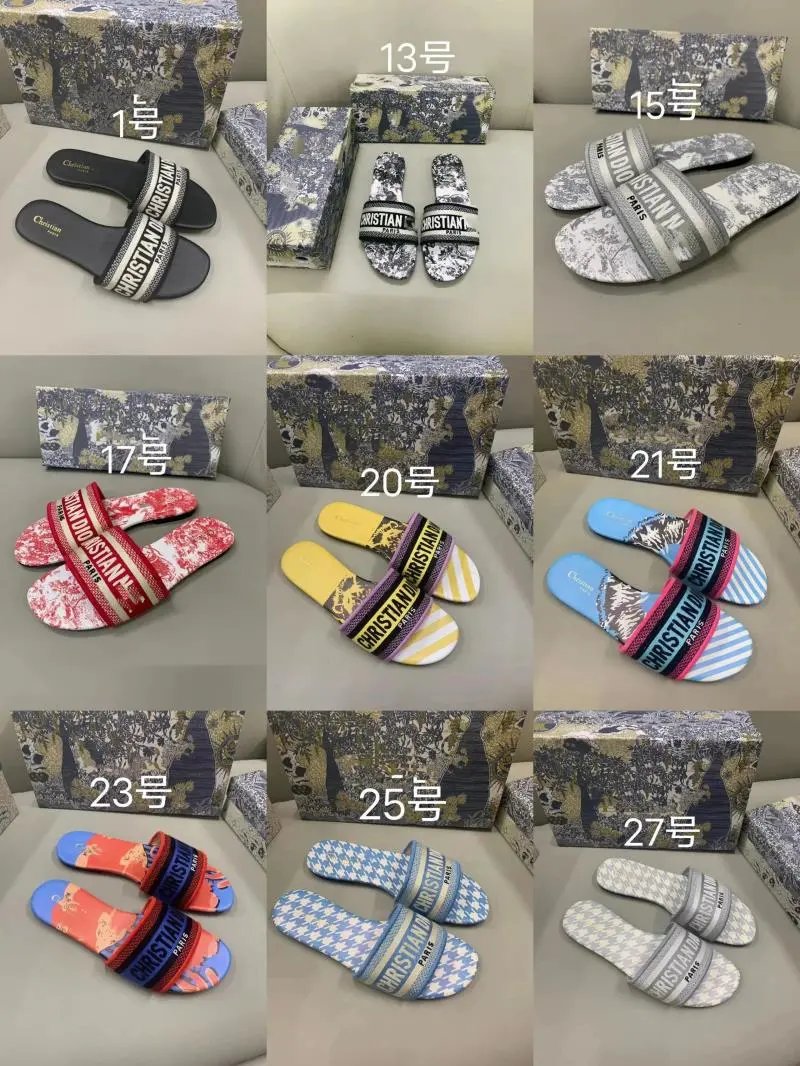
DS Slippers | Wheebuy spreadsheet | LoongBuy spreadsheet | Lovegobuy spreadsheet - 135724

Socks SP2.0 and 3XL Footwear Selection | Kakobuy spreadsheet | iTaoBuy spreadsheet - 152125
Socks SP2.0 and 3XL Footwear Selection | Hubbuycn spreadsheet | Rizzitgo spreadsheet - 152124
Socks SP2.0 and 3XL Footwear Selection | Hipobuy spreadsheet | Superbuy spreadsheet - 152127