Cafans Journal
Stories & FindsCAFANS Shopping Guide: Mastering the Kakobuy Spreadsheet for Smarter Hauls
CAFANS Shopping Guide: Mastering the Kakobuy Spreadsheet
If you have spent any time in the replica, streetwear, or agent-shopping community, you have probably heard the phrase “check the spreadsheet” more times than you can count. The kakobuyspreadsheet has become one of the most referenced resources for shoppers who want to browse curated product links without drowning in scattered forum posts and dead URLs. This CAFANS shopping guide walks you through what the spreadsheet is, how to use it, and how to build a reliable haul workflow around it.
What Is the Kakobuy Spreadsheet?
The kakobuyspreadsheet is essentially a living directory. Instead of scrolling through dozens of chat groups, you open a single document that organizes products by category, seller, and sometimes price tier. Each row typically includes a product name, a thumbnail, a price range, and a direct link to the agent platform. Think of it as a catalog built by shoppers, for shoppers.
What makes it valuable is the structure. A good kakobuy spreadsheet saves time because you can compare hoodies, sneakers, bags, or accessories side by side. It also reduces the risk of clicking a stale link, since active spreadsheets are updated when sellers change listings or remove items.
Why Shoppers Rely on It
There are several practical reasons the spreadsheet has become a staple:
- Curated discovery: Instead of guessing keywords, you browse items that other buyers have already found and tested.
- Price transparency: Most sheets list approximate prices, so you can budget before you commit.
- Category filters: Sneakers, hoodies, tees, watches, jewelry, bags, and home goods are usually separated into tabs.
- Agent compatibility: The best kakobuy product links route directly to the agent’s listing page, cutting out middle steps.
- Community feedback: Many sheets include notes on sizing, quality tiers, and seller reliability.
How to Read the Spreadsheet Like a Pro
Opening the sheet is easy; reading it well takes a little practice. Start by identifying the tab that matches your category. Within each tab, scan the columns for price, seller, and any quality rating. If a row includes a “batch” or “version” label, pay attention — that usually indicates the factory or production run, which can affect quality.
Next, look for a notes column. Experienced contributors often flag sizing quirks, such as “size up once” or “runs slim.” These notes are gold when you are ordering clothing online. Finally, verify the link before adding anything to your cart. Even a well-maintained sheet can have rows that lag behind a seller’s current inventory.
Building a Smart Shopping Workflow
A kakobuy guide is only useful if it translates into a repeatable routine. Here is a simple workflow that works for beginners and veterans alike:
- Browse first, buy later. Use the sheet to build a shortlist. Add items to your agent cart only after you have compared at least two or three alternatives.
- Check the agent listing. Confirm the price, available sizes, and shipping estimate on the product page. Prices on the sheet are approximate.
- Read QC expectations. Know what quality-control photos typically show. This helps you judge whether an item matches the sheet’s description.
- Consolidate your haul. Group items from the same seller or warehouse when possible to save on shipping and simplify parcel handling.
- Track updates. Bookmark the sheet and revisit it before each new haul, since rows change frequently.
This routine turns a kakobuy shopping guide into a practical habit rather than a one-time read.
Common Mistakes to Avoid
Even experienced shoppers slip up. The most common mistakes include trusting an outdated link, ignoring sizing notes, and assuming every row is verified. Another frequent error is buying an item solely because it appears in the sheet — always check the seller’s recent feedback and the product page details. Remember that the spreadsheet is a discovery tool, not a guarantee.
It also helps to keep a personal log. Write down which sellers you have used, what you ordered, and how the item turned out. Over time, this log becomes your own mini spreadsheet and a useful complement to the public one.
Staying Organized for Bigger Hauls
If you plan to order multiple items, organization matters. Use browser bookmarks or a notes app to group kakobuy product links by category. Label each link with the item name, size, and price so you can rebuild your cart quickly if something goes wrong. This is especially useful during sales events when listings and stock change rapidly.
Also, set a budget before you open the sheet. Curated catalogs are designed to make discovery easy, which can also make overspending easy. A simple spending cap keeps the experience fun and stress-free.
Final Thoughts
The kakobuyspreadsheet is one of the most useful tools in the agent-shopping world, but it works best when paired with careful checking and a consistent workflow. Treat it as a starting point for research, verify every link, and keep notes on what works. Whether you are hunting for sneakers, hoodies, or accessories, a disciplined approach will save you time, money, and disappointment. Use this CAFANS shopping guide as your checklist, and let the spreadsheet do what it does best: help you find good products without the guesswork.
Editor's selection
Popular Products
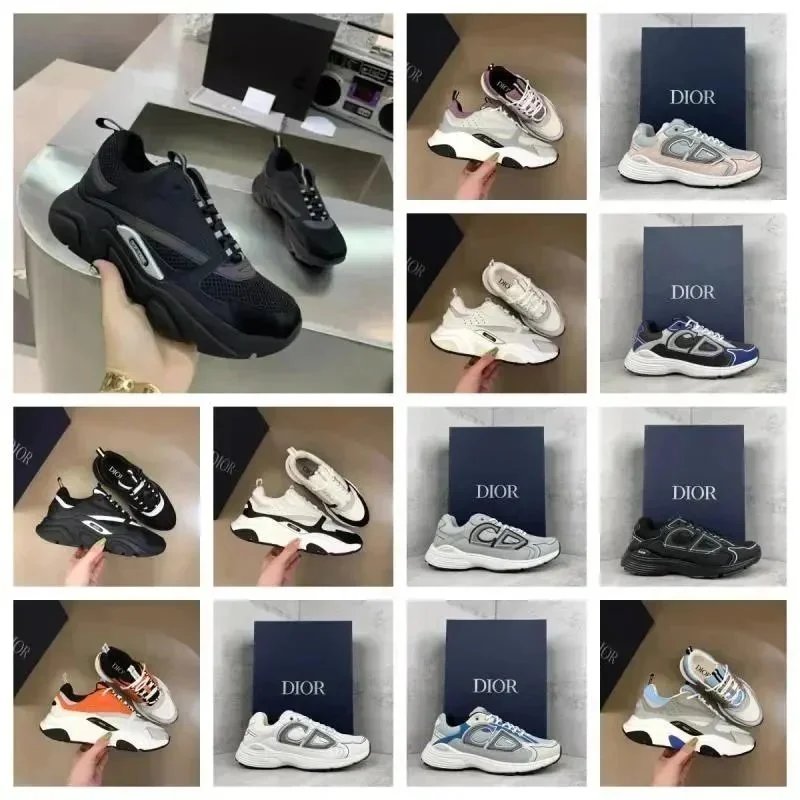
Sneakers B22 B30 Unisex Classic Sneakers | UIDBuy spreadsheet | BBDBuy spreadsheet - 135717

Outdoor Casual Sneakers | Hipobuy spreadsheet | OOTDBuy spreadsheet | JoyaGoo spreadsheet - 141223

Sneakers 04 Classic Sneakers | LoongBuy spreadsheet | JoyaGoo spreadsheet | USFans spreadsheet - 135678
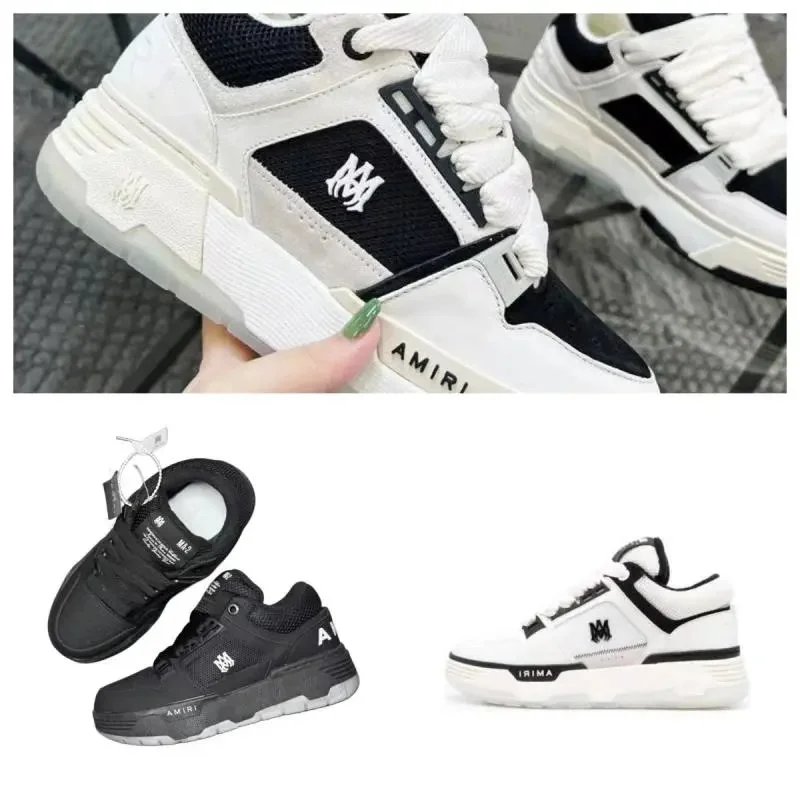
Sneakers P-0100 Unisex Sneakers | Kakobuy spreadsheet | BBDBuy spreadsheet | MyCNBox spreadsheet - 136114
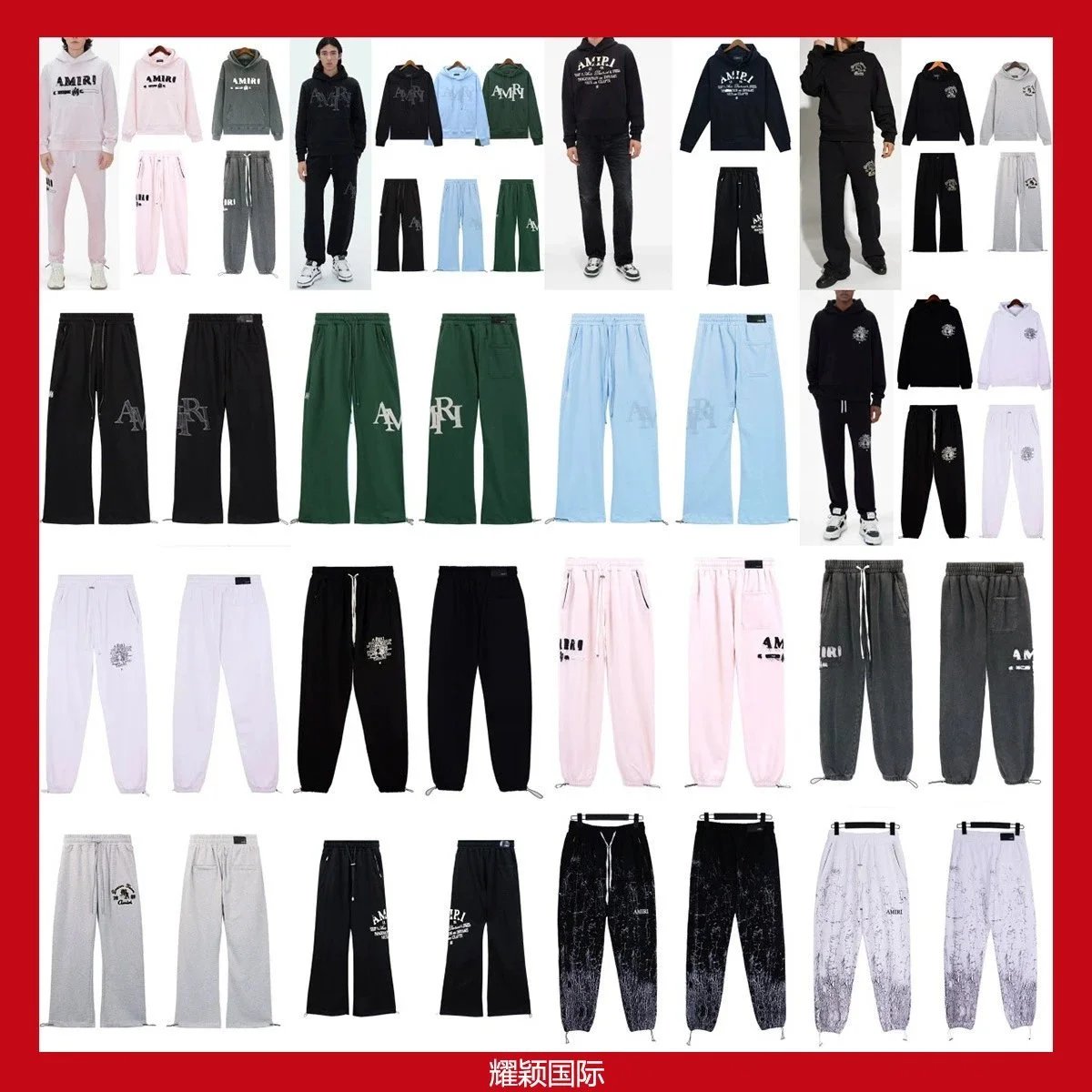
Graphic Hoodies and Sweatpants Collection LH25 Unisex | Oopbuy spreadsheet | Hipobuy spreadsheet - 140989

Sneakers 2025 Skate Sneakers | MyCNBox spreadsheet | iTaoBuy spreadsheet | USFans spreadsheet - 135965
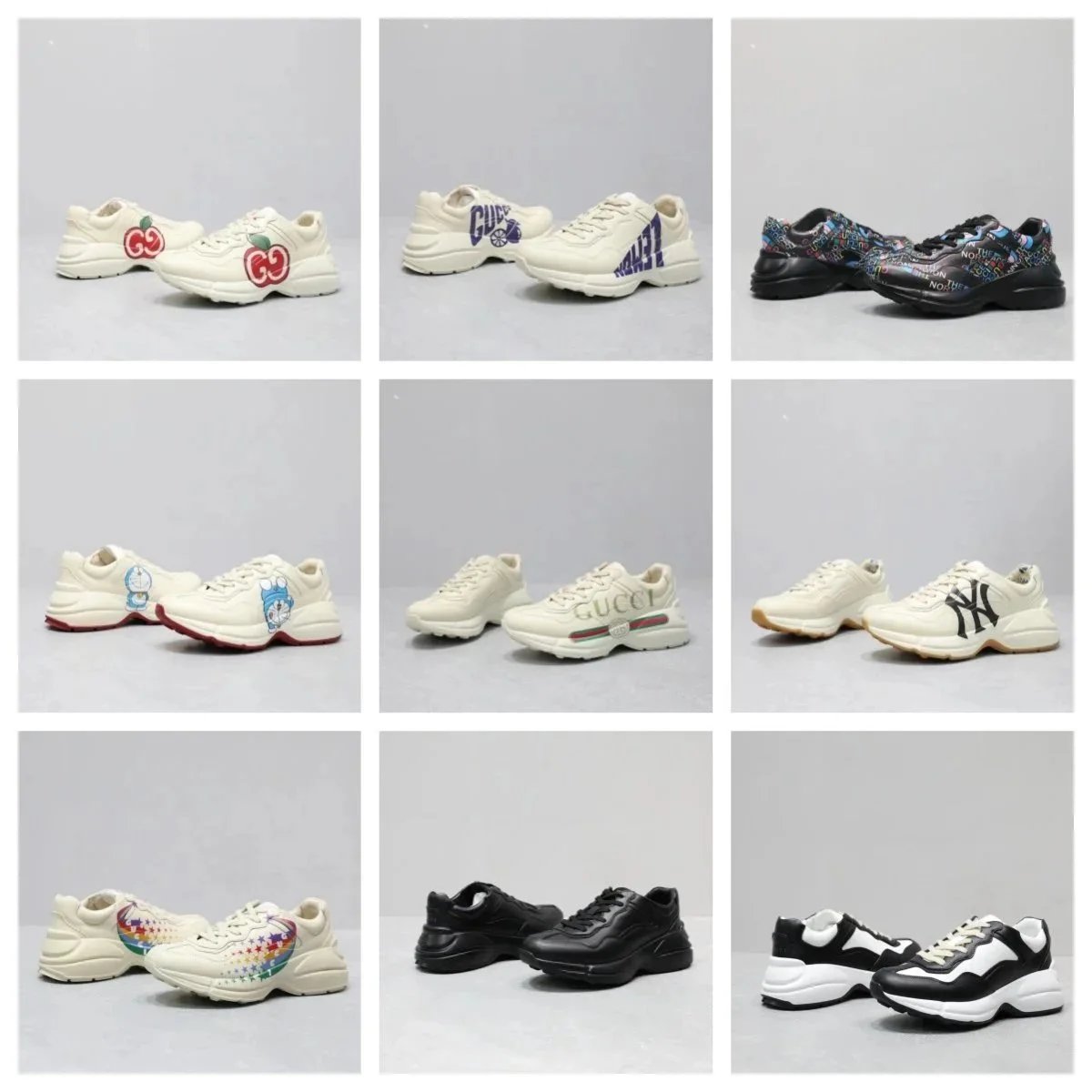
Sneakers BY03-CY Unisex Chunky Sneakers | Wheebuy spreadsheet | Lovegobuy spreadsheet - 141219