Cafans Journal
Stories & FindsFishgoo CAFANS Guide: A Complete 1000-Word Shopping Walkthrough
What Is Fishgoo and Why the CAFANS Guide Matters
Fishgoo is a curated shopping platform concept built around discovery, comparison, and confident buying. If you have heard the name but are unsure where to start, this CAFANS guide is designed for you. CAFANS stands for Compare, Assess, Filter, Assemble, Navigate, and Save — a six-step routine that keeps your shopping organized and your budget intact. The Fishgoo guide below walks through each stage, explains how to use a Fishgoo spreadsheet to track everything, and shows where Fishgoo product links fit into the process. Whether you are hunting for kitchen gadgets, outdoor gear, or everyday electronics, the same framework applies.
Step 1: Compare Before You Commit
The first CAFANS rule is comparison. Never buy the first listing you see. Open several tabs, note the price, shipping cost, warranty, and return window, and paste the details into your Fishgoo spreadsheet. A simple column layout — product name, vendor, price, rating, delivery time, and notes — turns scattered browsing into a clean overview. Cross-check reviews from more than one source, because a single five-star testimonial rarely tells the whole story. The Fishgoo shopping guide philosophy is that comparison is not about finding the cheapest item; it is about finding the best value for your specific need.
Step 2: Assess Quality and Fit
Assessment is where most shoppers rush. Slow down. Ask three questions: Does this product solve my problem? Is the build quality appropriate for how often I will use it? Are the materials, dimensions, and power requirements compatible with my space? For apparel, check the size chart against your measurements rather than assuming your usual size. For electronics, confirm voltage, plug type, and compatibility with your existing devices. Record your verdict in the spreadsheet with a simple pass/fail mark. This habit alone prevents most impulse purchases, and it is the core lesson of any serious Fishgoo guide.
Step 3: Filter Ruthlessly
Filtering means removing options that fail your criteria. Set a hard budget ceiling, a minimum rating threshold, and a delivery deadline. If a listing lacks a clear return policy, cut it. If the seller has no verifiable history, cut it. The goal is to reduce a long list to three or four finalists. In your Fishgoo spreadsheet, use conditional formatting to grey out rejected rows so you can still review them later. Filtering is not about being picky — it is about protecting your time and money. Many shoppers find that after filtering, the obvious winner becomes clear without further debate.
Step 4: Assemble Your Shortlist and Links
Once your finalists are chosen, assemble them in one place. This is where Fishgoo product links become useful: save the direct URL for each finalist alongside its price snapshot, so you can return to the exact listing without searching again. Be aware that prices and stock change frequently, so timestamp each link. Group related items — for example, a laptop, a sleeve, and a cooling pad — into a single bundle row so you can see the combined cost. Assembling a shortlist also makes it easier to spot bundle discounts or free-shipping thresholds that individual purchases would miss.
Step 5: Navigate Checkout and Policies
Navigation covers the practical side of buying: payment methods, currency conversion fees, customs duties, and delivery tracking. Read the return and refund policy before you pay, not after. Note the exact window — 14 days, 30 days, or 90 days — and whether return shipping is covered. For cross-border orders, check whether duties are prepaid or collected on delivery. Keep order confirmations and tracking numbers in the same Fishgoo spreadsheet tab as your shortlist. If something goes wrong, a well-organized record turns a stressful dispute into a straightforward claim.
Step 6: Save Smartly
The final step is saving — both money and effort. Set price alerts on your finalists and wait a week if the purchase is not urgent. Look for seasonal sales, coupon codes, and loyalty programs. Reuse your spreadsheet template for future purchases; the categories and formulas you build once will serve you for years. Over time, your Fishgoo spreadsheet becomes a personal price history, showing you what a fair price actually looks like for the products you buy most often.
Common Mistakes to Avoid
Buying on emotion during flash sales, ignoring shipping costs until checkout, trusting a single review, and skipping the return policy are the four most common errors. The CAFANS routine addresses each one. Another frequent mistake is hoarding too many options; three to five finalists is enough. Finally, do not confuse a low price with a good deal — a cheap item that breaks in a month costs more than a quality item that lasts three years.
Final Thoughts
Fishgoo works best when you treat shopping as a structured project rather than a series of impulses. The CAFANS method — Compare, Assess, Filter, Assemble, Navigate, Save — gives you a repeatable process, and the Fishgoo spreadsheet gives you a place to record every decision. Use the Fishgoo shopping guide as your checklist, keep your Fishgoo product links organized, and let the Fishgoo guide above turn your next purchase into a calm, informed choice. Start with one category, build your template, and refine it with each order.
Editor's selection
Popular Products
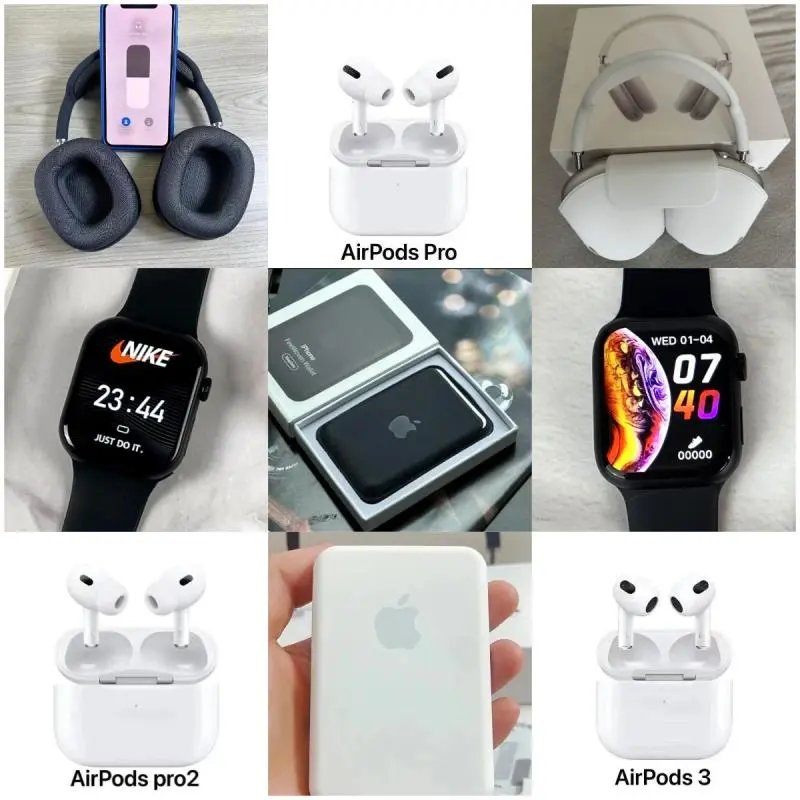
Catalog Item TF25 Digital Electronics | UIDBuy spreadsheet | Fishgoo spreadsheet - 141140
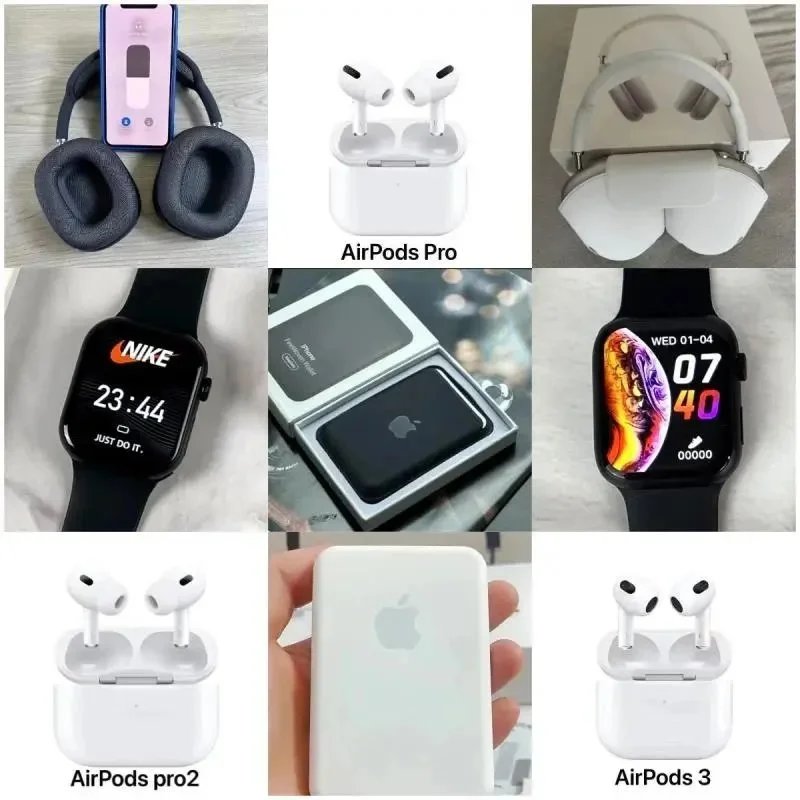
Catalog Item LL55 Digital Electronics | Superbuy spreadsheet | Fishgoo spreadsheet - 138885
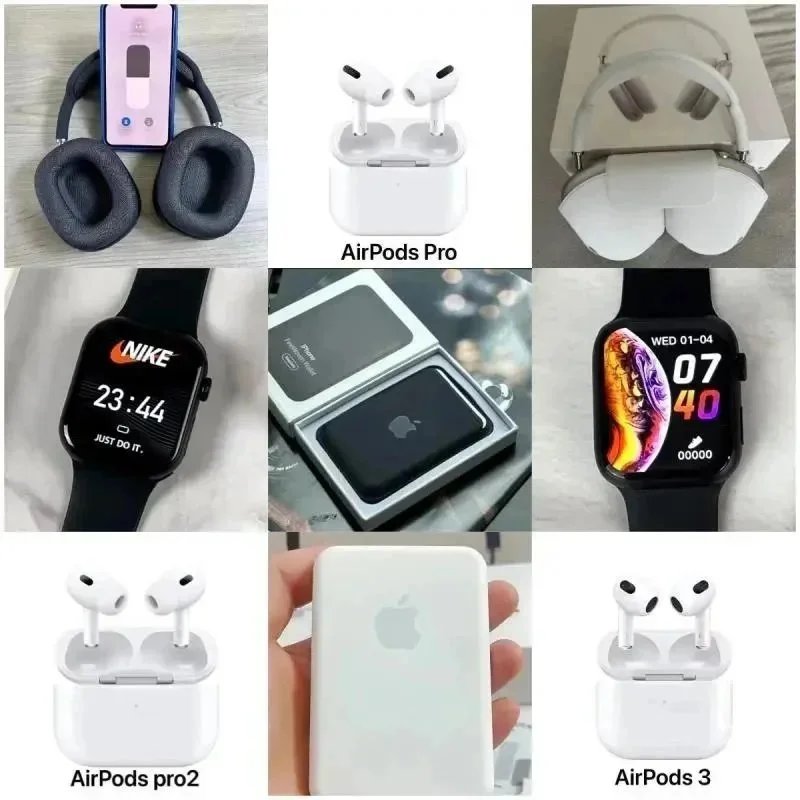
Headphones XB22 Headphones and Electronics Selection | LoongBuy spreadsheet | Hubbuycn spreadsheet - 136779
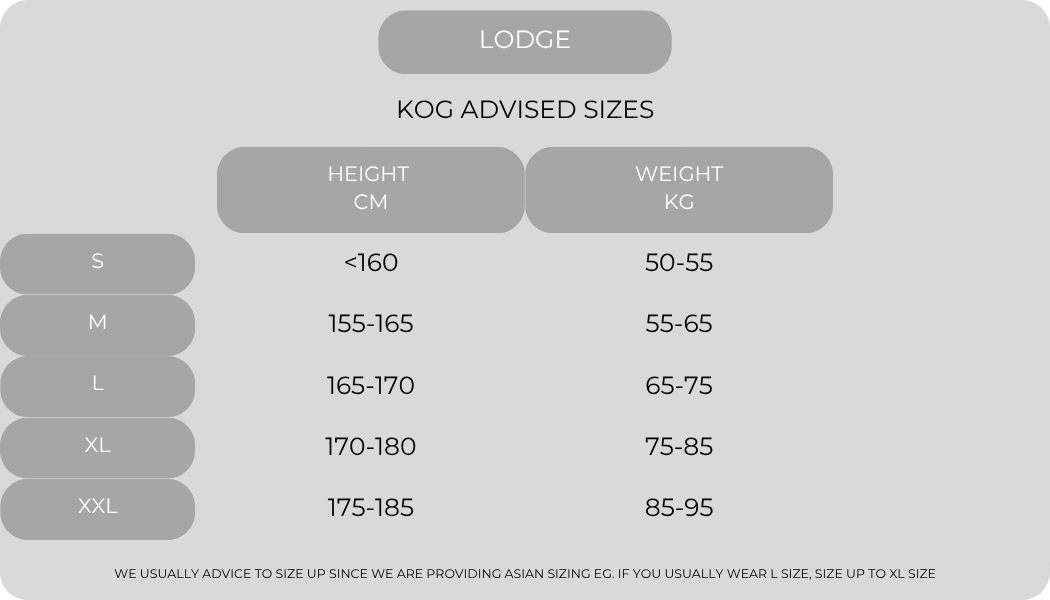
Catalog Item LODGE1200 Apparel | Litbuy spreadsheet | Hubbuycn spreadsheet | LoongBuy spreadsheet - 152120
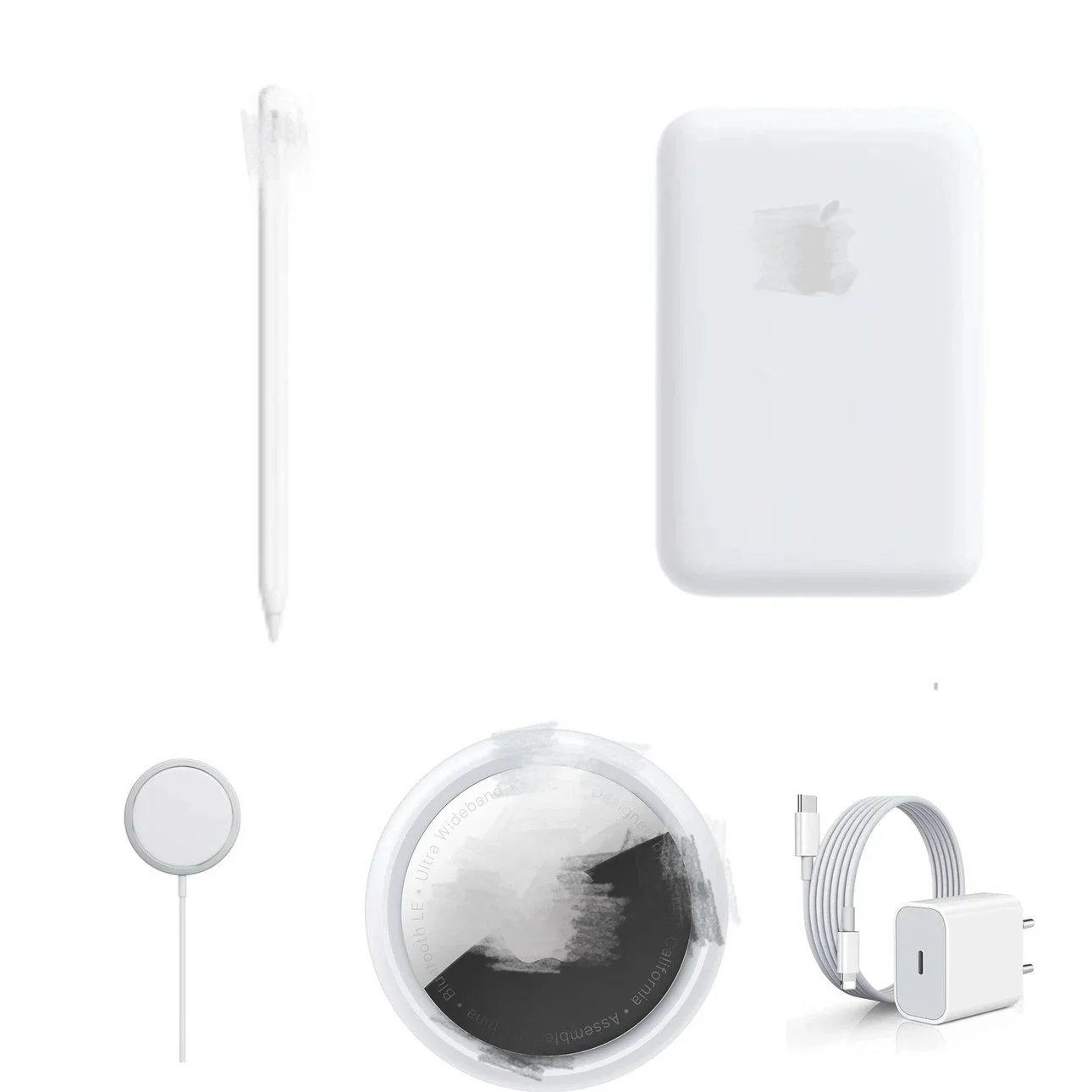
AP Charging and Electronics Accessories Selection | Fishgoo spreadsheet | Sugargoo spreadsheet - 149985

Rick Owens Apparel - Pants | Hipobuy spreadsheet | Oopbuy spreadsheet - 157607

Corteiz Apparel - Pants | Fansbuy spreadsheet | Sugargoo spreadsheet | BBDBuy spreadsheet - 157474