Cafans Journal
Stories & FindsThe CAFANS Guide to Superbuy Spreadsheets: Finding, Using, and Shopping Smarter
If you have spent any time browsing English-language shopping communities, you have probably run into the CAFANS guide to agent shopping. This article focuses on one of the most practical tools in that ecosystem: the superbuy spreadsheet. Whether you are a first-time buyer or a seasoned hauler, a well-maintained spreadsheet can save you hours of searching and help you compare prices before you commit.
What Is a Superbuy Spreadsheet?
A superbuy spreadsheet is a shared or personal catalog of superbuy product links organized in rows and columns. Instead of hunting through the agent app one item at a time, you open a sheet and see product names, categories, prices, seller information, and sometimes QC notes or weight estimates. The best sheets are updated regularly, so stale links are removed and new finds are added.
This format is popular because it turns casual browsing into structured research. A superbuy spreadsheet guide usually explains how to read the columns, how to verify a link, and how to import items into your cart. Once you understand the layout, the superbuy shopping guide side of the process becomes much faster.
Why Use a Spreadsheet Instead of the App Alone?
The main advantage is comparison. A spreadsheet lets you line up multiple listings side by side, check price ranges, and spot outliers. You can also sort by category, which is helpful when you are building an outfit or restocking daily essentials. Many users pair a superbuy guide article with a spreadsheet so they can cross-check sizing charts, shipping restrictions, and return policies.
Another benefit is organization. When you save superbuy product links in a sheet, you create a shopping plan rather than a wishlist. You can mark items as reviewed, note the warehouse arrival date, and track which parcels are ready to consolidate. This is especially useful during busy sale periods when order volumes rise.
How to Read a Superbuy Spreadsheet
Most sheets follow a similar structure. Here is what to look for:
- Item name and category — helps you filter quickly.
- Product link — always confirm it opens the correct listing.
- Price — remember that agent fees and domestic shipping may apply.
- Weight or size estimate — useful for planning international shipping.
- Notes — seller reliability, color options, or size warnings.
A reliable superbuy spreadsheet guide will tell you to check the date of the last update. Old rows may point to sold-out items or changed prices. If a link fails, search the item name manually in the agent app before giving up on the sheet.
Using the Sheet with the Superbuy Guide Workflow
The typical workflow looks like this: browse the sheet, shortlist items, paste the links into your agent cart, and review the order details. A good superbuy guide will remind you to confirm the selected size, color, and seller before paying. After the items reach the warehouse, inspect the QC photos and decide whether to keep, return, or exchange.
This is where the superbuy shopping guide approach pays off. Instead of impulse-buying, you follow a checklist: verify the listing, compare the price, check the weight, and plan consolidation. The spreadsheet is the starting point, not the final decision.
Building Your Own Sheet
You do not need a public sheet to benefit. A personal superbuy spreadsheet can be as simple as five columns: link, item, price, size, and status. Add a notes column for seller feedback and a date column for updates. If you share the sheet with friends, agree on a naming convention so rows stay consistent.
When you copy superbuy product links, keep the full URL rather than a shortened version. Full links are easier to verify and less likely to break. If you use a mobile device, consider adding the sheet to your home screen for quick access while you browse.
Common Mistakes to Avoid
First, do not assume every row is current. Prices and availability change, so verify before ordering. Second, do not ignore shipping weight; a cheap item can become expensive once international freight is added. Third, do not skip the QC step. Photos are your best protection against wrong sizes or colors.
Finally, treat the superbuy spreadsheet guide as a starting framework, not a rulebook. Different categories have different risks. Clothing needs size checks, electronics need voltage and plug checks, and home goods need careful packing estimates.
Related Terms You Will See
While browsing, you may encounter terms such as agent, warehouse, consolidation, parcel, QC photos, rehearsal packing, domestic shipping, international freight, customs declaration, tracking number, coupon, haul, review, size chart, seller rating, stock status, return policy, exchange, order status, payment method, service fee, weight estimate, shipping line, restricted items, batch, link list, price comparison, community sheet, and spreadsheet update. These terms appear throughout any superbuy guide and help you navigate the platform with confidence.
Final Tips
Use the superbuy spreadsheet as a research tool, keep your own notes, and cross-check every link before checkout. Pair it with a trusted superbuy shopping guide and you will make fewer mistakes, compare better, and plan shipping more accurately. The CAFANS approach is simple: organize first, shop second, and always verify before you pay.
Editor's selection
Popular Products

Ni Vests, T-Shirt and Clothing Sets 1000 | JoyaGoo spreadsheet | Sugargoo spreadsheet - 141084

Outfit Set FL01-005ph Spring and Autumn Casual Clothing | Sugargoo spreadsheet | GTBuy spreadsheet - 136271

Clothing Set 1 | Oopbuy spreadsheet | BBDBuy spreadsheet | CSSBuy spreadsheet - 136873

Outfit Set MX16 Clothing Set | Hipobuy spreadsheet | Fishgoo spreadsheet - 137693

D All-Over Print Clothing Set | UIDBuy spreadsheet | Kakobuy spreadsheet | Hipobuy spreadsheet - 136221
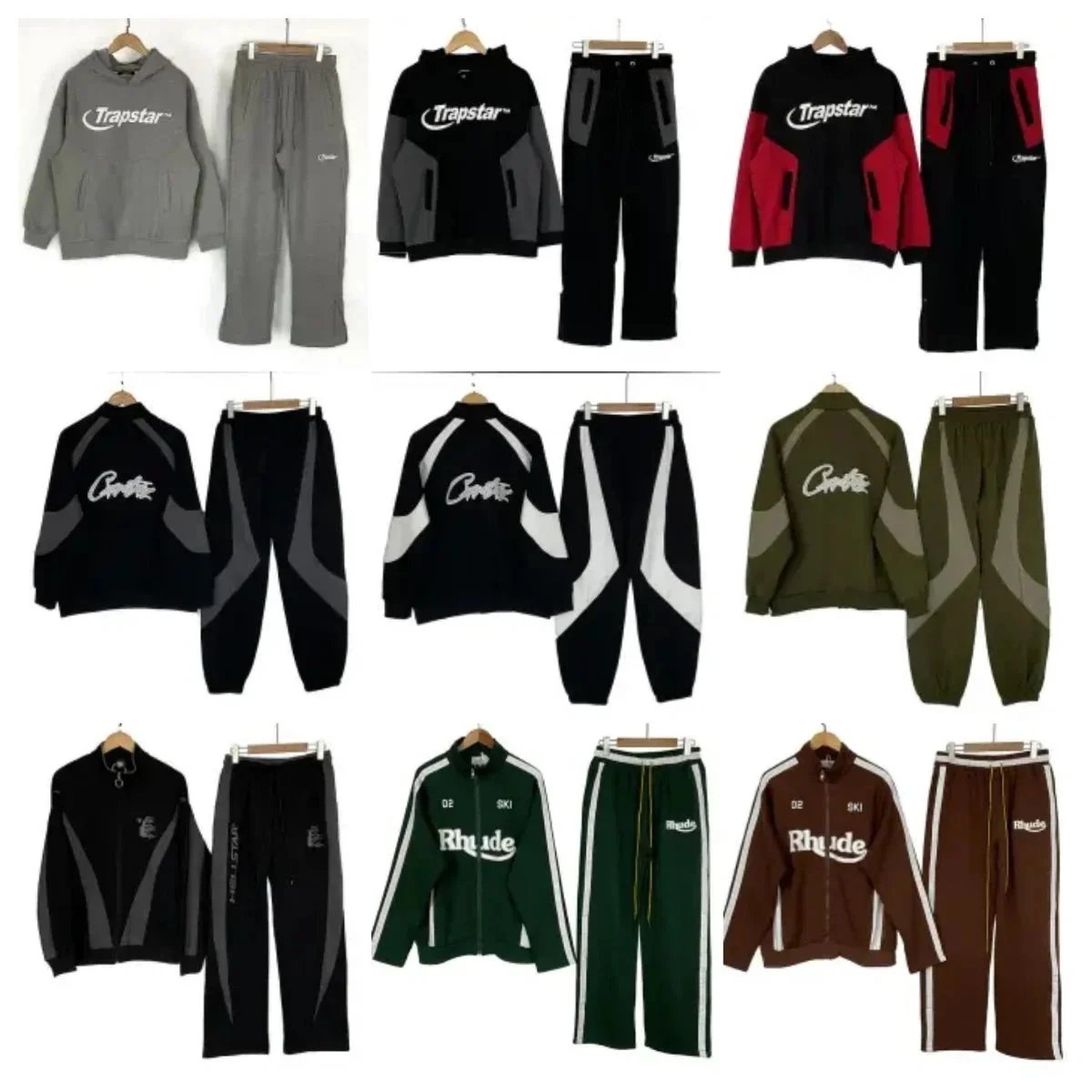
Outfit Set L-001 Casual Hip-Hop Clothing Set | GTBuy spreadsheet | Hubbuycn spreadsheet - 136248

Clothing Set 111 | Wheebuy spreadsheet | BBDBuy spreadsheet - 136980