Cafans Journal
Stories & FindsCAFANS Guide: The Complete Oopbuy Spreadsheet Shopping Resource
CAFANS Guide: Mastering the Oopbuy Spreadsheet
If you have spent any time browsing agent-based shopping communities, you have likely encountered the CAFANS guide and the famous oopbuy spreadsheet. This resource has become a cornerstone for shoppers who want to browse curated product listings, compare prices, and organize their hauls before ordering. In this guide, we break down what the spreadsheet is, how to use it, and how it fits into a broader oopbuy guide strategy. Whether you are a first-time buyer or a seasoned hauler, this oopbuy shopping guide will help you navigate the ecosystem efficiently.
What Is the Oopbuy Spreadsheet?
The oopbuy spreadsheet is a community-maintained document that aggregates oopbuy product links across dozens of categories. Instead of scrolling endlessly through marketplace search results, shoppers open the spreadsheet and find organized rows of items with direct links, prices, sizes, and seller notes. Think of it as a catalog built by buyers, for buyers. The oopbuy spreadsheet guide below explains how to read it, filter it, and convert it into a practical shopping list.
Because the sheet is updated regularly, it functions as a living directory. New finds are added as sellers restock, and outdated links are flagged. This makes the spreadsheet far more reliable than random screenshots or scattered forum posts.
Why Shoppers Rely on the CAFANS Guide
The CAFANS guide complements the spreadsheet by explaining the workflow around it. The sheet tells you what to buy; the guide tells you how to buy it safely. Together they cover link verification, QC photo expectations, shipping line selection, parcel consolidation, and customs considerations. Beginners often start with the oopbuy guide overview, then graduate to spreadsheet browsing once they understand agent fees and warehouse timelines.
How to Use the Oopbuy Spreadsheet Step by Step
1. Open and Duplicate the Sheet
Start by opening the spreadsheet in your browser. Duplicate it to your own drive so your filters and notes are saved. This is the first habit recommended in any serious oopbuy spreadsheet guide.
2. Filter by Category
Use the filter tabs to narrow results. Common categories include hoodies, sneakers, jackets, bags, accessories, and home goods. If you are building a capsule wardrobe, filter to apparel first, then accessories.
3. Verify Links
Click each oopbuy product link to confirm the item is still live. Check the seller rating, size chart, and color options. Screenshot the listing in case it changes later.
4. Build a Cart List
Copy your chosen links into a personal wishlist with quantities and estimated weights. Weight matters because international shipping is calculated volumetrically and by actual weight.
5. Submit and Consolidate
Paste links into your agent's order form. When all items arrive at the warehouse, request QC photos, then consolidate the parcel to reduce shipping costs. This step-by-step flow is the heart of the oopbuy shopping guide.
Reading the Spreadsheet Like a Pro
Experienced users scan the price column first, then the seller column. Sellers with consistent reviews and clear size charts are prioritized. The comments column often reveals fit issues, fabric quality, and whether an item ships quickly. Treat the spreadsheet as a starting point rather than a guarantee: always confirm details on the live listing.
Another pro habit is checking seasonal updates. The sheet tends to refresh around major shopping events, when sellers release new batches. If you bookmark one thing, bookmark the changelog tab.
Common Mistakes to Avoid
- Ordering without checking the size chart on the live link.
- Ignoring warehouse storage deadlines.
- Skipping QC photos to save time, then discovering defects after shipping.
- Consolidating mismatched items that trigger customs scrutiny.
- Using outdated links without verifying the seller.
The CAFANS guide repeatedly stresses verification because small oversights create expensive returns.
Integrating the Spreadsheet With Your Shopping Routine
Treat the spreadsheet as a research tool, not a checkout button. Browse during downtime, save links, and revisit after 24 hours to avoid impulse buys. Cross-reference with community reviews and size guides. If an item appears in multiple sheets, compare pricing before committing.
For repeat hauls, keep a personal master sheet that tracks order dates, warehouse arrival, QC status, and shipping line. This mirrors the structure of the oopbuy spreadsheet and keeps your records organized.
Final Thoughts
The combination of the CAFANS guide and the oopbuy spreadsheet gives shoppers a structured, transparent way to discover products and manage orders. Use the oopbuy guide for process, the oopbuy spreadsheet guide for navigation, and the sheet itself for discovery. With careful verification and smart consolidation, you can turn a chaotic marketplace into a streamlined shopping workflow.
Editor's selection
Popular Products

Sneakers B22 B30 Unisex Classic Sneakers | UIDBuy spreadsheet | BBDBuy spreadsheet - 135717

Outdoor Casual Sneakers | Hipobuy spreadsheet | OOTDBuy spreadsheet | JoyaGoo spreadsheet - 141223

Sneakers 04 Classic Sneakers | LoongBuy spreadsheet | JoyaGoo spreadsheet | USFans spreadsheet - 135678

Sneakers P-0100 Unisex Sneakers | Kakobuy spreadsheet | BBDBuy spreadsheet | MyCNBox spreadsheet - 136114

Graphic Hoodies and Sweatpants Collection LH25 Unisex | Oopbuy spreadsheet | Hipobuy spreadsheet - 140989

Sneakers 2025 Skate Sneakers | MyCNBox spreadsheet | iTaoBuy spreadsheet | USFans spreadsheet - 135965
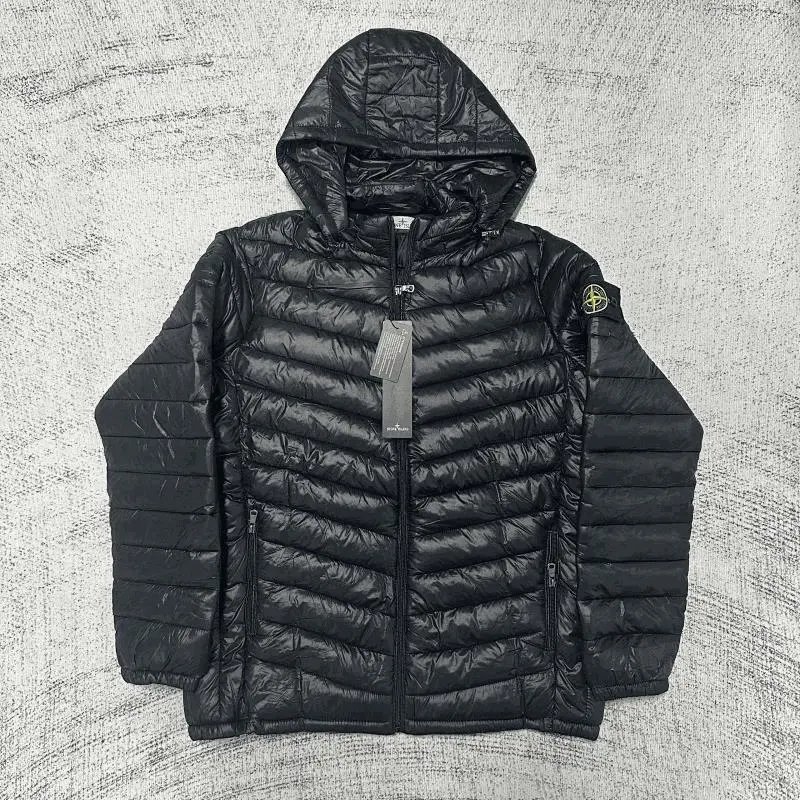
Winter Loose Down Jackets, Sweatshirts and Sweaters 003 | Sugargoo spreadsheet | CSSBuy spreadsheet - 141091