Cafans Journal
Stories & FindsBoonBuy CAFANS Guide: A 1,000-Word Walkthrough for Smarter Shopping
BoonBuy CAFANS Guide: Smarter Shopping, Step by Step
If you have been searching for a clear, practical BoonBuy CAFANS guide, this article is for you. CAFANS is the community shorthand for the workflow that turns browsing into a structured, repeatable routine: compare, assess, filter, assemble, negotiate, and score. Whether you are a first-time buyer or a seasoned reseller, this BoonBuy guide explains how to use the platform's tools, including the BoonBuy spreadsheet, BoonBuy product links, and a disciplined BoonBuy shopping guide mindset, to make better decisions with less wasted time.
What BoonBuy Is and Why CAFANS Matters
BoonBuy is an agent and shopping platform that helps international buyers purchase from Chinese marketplaces. You paste a product link, the platform generates an order, and the warehouse team purchases, inspects, and consolidates your items before international shipping. That sounds simple, but the volume of listings, sellers, sizes, and shipping options can overwhelm anyone. CAFANS solves that by forcing structure onto a chaotic process.
The acronym stands for Compare, Assess, Filter, Assemble, Negotiate, and Score. Each step corresponds to a tool or habit inside the BoonBuy ecosystem. Used together, they reduce impulse buys, catch sizing errors early, and keep shipping costs predictable.
Step 1: Compare With the BoonBuy Spreadsheet
The single most useful habit in this BoonBuy guide is building a comparison sheet. The BoonBuy spreadsheet is a community-maintained template that tracks item name, seller rating, price in CNY, estimated weight, size chart notes, and QC photo status. You can copy a public version or build your own with the same columns.
Comparison prevents the classic mistake of buying the first listing you see. When three sellers offer the same sneaker, the spreadsheet reveals which one has accurate sizing, better review photos, and a lower landed cost. Add a column for the agent fee and a column for estimated international shipping per kilogram. Suddenly the cheapest item is not always the cheapest order.
Keep the sheet synced with your BoonBuy product links. Paste each URL into the sheet next to the item, so reordering or sharing with a friend takes seconds. Many users also add a tab for wishlist items and a tab for active orders, which keeps the whole journey in one file.
Step 2: Assess Listings and Quality
Assessment means reading listings critically. Check seller ratings, return policies, and real customer photos. On clothing, compare the size chart against your own measurements rather than trusting the label. On electronics, confirm voltage and plug type. On cosmetics, verify expiry dates. A good BoonBuy shopping guide always reminds you that the warehouse inspection is your safety net, but prevention is cheaper than a return.
Use the platform's QC photo service for higher-value items. Request detailed angles, measurements, and defect close-ups. Store those photos in your spreadsheet so you have evidence if a dispute arises.
Step 3: Filter Ruthlessly
Filtering is about saying no. Set a budget ceiling, a weight ceiling, and a rule for how many items you will consolidate per parcel. Filter out sellers with inconsistent reviews, listings without size charts, and products that duplicate something you already own. The BoonBuy guide philosophy is that a smaller, well-chosen cart beats a large, regret-filled one.
Filtering also applies to shipping lines. Compare carriers by weight bracket, battery restrictions, and delivery time. A slightly higher freight rate can be worth it when the line has better tracking and fewer customs delays.
Step 4: Assemble and Consolidate
Assembly is where the BoonBuy spreadsheet pays off. Group items by warehouse arrival date and by shipping line compatibility. Consolidation saves money because you pay one base fee instead of several. But do not over-pack: extremely heavy parcels can trigger higher fees and more scrutiny. Aim for a balanced parcel that matches the carrier's sweet spot.
When items arrive at the warehouse, review QC photos promptly. Approve, exchange, or return within the storage window. Delays cost money, and forgotten items can incur storage fees.
Step 5: Negotiate and Communicate
Negotiation is not only about price. It is about clarity. Ask sellers about measurements, fabric, or batch differences. Ask the agent about shipping options and declared value. Clear questions produce clear answers, and clear answers reduce surprises. Keep a short template of questions in your spreadsheet so you can reuse it across listings.
Remember that BoonBuy product links sometimes change or expire. If a link dies, ask the agent whether the same seller has a new listing before jumping to a different store.
Step 6: Score and Improve
Scoring closes the loop. After each order, rate the seller, the agent service, and the shipping line. Note what went wrong and what went right. Over time, your spreadsheet becomes a personal database of reliable sellers and carriers. That is the real power of a BoonBuy shopping guide: it compounds.
Final Checklist
- Open the BoonBuy spreadsheet and create tabs for wishlist, orders, and scoring.
- Paste BoonBuy product links next to every candidate item.
- Compare at least three sellers before buying.
- Assess size charts and request QC photos for expensive goods.
- Filter by budget, weight, and carrier compatibility.
- Assemble a balanced parcel and review QC images quickly.
- Negotiate with clear, specific questions.
- Score every order and update your sheet.
Follow this BoonBuy CAFANS guide consistently and the platform becomes far less intimidating. The BoonBuy spreadsheet turns memory into data, BoonBuy product links keep sourcing organized, and the BoonBuy shopping guide habits keep costs honest. Whether you are buying fashion, home goods, electronics accessories, or hobby supplies, the CAFANS method gives you a repeatable path from discovery to delivery.
Editor's selection
Popular Products

Sneakers B22 B30 Unisex Classic Sneakers | UIDBuy spreadsheet | BBDBuy spreadsheet - 135717

Outdoor Casual Sneakers | Hipobuy spreadsheet | OOTDBuy spreadsheet | JoyaGoo spreadsheet - 141223

Sneakers 04 Classic Sneakers | LoongBuy spreadsheet | JoyaGoo spreadsheet | USFans spreadsheet - 135678

Sneakers P-0100 Unisex Sneakers | Kakobuy spreadsheet | BBDBuy spreadsheet | MyCNBox spreadsheet - 136114

Sneakers 2025 Skate Sneakers | MyCNBox spreadsheet | iTaoBuy spreadsheet | USFans spreadsheet - 135965
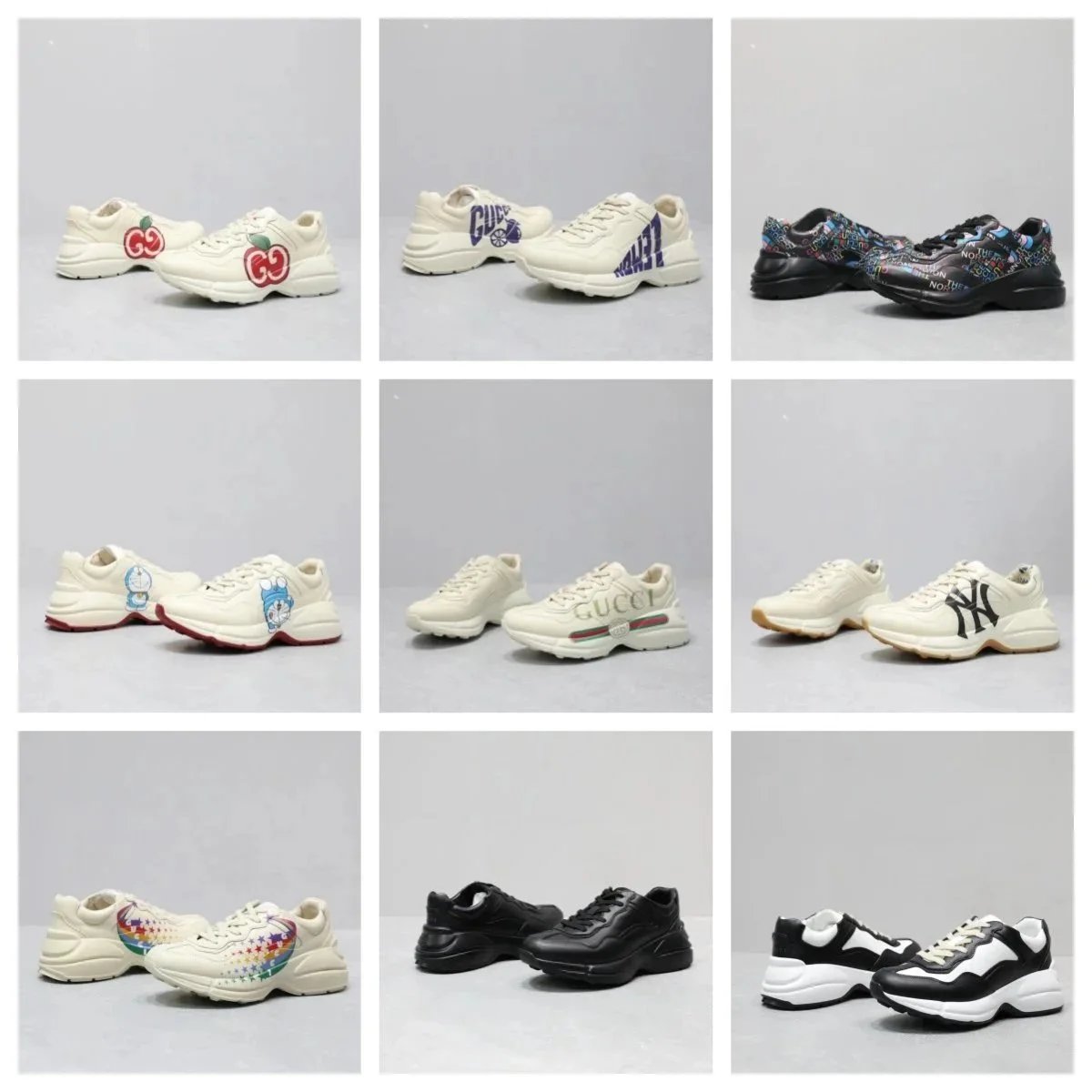
Sneakers BY03-CY Unisex Chunky Sneakers | Wheebuy spreadsheet | Lovegobuy spreadsheet - 141219
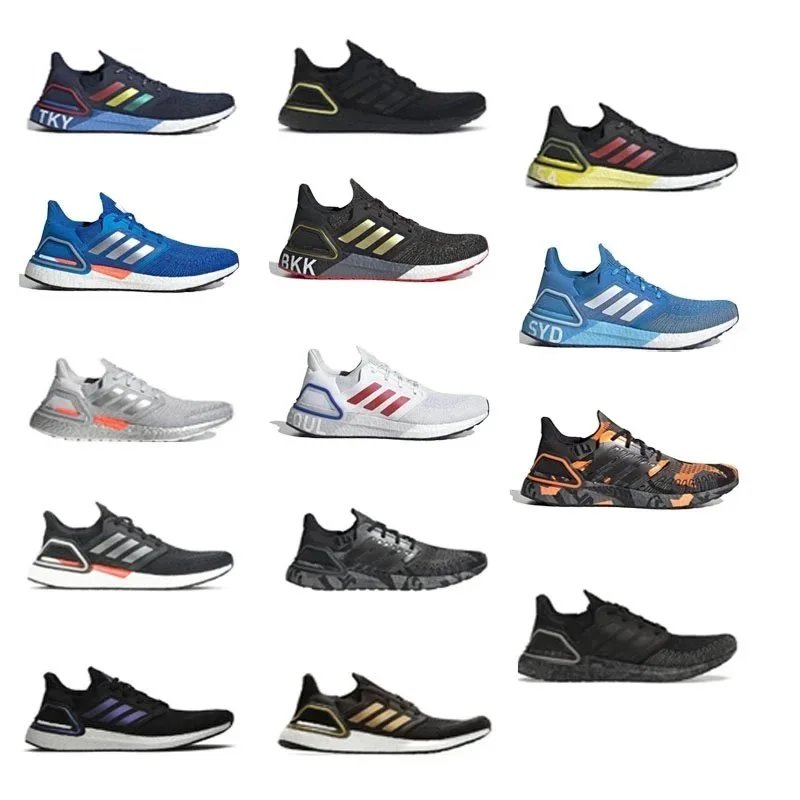
Ads Ultra Boost 20 Sneakers | Kakobuy spreadsheet | Hubbuycn spreadsheet | Hipobuy spreadsheet - 135679
