Cafans Journal
Stories & FindsSugargoo Guide: The Complete CAFANS Walkthrough for 2026
Sugargoo Guide: The Complete CAFANS Walkthrough
If you have spent any time in the replica and streetwear community, you have probably come across the term CAFANS. This Sugargoo guide breaks down what CAFANS means, how it connects to the Sugargoo shopping guide experience, and how to use the Sugargoo spreadsheet and Sugargoo product links to build a smarter haul. Whether you are a first-time agent user or a seasoned buyer, this walkthrough covers the essentials in plain English.
What Is CAFANS?
CAFANS is community shorthand for the major agent platforms discussed in replica circles, and Sugargoo is one of the most recognized names in that group. The acronym is used loosely across forums, Discord servers, and subreddits to describe the family of shopping agents that let you buy from Chinese marketplaces and consolidate items into a single international parcel. In practice, CAFANS-style shopping means you browse listings, paste product links into your agent, pay in your own currency, and receive QC (quality control) photos before shipping.
The term is not an official brand. It is informal community vocabulary, and that is exactly why a clear Sugargoo guide matters. New buyers often hear CAFANS mentioned alongside terms like "agent," "rehearsal," "haul," and "declare value" without context. This article fills that gap.
Why Sugargoo Fits the CAFANS Workflow
Sugargoo is an agent that supports the core CAFANS workflow: link submission, warehouse storage, consolidation, and international delivery. The platform offers multiple shipping lines, a user-friendly dashboard, and a service culture built around QC photos. For many shoppers, the appeal is the balance between usability and cost. The Sugargoo shopping guide below explains how to move from browsing to parcel delivery without unnecessary steps.
One point to note: agent fees, shipping rates, and line availability change over time and vary by destination country. Always verify current pricing and restrictions inside your own account before committing to a haul.
Step 1: Understand the Sugargoo Spreadsheet
The Sugargoo spreadsheet is the community-curated list of product links that many buyers use as a starting point. Instead of searching marketplace listings one by one, you can browse a structured sheet organized by category, seller, and sometimes price band. These sheets are maintained by community members, not by Sugargoo itself, so accuracy can vary.
Use the spreadsheet as a discovery tool. Cross-check links before ordering, read recent reviews where possible, and confirm sizing charts. A good Sugargoo guide always reminds you that a spreadsheet is a map, not a guarantee.
Step 2: Collect Sugargoo Product Links
Sugargoo product links are the bridge between discovery and purchase. When you find an item on a marketplace, copy the URL and paste it into the Sugargoo search or submission bar. The platform parses the listing, shows available options, and lets you select color, size, and quantity. This is the moment to check the listing details carefully: material descriptions, measurements, and seller ratings all matter.
Keep a personal notes file of links you are considering. Group them by category so you can consolidate efficiently later. A clear link list also makes it easier to request specific QC angles, such as close-ups of stitching or labels.
Step 3: Follow a Practical Sugargoo Shopping Guide
A reliable Sugargoo shopping guide should cover more than ordering. Here is a practical sequence:
- Account setup: Register, verify your email, and add a payment method. Review the service fee structure.
- Link submission: Paste Sugargoo product links and confirm variant details before paying.
- Order confirmation: The agent purchases from the seller. Timelines vary by seller responsiveness.
- Warehouse receipt: Items arrive at the Sugargoo warehouse. Free storage periods apply, so check the current policy.
- QC photos: Review images carefully. Request extra angles if something looks off, and decide whether to keep or return.
- Consolidation and rehearsal: Combine items, remove unnecessary packaging, and request a rehearsal to estimate final weight and volume.
- Shipping line selection: Compare cost, speed, and tracking quality for your country. Declare a reasonable value according to local rules.
- Tracking and delivery: Monitor the parcel and keep records until it arrives.
This Sugargoo guide emphasizes preparation. The more you verify before shipping, the fewer surprises you face at customs or on the scale.
Step 4: Avoid Common Mistakes
Even experienced buyers make avoidable errors. Watch for these:
- Skipping QC photos or accepting blurry images without follow-up.
- Ignoring volumetric weight, which can raise shipping costs for bulky items.
- Ordering from sellers with no recent feedback.
- Forgetting to check restricted items for your destination country.
- Declaring unrealistic values that invite inspection.
- Letting warehouse storage expire and incurring fees.
A thoughtful Sugargoo guide should also mention patience. Seller response times, warehouse processing, and international transit all add up, especially during peak seasons.
Step 5: Build a Smarter Haul
Consolidation is where the CAFANS model shines. By combining multiple orders into one parcel, you reduce per-item shipping overhead. Use the Sugargoo spreadsheet to plan categories in advance, collect Sugargoo product links in a single list, and follow this Sugargoo shopping guide for each stage. Review the Sugargoo guide resources in your community, but always confirm details on the official platform.
Finally, stay flexible. Shipping lines change, fees adjust, and seller inventories shift. The best approach is a repeatable process: discover, verify, order, inspect, consolidate, and ship. Master that loop and the CAFANS workflow becomes second nature.
Editor's selection
Popular Products
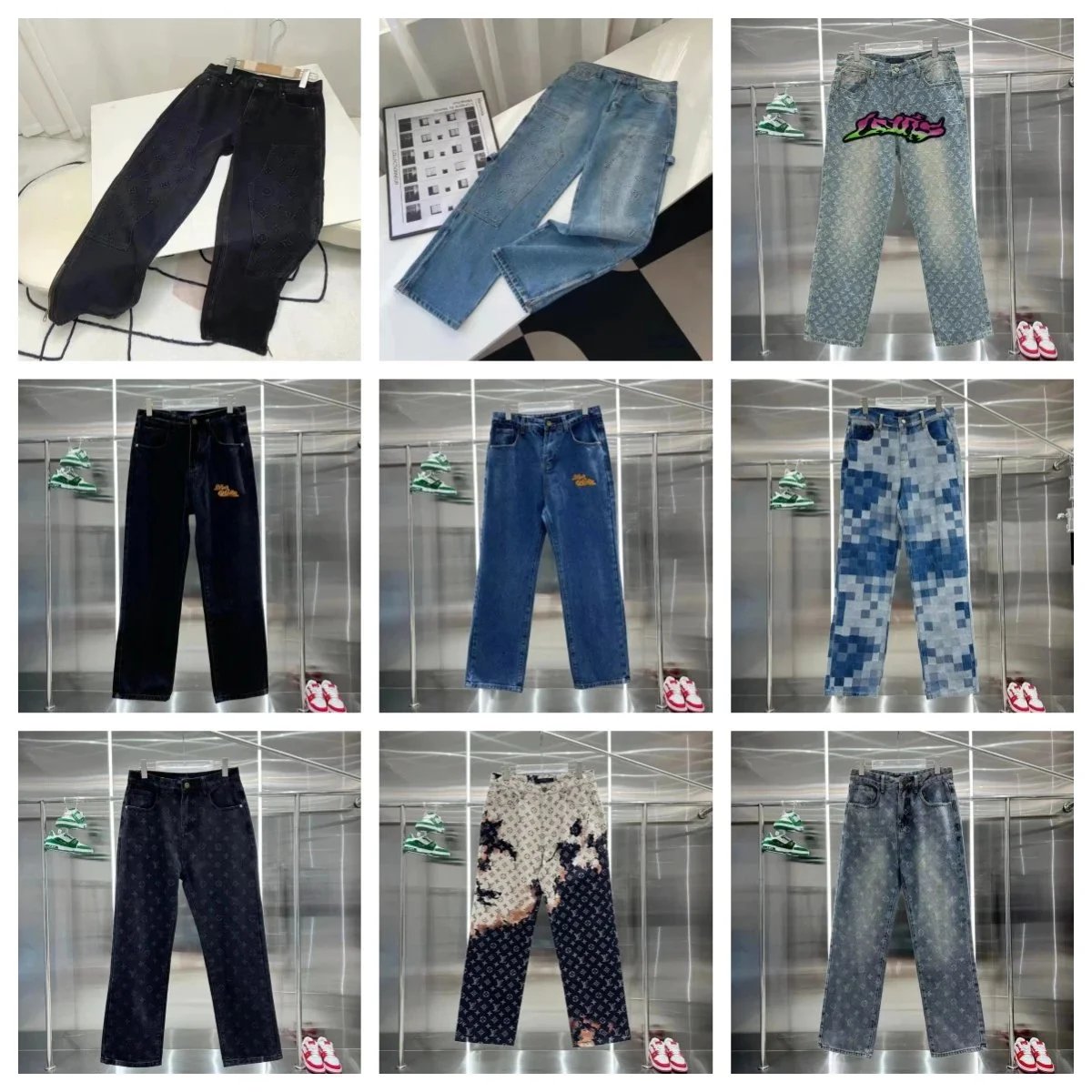
Pants Pants 001 | iTaoBuy spreadsheet | Wheebuy spreadsheet | Oopbuy spreadsheet - 141036

Outdoor Casual Sneakers | Hipobuy spreadsheet | OOTDBuy spreadsheet | JoyaGoo spreadsheet - 141223
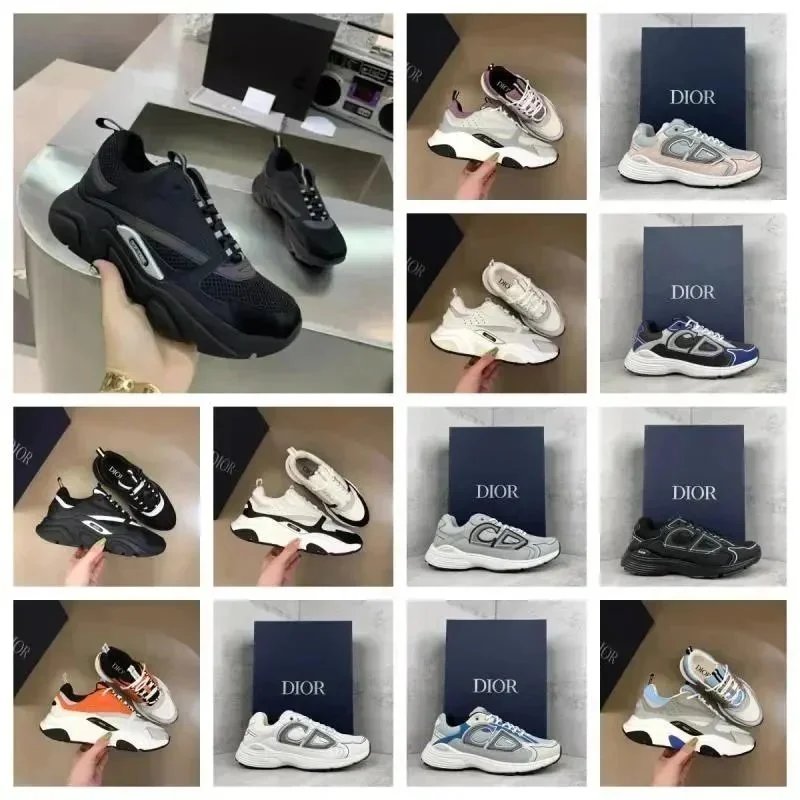
Sneakers B22 B30 Unisex Classic Sneakers | UIDBuy spreadsheet | BBDBuy spreadsheet - 135717

Sneakers 04 Classic Sneakers | LoongBuy spreadsheet | JoyaGoo spreadsheet | USFans spreadsheet - 135678

Shoes Ph076 Breathable Running Shoes | CSSBuy spreadsheet | LoongBuy spreadsheet - 136150
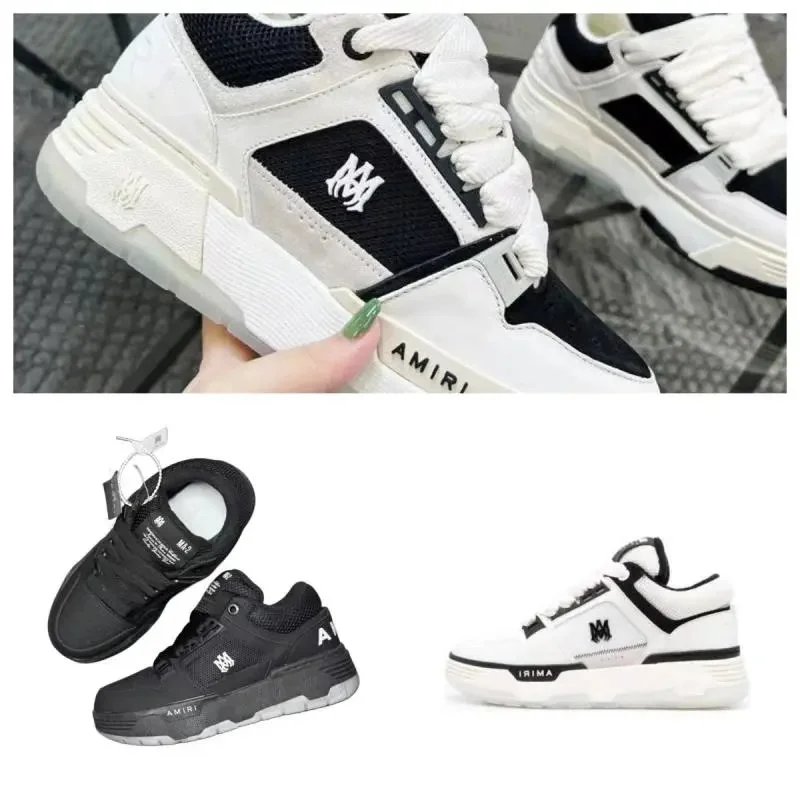
Sneakers P-0100 Unisex Sneakers | Kakobuy spreadsheet | BBDBuy spreadsheet | MyCNBox spreadsheet - 136114
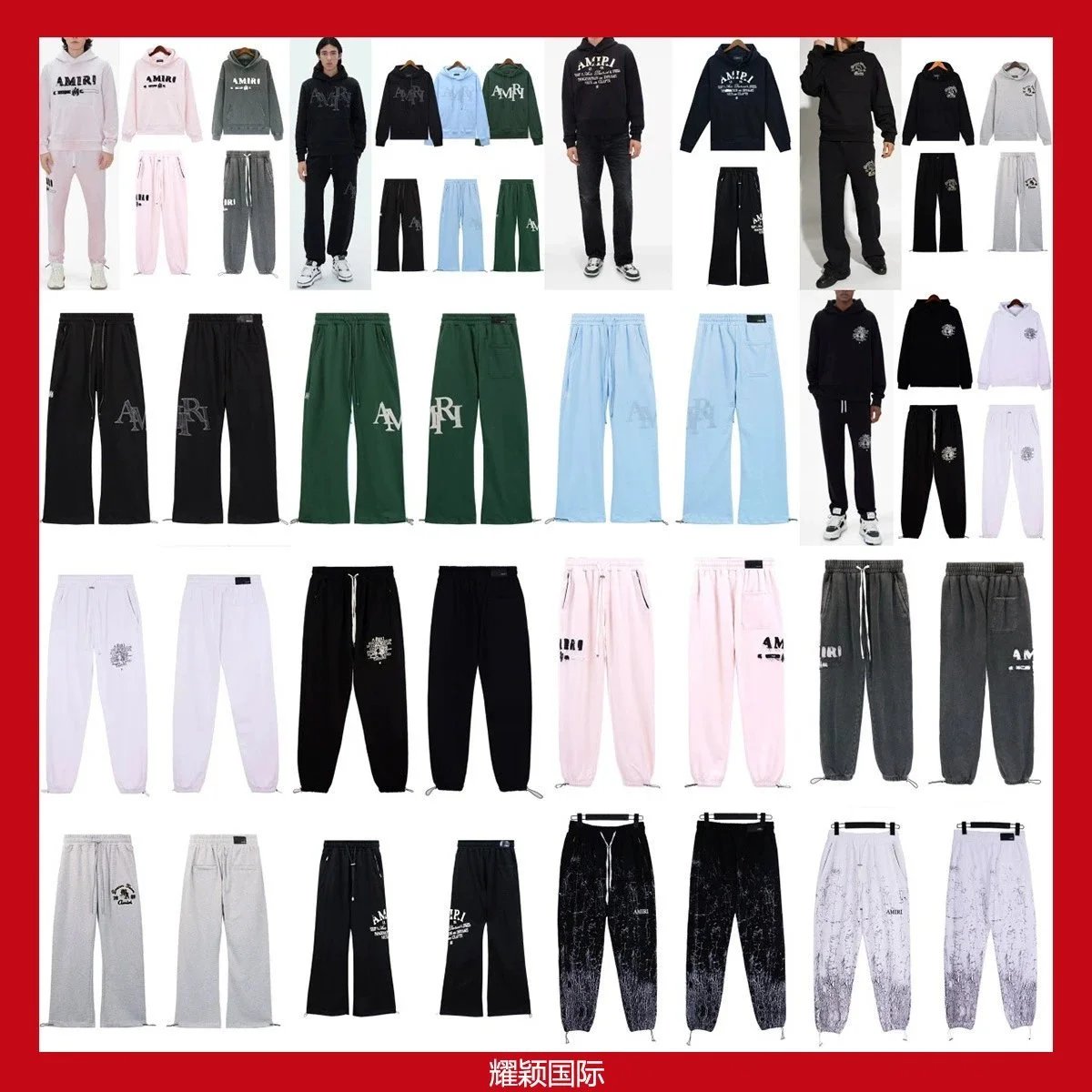
Graphic Hoodies and Sweatpants Collection LH25 Unisex | Oopbuy spreadsheet | Hipobuy spreadsheet - 140989
