Cafans Journal
Stories & FindsParcel Up: The Complete CAFANS Guide to Smarter Parcel Shopping
Parcel Up is the practice of grouping parcels, consolidating deliveries, and planning purchases so that every shipment works harder for you. This CAFANS guide explains how to use a Parcel Up spreadsheet, follow a repeatable Parcel Up guide, evaluate Parcel Up product links, and apply a practical Parcel Up shopping guide to everyday orders. Whether you are a casual shopper or a serious deal hunter, parcel planning turns scattered purchases into a coordinated system.
What Is Parcel Up?
Parcel Up means preparing each order before it ships: checking stock, comparing shipping costs, confirming dimensions, and deciding whether to consolidate several items into one delivery. The goal is fewer wasted trips, lower freight charges, and clearer tracking. A well-run Parcel Up workflow also reduces returns because you verify size, colour, and compatibility before checkout.
At its core, Parcel Up relies on three habits: planning ahead, recording details, and reviewing results. Planning prevents duplicate orders. Recording keeps every tracking number, order reference, and delivery window visible. Reviewing shows which suppliers, couriers, and product categories consistently perform well.
Build a Parcel Up Spreadsheet
A Parcel Up spreadsheet is the backbone of the system. Start with columns for order date, supplier, product name, product link, unit price, quantity, estimated weight, shipping method, tracking number, expected arrival, actual arrival, and status. Add a notes column for packaging condition, missing accessories, or customs paperwork. Colour-code rows by status: planned, ordered, in transit, delivered, and returned.
Use formulas to total spend per week and per supplier. A simple pivot table reveals which categories drive most of your shipping cost. Keep a separate tab for parcel consolidation: list items that could ship together, note combined weight and volume, and compare single-parcel versus consolidated quotes. Review the sheet every Friday and archive completed rows monthly so the working view stays readable.
A Step-by-Step Parcel Up Guide
Follow this Parcel Up guide for each purchase cycle. Step one: define what you need and set a budget. Step two: collect product links and record price, dimensions, and shipping terms. Step three: check stock and lead times, then decide whether to wait for a consolidated shipment. Step four: place orders and log tracking numbers immediately. Step five: monitor transit milestones and flag delays early. Step six: inspect deliveries on arrival, photograph packaging, and update the spreadsheet. Step seven: review the cycle and adjust your supplier list.
This rhythm keeps your Parcel Up process predictable. When something goes wrong, the spreadsheet shows exactly where the delay occurred, which makes follow-up faster and more professional.
Evaluating Parcel Up Product Links
Parcel Up product links deserve careful attention. Save the exact URL, not a search result page, because listings change. Record the variant selected, such as size, colour, or capacity, since links often default to the cheapest option. Screenshot the listing at purchase time to document the advertised specification.
Before committing, compare the linked product against similar items: check material, warranty, return window, and shipping origin. Verify that the seller ships to your region and confirm any duties or handling fees. A tidy link log prevents the classic mistake of reordering the wrong variant or paying a higher price from a different listing.
The Parcel Up Shopping Guide
Use this Parcel Up shopping guide to keep spending disciplined. Buy in planned batches, group items from the same supplier, and prioritise sellers with transparent tracking. Avoid impulse add-ons that increase weight without adding value. Compare courier options for each batch rather than defaulting to the fastest service. Track seasonal sales but keep the spreadsheet as the source of truth.
For returns, note the deadline and the return address before the parcel arrives. Keep original packaging until inspection is complete. If a parcel is damaged, photograph it before opening fully and contact the courier promptly. These small habits make the Parcel Up method reliable over the long term.
Common Parcel Up Mistakes
The most frequent errors are missing tracking numbers, duplicate orders, unrecorded variants, and ignored consolidation opportunities. Others include estimating weight poorly, forgetting customs thresholds, and failing to review supplier performance. Each mistake is cheap to prevent with a disciplined Parcel Up spreadsheet and a short weekly review.
Conclusion
Parcel Up is less about tools and more about consistency. Build the spreadsheet, follow the guide, inspect product links, and shop with a plan. Over a few cycles you will see lower shipping costs, fewer surprises, and a clear record of every parcel from order to delivery.
Editor's selection
Popular Products

Tracksuit Set FL11-002ph Zip-Up Hoodie and Joggers Set | iTaoBuy spreadsheet | USFans spreadsheet - 142721
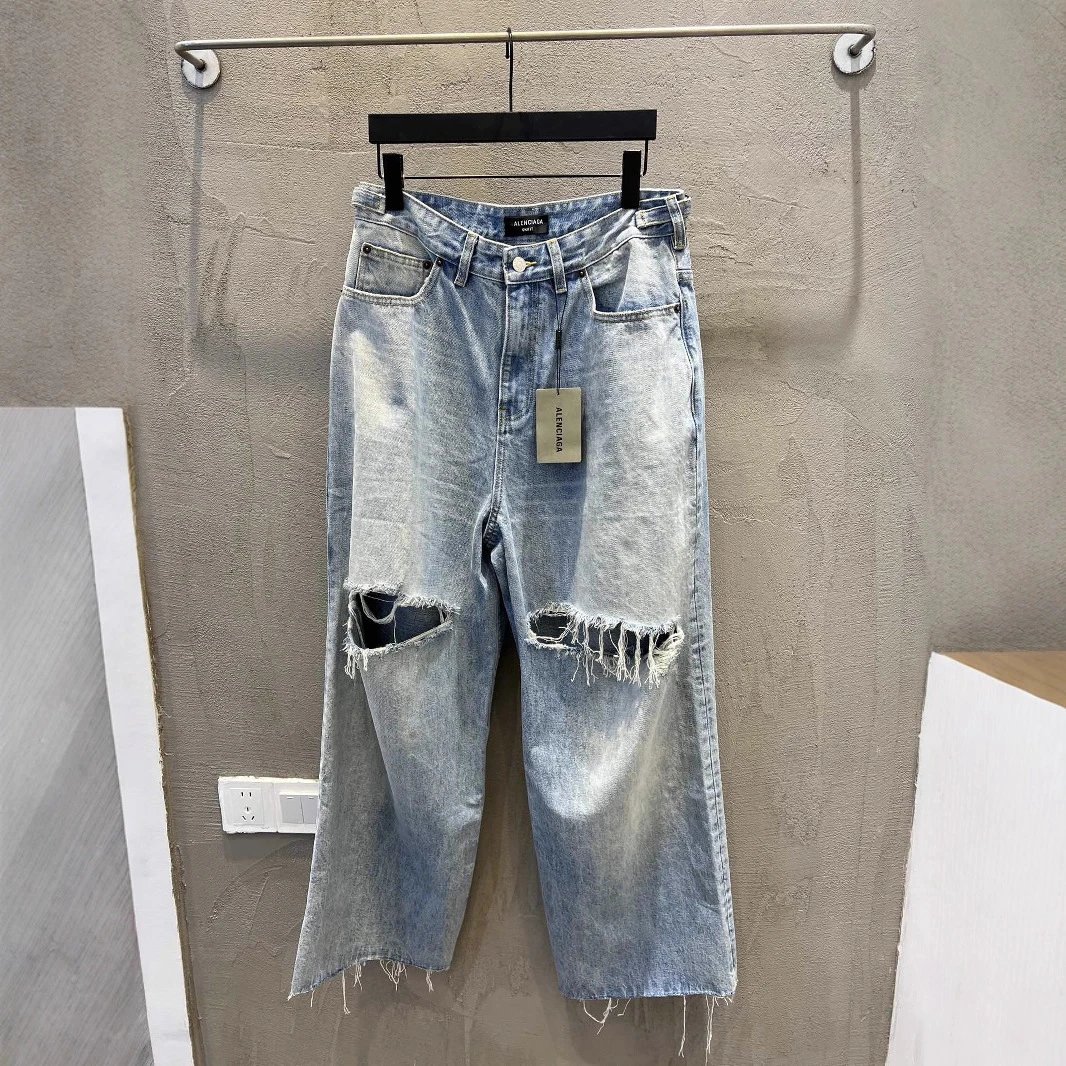
Relaxed-Fit Ripped Jeans - 172669

CRH-08 Casual Everyday Skate Shoes - 170048

Slippers - Footwear Style - 172822
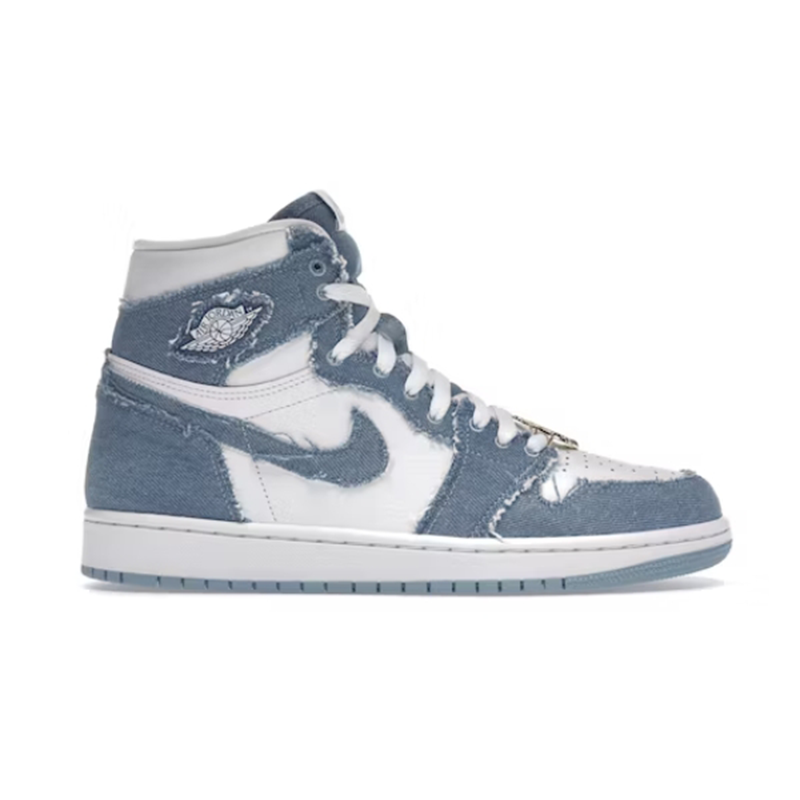
Sneakers Jordan 1 Retro High OG Denim Sneakers | CSSBuy spreadsheet | Rizzitgo spreadsheet - 158282

UK Adwysd Always Do What You Should Do T-Shirt | Wheebuy spreadsheet | CSSBuy spreadsheet - 143477
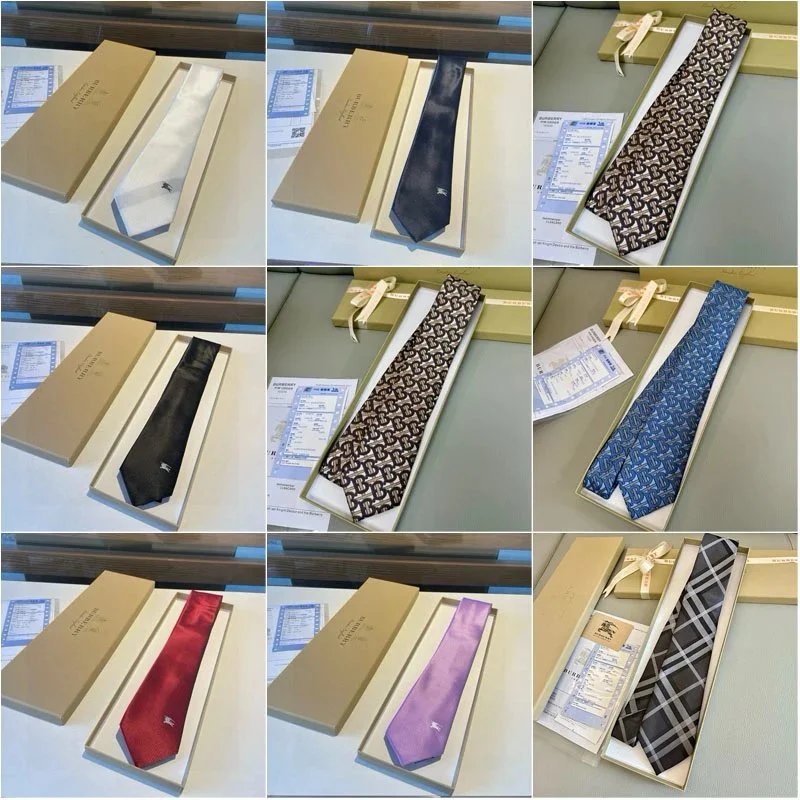
Burberry Necktie | Wheebuy spreadsheet | GTBuy spreadsheet | Sugargoo spreadsheet - 155234