Cafans Journal
Stories & FindsRizzitgo: The Complete English CAFANS Guide
Welcome to the complete English CAFANS guide to Rizzitgo. If you have been searching for a clear, practical walkthrough of how Rizzitgo works and how to get the most out of it, this is the place to start. This Rizzitgo guide covers the platform's core ideas, its workflow, and the habits that separate casual users from confident ones. We also explain how a Rizzitgo spreadsheet supports better decisions, how Rizzitgo product links fit into a smooth Rizzitgo shopping guide, and which everyday product categories appear most often.
What Is Rizzitgo?
Rizzitgo is a modern discovery and shopping companion built around clarity. Instead of endless scrolling through cluttered feeds, Rizzitgo organizes items, ideas, and options into structured views. The platform combines a searchable catalog, comparison-friendly layouts, and shareable references. For newcomers, the biggest adjustment is simply learning the vocabulary: collections, links, sheets, and lists. Once those concepts click, the rest of the Rizzitgo experience becomes intuitive.
Think of Rizzitgo as a bridge between inspiration and purchase. You spot something interesting, save it, compare alternatives, and only then commit. That pause is valuable. It reduces impulse buys and turns scattered browsing into a deliberate routine.
Getting Started: First Steps
Begin by setting up your profile and preferences. Choose the categories you care about, whether that means electronics, home essentials, fashion accessories, or hobby gear. Next, build your first collection. A collection is simply a themed folder, for example "desk setup" or "weekend travel." Add a few Rizzitgo product links to test the flow. Verify that titles, images, and prices display correctly, and note anything that needs a manual edit.
From there, create your first Rizzitgo spreadsheet. Even a small sheet with five columns, such as item name, category, price, rating, and notes, immediately improves decision quality. The spreadsheet becomes your memory. When a new option appears, you log it instead of forgetting it.
How the Rizzitgo Spreadsheet Works
The Rizzitgo spreadsheet is the analytical heart of the platform. It lets you line up candidates side by side and judge them on consistent criteria. A practical template includes: product name, vendor, price, shipping cost, estimated delivery, warranty, review score, and a personal priority score. Add a conditional highlight for anything above your budget, and a second highlight for items you have already shortlisted.
Three habits make the sheet genuinely useful. First, update it within a day of finding an item, while context is fresh. Second, keep notes short and factual. Third, review the sheet weekly rather than daily. Weekly review prevents overthinking and reveals patterns, such as repeatedly rejecting a category because of shipping delays. Over time, the Rizzitgo spreadsheet turns vague preferences into clear rules.
Using Rizzitgo Product Links
Rizzitgo product links are the connectors between your research and the actual item page. A clean link workflow looks like this: capture the link, paste it into the spreadsheet, confirm the destination, and tag it with a short label. Avoid dumping raw URLs into chat threads; they get lost. Instead, group links by project so a friend or colleague can follow your reasoning.
When sharing links, add one sentence of context. “This one has the better warranty” is more useful than a bare URL. Also re-check links before purchase, since prices and availability change. Broken or redirected links are common, and a quick verification saves frustration later.
The Rizzitgo Shopping Guide in Practice
A disciplined Rizzitgo shopping guide follows five stages: discover, shortlist, compare, verify, and buy. In the discover stage, browse broadly and save freely. In the shortlist stage, cut your list to five or fewer candidates. In the compare stage, rely on the spreadsheet columns. In the verify stage, confirm stock, return policy, and delivery estimates. Only then proceed to purchase.
Set a decision deadline for each project. Without one, comparison becomes a hobby of its own. A simple rule works well: if two options are within five percent on price and score, choose the one with the better return policy and move on. This single rule resolves most stalled decisions.
Common Product Categories
Across typical Rizzitgo usage, several product categories appear again and again: consumer electronics such as headphones and chargers, home and kitchen essentials, desk accessories and office gear, fashion accessories, fitness equipment, travel bags and organizers, pet supplies, and small gadgets. Users also frequently research skincare and personal care items, stationery, and smart home devices. Knowing the common categories helps you structure collections and spreadsheet tabs from day one.
Mistakes to Avoid
New users often save too much and review too little. Others copy prices without checking shipping and tax, which distorts comparisons. A third common error is treating the platform as a pure wishlist rather than a decision tool. Add dates, deadlines, and priorities to every entry, and the Rizzitgo experience stays sharp instead of drifting into clutter.
Conclusion
Rizzitgo rewards structure. Start with a profile, build themed collections, log every candidate in the Rizzitgo spreadsheet, and treat Rizzitgo product links as evidence rather than decoration. Follow the five-stage Rizzitgo shopping guide, set deadlines, and keep notes brief. Do that, and this Rizzitgo guide becomes a repeatable system you can apply to any purchase, in any category, at any budget.
Editor's selection
Popular Products
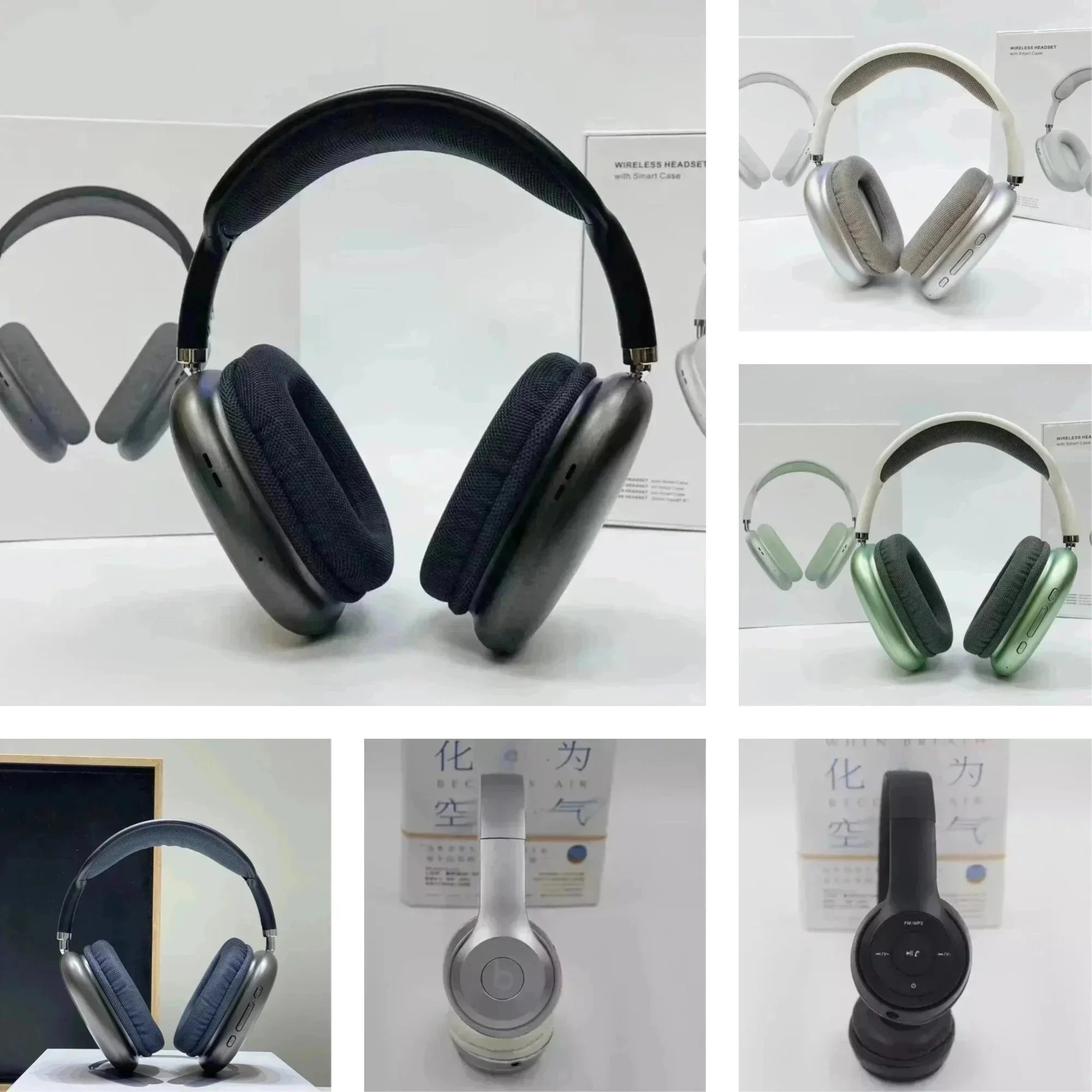
LL55 Earphones, Watches and Chargers | LoongBuy spreadsheet | iTaoBuy spreadsheet - 136789
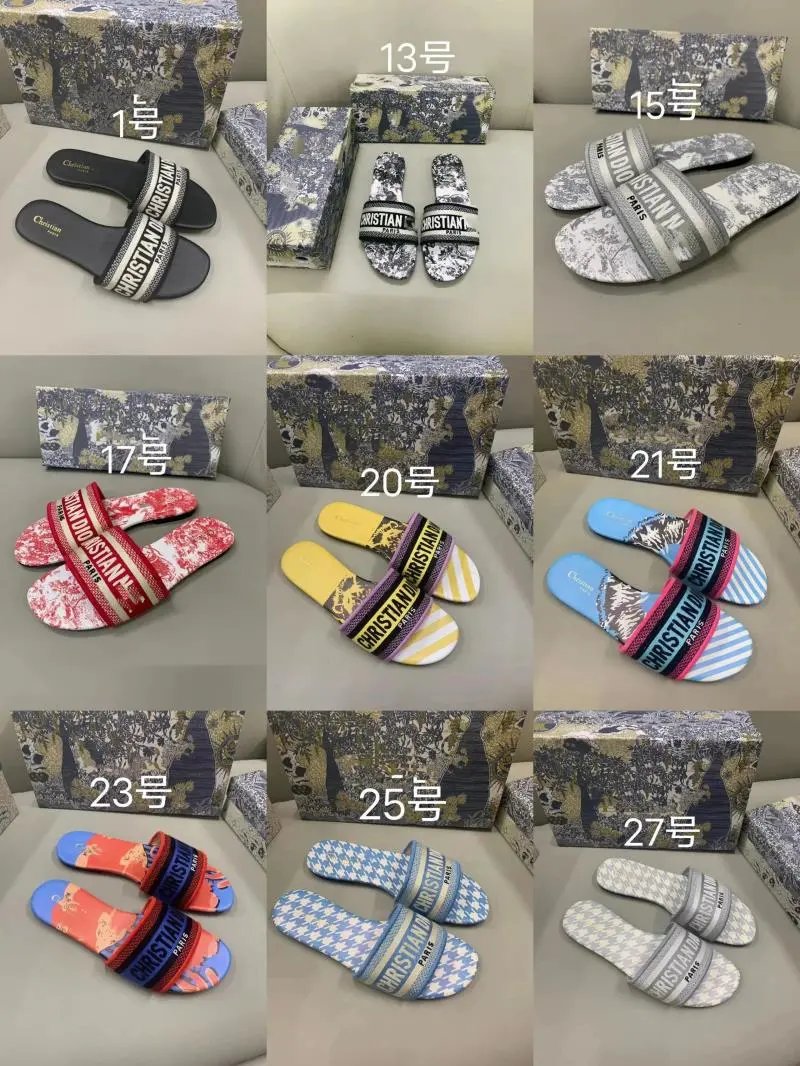
DS Slippers | Wheebuy spreadsheet | LoongBuy spreadsheet | Lovegobuy spreadsheet - 135724
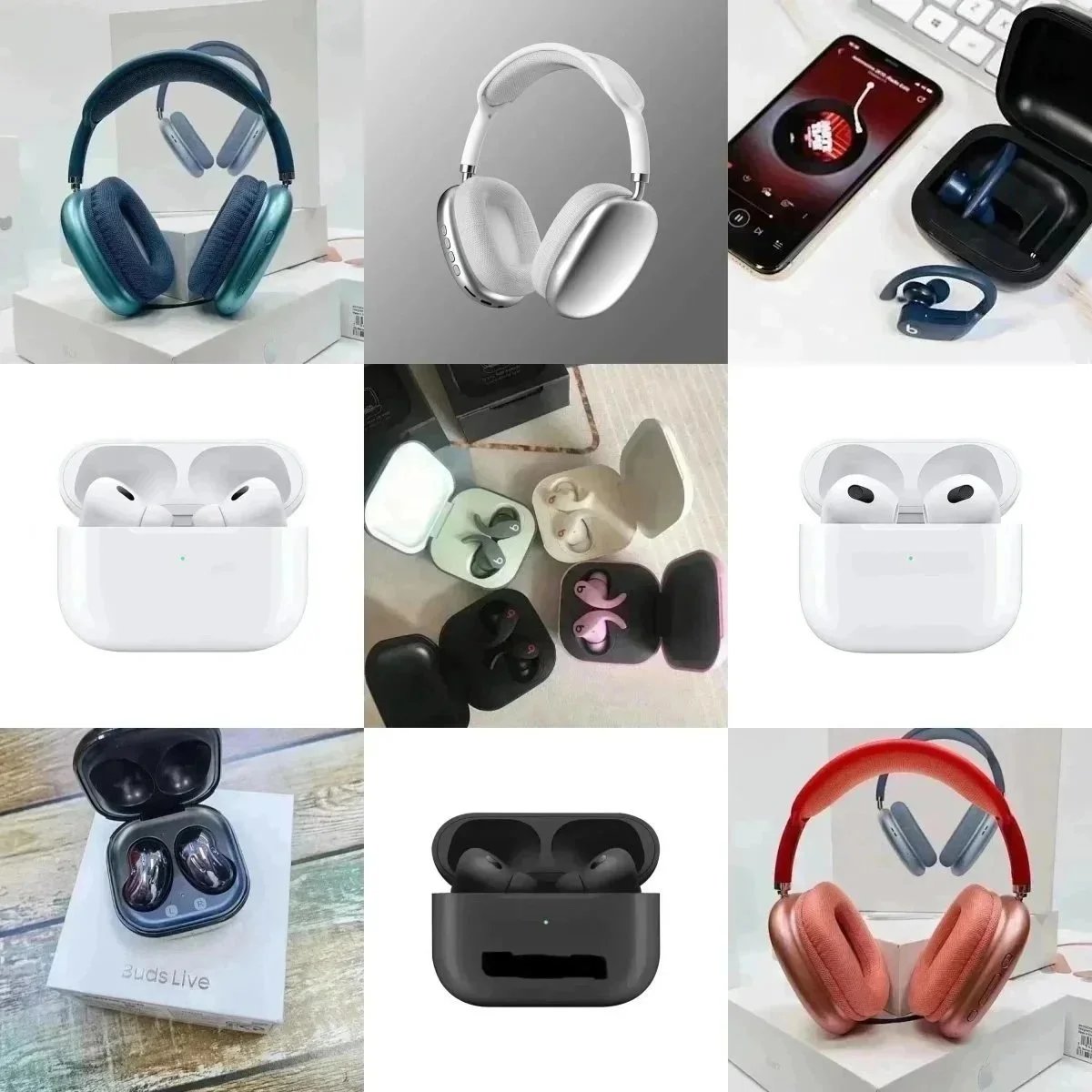
Headphones LL55 Portable Wireless Bluetooth Earphones | OOTDBuy spreadsheet | JoyaGoo spreadsheet - 141150

Headphones Earphones 003 | BBDBuy spreadsheet | Hipobuy spreadsheet | UIDBuy spreadsheet - 136795
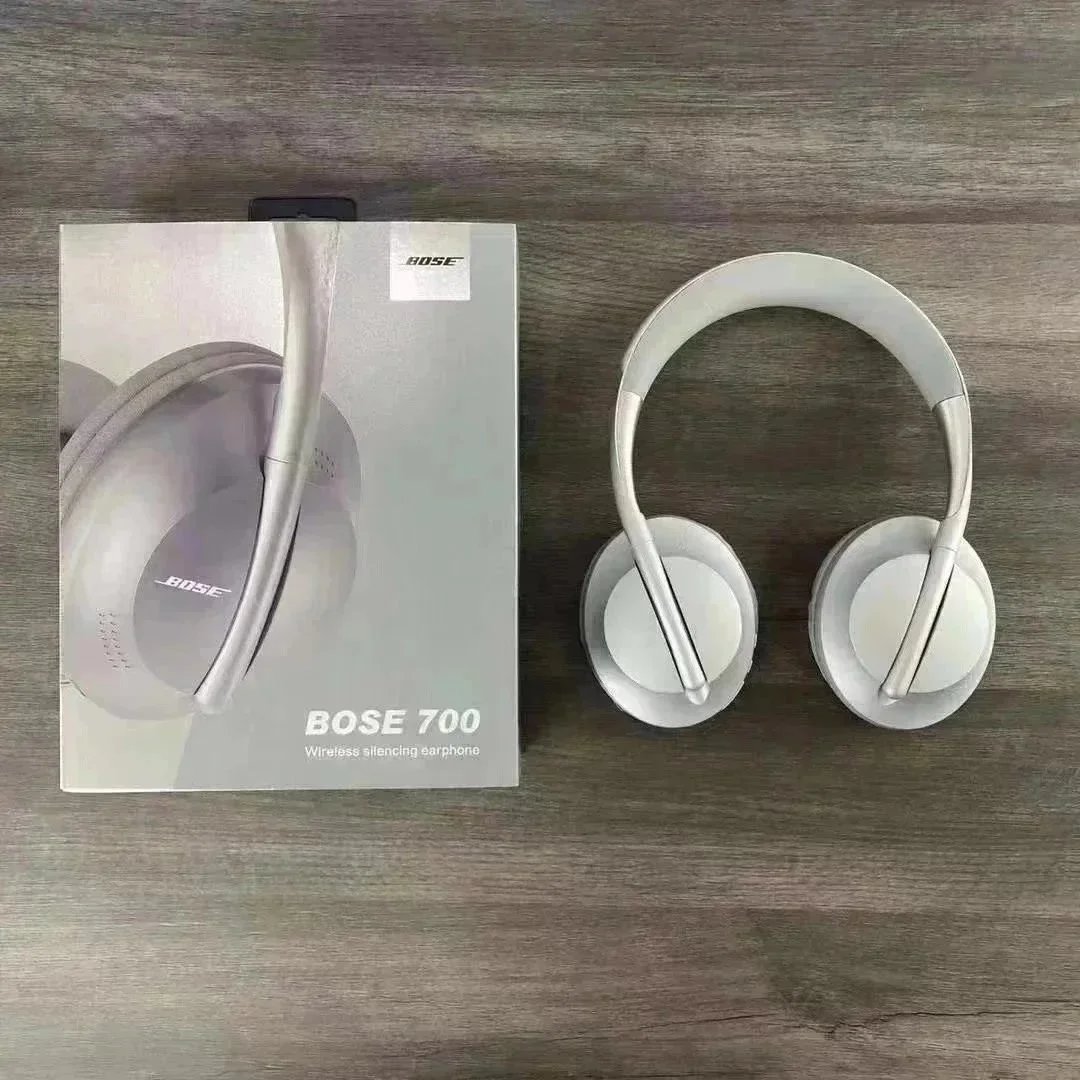
Headphones LD03 Earphones | Litbuy spreadsheet | GTBuy spreadsheet | Kakobuy spreadsheet - 137491
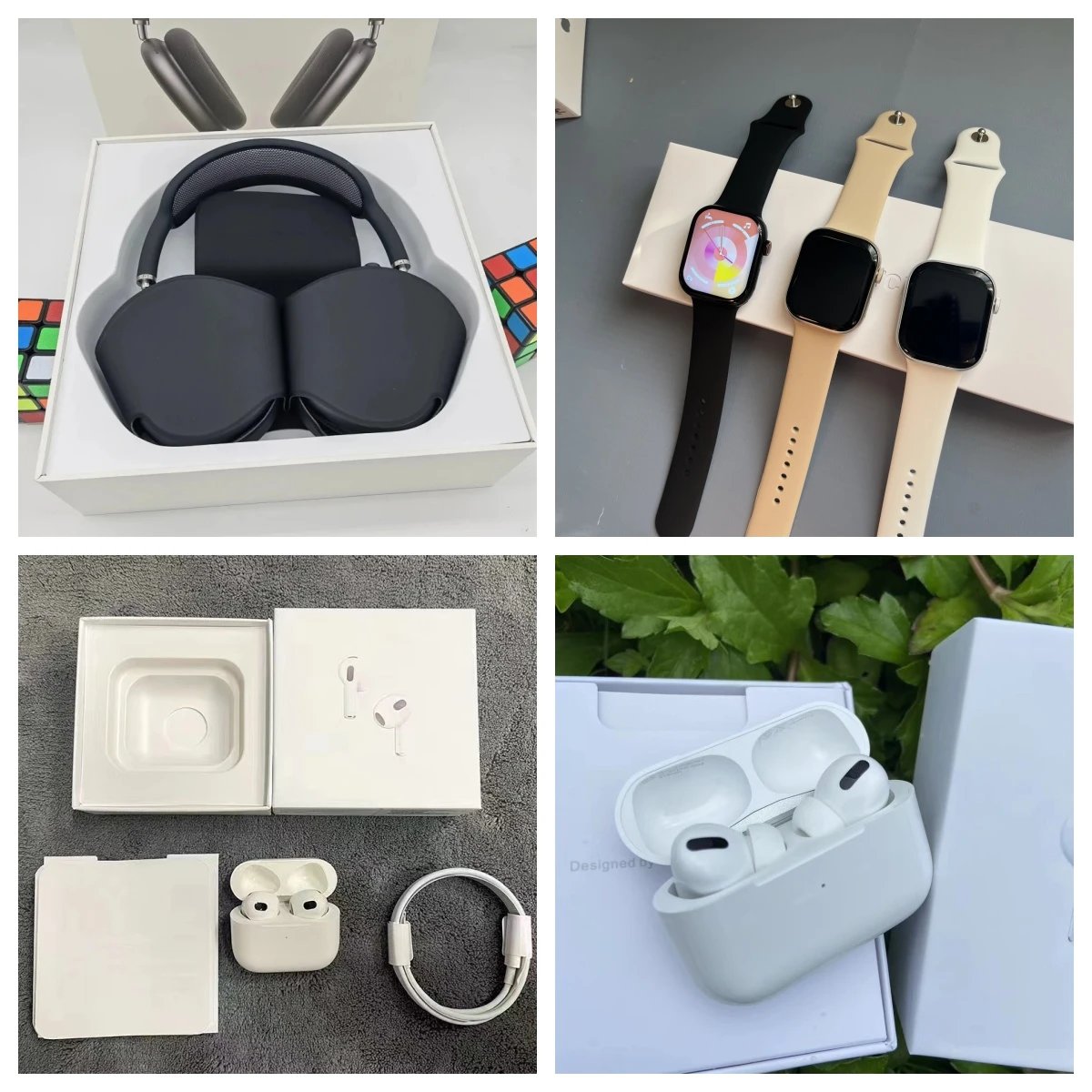
Headphones Earphones 01-10 | BBDBuy spreadsheet | OOTDBuy spreadsheet - 138172
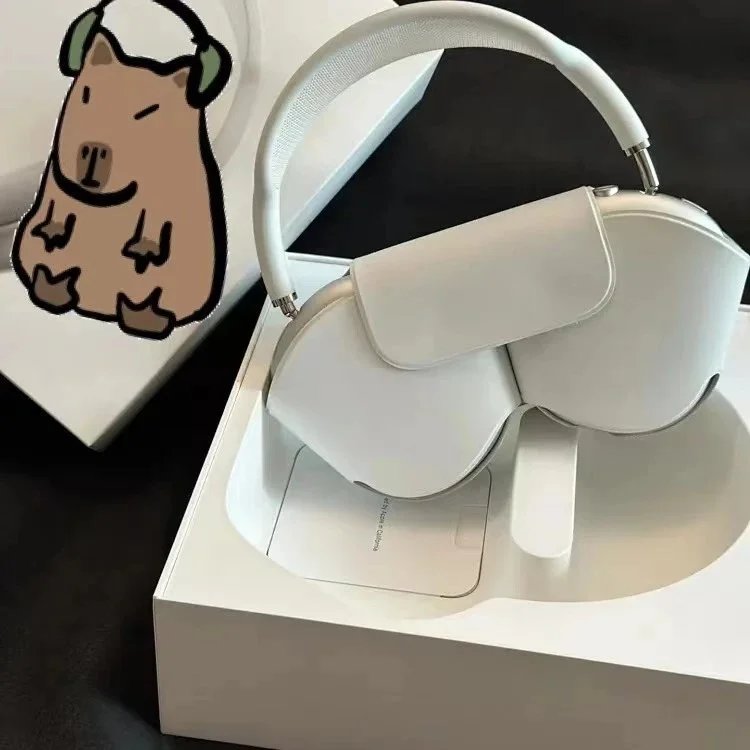
Max White Over-Ear Headphones | Lovegobuy spreadsheet | JoyaGoo spreadsheet | GTBuy spreadsheet - 141138