Cafans Journal
Stories & FindsCAFANS Shopping Guide: Using the Kakobuy Spreadsheet for Smarter Hauls
Why the Kakobuy Spreadsheet Belongs in Your Shopping Routine
If you have spent any time browsing agent-based shopping communities, you have probably heard about the kakobuyspreadsheet. It is one of the most practical tools for anyone who wants to compare items, track prices, and build a sensible haul without drowning in tabs. This CAFANS shopping guide walks you through how the sheet works, what to look for, and how to combine it with a solid kakobuy guide so your first order goes smoothly.
The appeal is simple: instead of hunting through dozens of listings, you open a curated sheet, filter by category, and copy the kakobuy product links straight into your agent account. The kakobuy spreadsheet saves time, reduces guesswork, and gives beginners a clear starting point. Below we break down the essentials, from reading the columns to planning shipping and avoiding common mistakes.
What Is the Kakobuy Spreadsheet?
At its core, the kakobuyspreadsheet is a shared database of product listings collected from marketplace platforms. Each row typically includes a product name, a reference image, a price range, size options, and a direct link. Some versions add seller ratings, weight estimates, and QC notes. Because it is maintained by the community, it evolves constantly, which is both its strength and its weakness.
Think of it as a shopping spreadsheet and product catalog rolled into one. You do not need an account to view it, but you do need an agent account to place orders. The sheet is best used as a research tool and price comparison hub rather than a checkout page.
Getting Started: A Step-by-Step Kakobuy Guide
Step 1: Open and Copy the Sheet
Most communities share a read-only link. Make your own copy so you can highlight rows, add notes, and mark favourites. This is the single most useful habit in any kakobuy guide: never edit the master sheet, always work from a personal copy.
Step 2: Understand the Columns
A typical layout includes category, item name, reference price, available sizes, seller link, and remarks. Treat the price as an estimate, not a guarantee. Currency conversion, domestic shipping, and agent fees all change the final number. Use the sheet for budget planning and cost estimation, then confirm details on the listing page.
Step 3: Filter by Category
Use filters to narrow the list to what you actually need. Popular sections include streetwear, sneakers, hoodies, jackets, accessories, bags, and home goods. Filtering keeps your haul focused and stops you from over-ordering.
Step 4: Copy the Product Link
Once you find an item, copy the kakobuy product links into your agent's search bar. The agent page will show the live price, available variants, and seller information. Double-check the size chart, colour name, and material description before adding to cart.
Step 5: Place the Order Through Your Agent
Add items to your agent cart, pay for the goods, and wait for them to arrive at the warehouse. This is where a good kakobuy shopping guide matters: request QC photos, confirm measurements, and approve or return items before international shipping.
Reading the Sheet Like a Pro
Experienced users scan for signals, not just prices. Look at seller ratings, review counts, and whether the listing has real photos. A low price with no reviews is a red flag. Cross-reference the same item across multiple rows to spot outliers. Use the sheet's comment column for size notes, material notes, and fit feedback.
It also helps to track your own data. Add columns for your chosen size, expected weight, and status. This turns a static list into a working order tracker and wishlist. If you plan a large haul, group items by warehouse arrival date so you can consolidate shipping and save on freight costs.
Common Mistakes to Avoid
- Assuming the listed price is final. Always factor in domestic shipping, service fees, and international shipping.
- Ignoring the size chart. Asian sizing often runs small, so measure yourself and compare.
- Buying without QC. Request warehouse photos and inspect stitching, logos, and labels.
- Overloading a single parcel. Watch volumetric weight and split heavy items if needed.
- Using outdated links. Sellers change listings, so verify the item is still available.
Planning Shipping and Budget
Shipping is usually the largest cost after the goods themselves. Compare shipping lines, estimated delivery times, and tracking options. Declare accurately, keep receipts, and understand customs rules for your country. A realistic budget includes the item price, agent fee, domestic delivery, international freight, and a small buffer for returns.
Consolidation is your friend. Combining several items into one parcel often lowers the per-item cost, but very heavy or bulky goods may be cheaper to split. Use the sheet's weight estimates as a rough guide and confirm with the warehouse before you submit the parcel.
Safety, Authenticity, and Community Etiquette
The kakobuy spreadsheet is community-maintained, so quality varies. Prefer rows with recent updates and verified links. Avoid sellers with inconsistent reviews. Remember that the sheet is a directory, not an endorsement. Do your own due diligence, and treat every listing as a starting point for verification.
Respect the community: do not spam referral links, do not alter shared sheets, and report dead links. Good etiquette keeps the kakobuy spreadsheet useful for everyone.
Final Checklist Before You Order
- Copy the sheet and filter to your categories.
- Verify each kakobuy product link and confirm live pricing.
- Check size charts and request measurements if unsure.
- Budget for fees, domestic shipping, and international freight.
- Approve QC photos before consolidation.
- Track the parcel and keep documentation for customs.
Used sensibly, the kakobuyspreadsheet is a genuine time-saver. Combine it with a careful kakobuy shopping guide mindset, verify before you buy, and your haul will be smoother, cheaper, and far less stressful.
Editor's selection
Popular Products

Sneakers B22 B30 Unisex Classic Sneakers | UIDBuy spreadsheet | BBDBuy spreadsheet - 135717

Outdoor Casual Sneakers | Hipobuy spreadsheet | OOTDBuy spreadsheet | JoyaGoo spreadsheet - 141223

Sneakers 04 Classic Sneakers | LoongBuy spreadsheet | JoyaGoo spreadsheet | USFans spreadsheet - 135678

Sneakers P-0100 Unisex Sneakers | Kakobuy spreadsheet | BBDBuy spreadsheet | MyCNBox spreadsheet - 136114
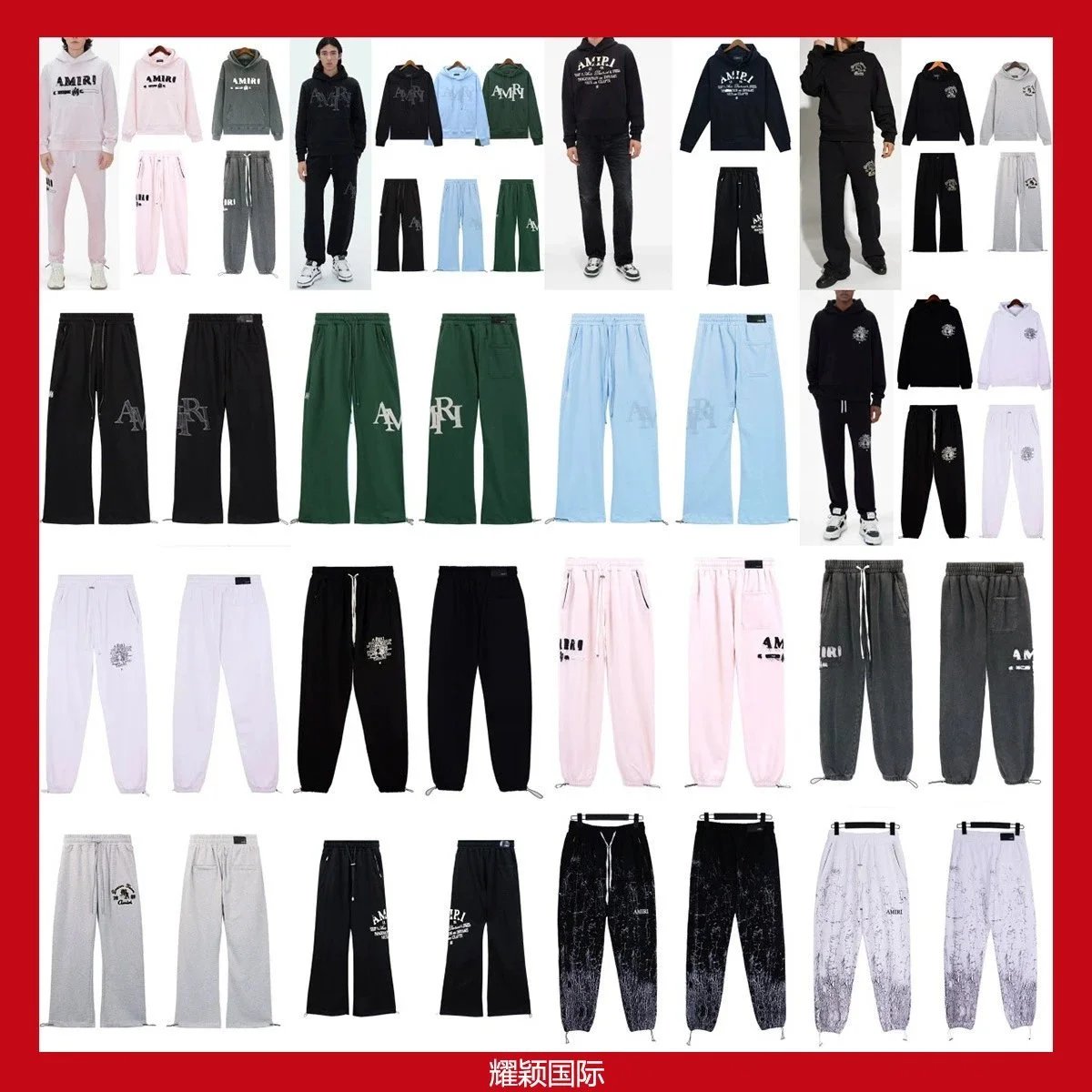
Graphic Hoodies and Sweatpants Collection LH25 Unisex | Oopbuy spreadsheet | Hipobuy spreadsheet - 140989

Sneakers 2025 Skate Sneakers | MyCNBox spreadsheet | iTaoBuy spreadsheet | USFans spreadsheet - 135965
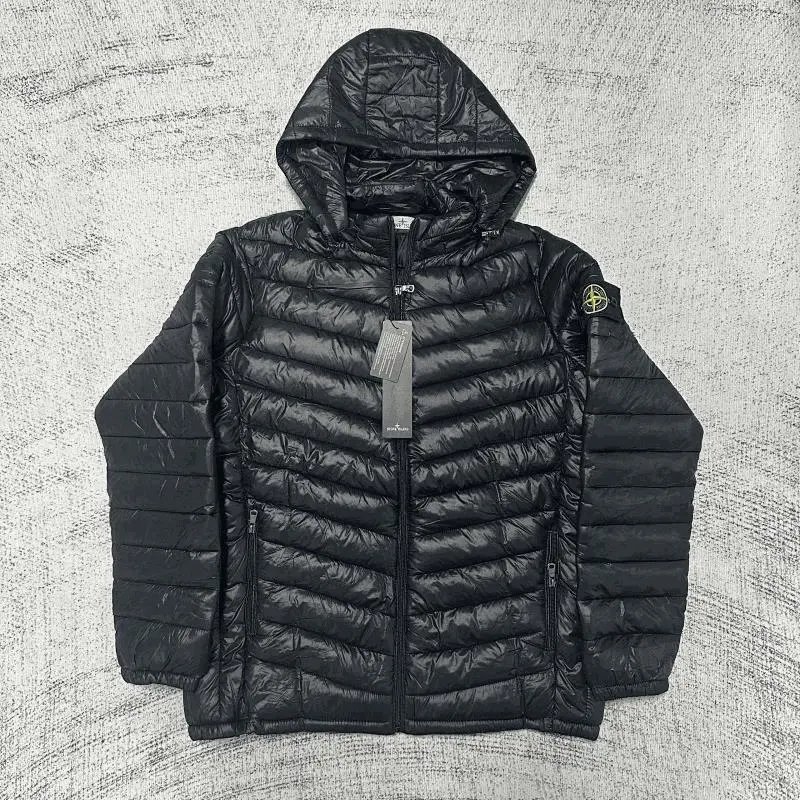
Winter Loose Down Jackets, Sweatshirts and Sweaters 003 | Sugargoo spreadsheet | CSSBuy spreadsheet - 141091