Cafans Journal
Stories & FindsThe CAFANS Guide to the Joyagoo Spreadsheet: A Complete Shopping Walkthrough
If you have spent any time browsing Chinese e-commerce aggregators, you have probably run into the phrase CAFANS. In practice, CAFANS is not a brand but a way of working: a community-driven approach to finding, verifying, and buying products through curated spreadsheets. This guide is built around the most useful starting point for newcomers — the joyagoo spreadsheet — and explains how to use it alongside the joyagoo guide, joyagoo product links, the wider joyagoo shopping guide, and the joyagoo spreadsheet guide itself.
What the Joyagoo Spreadsheet Actually Is
The joyagoo spreadsheet is a shared document, usually hosted on a cloud service, that lists products with their names, images, prices, sizes, colorways, and direct links to the seller. Instead of scrolling through endless listings, you open one sheet, filter by category, and click through to a specific item. The sheet is updated periodically, which means you should always check the date stamp in the header before relying on a price or a stock status.
A typical sheet includes several tabs: a main catalog, a batch or haul tracker, a QC (quality control) photo archive, and a shipping cost calculator. The joyagoo spreadsheet guide recommends starting with the main catalog tab, noting the item code, and only then opening the product link. This order prevents the common mistake of buying from a lookalike listing that uses the same photo but ships a different item.
How to Read the Joyagoo Guide Before You Buy
The joyagoo guide is the companion text that explains terminology. Terms you will meet include batch (a production run), agent (an intermediary who purchases and consolidates your order), QC (quality check photos taken at the warehouse), haul (a group of items shipped together), and weight estimate (the figure used to calculate international shipping). Reading the guide first saves time later, because the spreadsheet assumes you already know what a warehouse receipt looks like and why volumetric weight matters.
Pay particular attention to the sections on sizing charts and material notes. Many spreadsheet entries include a size conversion table, and the joyagoo shopping guide stresses measuring a garment you already own rather than trusting the label. For footwear, check whether the listing uses EU, UK, or CM sizing; mismatches are the single most common cause of returns.
Using Joyagoo Product Links Safely
Joyagoo product links point to the original marketplace listing. Before you order, confirm four things: the seller rating, the number of completed transactions, the return policy, and whether the photos in the listing match the QC images referenced in the sheet. If a link is dead, do not substitute a search result blindly — look for an updated link in the sheet's revision tab or ask in the community channel.
Bookmark links rather than copying them into a notes app, since some URLs contain tracking parameters that expire. When you paste a link into an agent's order form, include the item code from the spreadsheet so the agent can cross-check the variant. This small habit, repeated in every joyagoo guide thread, dramatically reduces wrong-item shipments.
The Joyagoo Shopping Guide: From Sheet to Doorstep
The joyagoo shopping guide breaks the process into five stages. Stage one is discovery: filter the joyagoo spreadsheet by category, price band, and size availability. Stage two is verification: read the QC archive, check recent buyer photos, and compare at least two sellers for the same item. Stage three is ordering: submit the link and item code to your agent, confirm the variant, and pay the domestic leg. Stage four is consolidation: once items reach the warehouse, request rehearsal packing to get an accurate weight. Stage five is shipping: choose a line based on cost, speed, and customs reliability for your country.
Keep a simple log — date, item code, price, agent order number, and tracking number. The joyagoo spreadsheet guide includes a template for this, but any spreadsheet works. The log becomes invaluable if a parcel is delayed or an item arrives damaged.
Practical Tips for Spreadsheet Users
- Check the sheet's last-updated date before every purchase.
- Sort by price per unit weight when comparing similar items.
- Screenshot the listing and the QC photo together for your records.
- Use the search function with item codes, not product names.
- Confirm color and size in writing with your agent.
- Avoid ordering during major sales unless you accept longer warehouse queues.
- Review the shipping calculator tab before adding heavy items.
- Read the FAQ tab; most beginner questions are already answered there.
- Join a community channel for link updates and batch warnings.
- Never share payment screenshots in public threads.
Common Mistakes to Avoid
The first mistake is treating the joyagoo spreadsheet as a store. It is a directory; the actual transaction happens with a seller or an agent. The second is ignoring batch differences — two items with the same photo may come from different factories. The third is underestimating shipping weight, especially for shoes and outerwear. The fourth is skipping the joyagoo guide's sizing advice and ordering the labeled size. The fifth is failing to record item codes, which makes disputes difficult to resolve.
Final Checklist
Before you close the tab, confirm that you have: read the relevant joyagoo guide section, verified the joyagoo product links, checked the QC archive, logged the item code, confirmed the variant with your agent, and estimated the shipping cost. Do this consistently and the joyagoo spreadsheet becomes a fast, reliable shopping tool rather than a source of surprises.
Editor's selection
Popular Products

Shoes Ph076 Breathable Running Shoes | CSSBuy spreadsheet | LoongBuy spreadsheet - 136150
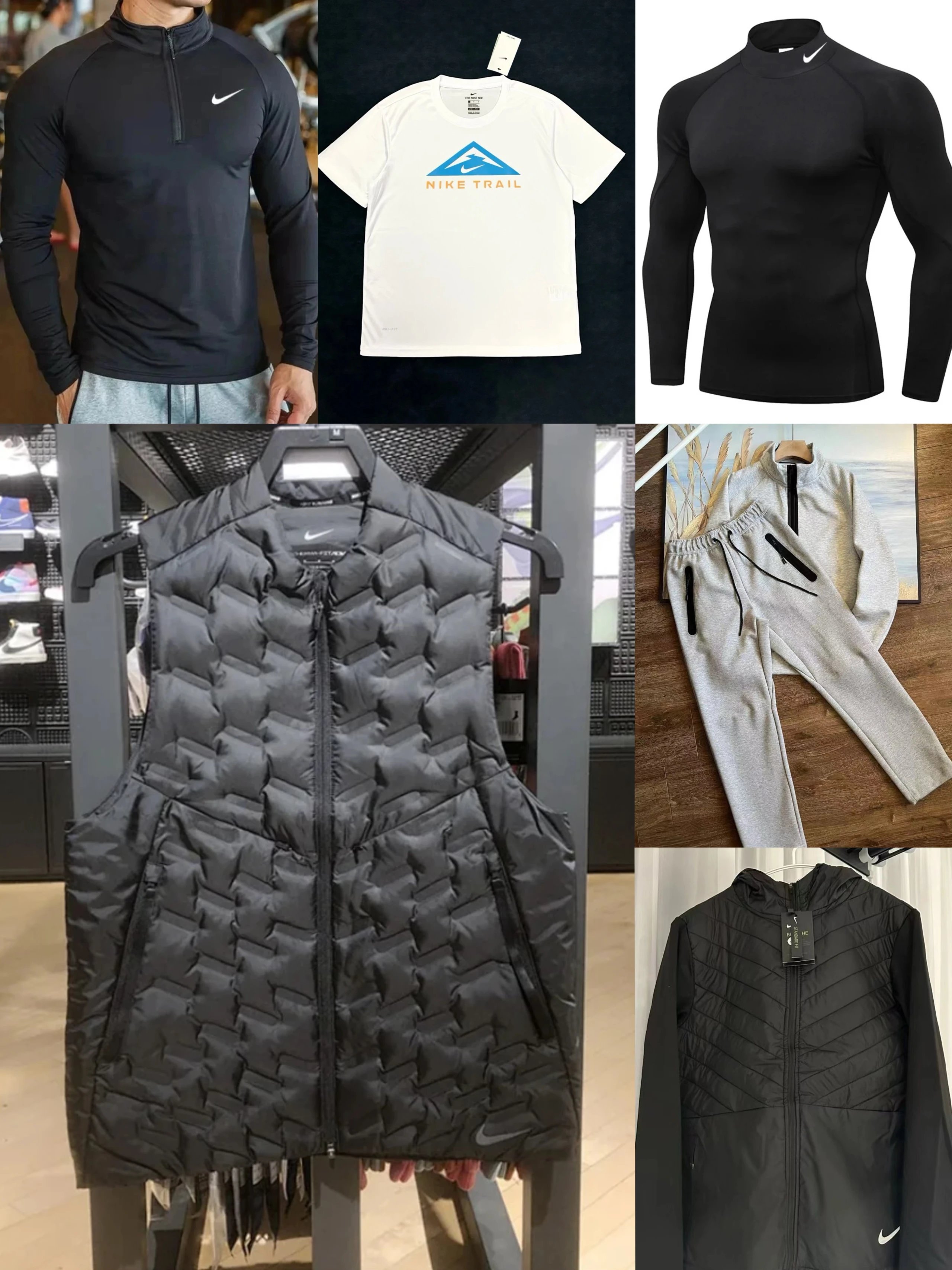
Ni Vests, T-Shirt and Clothing Sets 1000 | JoyaGoo spreadsheet | Sugargoo spreadsheet - 141084
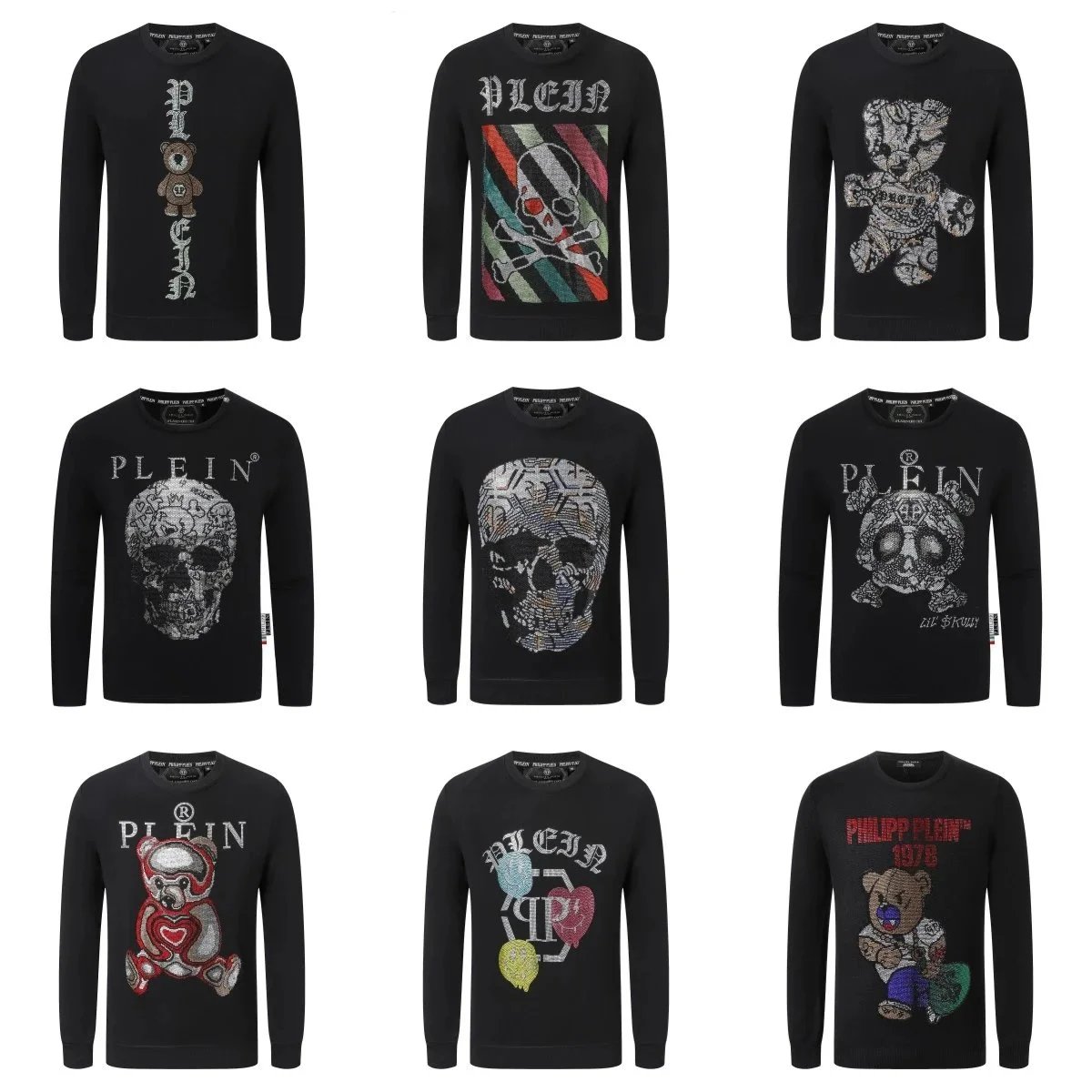
Outfit Set FL01-005ph Spring and Autumn Casual Clothing | Sugargoo spreadsheet | GTBuy spreadsheet - 136271
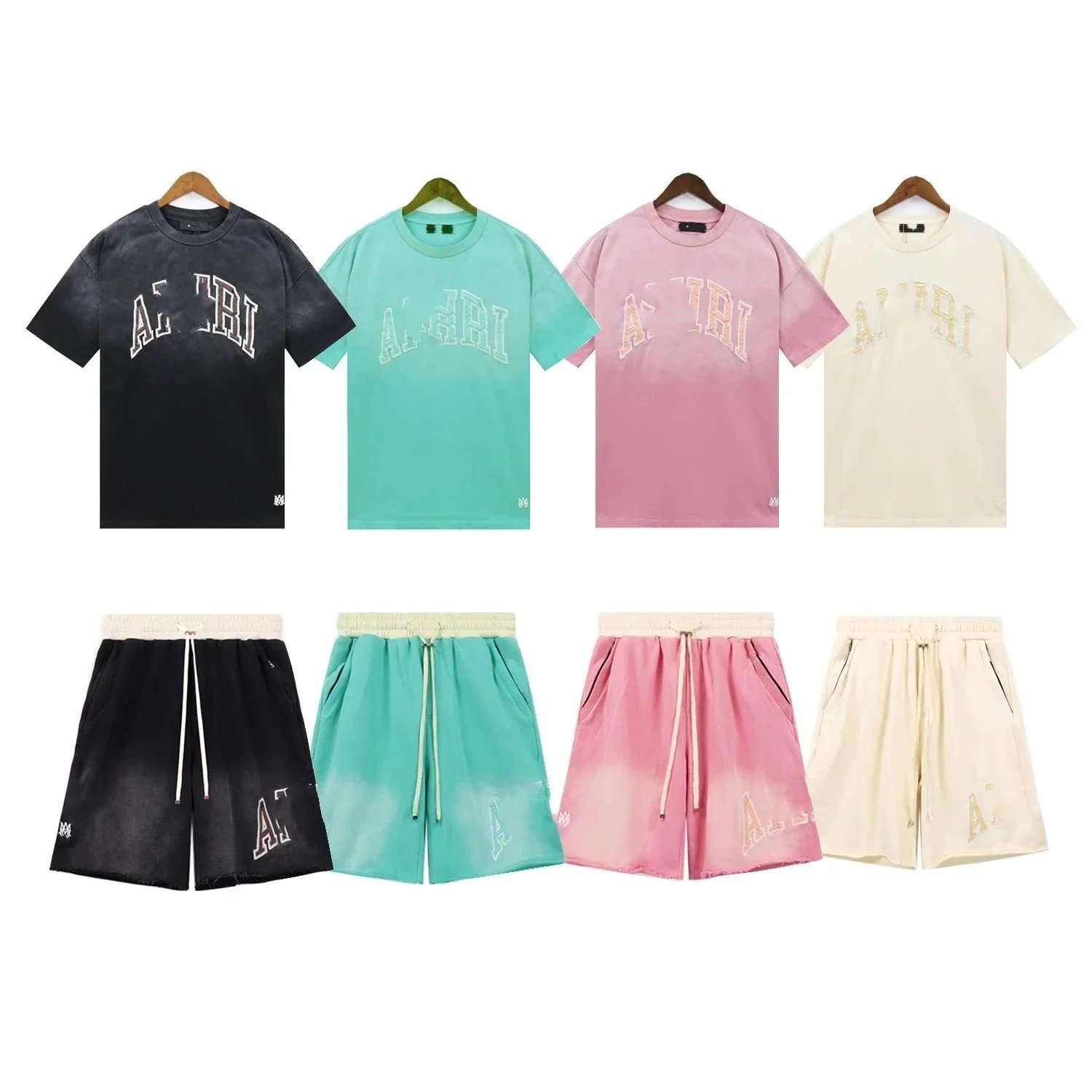
Clothing Set 1 | Oopbuy spreadsheet | BBDBuy spreadsheet | CSSBuy spreadsheet - 136873
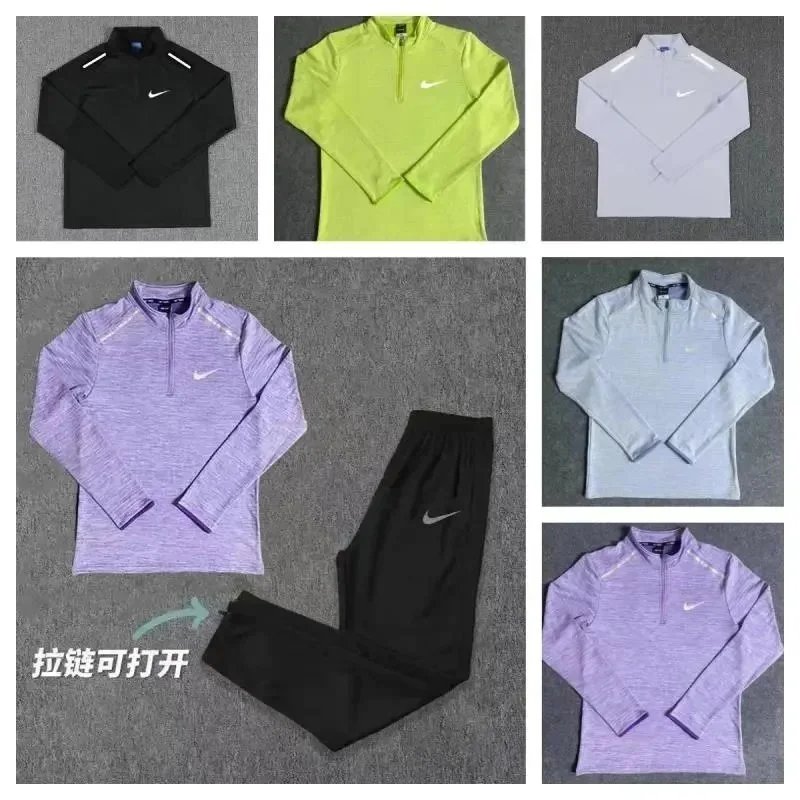
Outfit Set MX16 Clothing Set | Hipobuy spreadsheet | Fishgoo spreadsheet - 137693
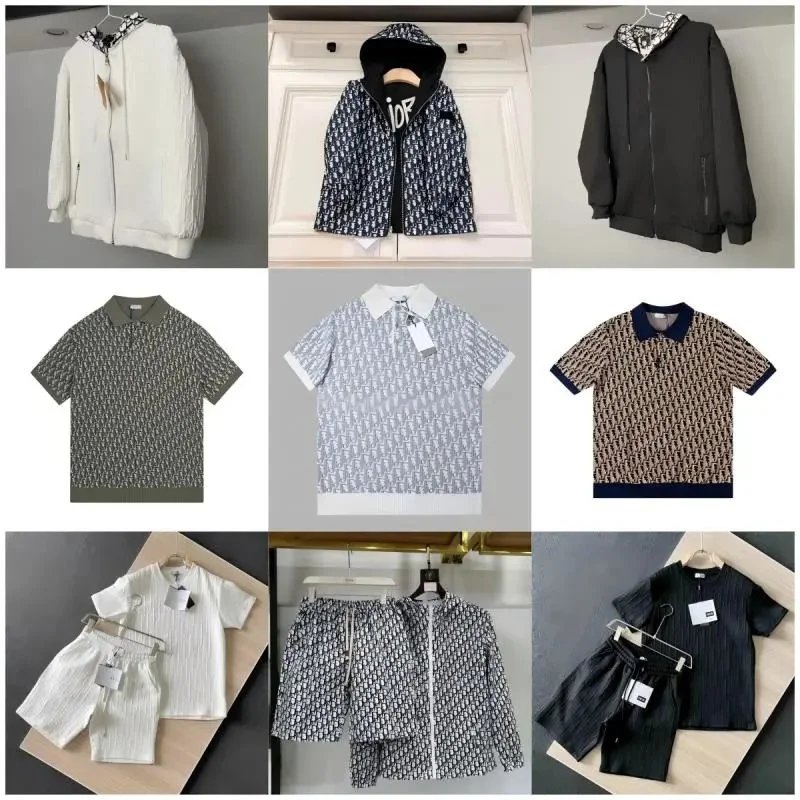
D All-Over Print Clothing Set | UIDBuy spreadsheet | Kakobuy spreadsheet | Hipobuy spreadsheet - 136221
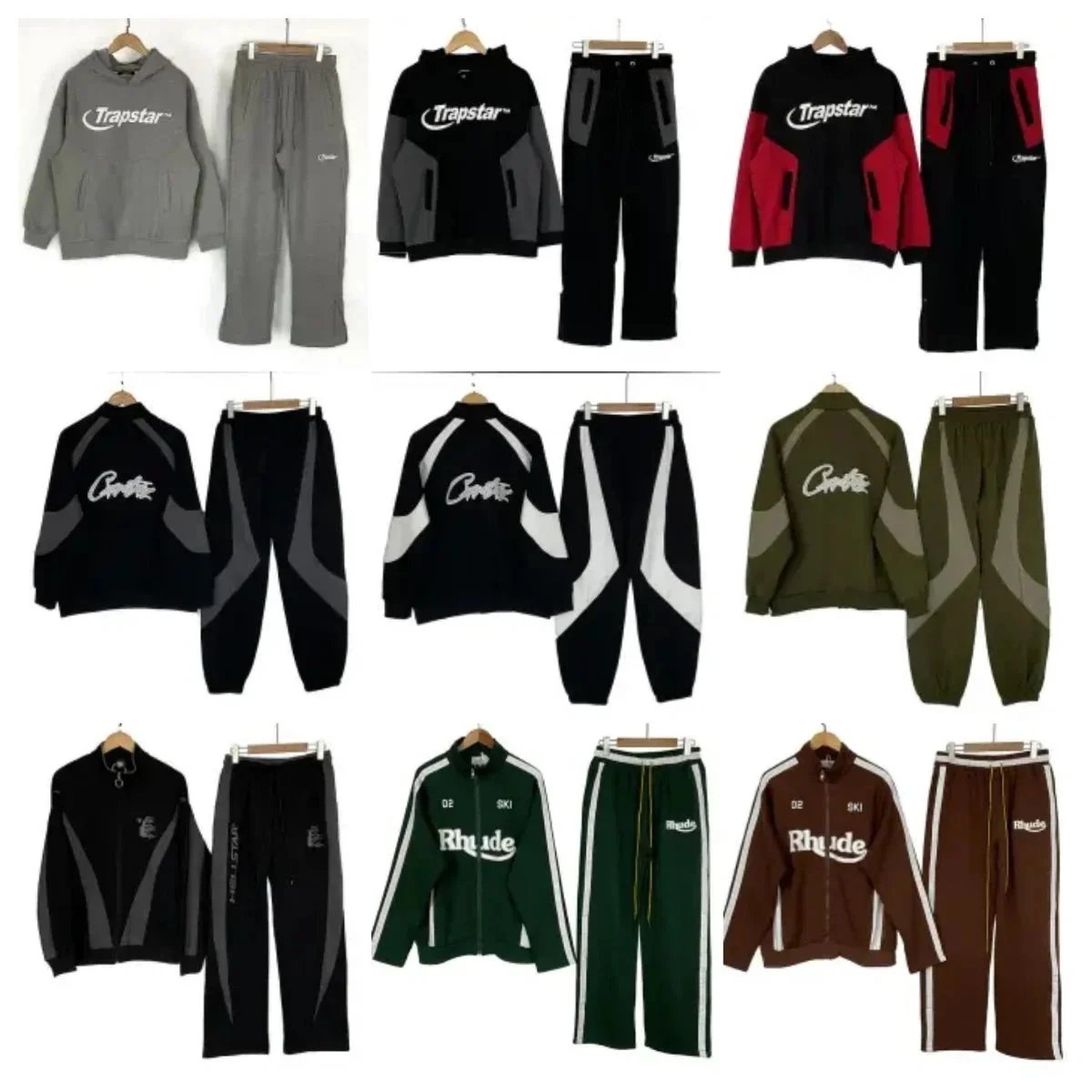
Outfit Set L-001 Casual Hip-Hop Clothing Set | GTBuy spreadsheet | Hubbuycn spreadsheet - 136248