Cafans Journal
Stories & FindsThe Complete CAFANS Guide: How Wemimi Makes Global Shopping Simple
The Complete CAFANS Guide: How Wemimi Makes Global Shopping Simple
CAFANS is a term you will see more and more often in global shopping communities, and at the heart of it sits Wemimi. If you have ever scrolled through endless listings, compared prices across dozens of apps, and still felt unsure what to buy, this guide is for you. Below we break down what CAFANS means in practice, why Wemimi has become the go-to platform for careful shoppers, and how to use every resource — from the Wemimi spreadsheet to Wemimi product links — like an experienced buyer.
What Is CAFANS and Why Does Wemimi Matter?
In short, CAFANS is a practical shopping philosophy: compare, assess, filter, analyze, negotiate, and select. Wemimi is the platform where that philosophy comes to life. Instead of chasing random advertisements, Wemimi users build a deliberate buying routine using verified listings, transparent pricing, and community feedback. The result is a calmer, smarter shopping experience where quality beats hype.
Many newcomers start with a simple Wemimi guide, then graduate to the Wemimi spreadsheet for structured research. The platform works well for both beginners and power users because it scales with your confidence.
Start With a Reliable Wemimi Guide
Every good journey begins with a good map. A quality Wemimi guide explains the basics: how listings are organized, how to read seller ratings, how shipping estimates work, and where to find seasonal discounts. Rather than memorizing dozens of rules, focus on three habits:
- Check ratings and reviews before adding anything to your cart.
- Compare at least three sellers for the same product category.
- Track price history so you know a genuine deal from a fake markdown.
These habits sound simple, but they are exactly what the CAFANS method is built on. A Wemimi guide that teaches them clearly is worth more than any list of shortcuts.
Why the Wemimi Spreadsheet Is a Game-Changer
The Wemimi spreadsheet is where serious shoppers organize their research. Think of it as a personal buying dashboard. Typical columns include product name, category, seller, unit price, shipping cost, estimated delivery time, and a personal notes field for quality impressions.
Filling in the Wemimi spreadsheet forces you to slow down. Instead of impulse-buying five similar items, you line them up side by side and let the data decide. Over time, the sheet becomes a reference library: you learn which categories offer consistent value and which ones require extra caution. Many users share their sheets in community groups, turning individual research into collective knowledge.
Using Wemimi Product Links the Right Way
Wemimi product links are the direct route from curiosity to checkout. A well-shared link takes you straight to a specific listing, complete with price, variations, and reviews. When someone recommends an item in a forum or chat group, the accompanying Wemimi product links save you from searching the wrong model or color.
Best practice is simple: always open the link, verify the seller name, and cross-check the listing against your spreadsheet entry. Links can go stale, sellers can change inventory, and prices move. Treat every Wemimi product link as a starting point, not a final answer.
The Wemimi Shopping Guide: Step by Step
A complete Wemimi shopping guide covers the full journey, from discovery to delivery. Here is a practical sequence that works for most buyers:
- Define your need. Write down the category, budget, and must-have features before browsing.
- Browse with filters. Use category filters, price ranges, and rating thresholds to narrow the field.
- Log candidates. Add each promising item to your Wemimi spreadsheet with all relevant costs.
- Compare total cost. Include shipping, taxes, and any coupon savings — not just the sticker price.
- Read recent reviews. Sort by newest and look for patterns in complaints, not just star averages.
- Check the return policy. Know your options before you commit.
- Order and track. Save tracking numbers and delivery windows in the same sheet.
Following this Wemimi shopping guide consistently turns chaotic browsing into a repeatable process.
Common Mistakes CAFANS Shoppers Should Avoid
Even careful buyers slip up. Watch for these traps: buying from a single review, ignoring shipping time in favor of a lower price, and forgetting to record order details. Another frequent mistake is treating a Wemimi spreadsheet as a one-time document. Update it after every purchase; note whether the item matched its description, how long delivery actually took, and whether you would buy from that seller again. This feedback loop is the real power of the CAFANS approach.
Building a Personal Shopping System
Once you are comfortable with the basics, personalize your workflow. Create separate tabs in your Wemimi spreadsheet for wish lists, active orders, and completed purchases. Set a monthly budget and review it alongside your sheet. Follow a few trusted community curators who share honest Wemimi product links with context, not just affiliate spam. Over a few months, you will develop a sixth sense for genuine value.
Final Thoughts
CAFANS is not a secret trick; it is disciplined shopping. Wemimi gives you the tools — guides, spreadsheets, direct links, and structured comparisons — while you supply the patience. Start with one Wemimi guide, build your first Wemimi spreadsheet, collect a handful of Wemimi product links, and follow the Wemimi shopping guide step by step. Do that, and every purchase becomes a small, confident decision rather than a gamble.
Editor's selection
Popular Products

P**a Trainer Casual Sneakers - 166983

Trend Cotton&Down Jacket -SQ002 - 162215
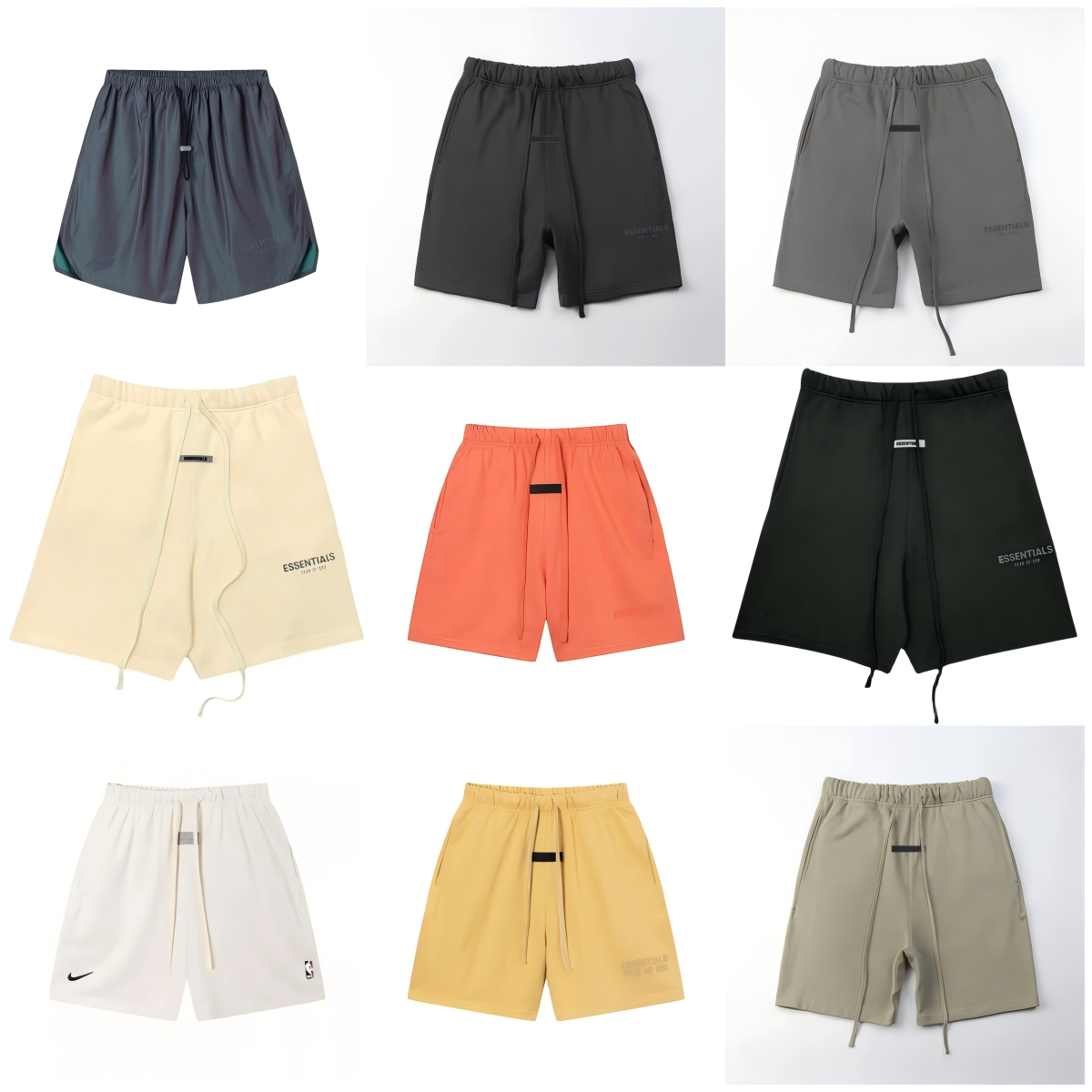
YY08 Classic Summer Shorts - 171442

YHH Washed Ripped Patchwork Jeans | Lovegobuy spreadsheet | OOTDBuy spreadsheet - 137298

SHD Women's Loose Summer Off Shoulder Halter Tie Dress | BBDBuy spreadsheet | Hipobuy spreadsheet - 140537

Fear of God Essentials ss 22 sweatpants | CSSBuy spreadsheet | Hubbuycn spreadsheet - 147419
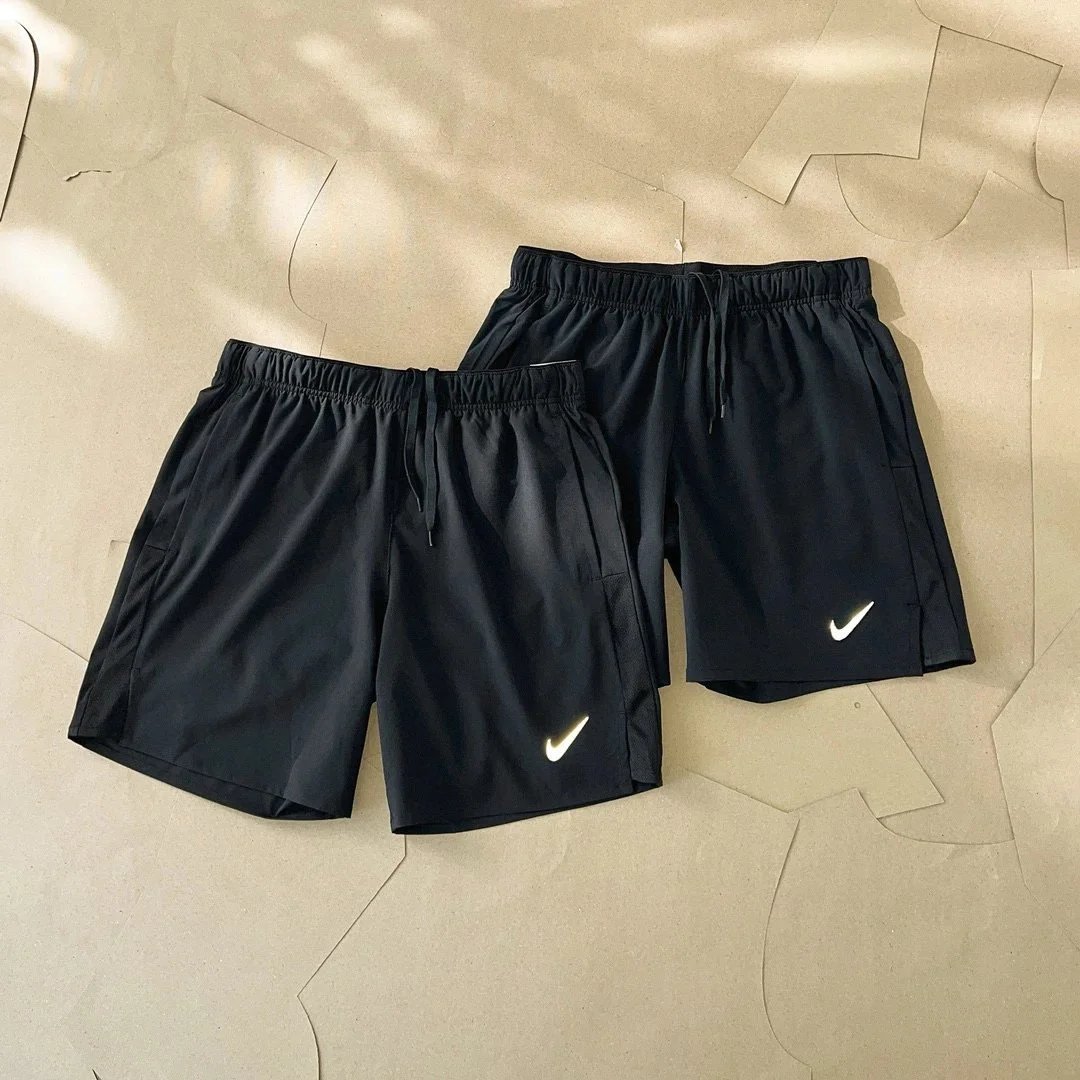
Quick-Dry Shorts 042377 g9 Quick-Dry Shorts | Oopbuy spreadsheet | BBDBuy spreadsheet - 145151