Cafans Journal
Stories & FindsShipzobuy CAFANS Guide: The Complete English Shopping Handbook
Shipzobuy CAFANS Guide: The Complete English Shopping Handbook
If you have been searching for a reliable, English-language resource to shop smarter with Shipzobuy, you have landed in the right place. This Shipzobuy guide walks you through everything from understanding how the platform works to making the most of a Shipzobuy spreadsheet, reading Shipzobuy product links, and following a sensible Shipzobuy shopping guide routine. Whether you are a first-time buyer or a seasoned agent user, the CAFANS approach below will help you stay organized, avoid common pitfalls, and get the most value out of every order.
What Is Shipzobuy?
Shipzobuy is a shopping agent platform that lets international buyers purchase from Chinese marketplaces and have items consolidated, inspected, and shipped internationally. Instead of dealing with multiple sellers, languages, and payment systems separately, you use one dashboard. The core workflow involves submitting product links, paying for goods and domestic shipping, waiting for warehouse intake, requesting quality checks, and finally submitting an international parcel. This Shipzobuy guide focuses on doing that workflow efficiently in English.
The CAFANS Method Explained
CAFANS is a simple acronym you can use as a mental checklist: Check, Add, Follow, Assess, Negotiate, Ship. Let us break it down.
- Check — Verify the seller, the listing, and the product link before you buy.
- Add — Add items to your Shipzobuy spreadsheet so nothing gets lost.
- Follow — Track orders and warehouse status daily.
- Assess — Review QC photos and decide whether to keep, exchange, or return.
- Negotiate — Contact the agent for weight, shipping line, or consolidation questions.
- Ship — Submit your parcel with the right line, declared value, and packaging options.
This framework is the backbone of the Shipzobuy shopping guide you will read below.
Why Use a Shipzobuy Spreadsheet?
A Shipzobuy spreadsheet is arguably the most underrated tool for agent shopping. When you buy dozens of items, keeping track of order IDs, seller names, prices, colors, sizes, and warehouse status in your head is impossible. A spreadsheet solves that. Common columns include:
- Item name and category
- Product link (original marketplace URL)
- Seller or store name
- Unit price and quantity
- Domestic shipping cost
- Order number and tracking number
- Warehouse status (pending, stored, QC requested, shipped)
- Notes on color, size, or packaging
Using a spreadsheet also makes refunds and disputes easier because you have a clean record. Many experienced buyers share a template, so you can start with a proven layout rather than building one from scratch.
Reading Shipzobuy Product Links
Shipzobuy product links are the original marketplace URLs you paste into the agent's search bar. A few habits make this smoother:
- Copy the full link, not a shortened or mobile version.
- Open the link in a browser first to confirm the item is still in stock.
- Check whether the listing has variations (size, color, bundle).
- Note the price in the listing, then compare with the agent's quoted price.
- Save the link in your spreadsheet next to the order ID.
If a link fails, the seller may have removed the item or changed the SKU. Paste the new link and confirm with the agent before paying.
Step-by-Step Shopping Workflow
1. Prepare Your Account
Register, verify your email, and add a payment method. Read the platform's FAQ and shipping line list so you know what is available to your country.
2. Collect Product Links
Browse marketplaces and save links. Do not buy immediately; collect first, then compare. This is where the spreadsheet pays off.
3. Submit Orders
Paste each link, select variations, and confirm the price. Pay for the item plus domestic shipping. Wait for the seller to ship to the warehouse.
4. Warehouse Intake and QC
When items arrive, the warehouse logs them. Request quality check photos, especially for shoes, electronics, and fragile goods. Check stitching, tags, sizing, and defects.
5. Consolidation
Combine multiple items into one parcel to save on international shipping. Ask the agent to remove unnecessary boxes and use protective packaging.
6. Submit the Parcel
Choose a shipping line based on weight, budget, and speed. Declare a reasonable value, review the invoice, and pay. Track the parcel until delivery.
Common Product Categories
Buyers typically shop for sneakers, streetwear, hoodies, T-shirts, jackets, bags, backpacks, watches, jewelry, sunglasses, phone accessories, headphones, small electronics, home goods, kitchen tools, beauty tools, cosmetics, toys, hobby items, and sports accessories. Always confirm sizing charts and material details before ordering.
Shipping and Packaging Tips
Weight is the biggest cost driver. Remove shoe boxes, combine orders, and choose a line that matches your priorities. For fragile items, request bubble wrap or corner protectors. For clothing, vacuum packing reduces volume. Keep tracking numbers in your spreadsheet.
Quality Check Checklist
- Confirm size, color, and model against the order.
- Inspect seams, zippers, buttons, and logos.
- Test electronics if the service is available.
- Photograph everything for dispute evidence.
- Decide quickly — storage time is limited.
Mistakes to Avoid
Do not skip QC photos, do not ignore warehouse deadlines, do not declare unrealistic values, and do not buy from unverified links. Keep your spreadsheet updated and read the latest Shipzobuy guide updates, because policies and shipping lines change.
Final Thoughts
The CAFANS method — Check, Add, Follow, Assess, Negotiate, Ship — combined with a solid Shipzobuy spreadsheet, careful handling of Shipzobuy product links, and a disciplined Shipzobuy shopping guide routine, will make your experience smoother and cheaper. Treat Shipzobuy as a logistics partner rather than a magic button: verify links, track orders, inspect goods, and consolidate smartly. With these habits, you can shop confidently in English and avoid the most common frustrations.
Editor's selection
Popular Products
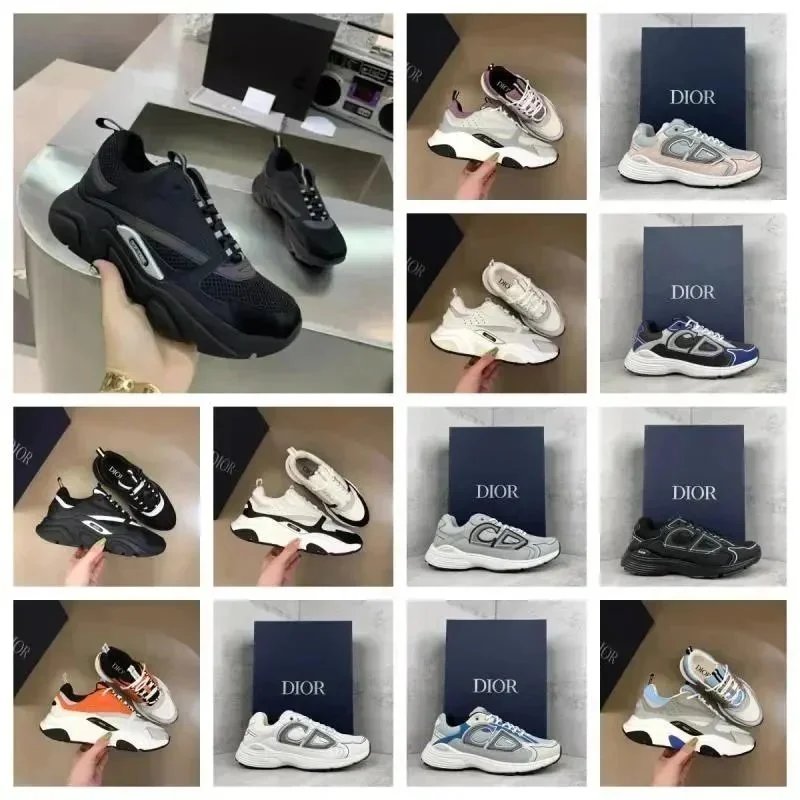
Sneakers B22 B30 Unisex Classic Sneakers | UIDBuy spreadsheet | BBDBuy spreadsheet - 135717
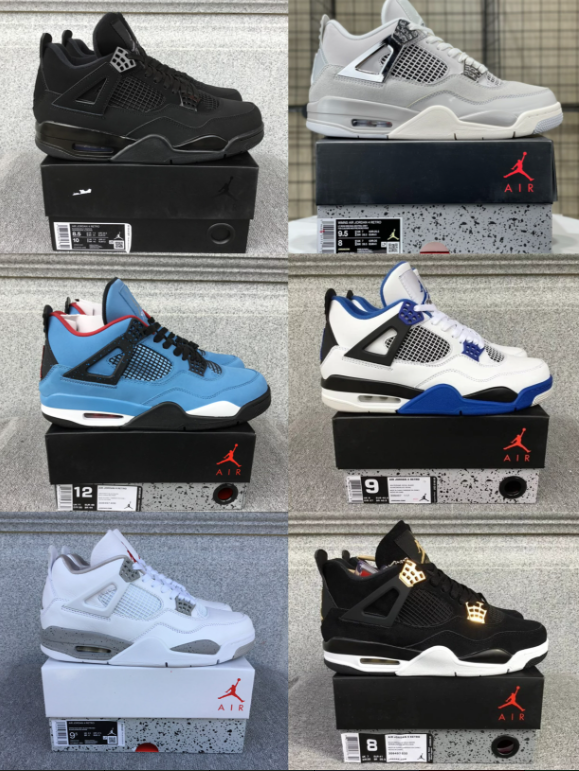
Outdoor Casual Sneakers | Hipobuy spreadsheet | OOTDBuy spreadsheet | JoyaGoo spreadsheet - 141223
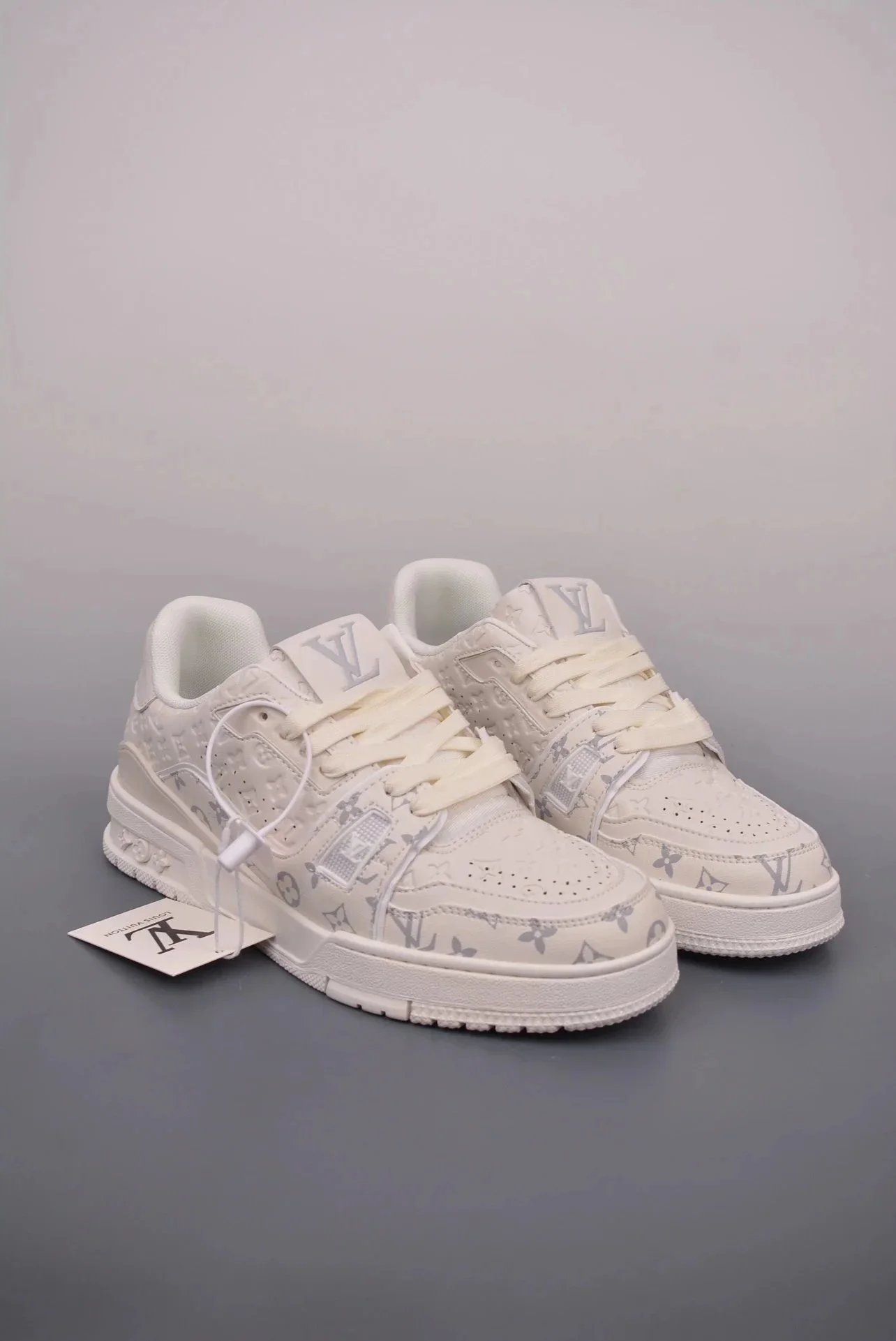
Sneakers 04 Classic Sneakers | LoongBuy spreadsheet | JoyaGoo spreadsheet | USFans spreadsheet - 135678
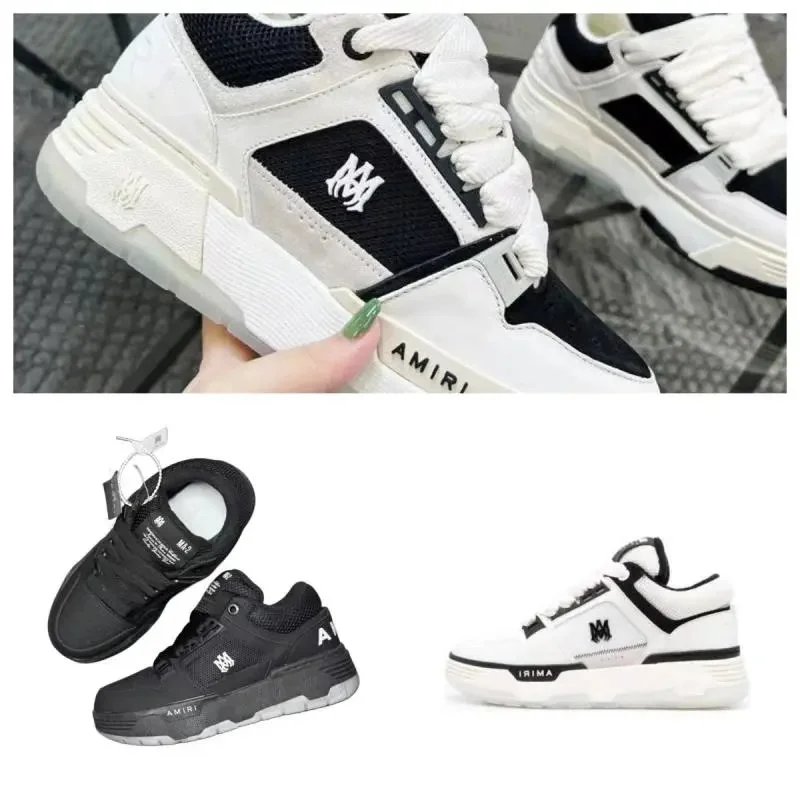
Sneakers P-0100 Unisex Sneakers | Kakobuy spreadsheet | BBDBuy spreadsheet | MyCNBox spreadsheet - 136114
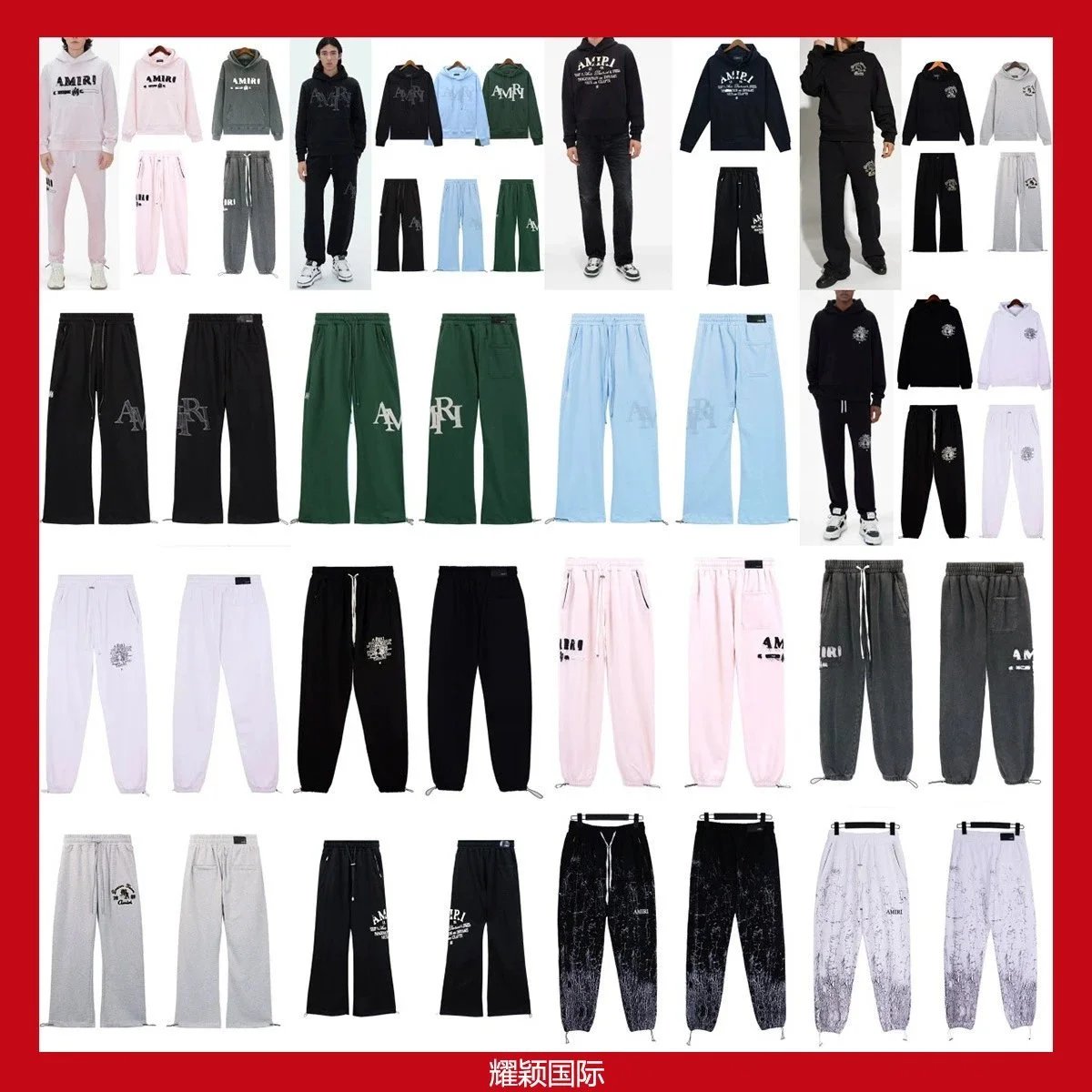
Graphic Hoodies and Sweatpants Collection LH25 Unisex | Oopbuy spreadsheet | Hipobuy spreadsheet - 140989

Sneakers 2025 Skate Sneakers | MyCNBox spreadsheet | iTaoBuy spreadsheet | USFans spreadsheet - 135965
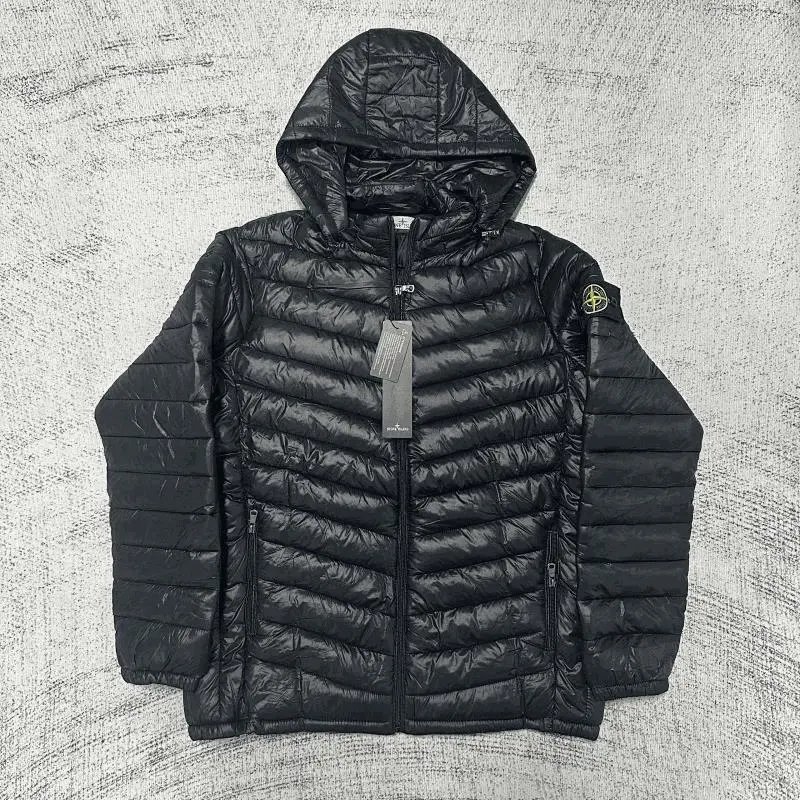
Winter Loose Down Jackets, Sweatshirts and Sweaters 003 | Sugargoo spreadsheet | CSSBuy spreadsheet - 141091