Cafans Journal
Stories & FindsEnglish CAFANS Guide: A 1000-Word Practical Walkthrough with GoatedBuy
What This English CAFANS Guide Covers
If you are searching for a clear, no-nonsense English CAFANS guide, this article walks you through the workflow step by step. CAFANS is a community-driven framework for discovering, evaluating, and organizing product finds before you commit to a purchase. The central hub for most readers here is GoatedBuy, which acts as the reference point for curated finds, seller notes, and buyer feedback. Rather than treating shopping as a guessing game, this guide shows you how to use a GoatedBuy spreadsheet, cross-check a GoatedBuy guide, and follow GoatedBuy product links responsibly.
We will cover the terminology, the research routine, sizing and quality checks, shipping expectations, and how to keep your own records tidy. By the end, you should be able to move from a casual browse to a confident decision without wasting money or time.
Key Terms You Will Meet
Before diving into the workflow, get comfortable with the vocabulary that appears across community posts and spreadsheets:
- Agent platform: a service that receives your order and forwards the item internationally.
- Warehouse: the storage facility where your item is inspected and consolidated.
- QC photos: quality-control images taken before international shipping.
- Batch: a production run from a specific factory or seller.
- Find: a specific product listing worth sharing.
- Spreadsheet: a structured table of finds with prices, links, and notes.
- Haul: a group of items shipped together to save on freight.
- Consolidation: combining multiple parcels into one shipment.
- Declared value: the amount written on customs paperwork.
- Rehearsal packing: a pre-shipment estimate of weight and volume.
- Weight estimate: the projected shipping cost based on mass.
- Volumetric weight: billing weight based on parcel dimensions.
- Tracking number: the identifier used to follow your parcel.
- Seller rating: aggregated buyer feedback on a vendor.
- Return policy: the rules for sending an item back.
- Exchange rate: the conversion between currencies at checkout.
- Service fee: the agent's charge for handling your order.
- Domestic shipping: delivery from seller to warehouse.
- International shipping: delivery from warehouse to your address.
- Customs clearance: the process of clearing imported goods.
- Restricted item: a product that cannot be shipped to certain regions.
- Dead stock: unsold inventory from a previous season.
- Restock: new availability of a previously sold-out item.
- Fit reference: measurements used to choose a size.
- Measurement chart: a table of garment dimensions.
- Colorway: a specific color variant of a product.
- Material composition: what a product is made from.
- Authenticity check: verification that an item matches its description.
- Price history: a record of how a price has changed over time.
- Community review: feedback posted by other buyers.
Step 1: Start With the GoatedBuy Spreadsheet
The fastest way to orient yourself is the GoatedBuy spreadsheet. Treat it as a living directory. Columns usually include the item name, category, approximate price, seller, size range, and a notes field. Do not rush to the checkout page. Instead, scan for categories you actually need, then shortlist three to five candidates. Note the batch information, because two listings for the same item can come from different production runs with noticeably different quality.
A good habit is to sort by category and then read the notes column carefully. Community-maintained sheets often flag issues such as inconsistent sizing or slow domestic shipping. If a row has no notes and no reviews, mark it as unverified and move on.
Step 2: Read a GoatedBuy Guide Before Buying
Every category has its own quirks, which is why a category-specific GoatedBuy guide is worth ten minutes of your time. Footwear guides explain sizing down or up, while apparel guides focus on fabric weight and shrinkage. Accessory guides tend to emphasize hardware quality and stitching. Use the guide to build a checklist: what should the item include, what are common defects, and what does a fair price look like?
Cross-reference the guide with the spreadsheet. If the guide says a seller's recent batch has thinner material, check whether the spreadsheet notes reflect that. Consistency between the guide and the sheet is a good sign that the information is current.
Step 3: Verify GoatedBuy Product Links
When you click GoatedBuy product links, confirm a few details before ordering. First, check that the listing matches the spreadsheet description, including colorway and size options. Second, look at the seller's recent feedback rather than lifetime ratings, since quality can change between batches. Third, compare the listing photos with community QC photos to spot discrepancies in logos, stitching, or materials.
Save each link you are considering in a simple document with the date you found it. Prices and availability shift, and a dated record helps you avoid revisiting stale listings. If a link is dead, search the spreadsheet for the seller's storefront and check for a restock note.
Step 4: Use the GoatedBuy Shopping Guide for Decisions
The GoatedBuy shopping guide is about process, not just products. Build a budget that includes the item price, domestic shipping, service fee, international shipping, and a small buffer for customs. Use rehearsal packing to estimate freight before committing to a large haul. Consolidate where it makes sense, but avoid combining restricted items with general goods.
Always request QC photos and review them carefully. Check measurements against a fit reference, inspect seams and hardware, and confirm the colorway. If something looks wrong, contact support before the item leaves the warehouse. Returns are far easier at this stage than after international shipping.
Step 5: Keep Records and Learn From Each Order
Create a simple log: order date, item, seller, batch, price, shipping method, tracking number, and a short review. Over time this becomes your personal GoatedBuy guide. You will notice which sellers are consistent, which categories carry more risk, and which shipping routes are fastest for your region.
Finally, participate in the community. Post honest QC observations, share price history, and update spreadsheet notes when you find a discrepancy. A guide is only as good as the people maintaining it, and every accurate note helps the next buyer make a better decision.
Quick Checklist
- Shortlist from the spreadsheet, not from impulse.
- Read the category guide before choosing a batch.
- Verify each product link and recent seller feedback.
- Request QC photos and compare against fit references.
- Estimate shipping with rehearsal packing.
- Log every order and share useful findings.
Follow these steps and the English CAFANS workflow becomes a repeatable routine: research, verify, ship, review. GoatedBuy is the starting point, but your own disciplined process is what turns a browse into a smart purchase.
Editor's selection
Popular Products

Shoes Ph076 Breathable Running Shoes | CSSBuy spreadsheet | LoongBuy spreadsheet - 136150

Men's Casual Shoes | CSSBuy spreadsheet | Kakobuy spreadsheet | Rizzitgo spreadsheet - 135435

Casual Shoes | Kakobuy spreadsheet | Hubbuycn spreadsheet | CNShopper spreadsheet - 136046
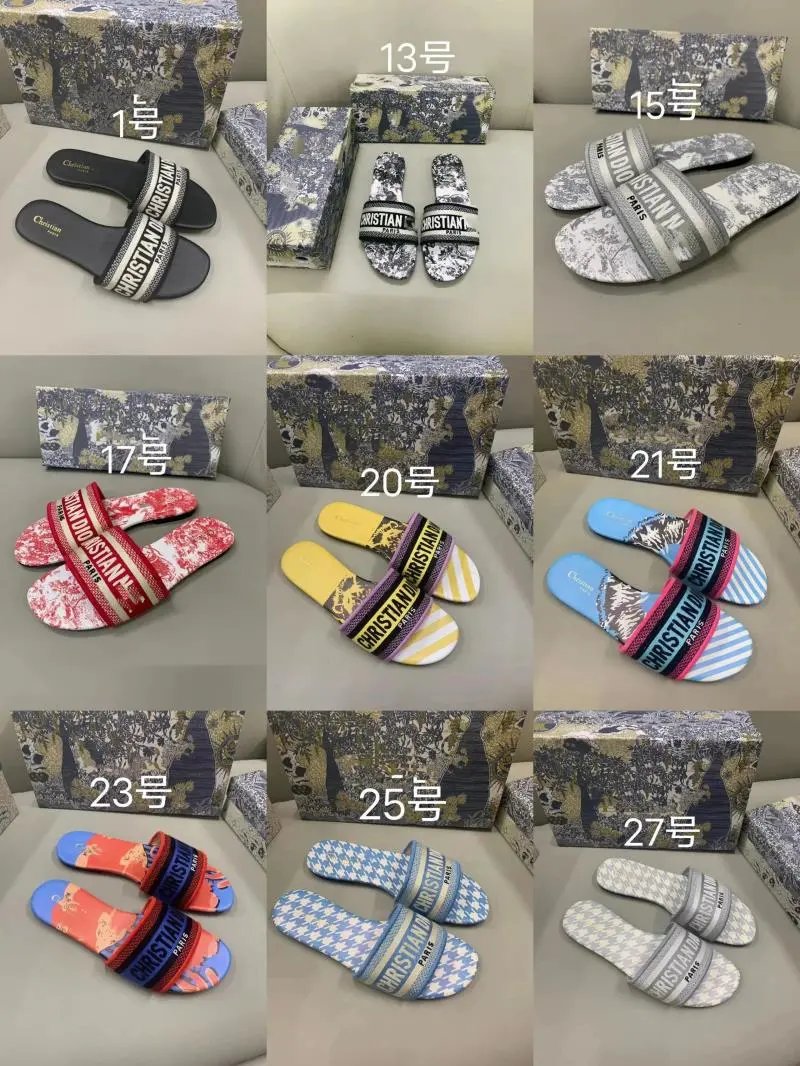
DS Slippers | Wheebuy spreadsheet | LoongBuy spreadsheet | Lovegobuy spreadsheet - 135724

Accessories | UIDBuy spreadsheet | Fishgoo spreadsheet | Oopbuy spreadsheet - 140922

Socks SP2.0 and 3XL Footwear Selection | Kakobuy spreadsheet | iTaoBuy spreadsheet - 152125
Socks SP2.0 and 3XL Footwear Selection | Hubbuycn spreadsheet | Rizzitgo spreadsheet - 152124