Cafans Journal
Stories & FindsEnglish CAFANS Guide: Mastering the Joyagoo Spreadsheet for Smarter Shopping
If you have spent any time in online shopping communities, you have probably seen the term CAFANS floating around. Short for a community-driven approach to finding, sharing, and evaluating product finds, CAFANS has become shorthand for a culture of careful sourcing — and at the center of that culture sits the joyagoo spreadsheet. This English CAFANS guide walks you through what the spreadsheet is, how to use it, and how to pair it with the joyagoo guide, joyagoo product links, and a solid joyagoo shopping guide so you can shop with confidence.
What Is CAFANS?
CAFANS is best understood as a community-assisted find and note system. In practice, it describes the habits shared by experienced shoppers: tracking down reliable product listings, verifying seller feedback, noting price changes, and keeping records so that good finds are not lost. The joyagoo spreadsheet is the practical tool that makes this workflow possible. Instead of scattering links across bookmarks and chat threads, a spreadsheet organizes them into a searchable, sortable archive.
The joyagoo spreadsheet is essentially a curated database. Each row typically represents a single item, while columns hold the details that matter: item name, category, size or variant, price, seller rating, link, and notes. Because the sheet is collaborative, it functions as a living joyagoo shopping guide that improves as more people contribute.
Why Use the Joyagoo Spreadsheet?
The first advantage is organization. A joyagoo spreadsheet guide is far easier to navigate than dozens of open tabs. You can filter by category, sort by price, and search for keywords in seconds. The second advantage is accuracy. Community members cross-check links, flag dead listings, and update prices, which reduces the risk of ordering the wrong item or paying an inflated rate.
The third advantage is discovery. Browsing a well-maintained sheet is like flipping through a neighborhood recommendation list. You will encounter categories and items you never thought to search for, and the associated joyagoo product links take you directly to the listing. For newcomers, this is the fastest route from curiosity to a confident purchase.
How to Read the Spreadsheet
Most versions of the joyagoo spreadsheet follow a similar structure. A typical layout includes:
- Item name and description — a short label plus key details such as material, color, or capacity.
- Category — clothing, accessories, home goods, electronics accessories, and so on.
- Price range — often a band rather than a fixed number, since listings fluctuate.
- Seller or store notes — ratings, shipping speed, and return policy observations.
- Direct link — the joyagoo product link for quick access.
- Community notes — fit remarks, quality flags, and restock alerts.
Treat the sheet as a starting point, not a guarantee. Prices change, inventory shifts, and sellers update their catalogs frequently. Always confirm details on the product page before ordering.
Building Your Own Joyagoo Spreadsheet Guide
You do not need to rely solely on public sheets. Creating a personal joyagoo spreadsheet guide is straightforward and highly rewarding. Start with columns for date added, item, category, price, link, and status. Add a notes column for sizing observations and a status column to mark items as researched, ordered, received, or rejected. Over time, patterns emerge: you will notice which categories consistently deliver good value and which sellers deserve repeat business.
A personal sheet also supports budgeting. By logging prices at the time of discovery, you can compare later and spot genuine discounts. Many shoppers pair this with a wishlist column, moving items into it only after verifying the listing against community feedback.
Using Joyagoo Product Links Safely
Joyagoo product links are the connective tissue of the whole system. When you click a link from a spreadsheet, take thirty seconds to verify the seller profile, review count, and recent feedback. Check whether the listing matches the description in the sheet — photos can differ from the actual variant. If a link is dead or redirects unexpectedly, note it in the sheet so others can update the entry. This small habit keeps the shared resource trustworthy.
A Practical Joyagoo Shopping Guide
Here is a repeatable routine that combines the spreadsheet with good shopping discipline:
- Browse and shortlist. Scan the spreadsheet by category and save candidates to your personal tab.
- Verify. Open the joyagoo product link, review seller metrics, and read recent buyer feedback.
- Compare. Check two or three alternative listings for the same item to benchmark price and shipping.
- Record. Log the chosen listing, price, and date in your sheet.
- Review after delivery. Add a short note about quality, fit, and packaging so future decisions are easier.
This loop turns casual browsing into a structured habit. The spreadsheet becomes a memory aid, and the joyagoo shopping guide becomes a routine rather than a one-off effort.
Common Pitfalls to Avoid
Do not treat any single spreadsheet as authoritative. Community-maintained data can lag behind reality, and occasional errors are inevitable. Avoid impulse purchases based on a single glowing note; look for multiple confirmations. Be wary of sheets that push only a narrow set of links without context — a healthy joyagoo spreadsheet guide includes variety and honest caveats. Finally, respect privacy and avoid sharing personal order details in public sheets.
Conclusion
CAFANS is ultimately about conscientious shopping: researching before buying, recording what you learn, and sharing useful findings. The joyagoo spreadsheet is the practical backbone of that approach, supported by the joyagoo guide, joyagoo product links, and a disciplined joyagoo shopping guide. Whether you contribute to a community sheet or maintain a private one, the payoff is the same — fewer mistakes, better prices, and a clearer picture of what you are actually buying.
Editor's selection
Popular Products
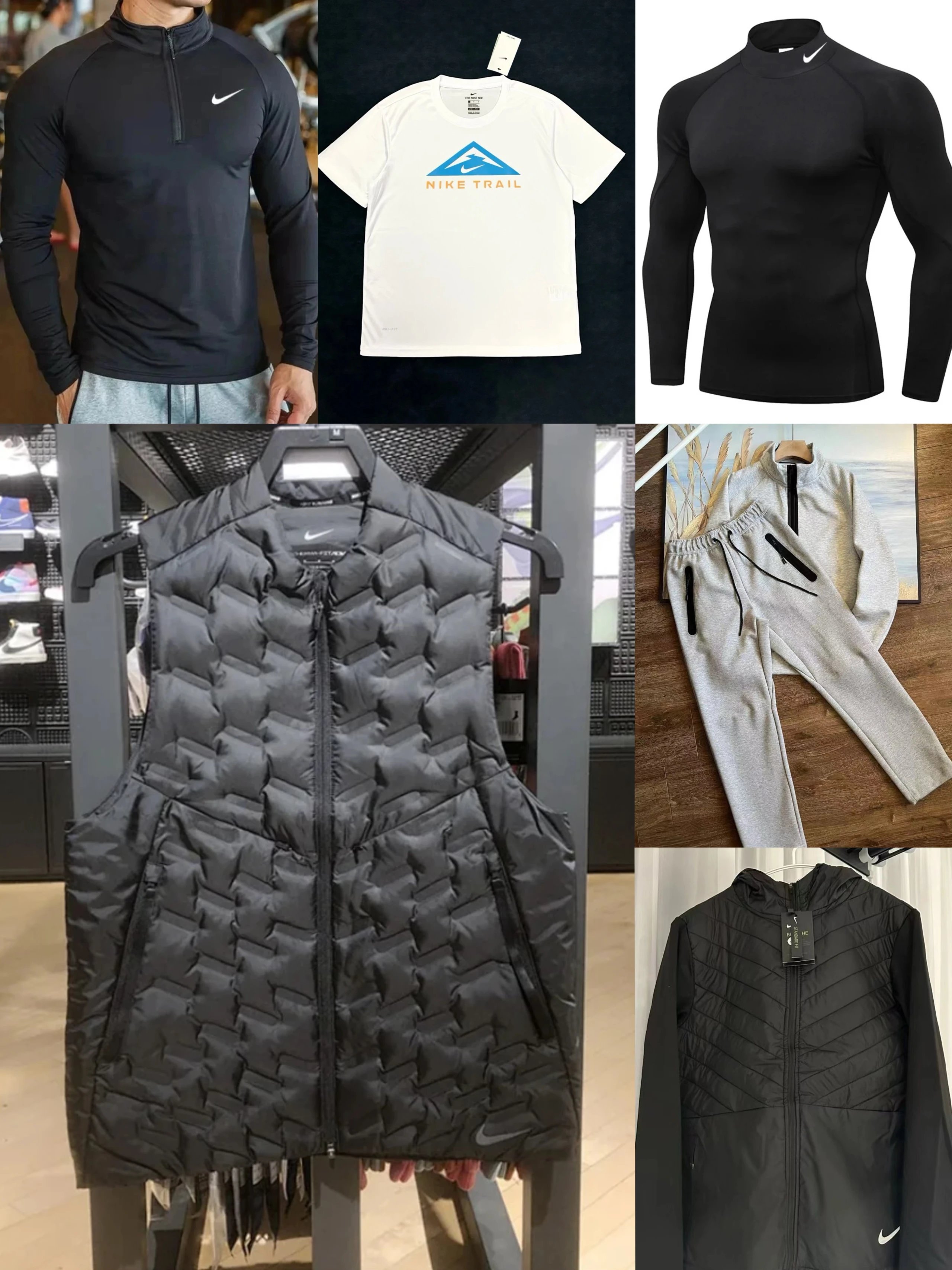
Ni Vests, T-Shirt and Clothing Sets 1000 | JoyaGoo spreadsheet | Sugargoo spreadsheet - 141084

Outfit Set FL01-005ph Spring and Autumn Casual Clothing | Sugargoo spreadsheet | GTBuy spreadsheet - 136271
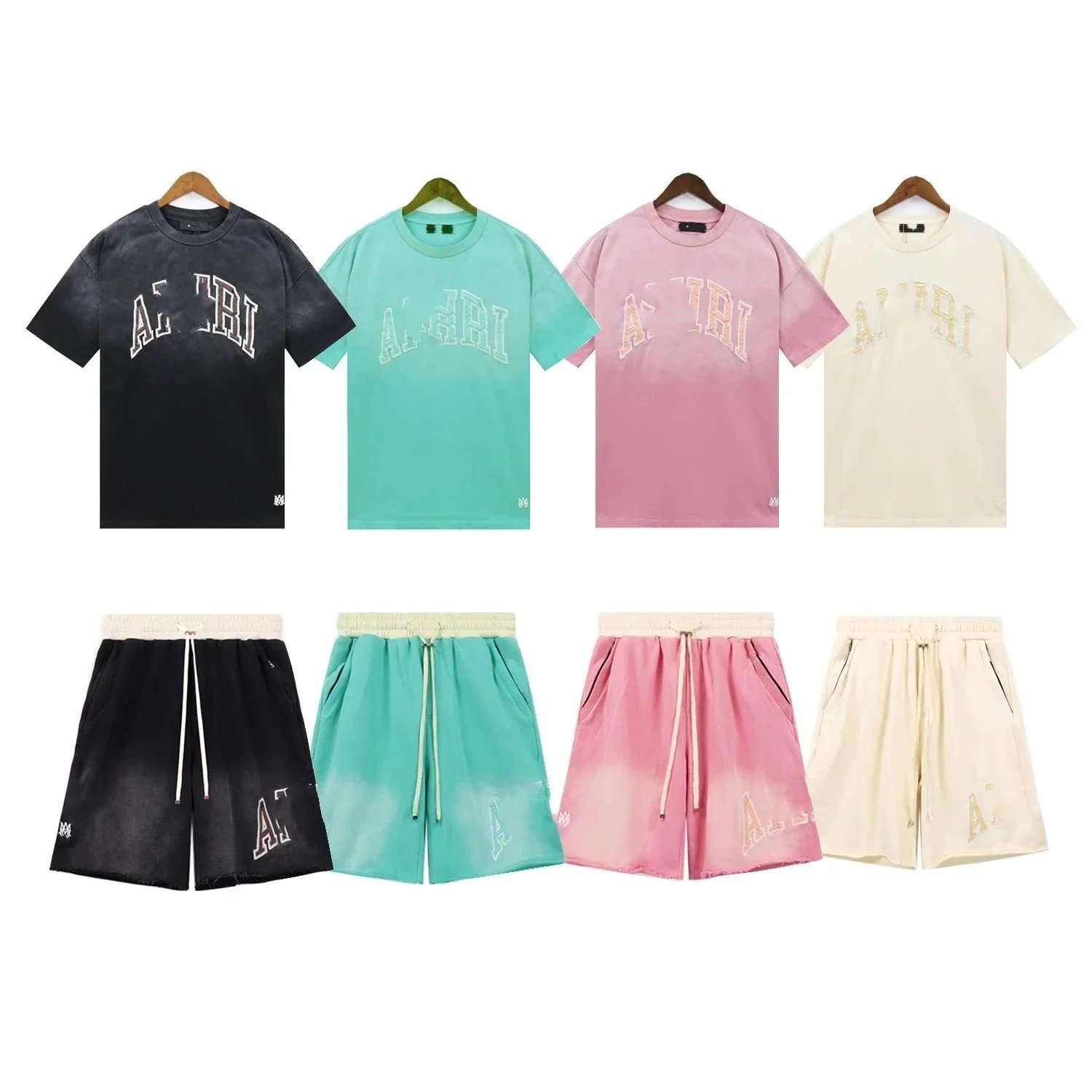
Clothing Set 1 | Oopbuy spreadsheet | BBDBuy spreadsheet | CSSBuy spreadsheet - 136873
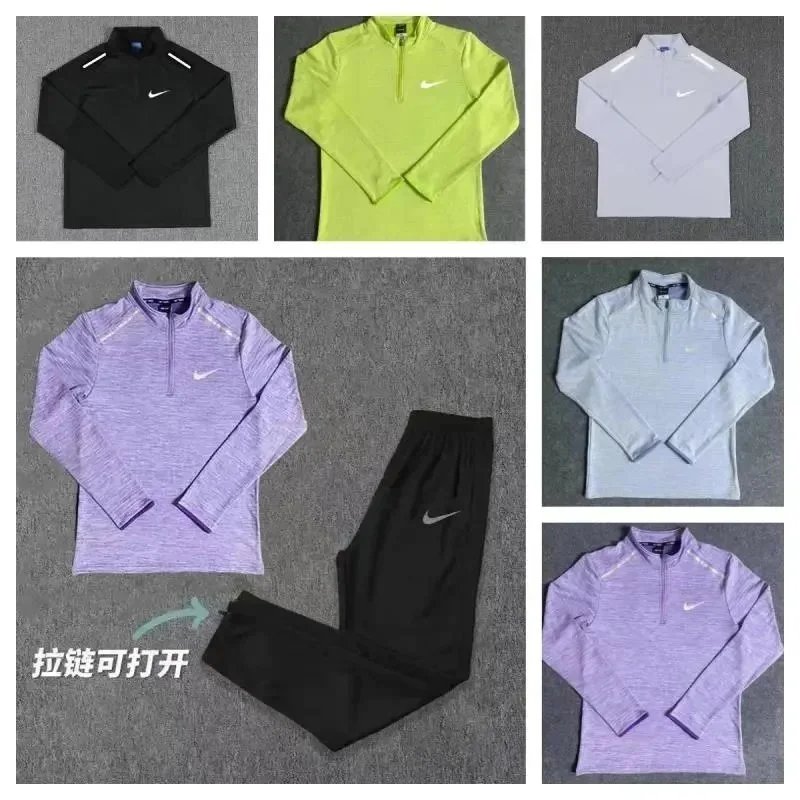
Outfit Set MX16 Clothing Set | Hipobuy spreadsheet | Fishgoo spreadsheet - 137693

D All-Over Print Clothing Set | UIDBuy spreadsheet | Kakobuy spreadsheet | Hipobuy spreadsheet - 136221
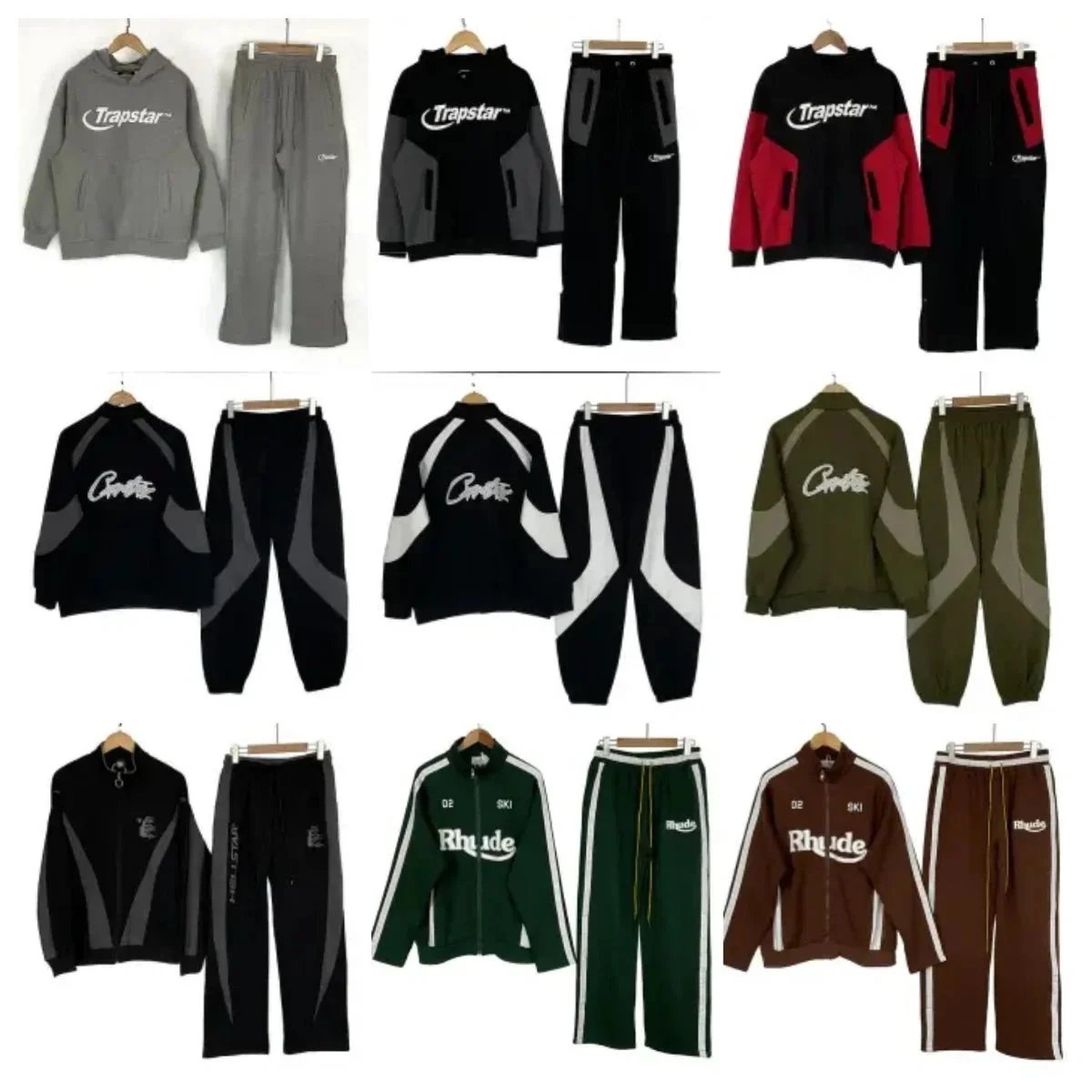
Outfit Set L-001 Casual Hip-Hop Clothing Set | GTBuy spreadsheet | Hubbuycn spreadsheet - 136248

Clothing Set 111 | Wheebuy spreadsheet | BBDBuy spreadsheet - 136980