Cafans Journal
Stories & FindsShipzobuy CAFANS Guide: A Complete 1000-Word Shopping Walkthrough
What the Shipzobuy CAFANS Guide Covers
This Shipzobuy guide explains how to use the CAFANS framework to shop smarter on the Shipzobuy platform. CAFANS stands for Compare, Assess, Filter, Authenticate, Negotiate, Ship — six repeatable steps that turn a chaotic marketplace browse into a controlled buying process. Whether you are a first-time buyer or an experienced reseller, this Shipzobuy shopping guide will help you avoid overpaying, dodge low-quality listings, and build a reliable sourcing routine.
Step 1 — Compare Listings with the Shipzobuy Spreadsheet
The fastest way to compare is to log every candidate item in the Shipzobuy spreadsheet. A well-built sheet should capture the item name, seller rating, unit price, MOQ (minimum order quantity), estimated shipping weight, available colors or sizes, and the listing URL. Sort by landed cost rather than sticker price, because cheap items with heavy shipping frequently cost more overall. Many experienced shoppers keep one tab for candidates and a second tab for confirmed Shipzobuy product links so they can reorder quickly later.
A practical tip: add a "price history" column and check the same listing across two or three weeks. Price swings on popular categories are common, and a 10–15% drop is usually worth waiting for. Use the sheet's conditional formatting to flag sellers whose ratings fall below your threshold.
Step 2 — Assess Seller Reliability
Before committing, assess three signals: seller tenure, transaction volume, and review quality. Read the negative reviews first — they reveal recurring problems such as wrong sizes, delayed dispatch, or misleading photos. Avoid sellers with many identical five-star reviews posted in a short window; that pattern often indicates review manipulation. In this Shipzobuy shopping guide, we recommend a simple rule: no seller below a 4.5 rating and no seller without at least 50 completed orders.
Step 3 — Filter by Real Requirements
Filtering is where most buyers lose money. Define your must-haves before browsing — material, dimensions, certifications, packaging type — and refuse to compromise on them for a discount. For electronics, check voltage and plug standards; for apparel, confirm the size chart is measured in centimeters rather than converted from another scale; for home goods, verify material safety claims. Saving a candidate that fails a must-have simply clutters your spreadsheet and invites impulsive buying.
Step 4 — Authenticate Product Information
Photos can be reused and descriptions can be copied. Cross-check the listing's images with the seller's other listings and with reviews containing buyer photos. Request additional detail shots if the seller is responsive — a seller who answers specific questions clearly is generally more reliable than one who replies with generic templates. For branded goods, treat unusually low prices as a warning sign, and remember that no guide can guarantee authenticity; verification is always your responsibility.
Step 5 — Negotiate and Confirm Terms
Bulk orders almost always have room for negotiation. Ask about tiered pricing, combined shipping, and packaging upgrades. Confirm in writing the dispatch window, the shipping method, the handling of damaged items, and the return window. Keep all Shipzobuy product links and chat records in one folder so disputes are easy to document. If the seller refuses to confirm basic terms in writing, walk away — there are always alternatives.
Step 6 — Ship Smart and Track Everything
Choose a shipping method that balances speed and cost. Consolidate parcels where possible to reduce per-unit freight, and photograph packages on arrival before opening. Update your Shipzobuy spreadsheet with the actual landed cost, arrival date, and any quality issues. Over time this data becomes your most valuable asset, letting you reorder from proven sellers and skip the trial-and-error phase entirely.
Building a Repeatable Routine
The real value of the CAFANS method is repetition. Set a weekly review slot to clean your spreadsheet, archive dead listings, and note price trends. Follow a small set of trusted sellers rather than chasing every new deal. Keep a short list of categories you understand well, and expand slowly into unfamiliar ones. Buyers who document their decisions consistently report fewer returns and better margins than those who shop from memory.
Treat every purchase as a small experiment: record the hypothesis (this seller looks reliable), the evidence (ratings, reviews, sample order), and the result. Within a few months you will have a personal database far more useful than any generic recommendation list. Combine that discipline with the six CAFANS steps, and the Shipzobuy platform becomes a predictable, low-risk sourcing channel rather than a gamble.
Finally, stay flexible. Marketplace conditions shift, sellers change, and shipping costs move. Review your thresholds quarterly, update your spreadsheets, and keep testing small orders before scaling up. That habit — small tests, careful records, gradual expansion — is the heart of this Shipzobuy guide and the reason CAFANS works.
Editor's selection
Popular Products
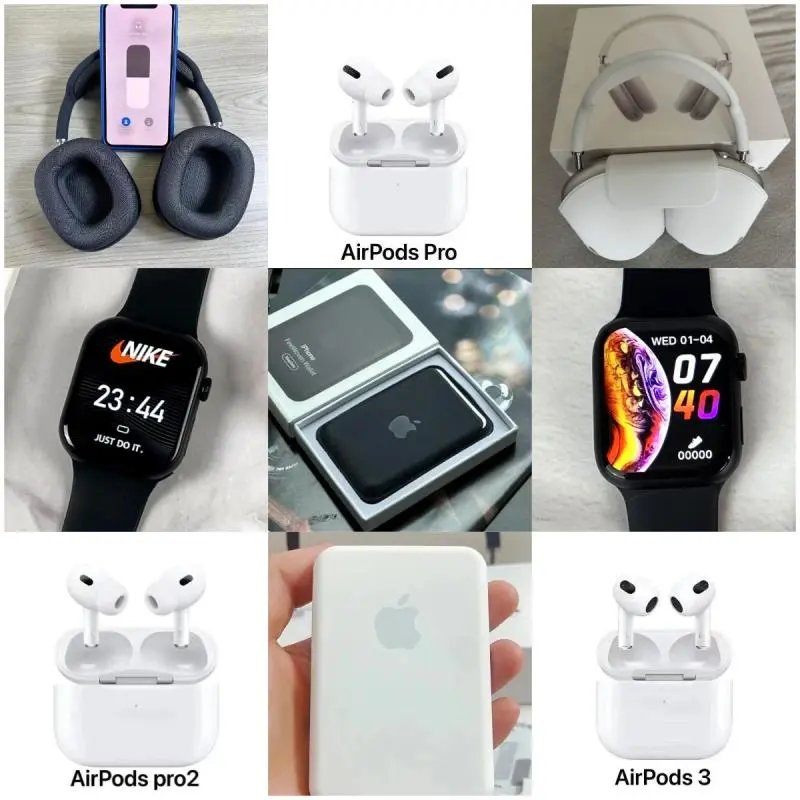
Catalog Item TF25 Digital Electronics | UIDBuy spreadsheet | Fishgoo spreadsheet - 141140
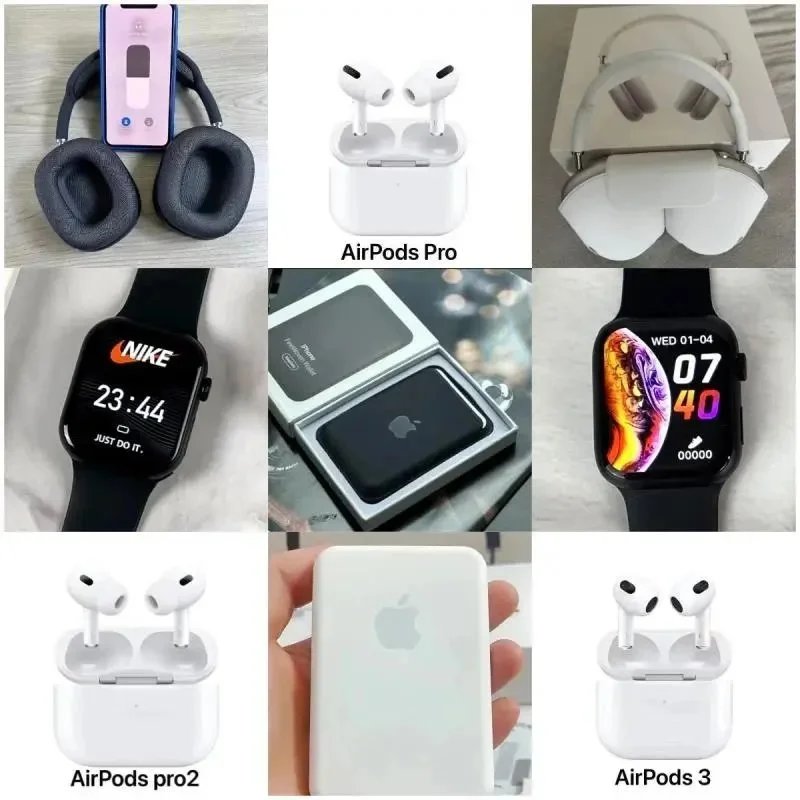
Catalog Item LL55 Digital Electronics | Superbuy spreadsheet | Fishgoo spreadsheet - 138885

Headphones XB22 Headphones and Electronics Selection | LoongBuy spreadsheet | Hubbuycn spreadsheet - 136779
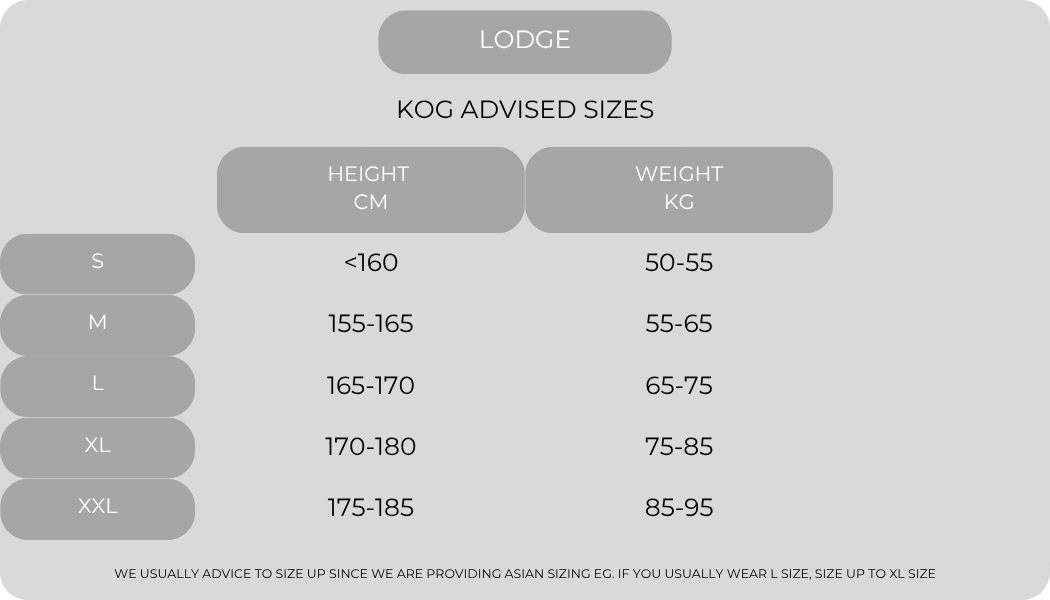
Catalog Item LODGE1200 Apparel | Litbuy spreadsheet | Hubbuycn spreadsheet | LoongBuy spreadsheet - 152120
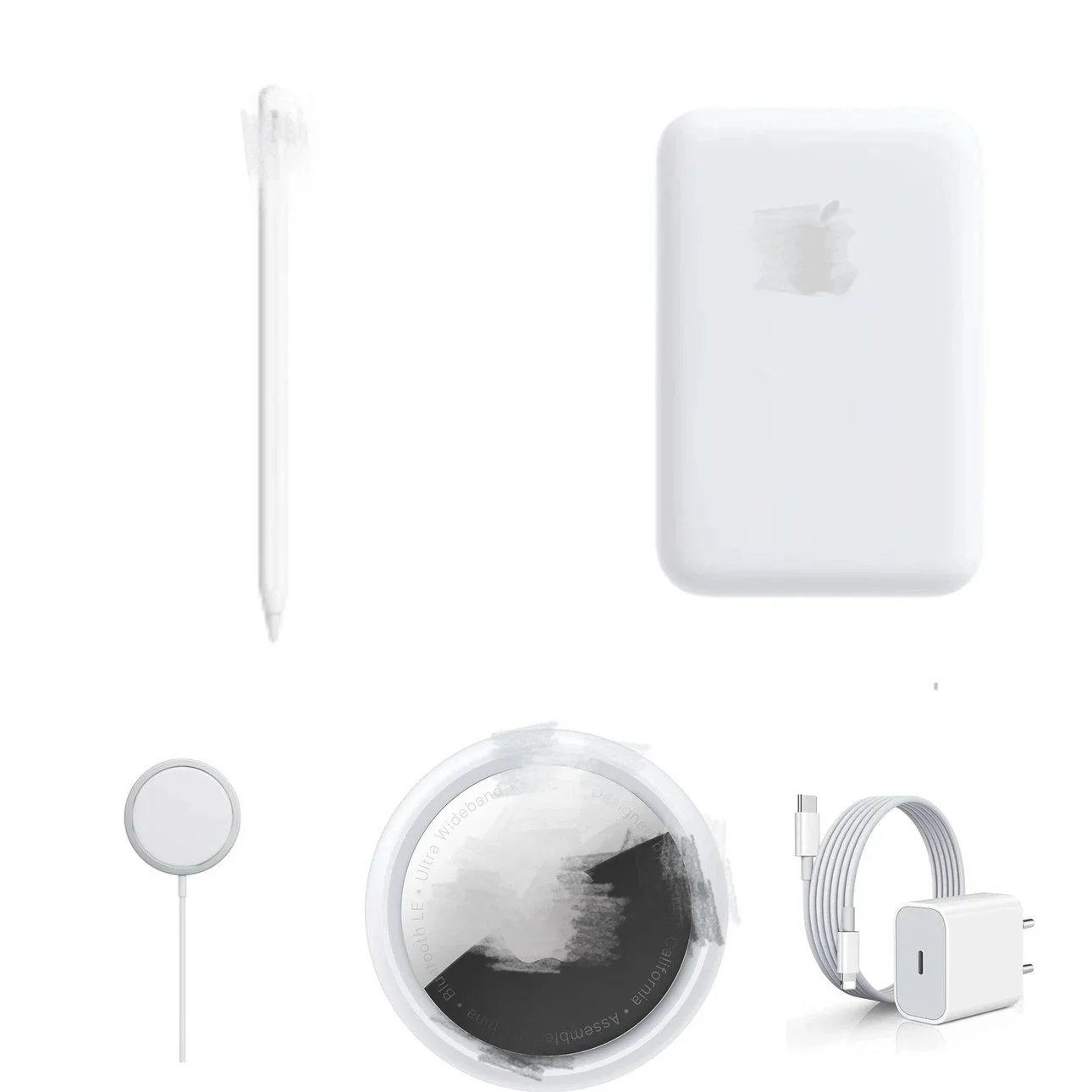
AP Charging and Electronics Accessories Selection | Fishgoo spreadsheet | Sugargoo spreadsheet - 149985

Rick Owens Apparel - Pants | Hipobuy spreadsheet | Oopbuy spreadsheet - 157607

Corteiz Apparel - Pants | Fansbuy spreadsheet | Sugargoo spreadsheet | BBDBuy spreadsheet - 157474