Cafans Journal
Stories & FindsCAFANS Guide: Mastering the Sugargoo Spreadsheet for Smarter Shopping
CAFANS Guide: Mastering the Sugargoo Spreadsheet for Smarter Shopping
If you have spent any time in the replica and agent-shopping community, you have probably heard the name Sugargoo. You may also have come across the term CAFANS and wondered how it fits into the picture. This guide explains what CAFANS means in practice, why the sugargoo spreadsheet has become such a popular tool, and how to use a sugargoo spreadsheet guide to shop more efficiently. Whether you are a first-time buyer or an experienced hauler, the tips below will help you navigate sugargoo product links, avoid common mistakes, and get the most out of your orders.
What Is CAFANS?
CAFANS is a community shorthand that describes the core habits of successful agent shoppers: Compare, Analyze, Filter, Ask, Negotiate, and Save. It is not a brand or a store — it is a workflow. Instead of buying on impulse, CAFANS-style shoppers compare listings, analyze quality tiers, filter out weak products, ask sellers and agents questions, negotiate where possible, and save money through consolidation and shipping optimization. The sugargoo spreadsheet is the natural home for this workflow because it lets you organize finds, track prices, and share discoveries with others.
Why the Sugargoo Spreadsheet Matters
The sugargoo spreadsheet is a curated, community-maintained database of product listings. Each row typically includes a product name, a picture, a category, a price range, available sizes and colors, a quality rating, and a direct link to the item on the Sugargoo platform or the original marketplace. Because the spreadsheet is updated regularly, it functions as a living sugargoo shopping guide — a single place where beginners and veterans can find reliable sugargoo product links without digging through endless forum threads.
The biggest advantage is organization. Instead of bookmarking dozens of scattered links, you can search the spreadsheet by category, budget, or seller reputation. That structure makes it much easier to build a haul, compare alternatives, and spot seasonal discounts.
How to Use the Sugargoo Spreadsheet: A Step-by-Step Guide
1. Find the Latest Version
Spreadsheets are frequently updated, so always look for the most recent version. Old copies may contain dead links or outdated prices. Bookmark the official community page or pinned post so you can check for updates before every haul.
2. Read the Columns Carefully
A good sugargoo spreadsheet guide will explain what each column means. Pay attention to fields like batch, seller, QC status, and weight. Batch matters because different production runs of the same item can vary in quality. Weight matters because international shipping is often charged by volumetric or actual weight.
3. Filter by Category and Budget
Use the spreadsheet’s filter function to narrow results. If you are shopping for sneakers, filter out apparel and accessories. If your budget is tight, sort by price. This is the “Filter” step of the CAFANS method in action.
4. Cross-Check Product Links
Before adding an item to your cart, open the sugargoo product links and verify the listing. Check the size chart, color options, and seller rating. If something looks off — for example, a suspiciously low price or missing measurements — move on. Cross-checking is the “Analyze” step, and it saves time and money.
5. Request QC Photos
Once you place an order, Sugargoo’s warehouse team can provide quality-control photos. Use these to confirm that the item matches the spreadsheet description. If it does not, you can often return or exchange it before international shipping. This is the “Ask” step — never hesitate to contact customer service with questions.
6. Consolidate Your Haul
Shipping multiple items together usually costs less than sending them separately. The spreadsheet helps here too: you can note the weight of each item and estimate your total shipping cost before checkout. This is the “Save” step, and it is where disciplined shoppers really win.
Common Mistakes to Avoid
- Using outdated spreadsheets: Dead links and stale prices waste time. Always confirm you have the current version.
- Ignoring seller reputation: A cheap price means little if the seller has a poor track record. Check reviews and QC history.
- Skipping QC photos: They are your best protection against receiving a flawed item.
- Forgetting about shipping weight: A bargain item can become expensive once international shipping is added.
- Buying without comparing: The “Compare” step exists for a reason — similar items often differ significantly in quality and price.
Who Should Use This Guide?
This sugargoo shopping guide is written for anyone who wants a more structured approach to agent shopping. Beginners will appreciate the step-by-step structure, while experienced buyers can use the spreadsheet to track new batches and seasonal releases. The CAFANS method works for sneakers, hoodies, t-shirts, jackets, bags, watches, accessories, and home goods — basically any category you can find in the spreadsheet.
Final Thoughts
The sugargoo spreadsheet is more than a list of links. Combined with the CAFANS workflow, it becomes a practical system for comparing products, analyzing quality, filtering options, asking the right questions, negotiating where possible, and saving money on shipping. Use this sugargoo spreadsheet guide as your starting point, keep your spreadsheet updated, and always verify sugargoo product links before checkout. With a little discipline, you can turn a chaotic shopping experience into a smooth, rewarding haul.
Editor's selection
Popular Products

Outdoor Casual Sneakers | Hipobuy spreadsheet | OOTDBuy spreadsheet | JoyaGoo spreadsheet - 141223

Sneakers B22 B30 Unisex Classic Sneakers | UIDBuy spreadsheet | BBDBuy spreadsheet - 135717

Sneakers 04 Classic Sneakers | LoongBuy spreadsheet | JoyaGoo spreadsheet | USFans spreadsheet - 135678
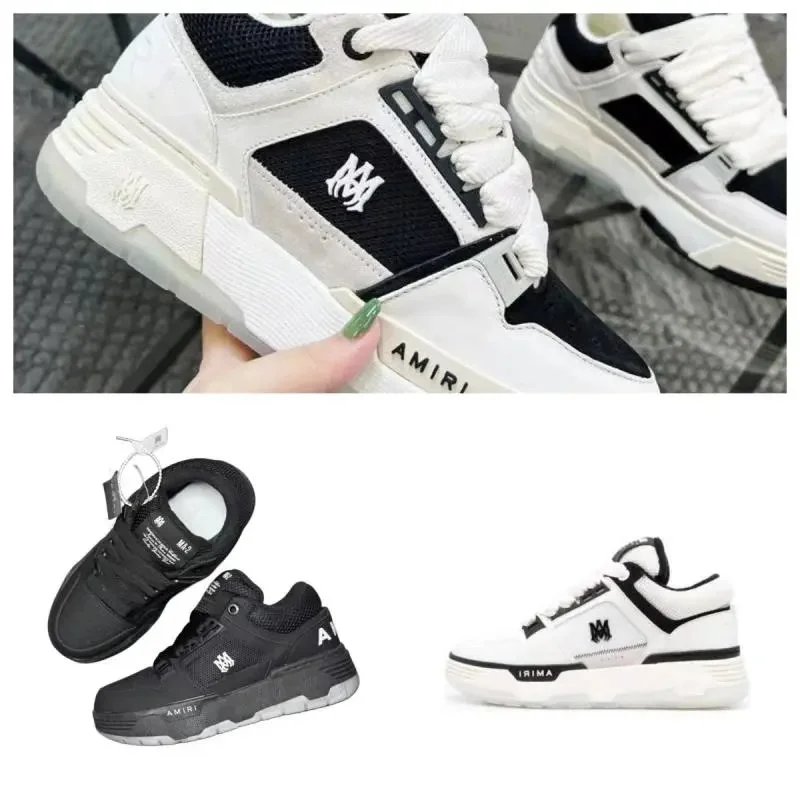
Sneakers P-0100 Unisex Sneakers | Kakobuy spreadsheet | BBDBuy spreadsheet | MyCNBox spreadsheet - 136114
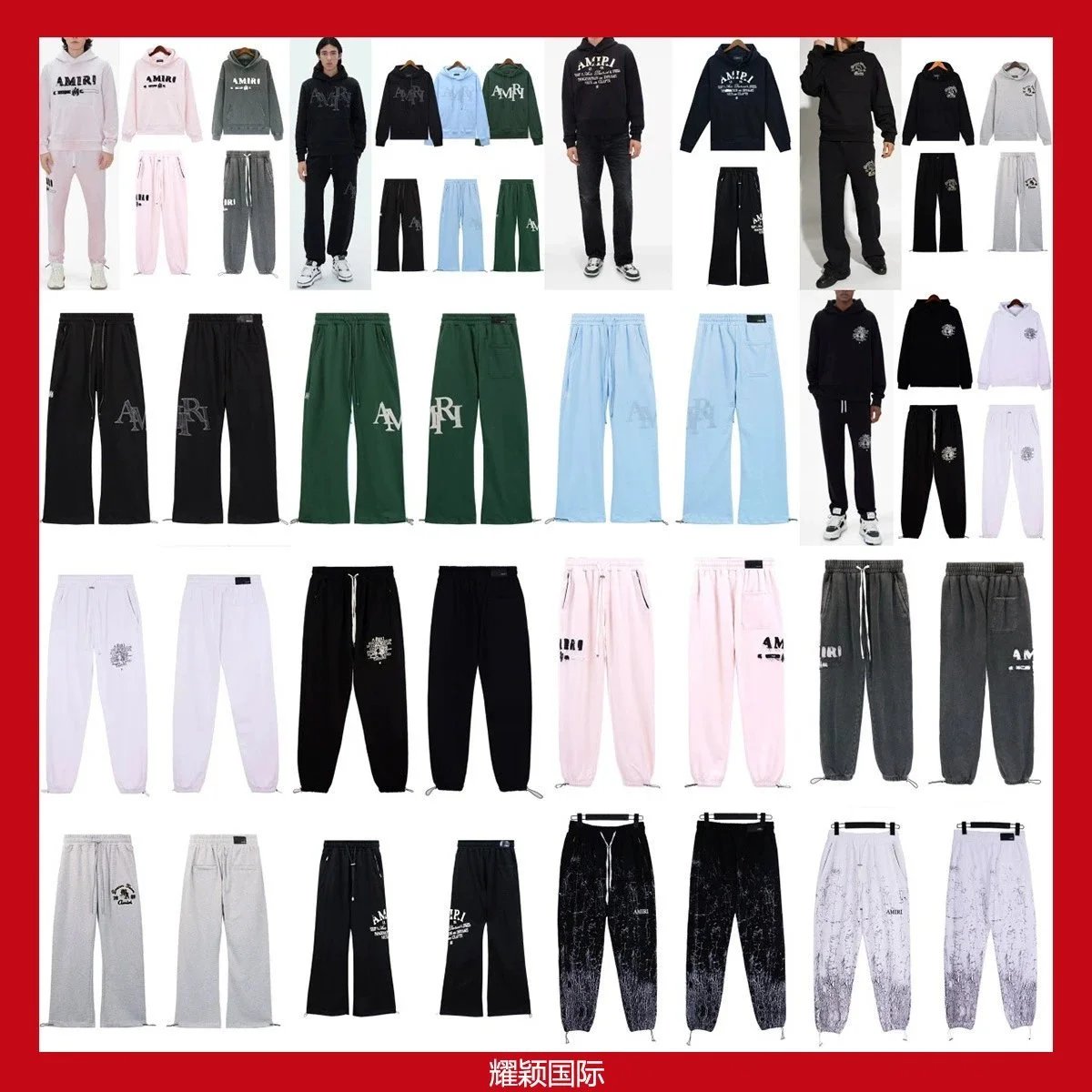
Graphic Hoodies and Sweatpants Collection LH25 Unisex | Oopbuy spreadsheet | Hipobuy spreadsheet - 140989

Sneakers 2025 Skate Sneakers | MyCNBox spreadsheet | iTaoBuy spreadsheet | USFans spreadsheet - 135965
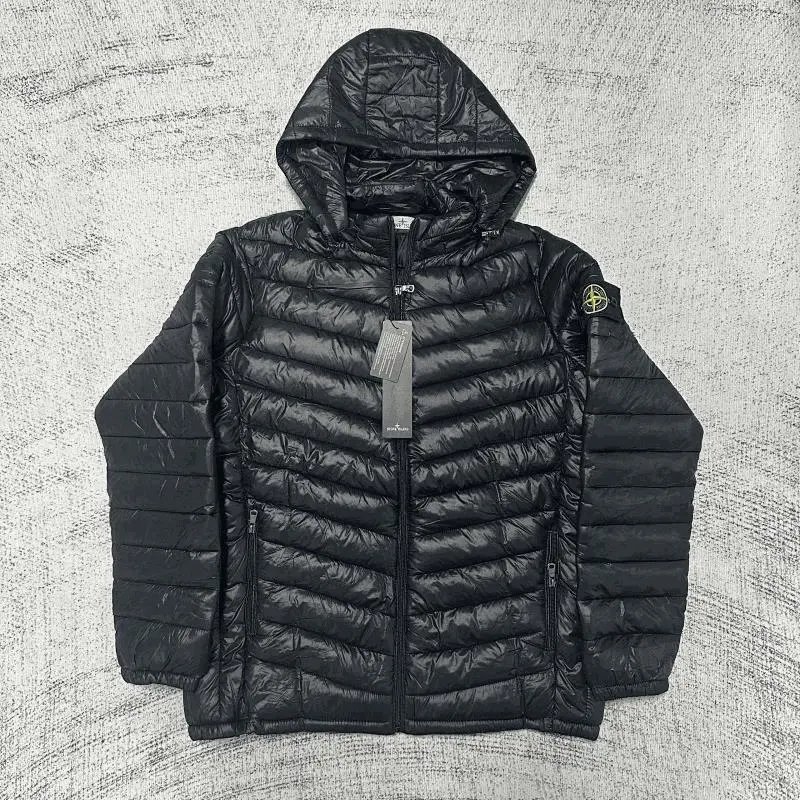
Winter Loose Down Jackets, Sweatshirts and Sweaters 003 | Sugargoo spreadsheet | CSSBuy spreadsheet - 141091