Cafans Journal
Stories & FindsJoyagoo Spreadsheet Guide: The English CAFANS Buying Method Explained
Joyagoo Spreadsheet Guide: The English CAFANS Buying Method Explained
If you have spent any time in English-language shopping communities, you have probably seen the phrase "CAFANS" used alongside spreadsheet links. This guide explains what CAFANS means, how the joyagoo spreadsheet works, and how to use a joyagoo guide to shop smarter. Whether you are a first-time buyer or an experienced reseller, this joyagoo shopping guide will walk you through the essentials of the joyagoo spreadsheet guide and point you toward reliable joyagoo product links.
What Is CAFANS?
CAFANS is an English shorthand used by shopping communities to describe a curated spreadsheet workflow. Each letter stands for a step in the buying process: Collect, Assess, Find, Alternatives, Narrow, and Ship. The method was popularized by buyers who wanted a repeatable system for evaluating items found through spreadsheet catalogs rather than random browsing.
In practice, CAFANS turns a chaotic list of links into a structured shopping plan. The joyagoo spreadsheet is one of the most commonly referenced catalogs in these communities, which is why the two terms often appear together.
Step 1: Collect — Building Your Spreadsheet Shortlist
The first CAFANS step is collection. Rather than opening dozens of tabs, you copy the rows that interest you from the joyagoo spreadsheet into a private shortlist. Most spreadsheets include columns for item name, category, price range, seller rating, and reference photos.
A good joyagoo spreadsheet guide will tell you to record the row number and date you found each item. Spreadsheet catalogs are updated frequently, so entries can move, change price, or disappear. Keeping timestamps helps you verify later whether a listing is still active.
Step 2: Assess — Reading the Data Critically
Assessment is where many new buyers struggle. A spreadsheet is a data source, not a recommendation engine. Look at seller ratings, order counts, and review photos before trusting any row.
- Check whether the seller has a consistent history, not just one good week.
- Compare the listed measurements against size charts you already own.
- Look for real customer photos rather than only catalog images.
- Note the material composition, especially for clothing and accessories.
Any honest joyagoo guide will remind you that spreadsheets are compiled by volunteers, so errors and outdated rows are normal. Cross-check important details before ordering.
Step 3: Find — Locating Reliable Product Links
Once you have a shortlist, the next step is locating the actual product page. This is where joyagoo product links come in. A well-maintained spreadsheet usually includes a direct link column, but links can break when sellers relist items.
If a link fails, search the item name and a distinctive detail, such as a colorway or a print, rather than the full title. Many listings use near-identical titles, so specific keywords matter. Save working links in your own document so you are not dependent on a single source.
Step 4: Alternatives — Comparing Before You Commit
CAFANS emphasizes alternatives because the first listing you find is rarely the best value. For every shortlisted item, identify at least one alternative seller or a similar style at a different price point.
This step is especially useful for footwear, bags, and home goods, where many sellers carry overlapping inventory. Comparing two or three options helps you judge whether a price is reasonable and whether shipping times are competitive.
Step 5: Narrow — Finalizing Your Cart
Narrowing means cutting your list down to what you will actually buy. A common mistake is treating a spreadsheet as a wish list and ordering everything at once. Instead, prioritize items you have assessed carefully and that fit your budget.
Consider consolidating orders from the same seller to reduce shipping costs and simplify tracking. If you are buying clothing, confirm sizes one final time, since return processes can be slow and expensive.
Step 6: Ship — Tracking and Receiving
The final CAFANS step is shipping. Keep a simple log of order numbers, estimated delivery windows, and tracking status. Spreadsheet-sourced orders sometimes ship in multiple parcels, so check each tracking number individually.
When your items arrive, inspect them promptly and compare them against the description and photos. If something is wrong, contact the seller while the order is still recent. Documenting issues with photos makes resolution faster.
Common Mistakes to Avoid
New users of the joyagoo spreadsheet often make predictable errors. Avoid buying based on a single review photo, ignoring size charts, or assuming every row is verified. Do not share personal information in community spreadsheets, and be cautious of links that redirect to unfamiliar domains.
Also remember that prices and availability change. A joyagoo shopping guide is only useful if you treat it as a starting point for your own research rather than a final answer.
Building Your Own Tracking Sheet
Experienced buyers eventually build a personal tracking sheet. Include columns for item name, source row, seller, price, order date, tracking number, and arrival condition. This habit makes repeat purchases easier and helps you spot sellers who consistently deliver good quality.
Over time, your personal notes become more valuable than any public catalog, because they reflect your own sizing, preferences, and budget.
Final Thoughts
The CAFANS method gives structure to spreadsheet shopping. By collecting, assessing, finding, comparing, narrowing, and tracking, you reduce risk and make better decisions. Use the joyagoo spreadsheet as a discovery tool, rely on the joyagoo guide and joyagoo spreadsheet guide for process, and verify joyagoo product links before checkout. With a disciplined joyagoo shopping guide workflow, spreadsheet shopping becomes far more predictable and far less frustrating.
Editor's selection
Popular Products

Shoes Ph076 Breathable Running Shoes | CSSBuy spreadsheet | LoongBuy spreadsheet - 136150
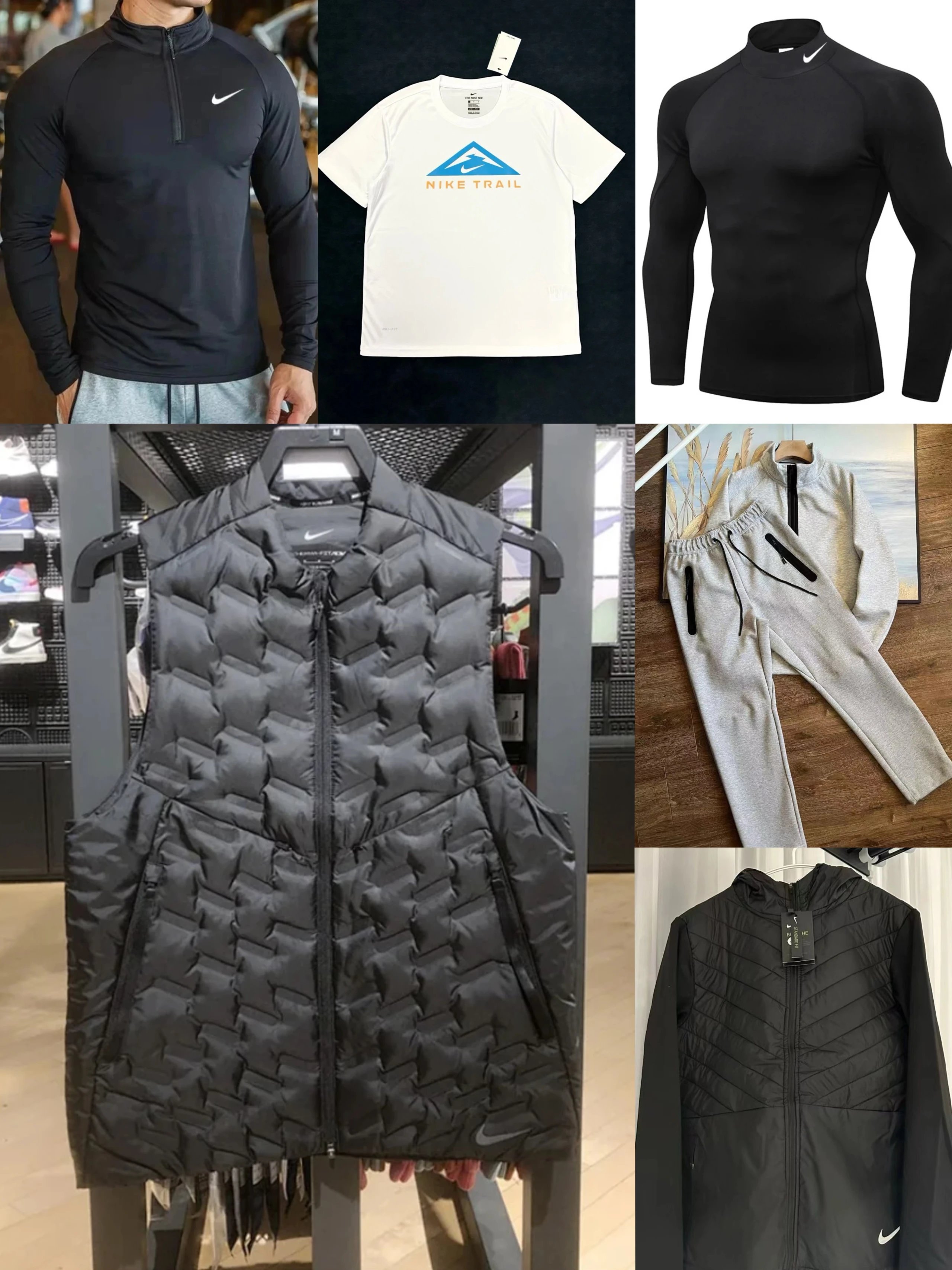
Ni Vests, T-Shirt and Clothing Sets 1000 | JoyaGoo spreadsheet | Sugargoo spreadsheet - 141084
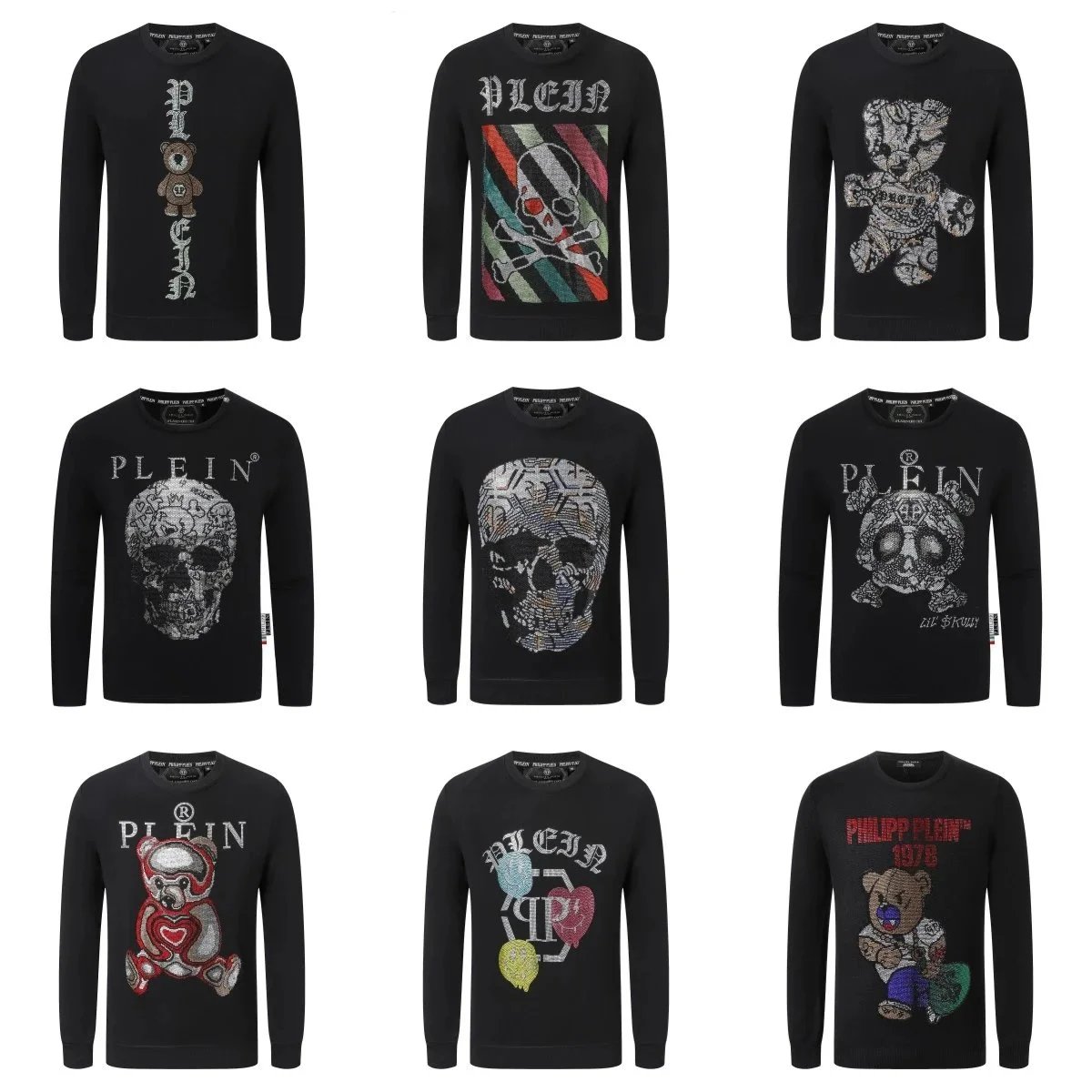
Outfit Set FL01-005ph Spring and Autumn Casual Clothing | Sugargoo spreadsheet | GTBuy spreadsheet - 136271
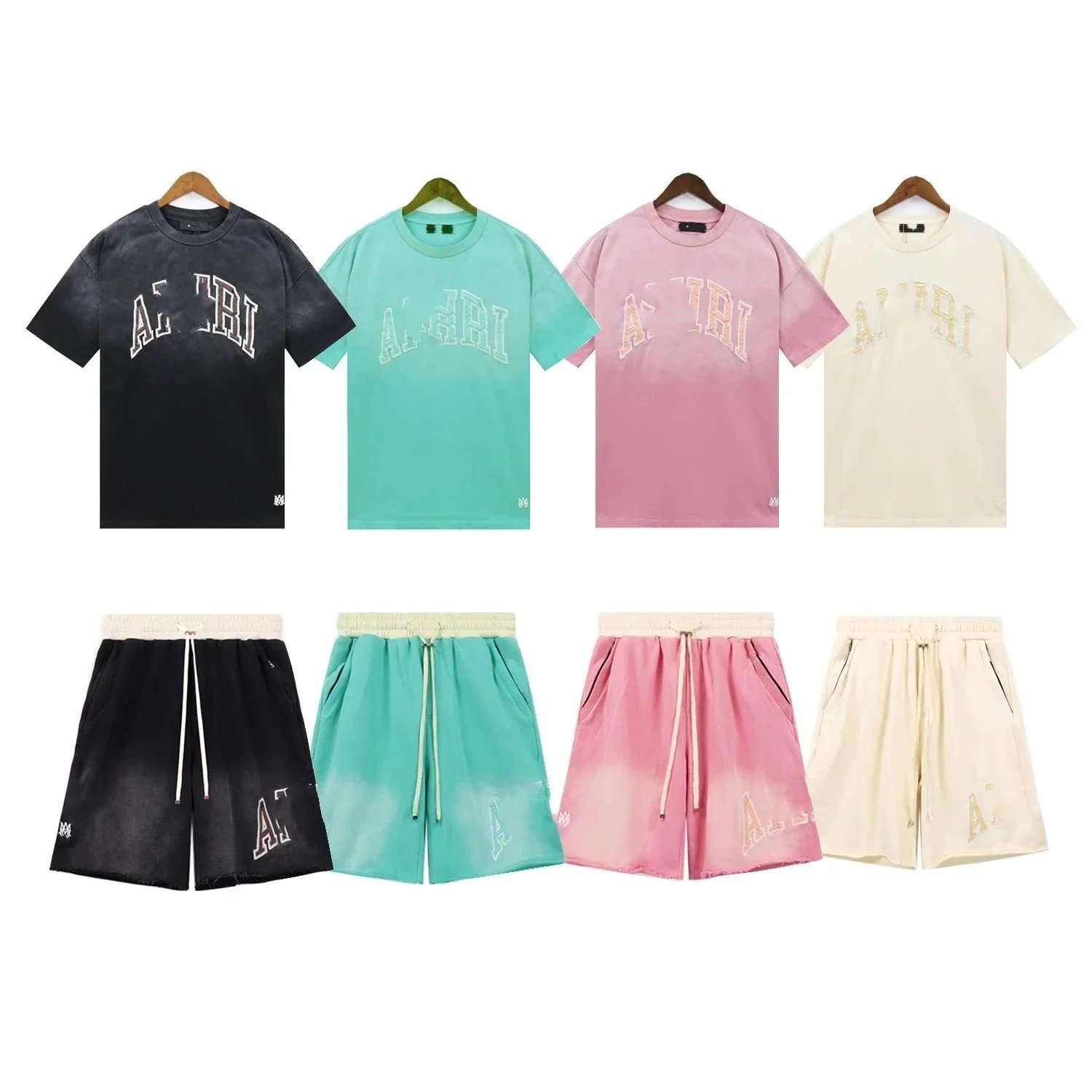
Clothing Set 1 | Oopbuy spreadsheet | BBDBuy spreadsheet | CSSBuy spreadsheet - 136873
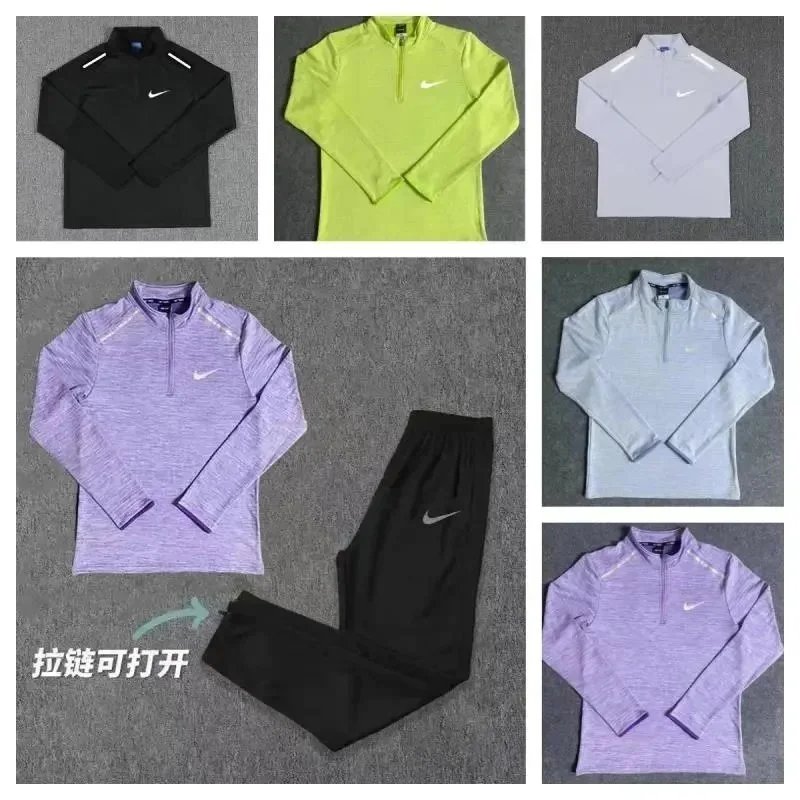
Outfit Set MX16 Clothing Set | Hipobuy spreadsheet | Fishgoo spreadsheet - 137693
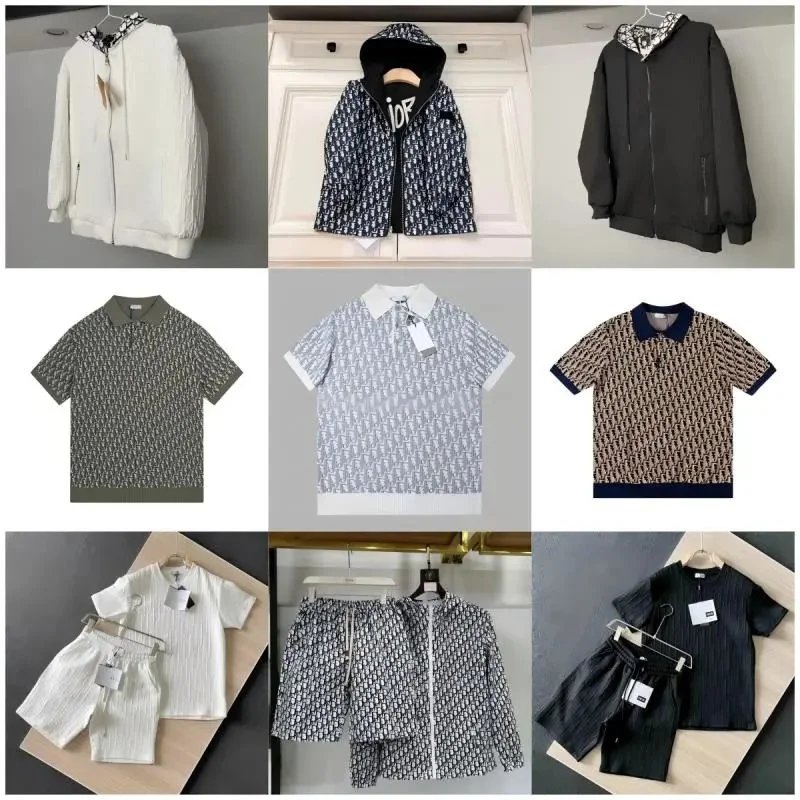
D All-Over Print Clothing Set | UIDBuy spreadsheet | Kakobuy spreadsheet | Hipobuy spreadsheet - 136221
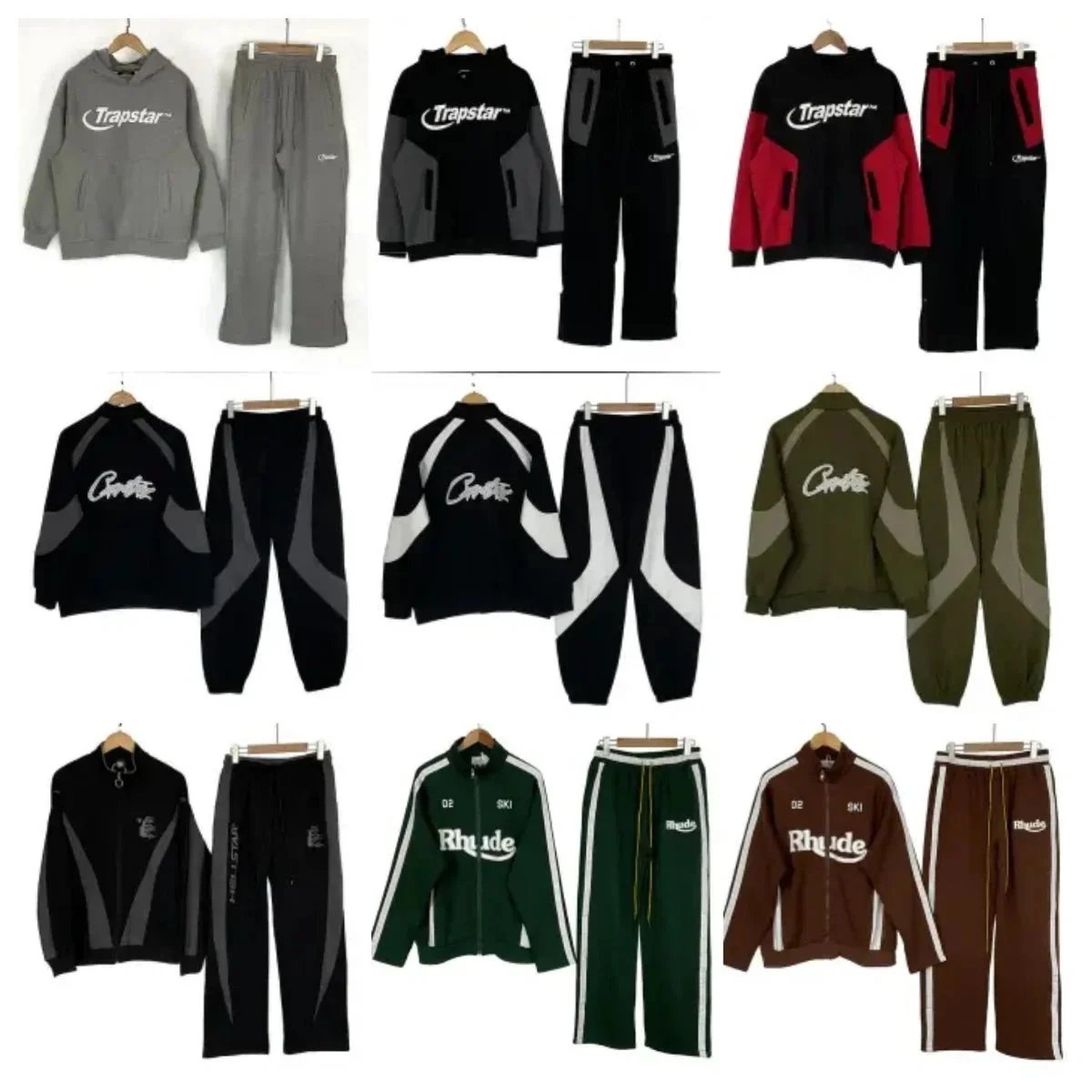
Outfit Set L-001 Casual Hip-Hop Clothing Set | GTBuy spreadsheet | Hubbuycn spreadsheet - 136248