Cafans Journal
Stories & FindsThe English CAFANS Guide: How to Use OrientDig for Smarter Shopping
What is CAFANS? CAFANS is a community shorthand for the workflow, checklists and resources that experienced shoppers use when buying from Chinese marketplaces and agent platforms. The name stands for Check, Assess, Find, Assemble, Navigate, Ship — six stages that keep a purchase organized from the first search to the final delivery. This English CAFANS guide explains each stage and shows how OrientDig fits into it as a discovery and planning tool.
Why Use OrientDig?
OrientDig is a discovery platform that collects product information from multiple marketplaces into one place. Instead of jumping between apps and losing track of links, you can browse a structured catalog, compare listings and keep notes. Shoppers use OrientDig to build a shortlist before ordering through an agent, which reduces mistakes and makes budgeting easier. It is especially useful for buyers outside China who need clearer product details before committing.
The core of the system is the OrientDig spreadsheet. Many users maintain a personal sheet — sometimes called a finds list or haul tracker — where they record item names, sizes, prices, links and seller notes. A well-kept spreadsheet turns a messy wish list into a working purchase plan, and it makes it simple to share finds with friends or a shopping group.
Stage 1: Check
Start by checking your needs and your budget. Decide what categories you are shopping for, such as clothing, sneakers, bags, accessories, electronics, home goods or stationery. Then open the OrientDig guide sections to learn how listings are organized. Read size charts, material descriptions and seller ratings carefully. A reliable quality check at this stage saves return shipping later. Note any item that needs a measurement confirmation, and record it in your spreadsheet with a flag.
Stage 2: Assess
Assess each candidate item before adding it to your cart. Compare prices across listings, look at real buyer photos, and check whether the seller offers the color or size you need. This is where seller reputation, batch quality and accuracy rating matter. Use the OrientDig product links to open original listings and verify details. If a link points to a marketplace you do not use, save the item name and image so an agent can find it for you. Keep a column for “assessed” and “rejected” so your list stays clean.
Stage 3: Find
Finding the right item is the fun part, but it needs structure. Browse categories, use filters, and search by keywords rather than vague descriptions. The OrientDig shopping guide explains how to read titles and spot misleading photos. Build a shortlist of three to five options per item, then rank them by price, quality signals and availability. Collect reference images, size tags and colorways in your spreadsheet. If you are buying for a group, add a “requested by” column so everyone gets credit — and the right size.
Stage 4: Assemble
Assemble your final order. This means consolidating items from different sellers into one agent order where possible, checking shipping weights, and confirming which warehouse each item ships to. Use your spreadsheet to calculate the item total, domestic shipping, service fee and international shipping estimate. Set a budget cap and a reserve fund for surprises. Remember that consolidation can cut costs, but only if the items arrive at the warehouse within a reasonable window. Remove anything you are unsure about; a smaller, confident order beats a large, risky one.
Stage 5: Navigate
Navigate the ordering process with clear communication. Give your agent precise instructions: exact color, size, quantity and any packaging requests. Ask for QC photos — quality control images — before items leave the warehouse. Check the order status, tracking number and warehouse receipt at each step. If something looks wrong in the photos, request an exchange immediately. Keep a log of agent messages and order numbers in your sheet. This stage is where careful shoppers separate themselves from impulse buyers, and where the CAFANS checklist pays off.
Stage 6: Ship
Finally, choose a shipping line that matches your priorities: speed, cost or reliability. Compare shipping lines, delivery time, customs risk and parcel weight. Declare values honestly and follow local import rules. Once the parcel arrives, inspect everything against your spreadsheet, photograph any issues, and leave seller feedback where useful. Update your sheet with final costs so your next order is even smoother. Over time, your personal CAFANS record becomes a valuable buying history and a reference for future hauls.
Building a Better Spreadsheet
A strong OrientDig spreadsheet includes columns for item name, category, seller, price, size, color, link, QC status, shipping status and notes. Add a summary tab with totals and a wish-list tab for future finds. Use consistent naming so you can search quickly. Many shoppers also keep a “reviewed” tab with photos and fit notes, which is helpful when reordering. The spreadsheet is not busywork — it is the memory of your shopping process.
Common Mistakes to Avoid
Do not skip the check stage, do not trust a single photo, and do not ignore shipping estimates. Avoid buying from unverified sellers, and never assume a size will fit without a chart. Keep your order records and payment receipts together. Finally, do not let a long wish list turn into an uncontrolled haul; the CAFANS method exists to keep buying deliberate.
Final Thoughts
The English CAFANS guide is a simple framework: check, assess, find, assemble, navigate, ship. OrientDig supports that framework with organized discovery, product links and practical guides, while your spreadsheet keeps everything traceable. Use the method consistently, and shopping becomes calmer, cheaper and far more predictable.
Editor's selection
Popular Products
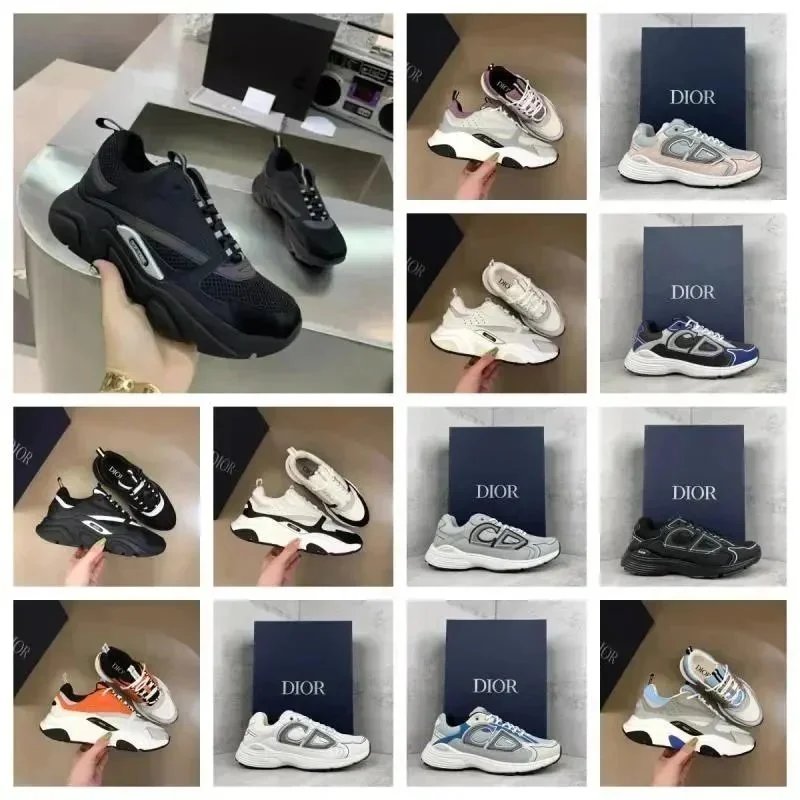
Sneakers B22 B30 Unisex Classic Sneakers | UIDBuy spreadsheet | BBDBuy spreadsheet - 135717
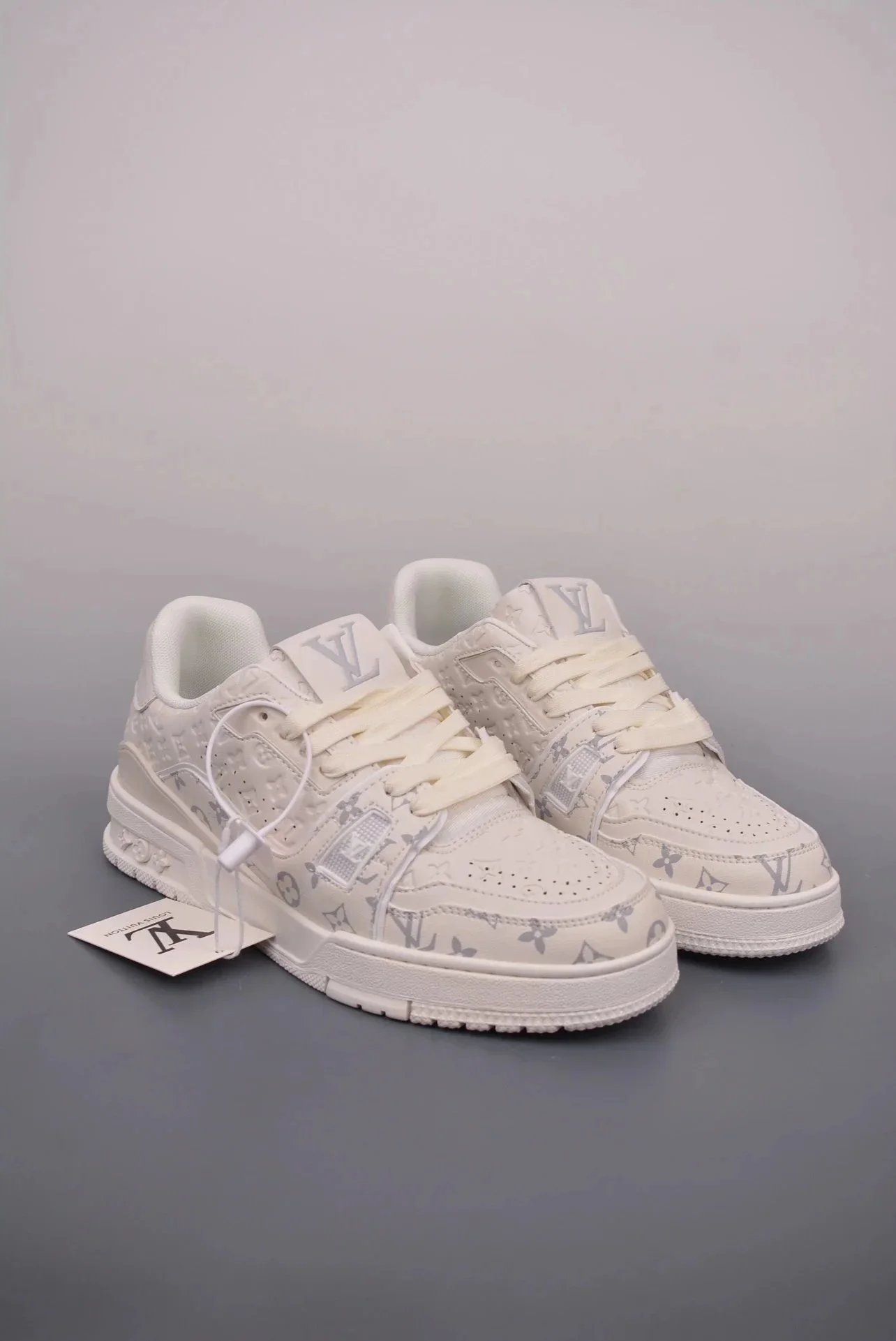
Outdoor Casual Sneakers | Hipobuy spreadsheet | OOTDBuy spreadsheet | JoyaGoo spreadsheet - 141223
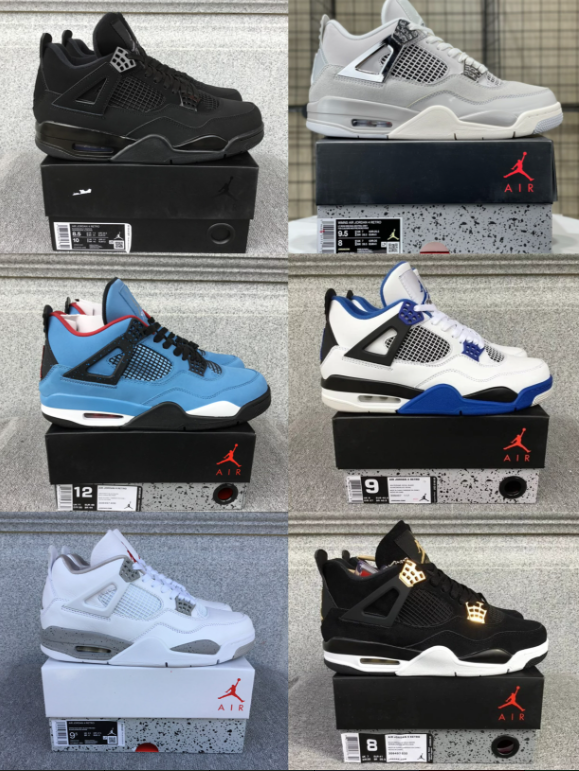
Sneakers 04 Classic Sneakers | LoongBuy spreadsheet | JoyaGoo spreadsheet | USFans spreadsheet - 135678
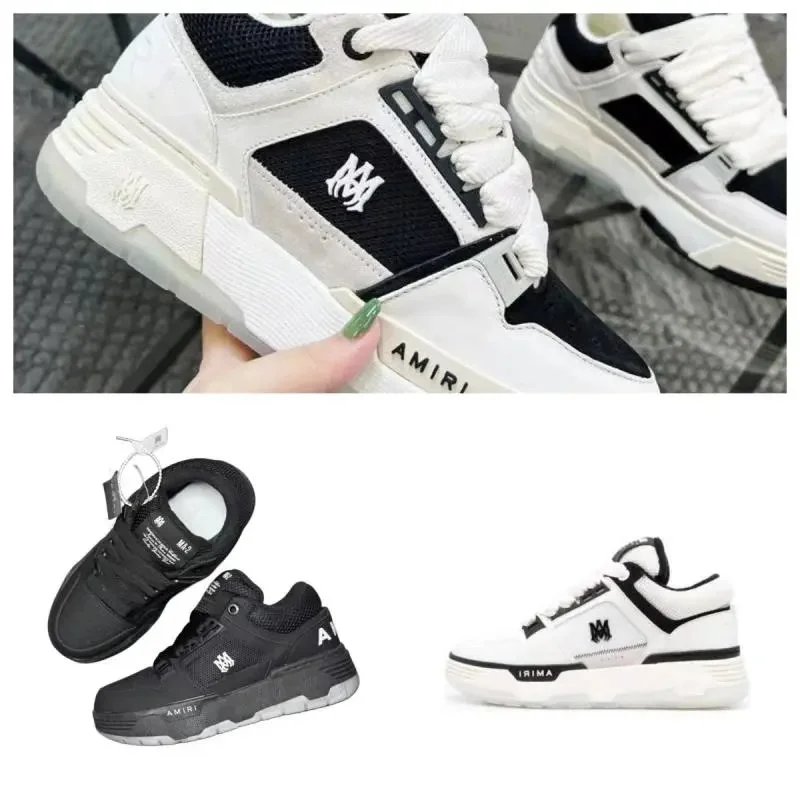
Sneakers P-0100 Unisex Sneakers | Kakobuy spreadsheet | BBDBuy spreadsheet | MyCNBox spreadsheet - 136114

Sneakers 2025 Skate Sneakers | MyCNBox spreadsheet | iTaoBuy spreadsheet | USFans spreadsheet - 135965
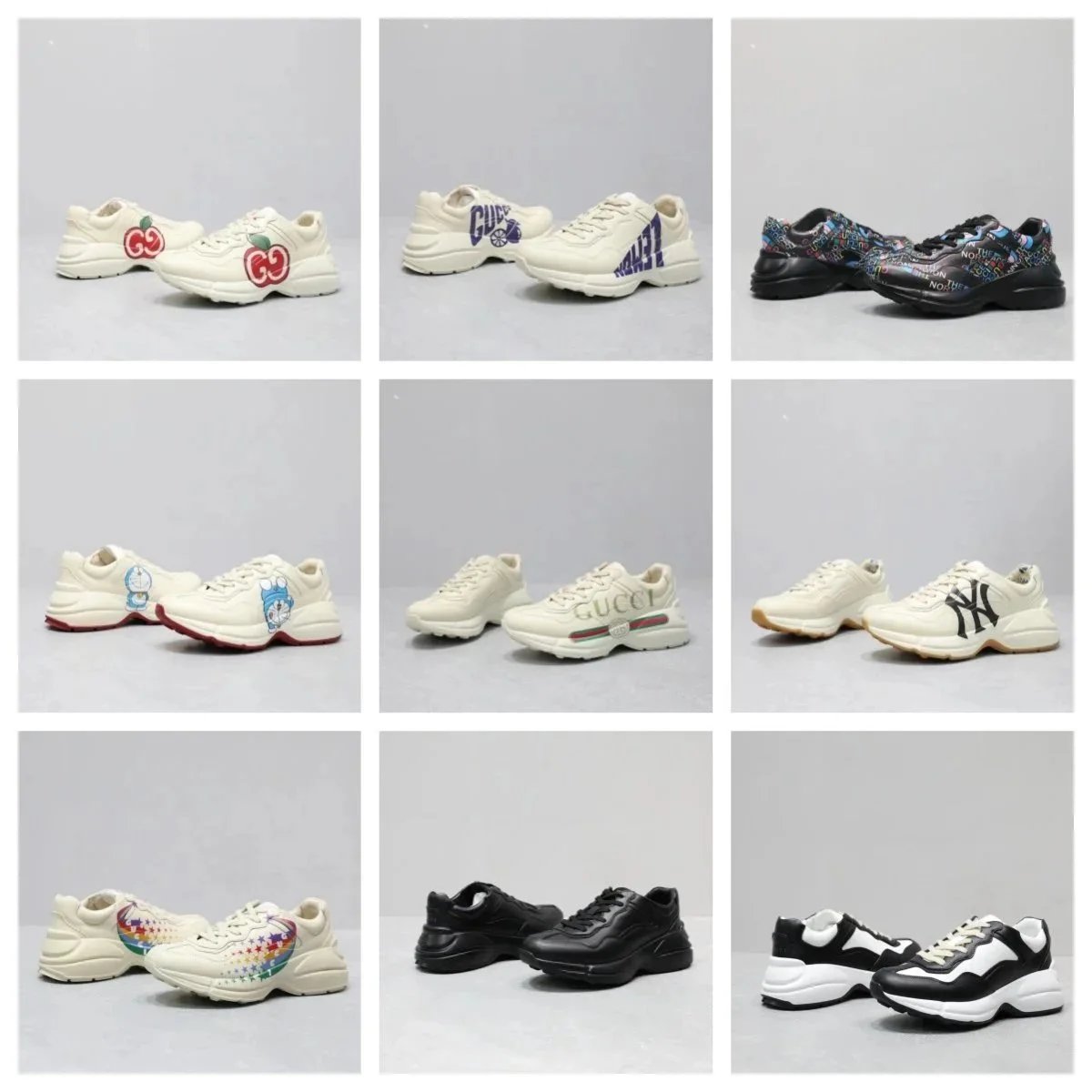
Sneakers BY03-CY Unisex Chunky Sneakers | Wheebuy spreadsheet | Lovegobuy spreadsheet - 141219
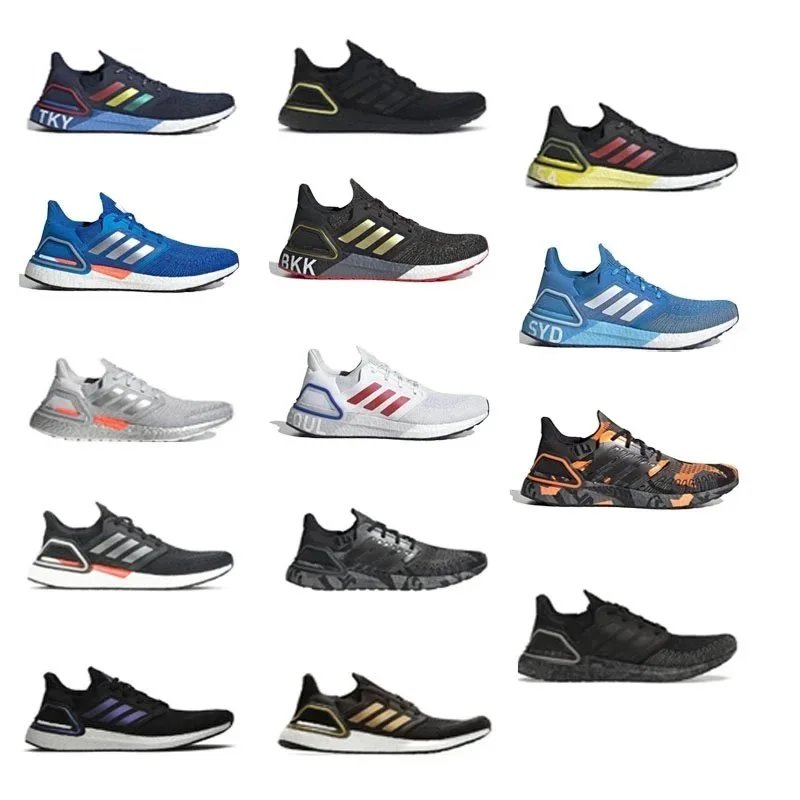
Ads Ultra Boost 20 Sneakers | Kakobuy spreadsheet | Hubbuycn spreadsheet | Hipobuy spreadsheet - 135679