Cafans Journal
Stories & FindsThe English CAFANS Guide: Mastering Oopbuy for Smarter Shopping
What Is Oopbuy? A Complete Introduction
If you have spent any time browsing online shopping communities, you have probably come across the name Oopbuy. In simple terms, Oopbuy is an agent-based shopping platform that helps international buyers purchase products from Chinese marketplaces, consolidate parcels, and manage quality control before shipping. This English CAFANS guide is designed to walk you through everything you need to know, from registering an account to reading an Oopbuy spreadsheet and building a reliable haul.
The platform acts as a middleman. You find a product link, submit it to Oopbuy, and the team purchases the item on your behalf. The item arrives at a warehouse, gets inspected, and can be stored or combined with other purchases. For anyone new to the process, an Oopbuy guide is essential, because the terminology and workflow can feel unfamiliar at first.
Getting Started: Registration and Account Setup
Creating an account is straightforward. You need an email address, a password, and basic shipping information. Once registered, you gain access to your dashboard, where you can submit orders, track parcels, and manage your warehouse inventory. A good Oopbuy shopping guide will remind you to complete your profile early, because missing details can delay purchases.
Before you order anything, take time to understand the fee structure. There are service fees, domestic shipping costs, international shipping charges, and optional value-added services such as extra photos, vacuum packing, or moisture protection. Budgeting for these extras is part of smart shopping, and experienced users always factor them in before committing to a haul.
Finding Products and Using Oopbuy Product Links
The most common way to shop is through Oopbuy product links. You copy a URL from a supported marketplace, paste it into the search bar, and the system generates an order form with size, color, and quantity options. This method works well when you already know exactly what you want.
However, discovering new items is where the community shines. Shoppers share finds on forums, social media groups, and chat channels. An Oopbuy spreadsheet is often used to organize these finds, listing product links, prices, seller ratings, and notes about sizing or quality. These spreadsheets are collaborative, regularly updated, and invaluable for anyone building a themed haul or hunting for specific categories such as sneakers, hoodies, accessories, or home goods.
When browsing, pay attention to seller reputation, return policies, and the difference between stock photos and real images. Requesting additional QC photos is a small cost that can save you from disappointment later.
Placing Orders and Quality Control
Once your order is submitted, the platform purchases the item and waits for delivery to the warehouse. When it arrives, staff inspect the product and upload quality control photos. This step is one of the biggest advantages of using an agent, because you can spot flaws, wrong sizes, or color mismatches before international shipping.
If something is wrong, you can request an exchange or return within the allowed window. If everything looks good, the item sits in your warehouse until you decide to ship it. Patience is important here: waiting for all items in a haul to arrive before shipping usually reduces costs and simplifies logistics.
Consolidation, Shipping, and Customs
Consolidation means combining multiple items into one parcel. This reduces per-item shipping costs and minimizes the number of packages passing through customs. During consolidation, you can choose packaging options, remove unnecessary boxes, and select a shipping line based on speed, price, and destination country.
Each shipping line has different restrictions, weight limits, and tracking quality. Read recent reviews before choosing, and check whether the line handles batteries, liquids, or branded goods. Customs regulations vary by country, so declare accurately and understand your local import thresholds. A reliable Oopbuy shopping guide will always emphasize compliance over shortcuts.
Common Terms and Abbreviations
The community uses a lot of shorthand. Here are thirty related terms you will encounter naturally as you learn:
- Agent – the service that buys and ships on your behalf.
- Haul – a batch of items shipped together.
- QC – quality control photos taken at the warehouse.
- Warehouse – storage facility holding your purchases.
- Consolidation – merging parcels into one shipment.
- Rehearsal – a pre-shipment weight and volume estimate.
- Service fee – charge for purchasing items.
- Domestic shipping – seller-to-warehouse delivery cost.
- International shipping – warehouse-to-door delivery cost.
- Tracking number – code used to follow your parcel.
- Customs – border authority inspecting imports.
- Declaration – stated value and contents of a parcel.
- Weight limit – maximum allowed parcel weight.
- Volumetric weight – size-based shipping calculation.
- Restricted items – goods some lines refuse to carry.
- Sensitive goods – items requiring special handling.
- Seller rating – score reflecting marketplace reliability.
- Return window – period to send items back.
- Exchange – swapping a flawed item for another.
- Refund – money returned after a failed purchase.
- Stock photo – image provided by the seller.
- Batch – production run affecting product quality.
- Size chart – measurements used to pick a fit.
- Fitting – how a garment sits on the body.
- Dead link – product page that no longer exists.
- Coupon – discount code reducing cost.
- Rewards – points earned from purchases.
- Insurance – optional cover for lost or damaged parcels.
- After-sales – support for post-purchase problems.
- Unboxing – opening and reviewing a delivered haul.
Tips for a Smooth Experience
Start small. Place a modest first order to learn the workflow before committing to a large haul. Keep your own spreadsheet of orders, tracking numbers, and costs so nothing gets lost. Communicate clearly in order notes, especially about sizing preferences or packaging requests. Follow community updates, because shipping lines and policies change frequently. Finally, compare quotes across lines and seasons, since prices fluctuate with demand and holidays.
Conclusion
Oopbuy offers a practical route for international shoppers to access a wide range of products with added inspection and consolidation benefits. By understanding the order flow, using Oopbuy product links wisely, relying on an Oopbuy spreadsheet for organization, and following a solid Oopbuy shopping guide, you can shop with confidence. This English CAFANS guide covers the essentials, but experience remains the best teacher. Take your time, ask questions in the community, and enjoy the process of building a haul that matches your needs and budget.
Editor's selection
Popular Products
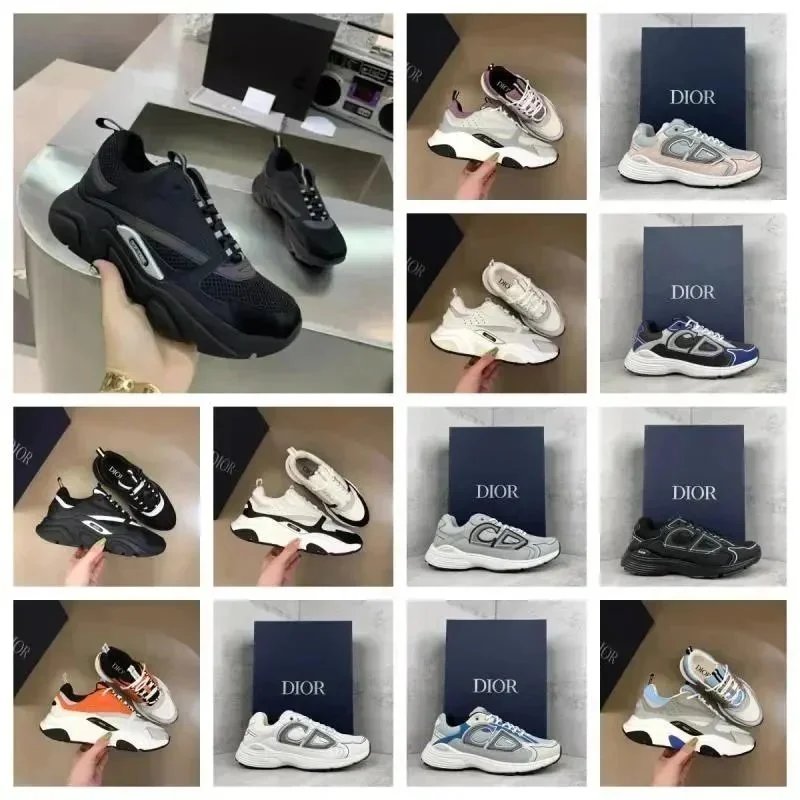
Sneakers B22 B30 Unisex Classic Sneakers | UIDBuy spreadsheet | BBDBuy spreadsheet - 135717

Outdoor Casual Sneakers | Hipobuy spreadsheet | OOTDBuy spreadsheet | JoyaGoo spreadsheet - 141223

Sneakers 04 Classic Sneakers | LoongBuy spreadsheet | JoyaGoo spreadsheet | USFans spreadsheet - 135678
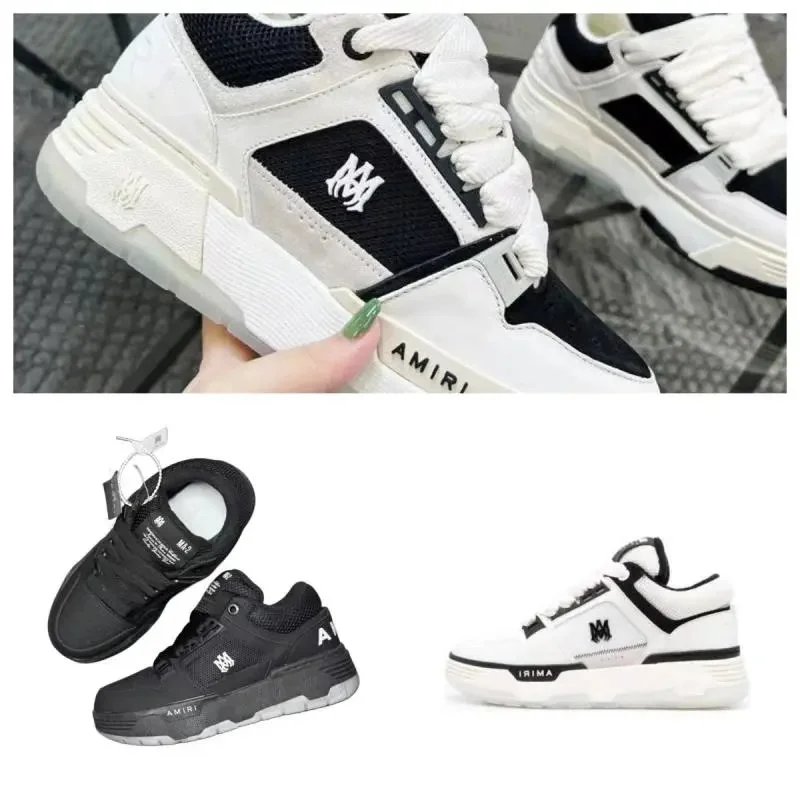
Sneakers P-0100 Unisex Sneakers | Kakobuy spreadsheet | BBDBuy spreadsheet | MyCNBox spreadsheet - 136114
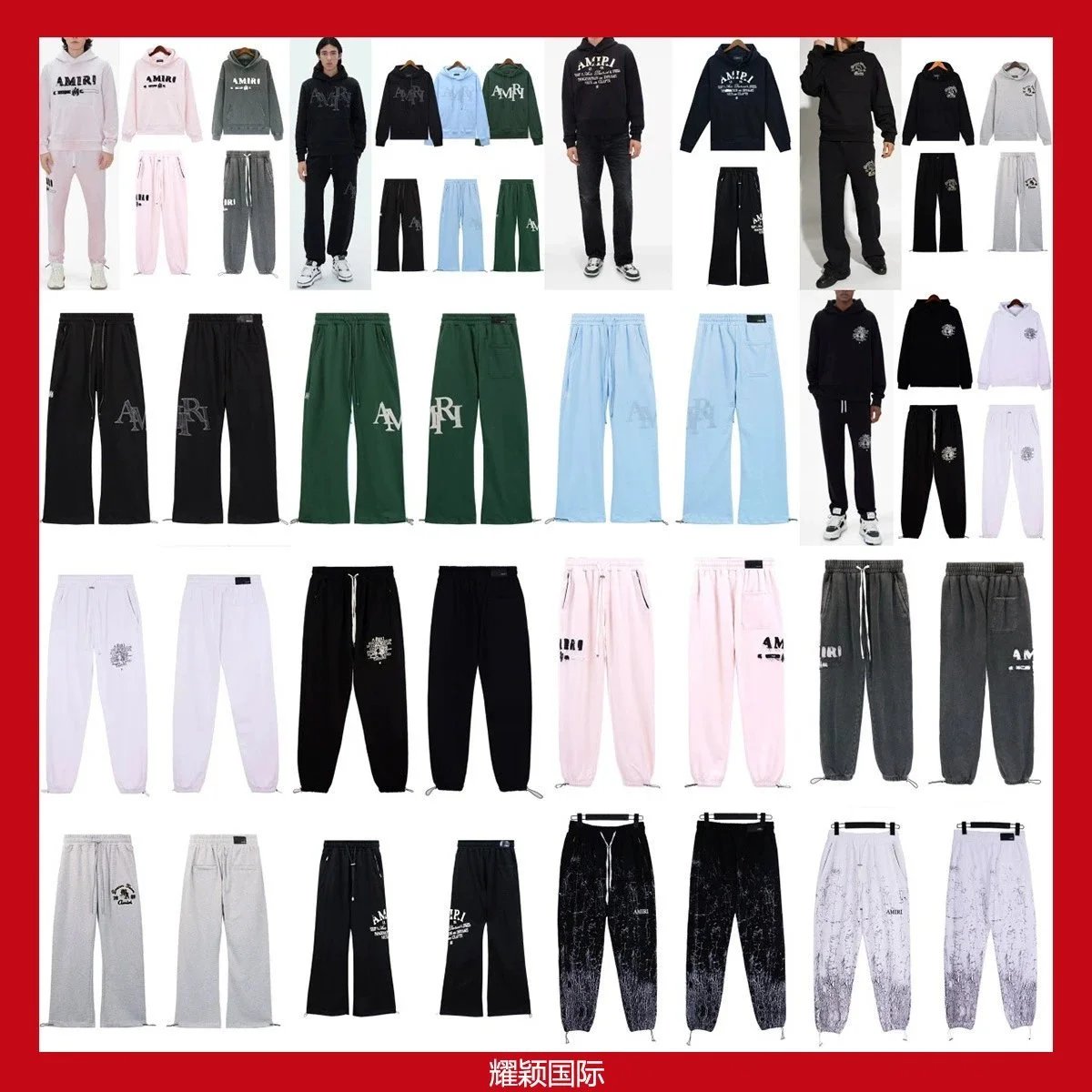
Graphic Hoodies and Sweatpants Collection LH25 Unisex | Oopbuy spreadsheet | Hipobuy spreadsheet - 140989

Sneakers 2025 Skate Sneakers | MyCNBox spreadsheet | iTaoBuy spreadsheet | USFans spreadsheet - 135965
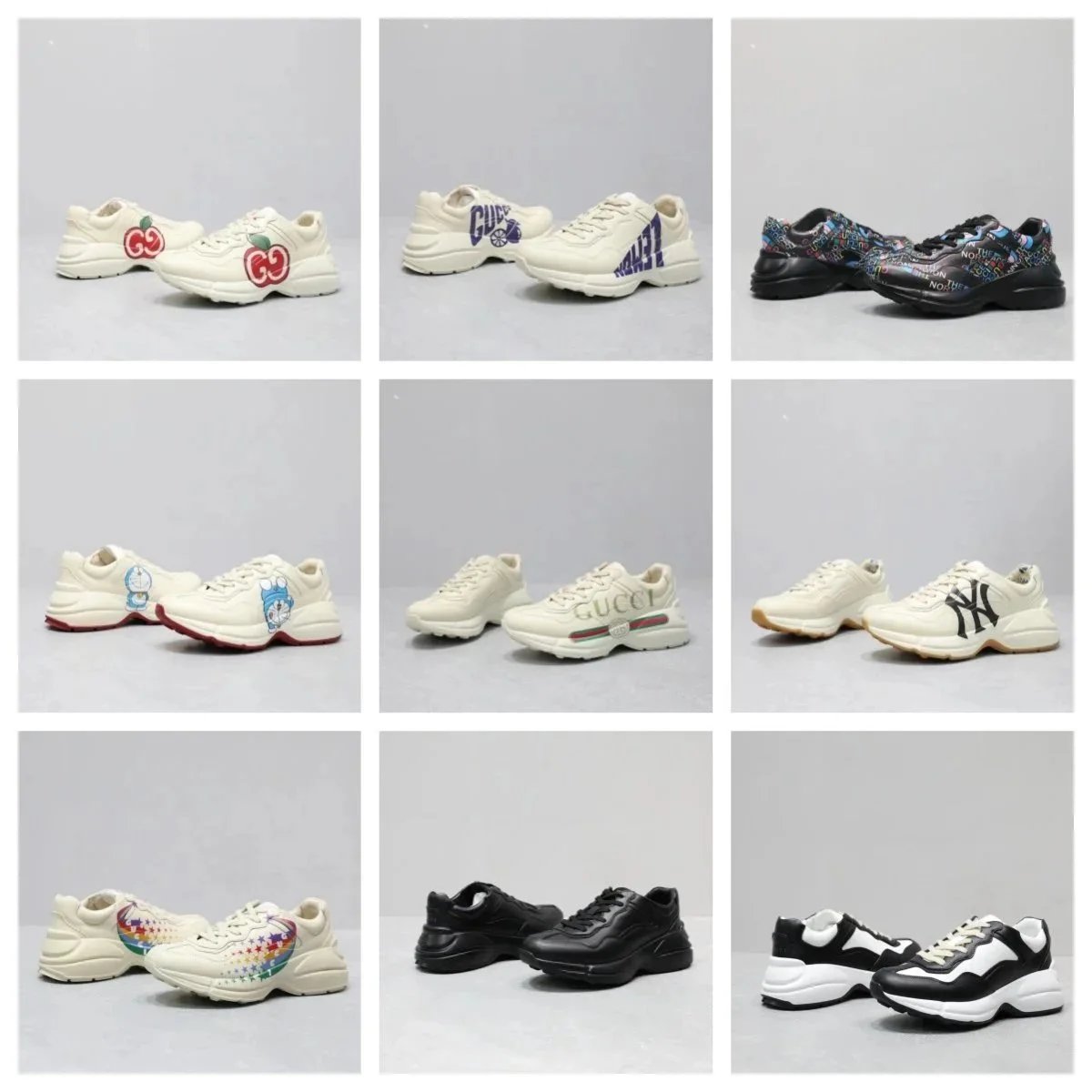
Sneakers BY03-CY Unisex Chunky Sneakers | Wheebuy spreadsheet | Lovegobuy spreadsheet - 141219