Cafans Journal
Stories & FindsCAFANS Guide: The Complete Sugargoo Spreadsheet Resource
The CAFANS approach to agent shopping has become a popular entry point for newcomers who want to navigate the Sugargoo ecosystem without wasting time or money. At the heart of this method is the sugargoo spreadsheet, a community-maintained document that collects verified product links, seller information, and quality notes into one organized reference. This CAFANS guide explains how the spreadsheet works, how to read it, and how to combine it with a smart sugargoo shopping guide routine.
What Is a Sugargoo Spreadsheet?
A sugargoo spreadsheet is essentially a shared catalog. Instead of hunting through forums for random product finds, you open a single file that lists items with their source links, price ranges, and community feedback. The CAFANS format emphasizes clarity: each row usually includes a product name, a sugargoo product link, size availability, seller reliability notes, and sometimes QC photo references.
Because the file is updated regularly, it functions as a living sugargoo guide. You can filter by category, sort by price, and compare listings side by side. For beginners, this removes much of the guesswork that makes agent shopping intimidating.
How the CAFANS Method Organizes Finds
The CAFANS system groups products into logical sections, which makes the sugargoo spreadsheet guide easy to follow even on a first visit. Typical sections include:
- Footwear: sneakers, running shoes, boots, and sandals with seller notes.
- Outerwear: hoodies, jackets, puffer coats, and windbreakers.
- Tops: T-shirts, polos, sweatshirts, and knitwear.
- Bottoms: jeans, cargo pants, shorts, and track pants.
- Bags and accessories: backpacks, crossbody bags, belts, and caps.
- Home and lifestyle: small gadgets, desk items, and storage solutions.
Each entry links directly to a product page, so you can move from research to order in a few clicks. The secondary sugargoo guide notes attached to many listings explain sizing quirks, material differences, or shipping considerations.
Using Sugargoo Product Links Safely
Sugargoo product links in the spreadsheet should always be checked before purchase. Prices change, listings sell out, and sellers occasionally swap materials. A reliable sugargoo shopping guide habit is to open the link, confirm the current price, read recent buyer reviews, and verify available sizes. If a listing looks different from the spreadsheet description, trust the live page and update your own notes.
It also helps to cross-check a product across two or three spreadsheet rows when duplicates appear. Sometimes the same item is listed by different sellers at different prices. Comparing them is one of the fastest ways to save money.
Building a Shopping Plan
The most effective sugargoo spreadsheet guide users plan before they buy. Start by filtering the sheet to your target categories, then shortlist five to ten items. Check each sugargoo product link for stock and sizing, and note the estimated weight. Weight matters because international shipping is calculated by mass, and a heavy haul can quickly erase your savings.
A practical workflow looks like this:
- Browse the sugargoo spreadsheet and shortlist candidates.
- Verify each sugargoo product link and record current prices.
- Estimate package weight and compare shipping lines.
- Order items in batches to consolidate shipping.
- Request QC photos and review them carefully before approving shipment.
This sequence keeps your haul organized and reduces the risk of surprises at the warehouse.
Reading QC Photos and Seller Notes
Quality control photos are a core part of any sugargoo guide. When your items arrive at the warehouse, inspect the images for stitching, logo placement, color accuracy, and material texture. Compare what you see against the photos in the spreadsheet listing. If something looks off, ask for additional angles or request a return while the item is still at the warehouse.
Seller notes in the CAFANS sheet often flag common issues, such as running small, thin fabric, or inconsistent batches. Treat these notes as crowd-sourced warnings rather than guarantees, and always confirm with your own QC review.
Common Mistakes to Avoid
New users often make predictable errors. Ordering directly from a stale sugargoo product link without checking stock is the most common. Others ignore weight estimates and face unexpected shipping costs. Some skip QC photos entirely, which makes resolving problems much harder.
Another frequent mistake is treating the spreadsheet as a permanent record. Links expire, sellers change, and prices move. A good habit is to date your notes and re-verify anything older than a few weeks.
Final Tips for CAFANS Users
Use the sugargoo spreadsheet as a starting point, not a final authority. Combine it with the secondary sugargoo guide notes, live product pages, and your own QC checks. Keep a personal wishlist, track weights, and consolidate shipments whenever possible.
With a disciplined routine, the CAFANS method turns a messy research process into a clear, repeatable system. The sugargoo spreadsheet saves time, the sugargoo shopping guide keeps you organized, and careful review of sugargoo product links protects your budget. Follow these steps, and your next haul will be smoother, cheaper, and far more predictable.
Editor's selection
Popular Products

Outdoor Casual Sneakers | Hipobuy spreadsheet | OOTDBuy spreadsheet | JoyaGoo spreadsheet - 141223

Sneakers B22 B30 Unisex Classic Sneakers | UIDBuy spreadsheet | BBDBuy spreadsheet - 135717

Sneakers 04 Classic Sneakers | LoongBuy spreadsheet | JoyaGoo spreadsheet | USFans spreadsheet - 135678

Shoes Ph076 Breathable Running Shoes | CSSBuy spreadsheet | LoongBuy spreadsheet - 136150

PH Running Shoes | MyCNBox spreadsheet | Hubbuycn spreadsheet - 136149

Sneakers P-0100 Unisex Sneakers | Kakobuy spreadsheet | BBDBuy spreadsheet | MyCNBox spreadsheet - 136114
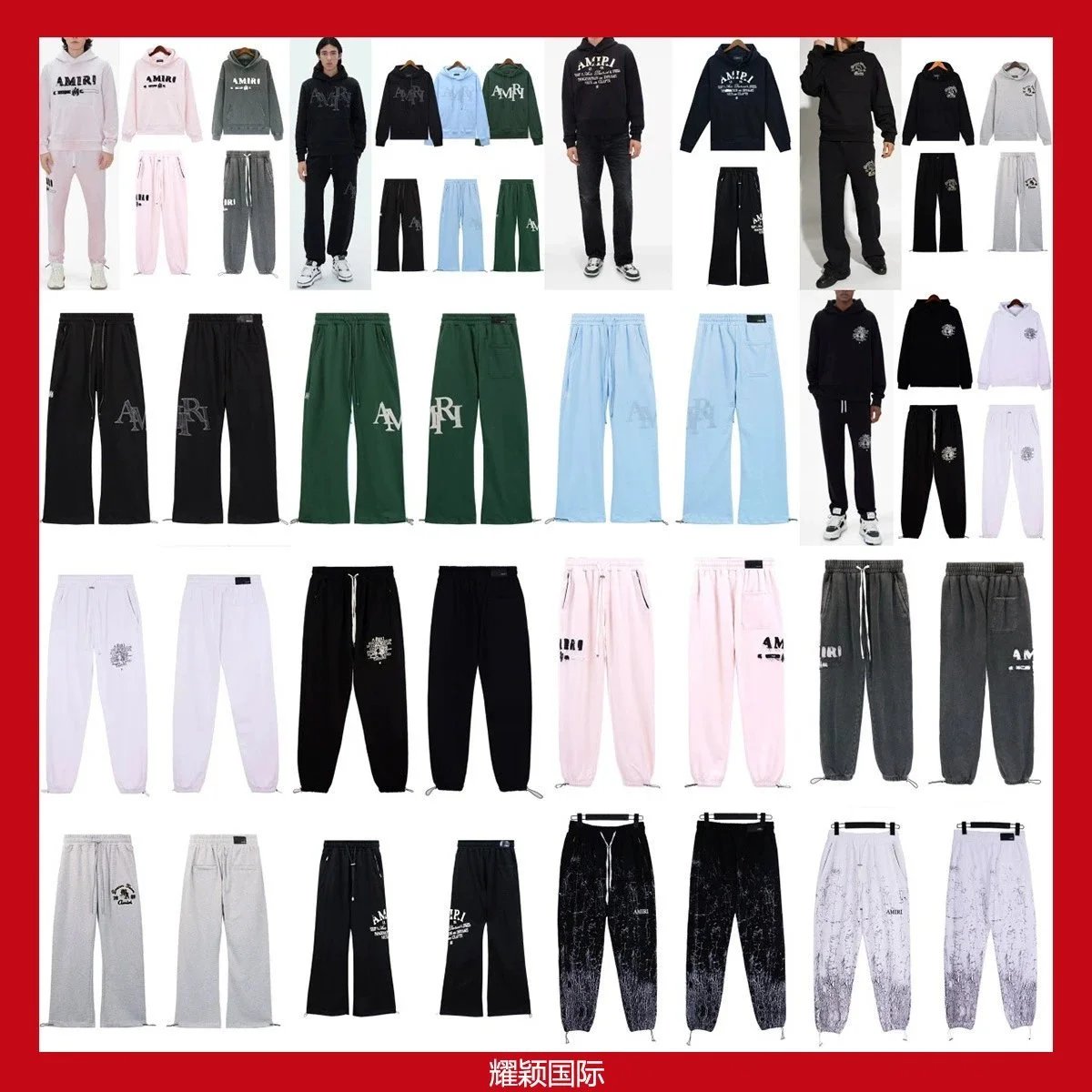
Graphic Hoodies and Sweatpants Collection LH25 Unisex | Oopbuy spreadsheet | Hipobuy spreadsheet - 140989