Cafans Journal
Stories & FindsZentBuy CAFANS Guide: The Complete 1000-Word Shopping Walkthrough
What Is CAFANS and Why ZentBuy Matters
If you have spent any time in the resale shopping community, you have probably heard the term CAFANS. It is shorthand for the trusted-agent style of purchasing, where a buying service handles the order, quality check, and shipping on your behalf. This ZentBuy guide breaks down how CAFANS works in practice and how to get the most out of ZentBuy as your primary platform. Whether you are a first-time buyer or a seasoned reseller, the workflow is straightforward once you understand each step.
Step 1: Understand the ZentBuy Spreadsheet
The journey almost always starts with the ZentBuy spreadsheet. This living document is the catalog: it collects product listings, prices, sizes, and seller details in one searchable place. Instead of hunting across dozens of storefronts, you filter the spreadsheet by category, budget, or keyword. Bookmark it, because it updates constantly. A good habit is to copy the item ID and the seller name before you move to the next step, so you never lose track of what caught your eye.
Step 2: Use ZentBuy Product Links Correctly
Once you find something in the spreadsheet, the next move is to grab the ZentBuy product links. These links point to the original listing and let you verify photos, measurements, and color options. Always open the link in a fresh tab and check the size chart, because sizing in resale listings is rarely standardized. If a link looks broken, search the item ID in the spreadsheet again; duplicates and relists are common. Save your shortlist in a note with the link and the quoted price, and you will avoid confusion later.
Step 3: Follow a Reliable ZentBuy Shopping Guide
A solid ZentBuy shopping guide should cover more than ordering. It should explain how to request photos, what QC (quality control) images should show, and how to read warehouse measurements. When you place an order, ask for detailed QC photos of stitching, tags, and soles or hardware depending on the item. Compare those photos against the original listing before approving shipment. If something looks off, request an exchange early. Timing matters: warehouses hold items for a limited window, so respond quickly to QC updates.
Step 4: Build a CAFANS Routine
CAFANS is less about a single transaction and more about a repeatable routine. The pattern is simple: browse the spreadsheet, verify the link, order through the agent, review QC, then consolidate and ship. Consolidation is where you save money, because combining several items into one parcel reduces per-item shipping. Keep a running list of items you are waiting on, and only submit the parcel when everything has passed inspection. This disciplined approach is what separates smooth hauls from stressful ones.
Step 5: Manage Shipping and Budget
Shipping is often the biggest variable. Weigh your options between economy and express lines, and always estimate the volumetric weight, not just the actual weight. Bulky items such as sneakers and jackets can inflate costs, so plan around them. Set a budget before you browse and treat the spreadsheet as a menu, not a wish list. Track every purchase in a simple ledger: item cost, service fee, domestic shipping, international shipping. Over a few hauls, this data shows you exactly where your money goes and helps you choose better lines next time.
Common Mistakes to Avoid
New buyers make predictable errors. They approve QC photos without zooming in, they ignore warehouse deadlines, and they order multiple sizes of the same item assuming returns are free. They also skip the size chart and rely on guesswork. Avoid these by reading each listing carefully, asking questions before paying, and keeping all communication in one place. If a seller has a poor history in the spreadsheet notes, trust the notes. The community updates those records for a reason.
Final Thoughts
CAFANS shopping rewards patience and organization. Use the ZentBuy spreadsheet to discover, the ZentBuy product links to verify, and a proven ZentBuy shopping guide to execute. Treat this ZentBuy guide as your checklist, and each haul becomes faster and cheaper than the last. Start small, learn the workflow, and scale up only when you are comfortable with QC and shipping. That is the whole method, and it works.
Editor's selection
Popular Products

Outdoor Casual Sneakers | Hipobuy spreadsheet | OOTDBuy spreadsheet | JoyaGoo spreadsheet - 141223

Sneakers B22 B30 Unisex Classic Sneakers | UIDBuy spreadsheet | BBDBuy spreadsheet - 135717

Sneakers 04 Classic Sneakers | LoongBuy spreadsheet | JoyaGoo spreadsheet | USFans spreadsheet - 135678
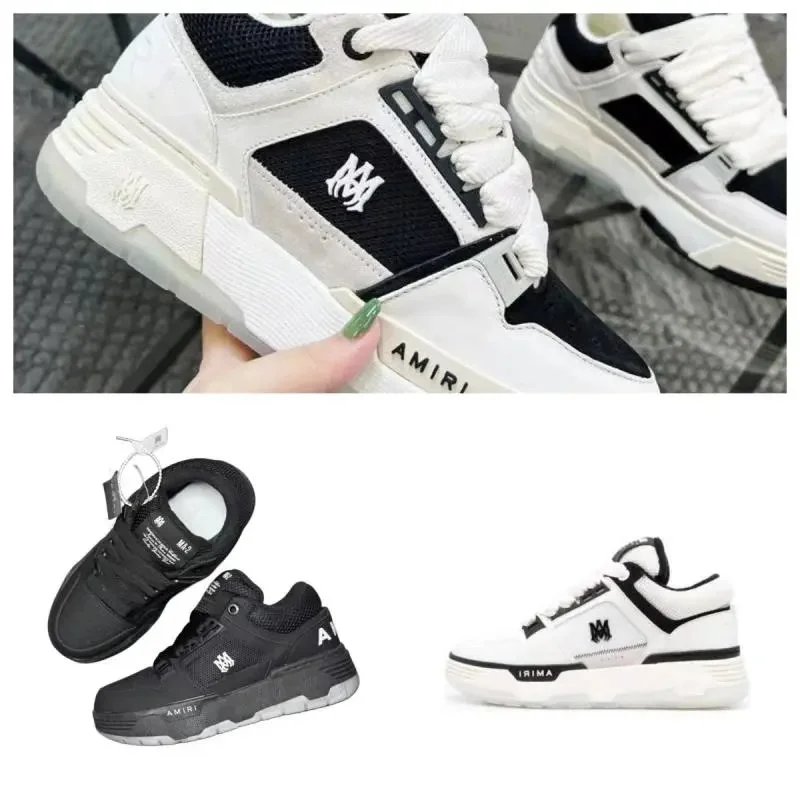
Sneakers P-0100 Unisex Sneakers | Kakobuy spreadsheet | BBDBuy spreadsheet | MyCNBox spreadsheet - 136114

Sneakers 2025 Skate Sneakers | MyCNBox spreadsheet | iTaoBuy spreadsheet | USFans spreadsheet - 135965
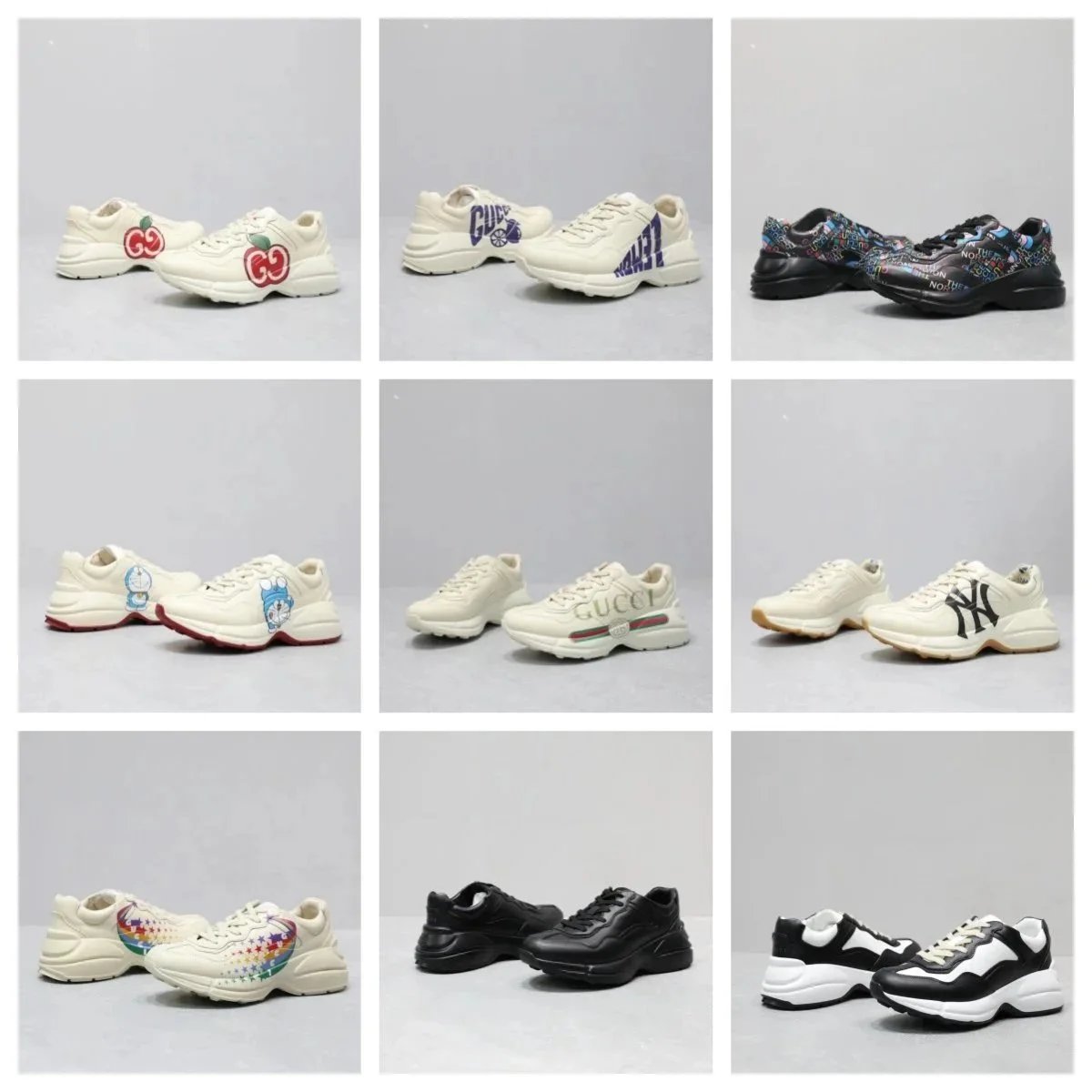
Sneakers BY03-CY Unisex Chunky Sneakers | Wheebuy spreadsheet | Lovegobuy spreadsheet - 141219
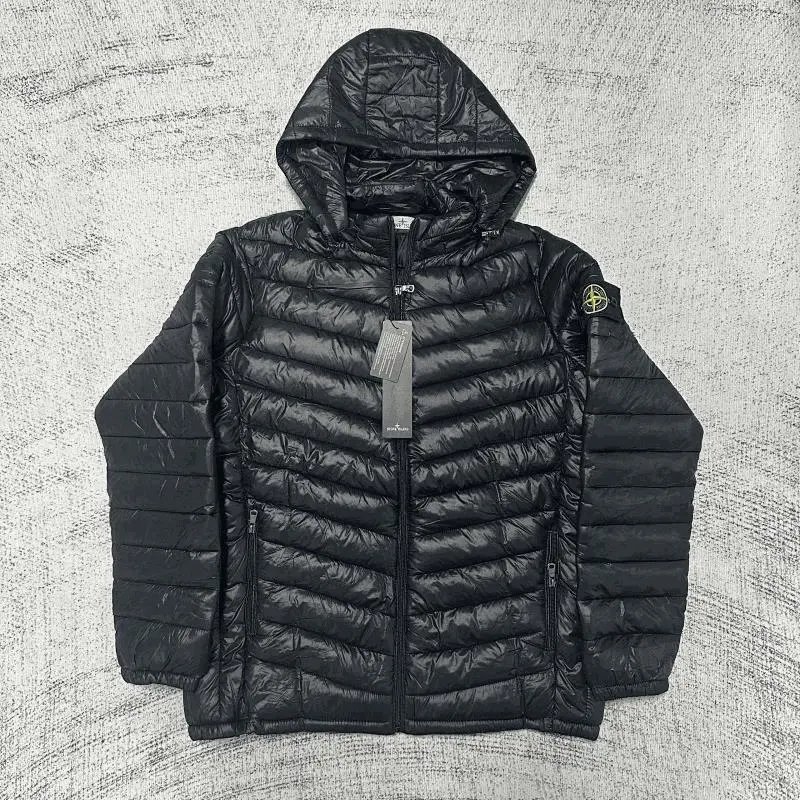
Winter Loose Down Jackets, Sweatshirts and Sweaters 003 | Sugargoo spreadsheet | CSSBuy spreadsheet - 141091