Cafans Journal
Stories & FindsCAFANS Guide: A Practical OOTDBuy Shopping Walkthrough
This CAFANS guide is designed for shoppers who want a clear, repeatable process for finding, comparing, and buying products online. Whether you are new to the platform or looking to sharpen your routine, the core idea is simple: start with OOTDBuy as your main destination, then support every decision with the right tools and references. Below we break the journey into practical steps and explain how each supporting resource fits in.
Step 1: Set Up Your OOTDBuy Browsing Routine
Begin by opening OOTDBuy and creating a shortlist of categories you actually need. Resist the urge to browse everything at once; a focused list keeps your budget intact. Use the search bar with specific phrases rather than broad keywords, and sort results by price, popularity, or newest arrivals depending on your goal. If you are planning a larger haul, keep a notes file open so you can track item names, sizes, and prices as you go. This single habit saves hours later.
Step 2: Use the OOTDBuy Spreadsheet to Compare
A well-organized OOTDBuy spreadsheet is the backbone of smart shopping. Build columns for product name, category, listed price, shipping cost, estimated delivery time, seller rating, and return policy. Add a final column for your own priority score. When you have ten or twenty items in one view, patterns appear quickly: you notice which categories eat most of your budget, which sellers are reliable, and which items are actually worth the wait. Update the sheet after every session so it stays accurate.
Step 3: Follow a Written OOTDBuy Guide
Guides help you avoid common mistakes. A good OOTDBuy guide should explain how to read product descriptions, spot misleading photos, verify material details, and check size charts before ordering. It should also cover payment safety, coupon stacking, and what to do if an item arrives damaged. Keep your guide bookmarked and revisit it before big purchases. Over time, you can add your own notes — for example, which sellers respond quickly to messages or which categories tend to run small.
Step 4: Collect OOTDBuy Product Links
Saving OOTDBuy product links is more useful than it sounds. When you find an item you like, copy the link into your spreadsheet next to its details. This gives you a direct path back to the exact listing, which matters when similar products share almost identical names. Product links also let you share options with friends or family before committing. Periodically clean out links for items you no longer want so your list stays manageable and your decisions stay sharp.
Step 5: Apply a Repeatable OOTDBuy Shopping Guide
A shopping guide is a checklist you run before every checkout. Confirm the item matches your notes, verify the final price including shipping, check the return window, and review the seller's recent feedback. Ask yourself whether the purchase solves a real need or is an impulse buy. If you are unsure, wait a day. This simple pause reduces regret purchases and keeps your overall spending predictable. The OOTDBuy shopping guide works best when you follow the same sequence every time.
Step 6: Compare Categories and Prioritize
Most shoppers juggle several categories at once: clothing, footwear, accessories, home organization, kitchen tools, electronics accessories, beauty items, and stationery. Rank them by urgency rather than excitement. Essentials first, upgrades second, novelties last. In your spreadsheet, group items by category and calculate a subtotal for each. This makes it obvious where to trim. If a category exceeds your planned budget, move the lowest-priority items to a wishlist for next month instead of deleting them entirely.
Step 7: Check Reviews and Seller Signals
Reviews are valuable but need reading between the lines. Look for detailed comments about sizing, durability, and shipping speed rather than star ratings alone. Photos from buyers often reveal color and texture more honestly than listing images. Check how the seller handles negative feedback; a thoughtful response is a good sign. Cross-reference your findings with your spreadsheet notes so future-you knows why a seller was trusted or avoided.
Step 8: Manage Shipping, Coupons, and Timing
Shipping cost and timing can change the value of a deal entirely. Before checkout, confirm the delivery estimate against your actual need date. Stack available coupons and check for minimum-spend thresholds that might tempt you to add unnecessary items. If a sale is coming soon and your need is not urgent, waiting can be the smarter move. Record the final paid price in your spreadsheet so you can compare future promotions against a real baseline.
Step 9: Handle Returns and After-Sales
Keep packaging until you have inspected the item. If something is wrong, contact the seller promptly with clear photos and your order number. Know the return window before you buy, and note it in your spreadsheet. A smooth return process depends on preparation, not luck. Save confirmation emails and tracking numbers in one folder so nothing gets lost when you need to follow up.
Step 10: Review and Refine
At the end of each month, review your spreadsheet: what you bought, what you skipped, and what you regret. Adjust your category budgets and update your guide with new lessons. Over a few cycles, this CAFANS guide becomes a personal system rather than a generic article. The goal is not to buy more, but to buy better — with fewer surprises, clearer priorities, and more confidence in every order you place on OOTDBuy.
Editor's selection
Popular Products

Shoes Ph076 Breathable Running Shoes | CSSBuy spreadsheet | LoongBuy spreadsheet - 136150
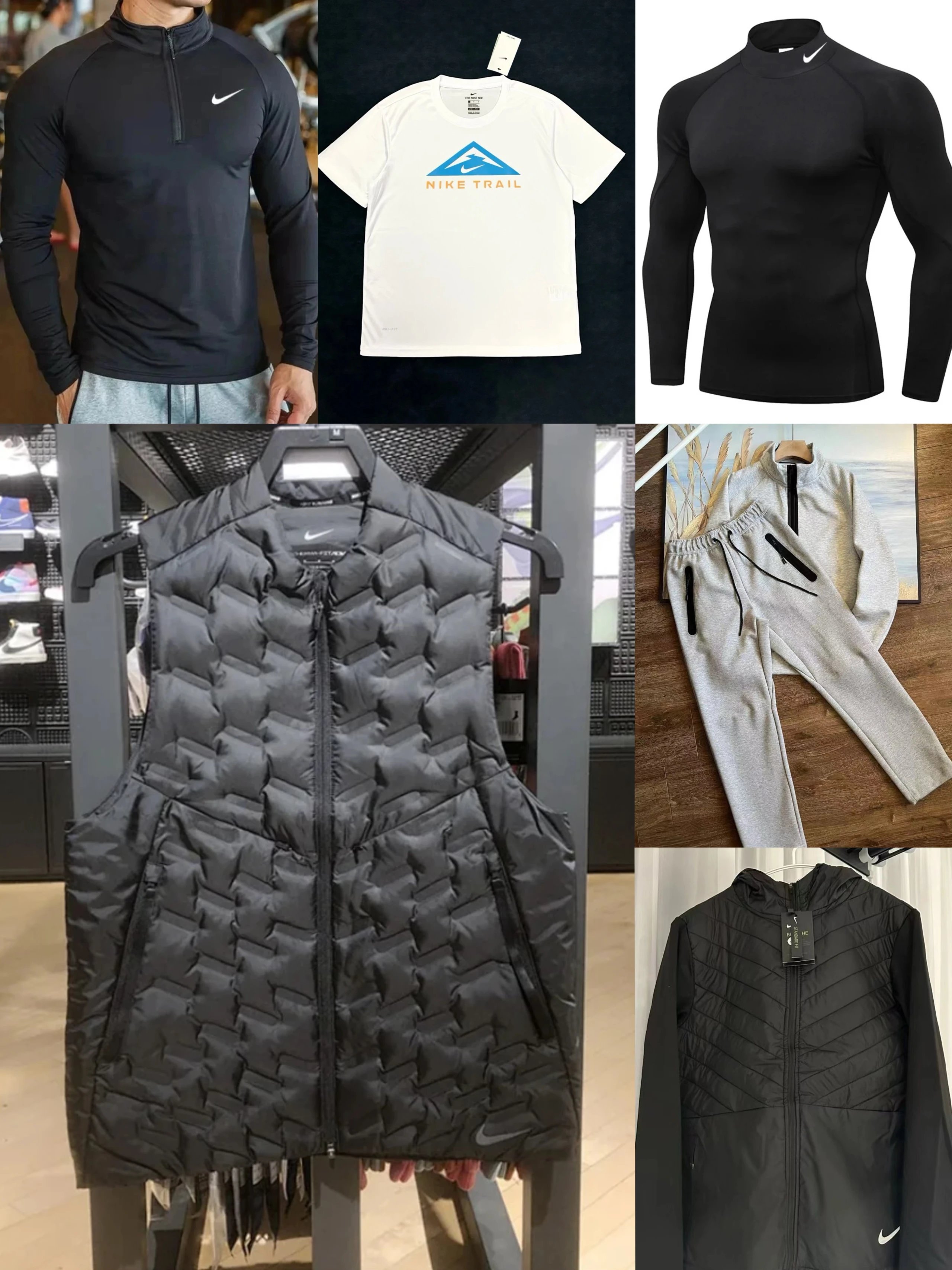
Ni Vests, T-Shirt and Clothing Sets 1000 | JoyaGoo spreadsheet | Sugargoo spreadsheet - 141084
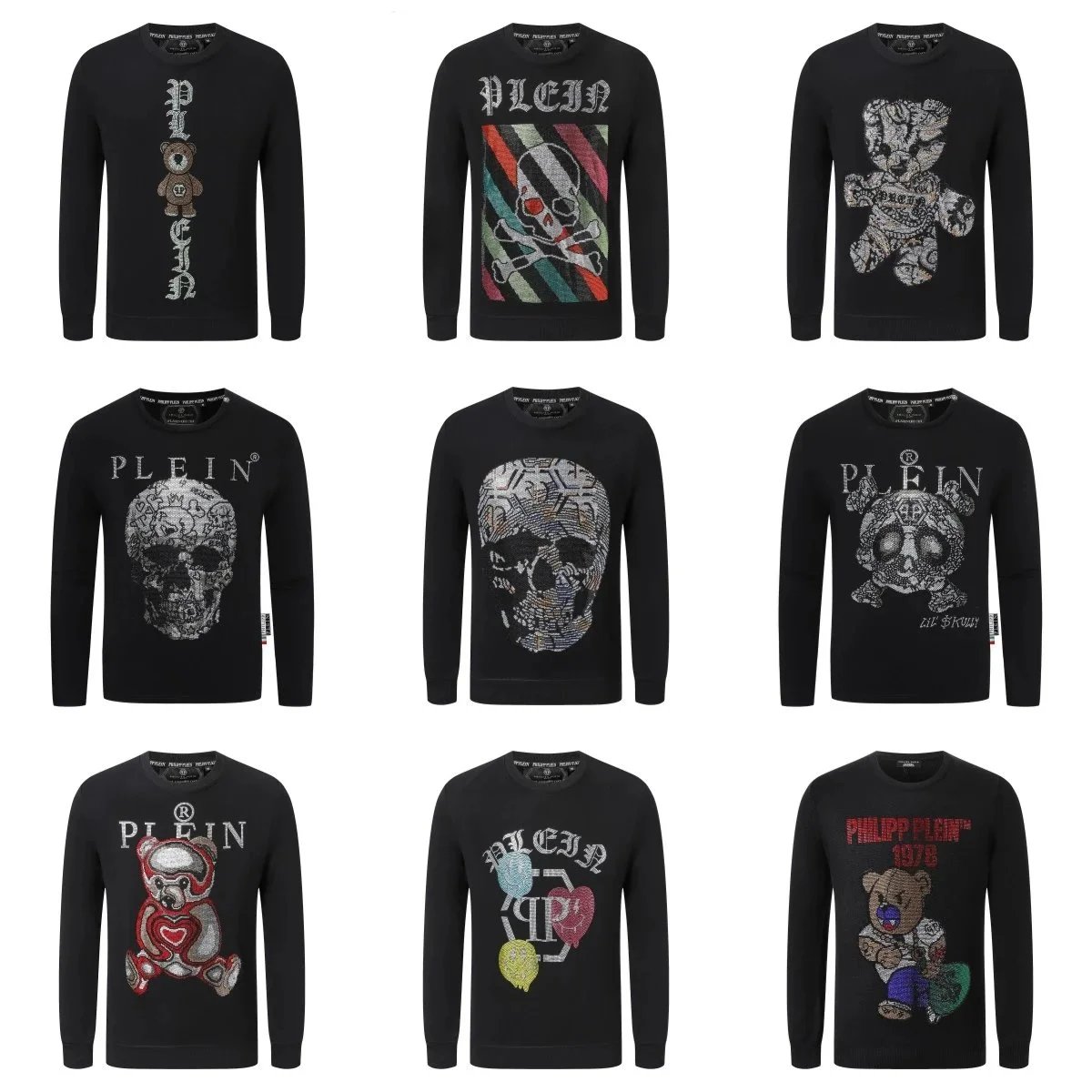
Outfit Set FL01-005ph Spring and Autumn Casual Clothing | Sugargoo spreadsheet | GTBuy spreadsheet - 136271
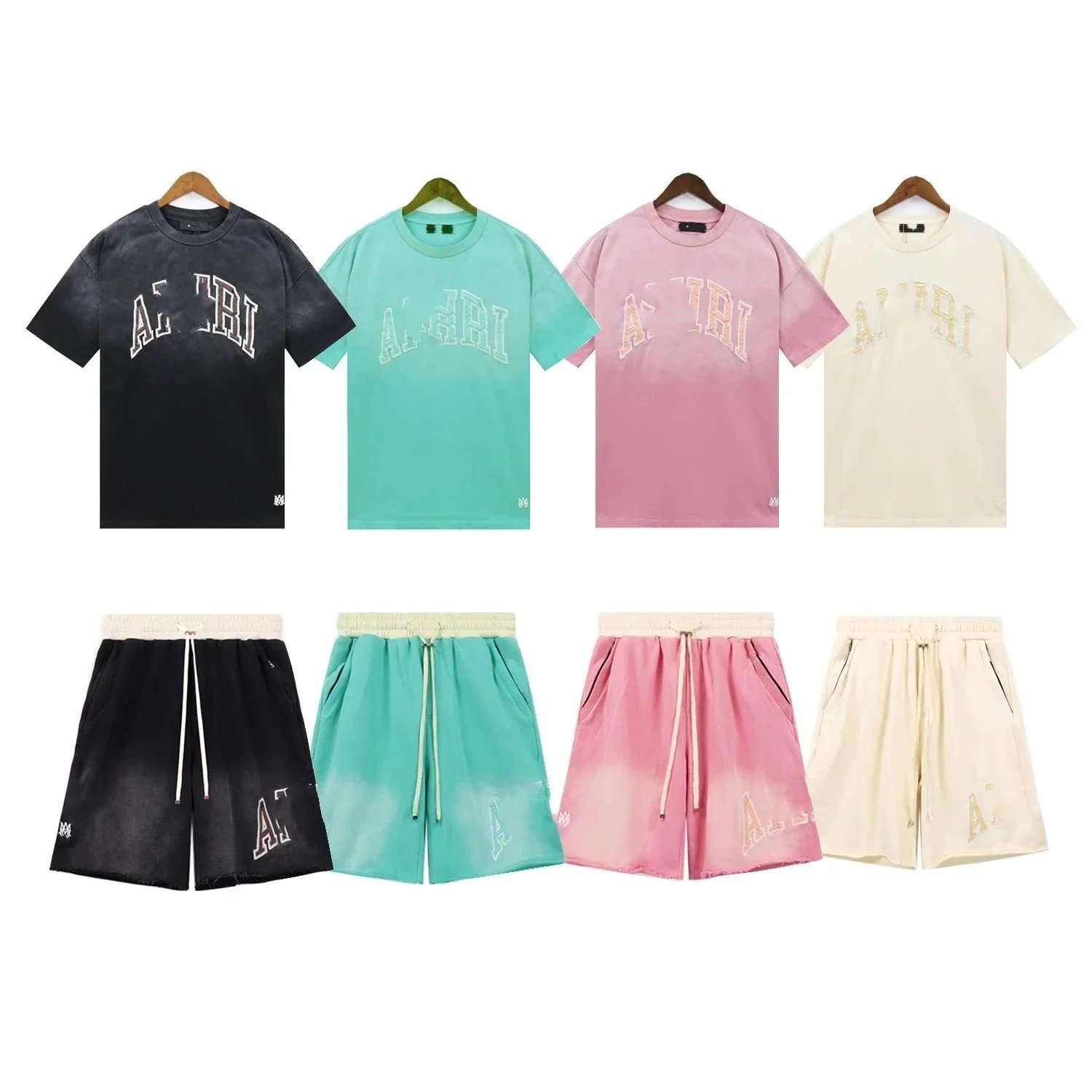
Clothing Set 1 | Oopbuy spreadsheet | BBDBuy spreadsheet | CSSBuy spreadsheet - 136873
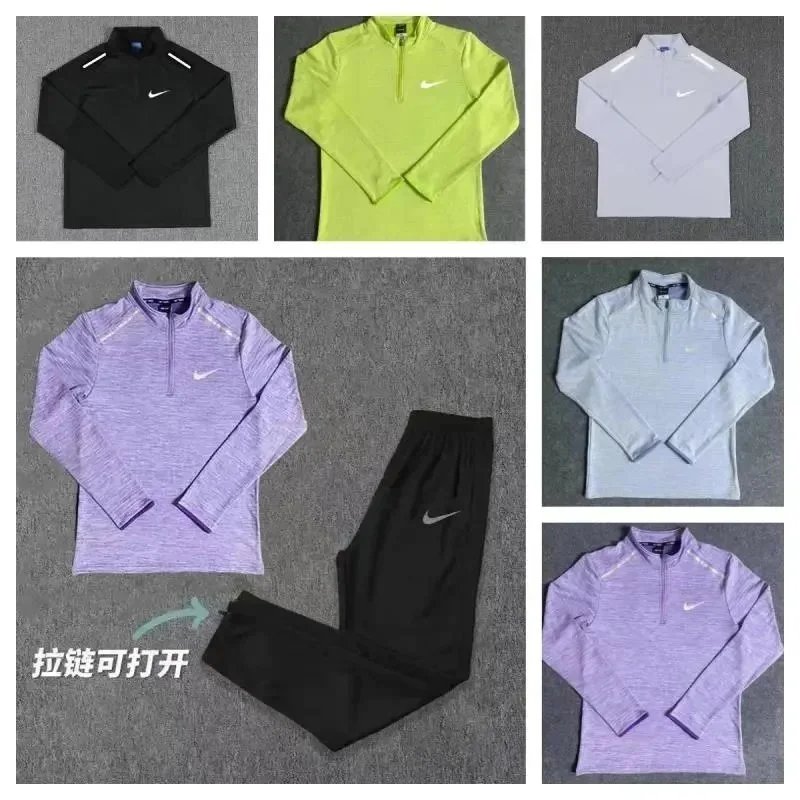
Outfit Set MX16 Clothing Set | Hipobuy spreadsheet | Fishgoo spreadsheet - 137693
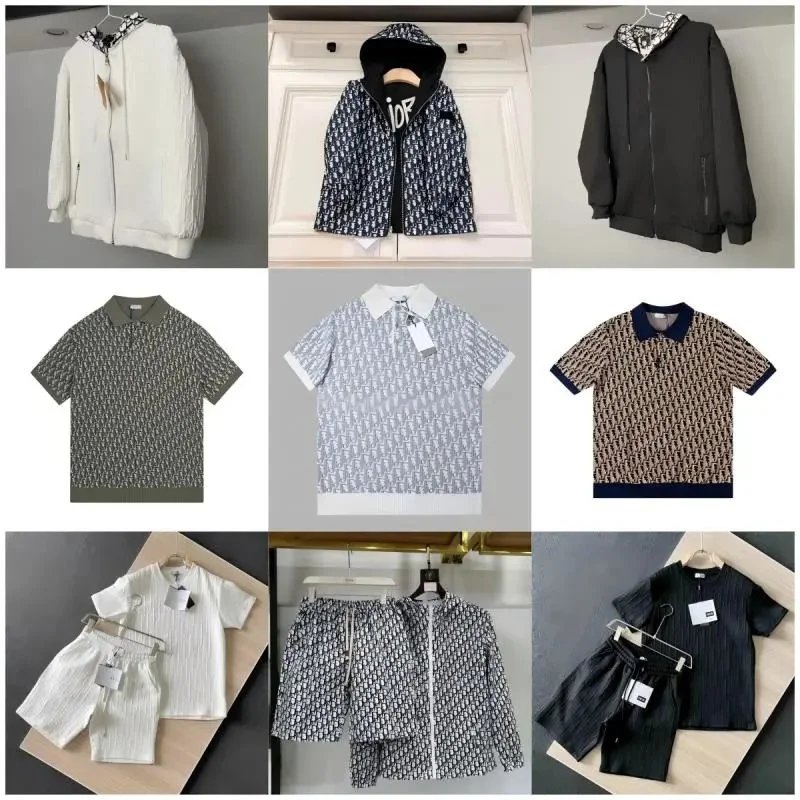
D All-Over Print Clothing Set | UIDBuy spreadsheet | Kakobuy spreadsheet | Hipobuy spreadsheet - 136221
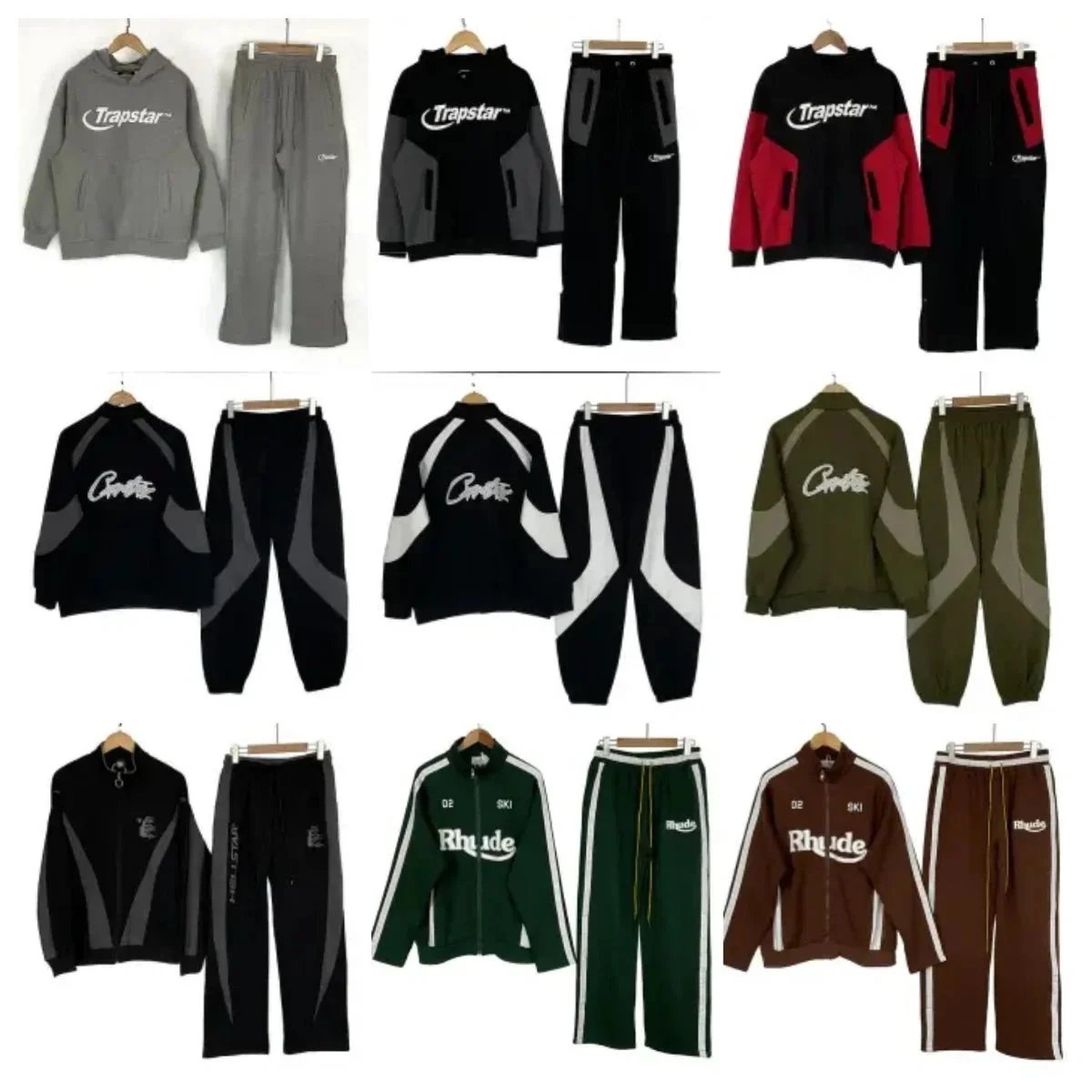
Outfit Set L-001 Casual Hip-Hop Clothing Set | GTBuy spreadsheet | Hubbuycn spreadsheet - 136248