Cafans Journal
Stories & FindsCAFANS Guide: How to Use the CSSBuy Spreadsheet for Smarter Shopping
What Is CAFANS and Why Does the CSSBuy Spreadsheet Matter?
If you have spent any time exploring the replica sneaker and streetwear community, you have probably run into CAFANS. CAFANS is best understood as a curated discovery resource — a place where shoppers find organized lists of product links, quality notes, and batch recommendations. The most efficient way to navigate that world is through a CSSBuy spreadsheet, which turns scattered links into a structured, searchable catalog. This CAFANS guide walks you through what the spreadsheet is, how to read it, and how to combine it with a solid CSSBuy shopping guide.
Understanding the CSSBuy Spreadsheet
A CSSBuy spreadsheet is a shared document — usually hosted on Google Sheets or a similar platform — that collects CSSBuy product links alongside useful metadata. Instead of hunting through forums, chat groups, and random posts, you open one tab and see rows of sneakers, hoodies, jackets, bags, and accessories with seller names, prices, batch labels, and sometimes QC (quality control) notes. The CSSBuy spreadsheet guide concept exists because the sheet can look intimidating at first: dozens of columns, color-coded cells, and abbreviations that only make sense once you learn the vocabulary.
The sheet typically includes columns for the item name, the CSSBuy product link, the original marketplace link, price in yuan, available sizes, batch or factory version, weight estimates, and community ratings. Some sheets add a QC photo column, a haul weight calculator, and a shipping estimate tab. Think of it as a living index rather than a static catalog.
Why Use a Spreadsheet Instead of Browsing Directly?
Direct browsing on agent platforms can be overwhelming. Search results are noisy, titles are translated poorly, and it is hard to compare batches. A CSSBuy spreadsheet solves three problems at once:
- Comparison: You can line up multiple sellers offering the same model and compare price, batch, and reported quality side by side.
- Traceability: Product links are archived, so you can revisit a find months later instead of losing it in a chat history.
- Community validation: Ratings, QC notes, and comments reflect real buyer experiences, which reduces the risk of a disappointing haul.
This is also why the CSSBuy guide ecosystem leans heavily on spreadsheets: they are the fastest way to move from “I want this item” to “I know exactly which link to paste into my order.”
How to Read the CSSBuy Spreadsheet Guide
Start with the tabs. Most sheets separate categories — sneakers, hoodies, tees, pants, jackets, bags, accessories, and sometimes electronics or home goods. Within each tab, scan the header row first. Look for the seller or factory column, the batch column, and the price column. Then check the rating or QC column before committing.
Pay attention to date stamps. A CSSBuy spreadsheet is only as good as its last update; a batch that was excellent six months ago may have changed. Many sheets include a “last updated” note or color-coding for recently verified links. If a CSSBuy product link is dead, the sheet usually has a replacement column or a note telling you which seller moved storefronts.
Building a Haul with CSSBuy Product Links
Once you have shortlisted items, copy the CSSBuy product links into your agent’s parcel builder. A practical CSSBuy shopping guide rule: order in waves. Buy two or three items first, request QC photos, and confirm sizing and color before adding more. Spreadsheet links often point to the same listing used by thousands of buyers, so sellers usually have stock — but sizes fluctuate.
Weight matters. Use the spreadsheet’s weight column to estimate shipping before checkout. If the sheet does not list weight, assume standard figures: a hoodie around 600–900g, a tee around 200–300g, sneakers around 900–1200g with box. This keeps your shipping estimate realistic and prevents surprise fees at the warehouse.
Common Mistakes to Avoid
First, do not treat every row as verified. A CSSBuy spreadsheet guide should teach you to check the QC gallery and recent comments. Second, avoid mixing batches within one order if you care about consistency. Third, do not ignore size charts — spreadsheet links rarely include local sizing conversions. Fourth, keep your own backup list of CSSBuy product links in case the sheet is edited or reorganized. Finally, respect the sheet’s etiquette: do not spam requests, and credit contributors when you share finds.
Combining CAFANS Curation with CSSBuy Tools
CAFANS-style curation and CSSBuy tools complement each other. CAFANS helps you discover what is worth buying; the spreadsheet helps you organize and execute the purchase. A repeatable workflow looks like this: browse curated finds, open the matching CSSBuy spreadsheet row, verify the batch and price, copy the link into your agent cart, request QC, approve, and consolidate the parcel. Repeat each season and update your personal shortlist.
Final Thoughts
The CSSBuy spreadsheet is not magic — it is a well-organized shortcut built by a community that values transparency. Used with the CSSBuy shopping guide principles above and a healthy dose of patience, it turns a chaotic marketplace into a manageable shopping list. Whether you are building a first haul or refining a collection, treat the sheet as a starting point, verify before you buy, and keep your own notes. That habit, more than any single link, is what makes the CAFANS and CSSBuy spreadsheet approach work long term.
Editor's selection
Popular Products
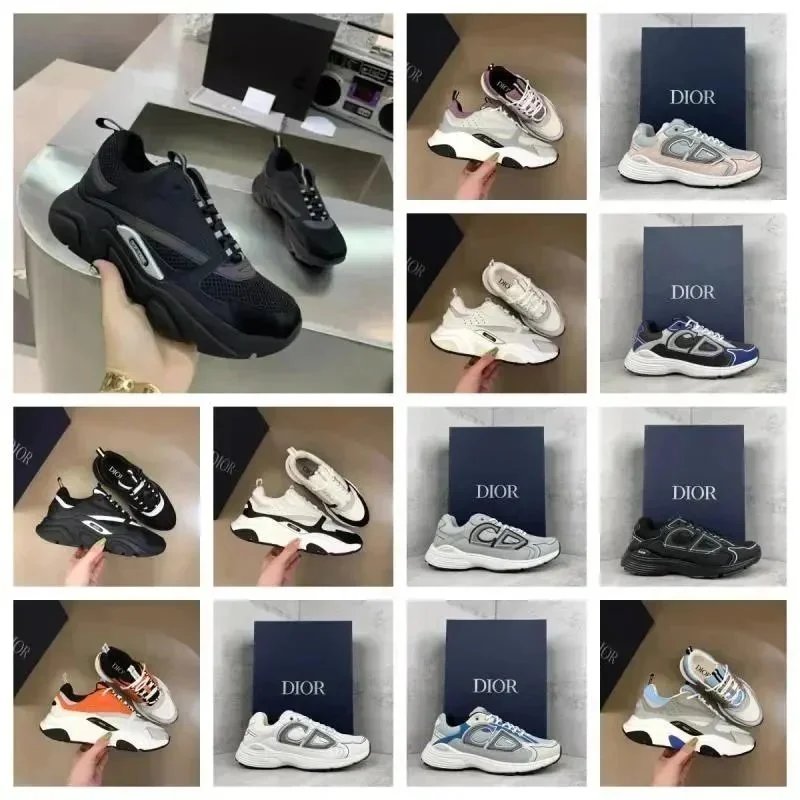
Sneakers B22 B30 Unisex Classic Sneakers | UIDBuy spreadsheet | BBDBuy spreadsheet - 135717
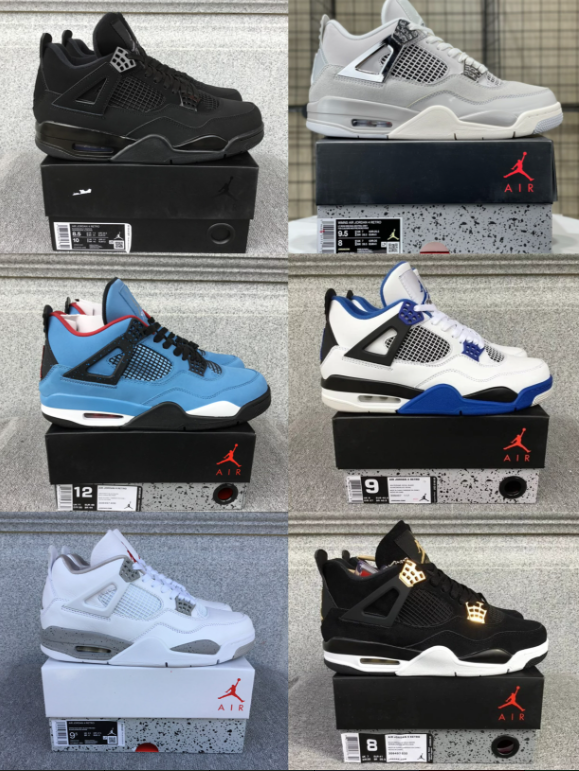
Outdoor Casual Sneakers | Hipobuy spreadsheet | OOTDBuy spreadsheet | JoyaGoo spreadsheet - 141223
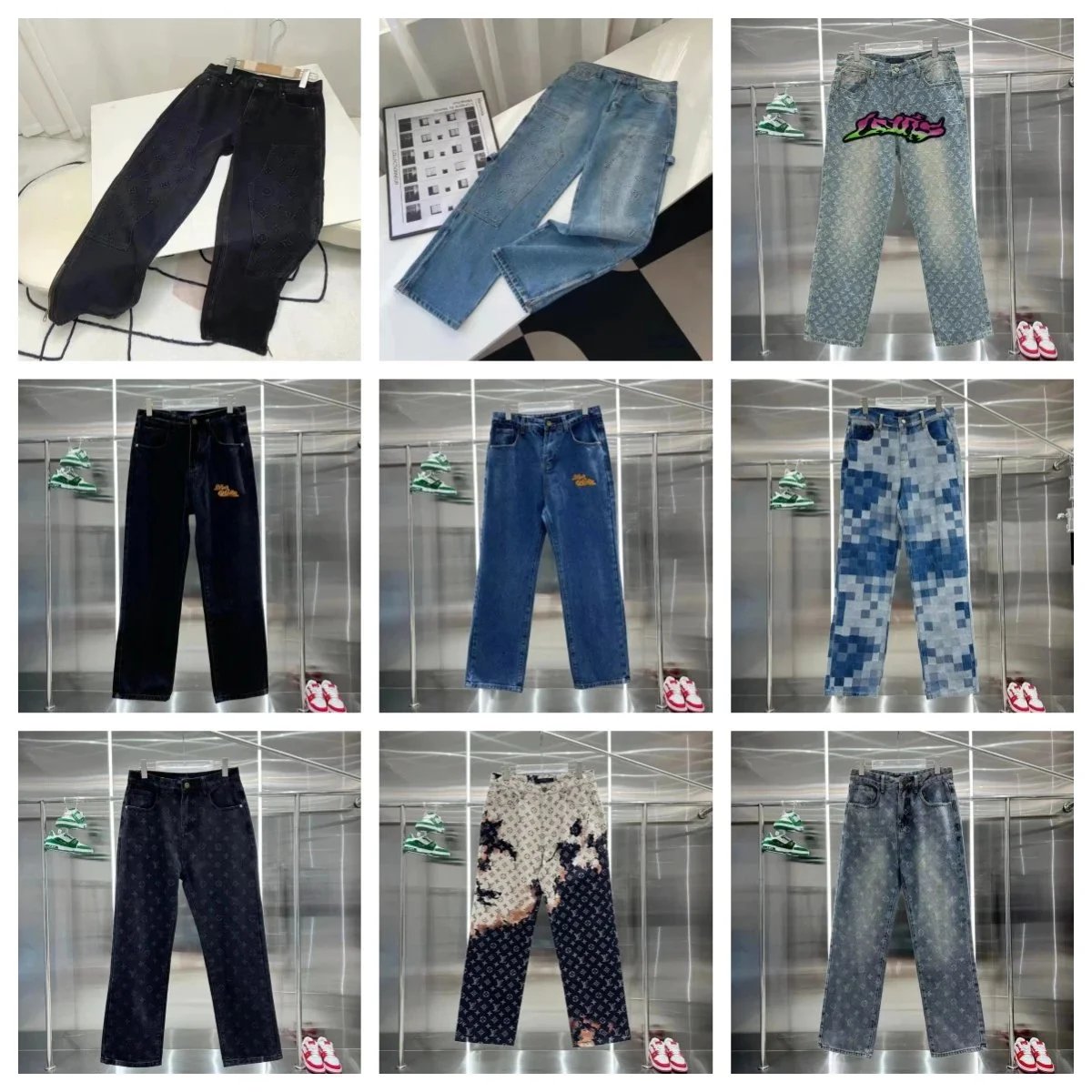
Pants Pants 001 | iTaoBuy spreadsheet | Wheebuy spreadsheet | Oopbuy spreadsheet - 141036
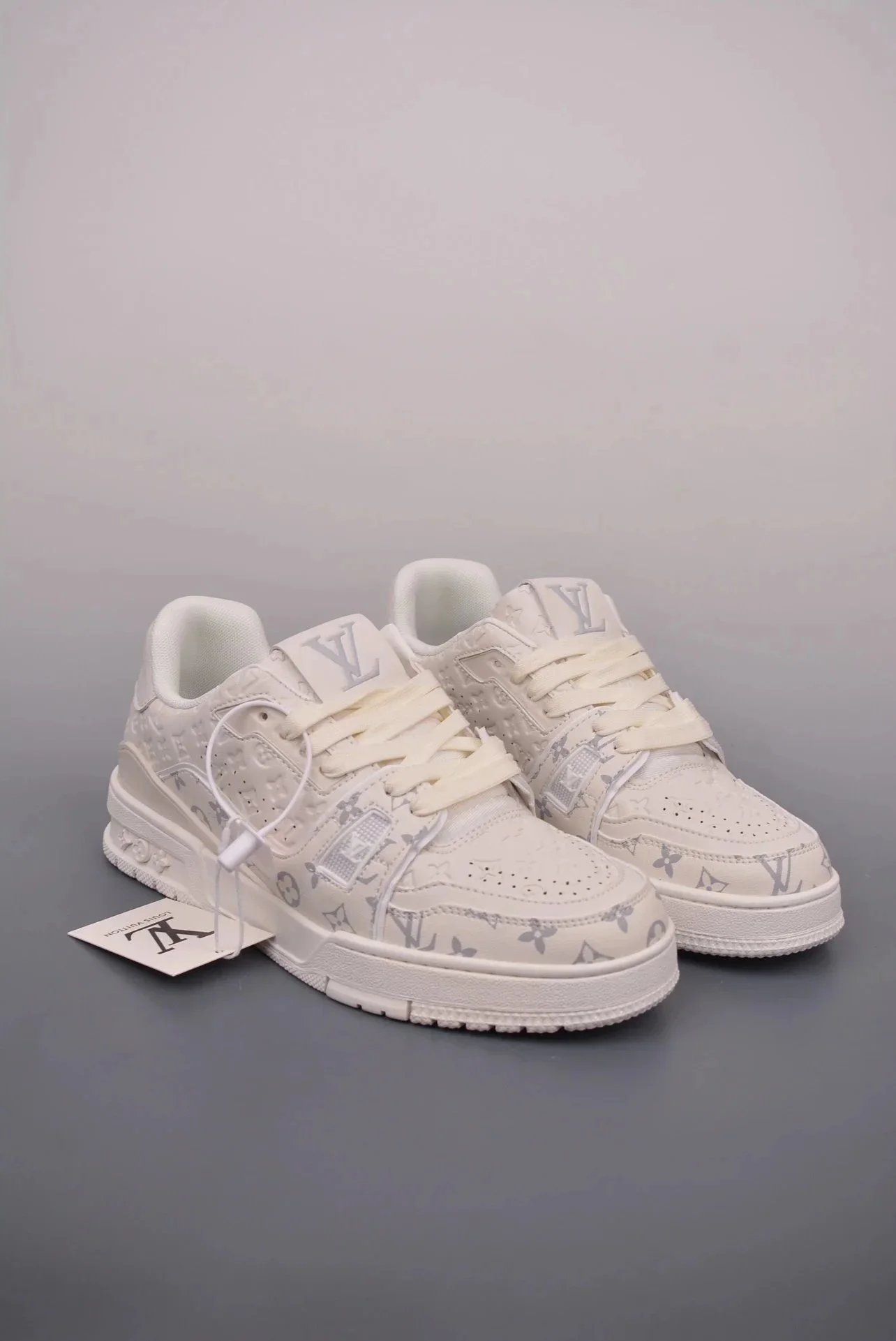
Sneakers 04 Classic Sneakers | LoongBuy spreadsheet | JoyaGoo spreadsheet | USFans spreadsheet - 135678
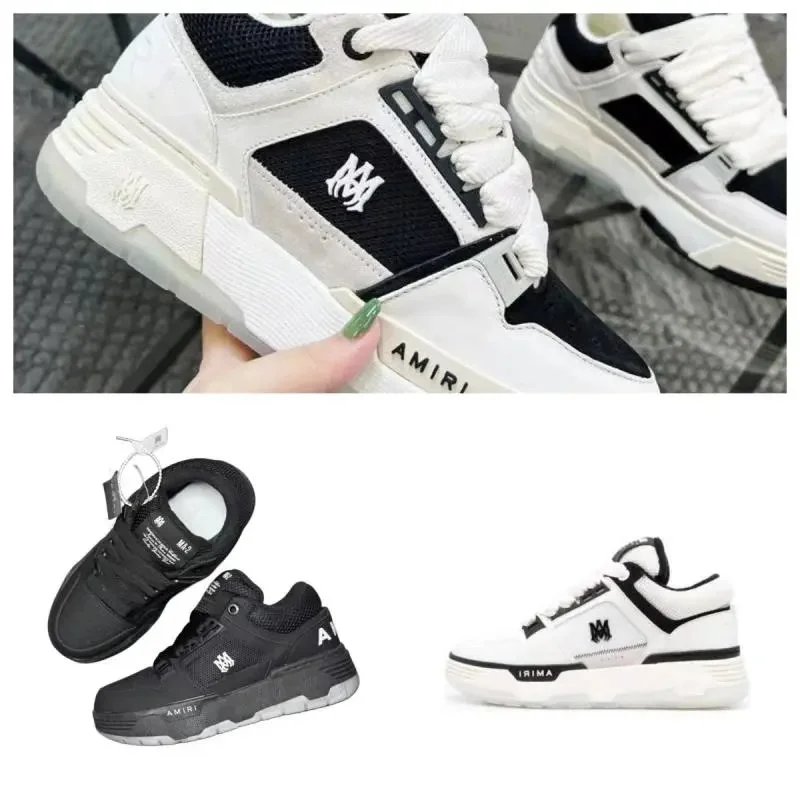
Sneakers P-0100 Unisex Sneakers | Kakobuy spreadsheet | BBDBuy spreadsheet | MyCNBox spreadsheet - 136114
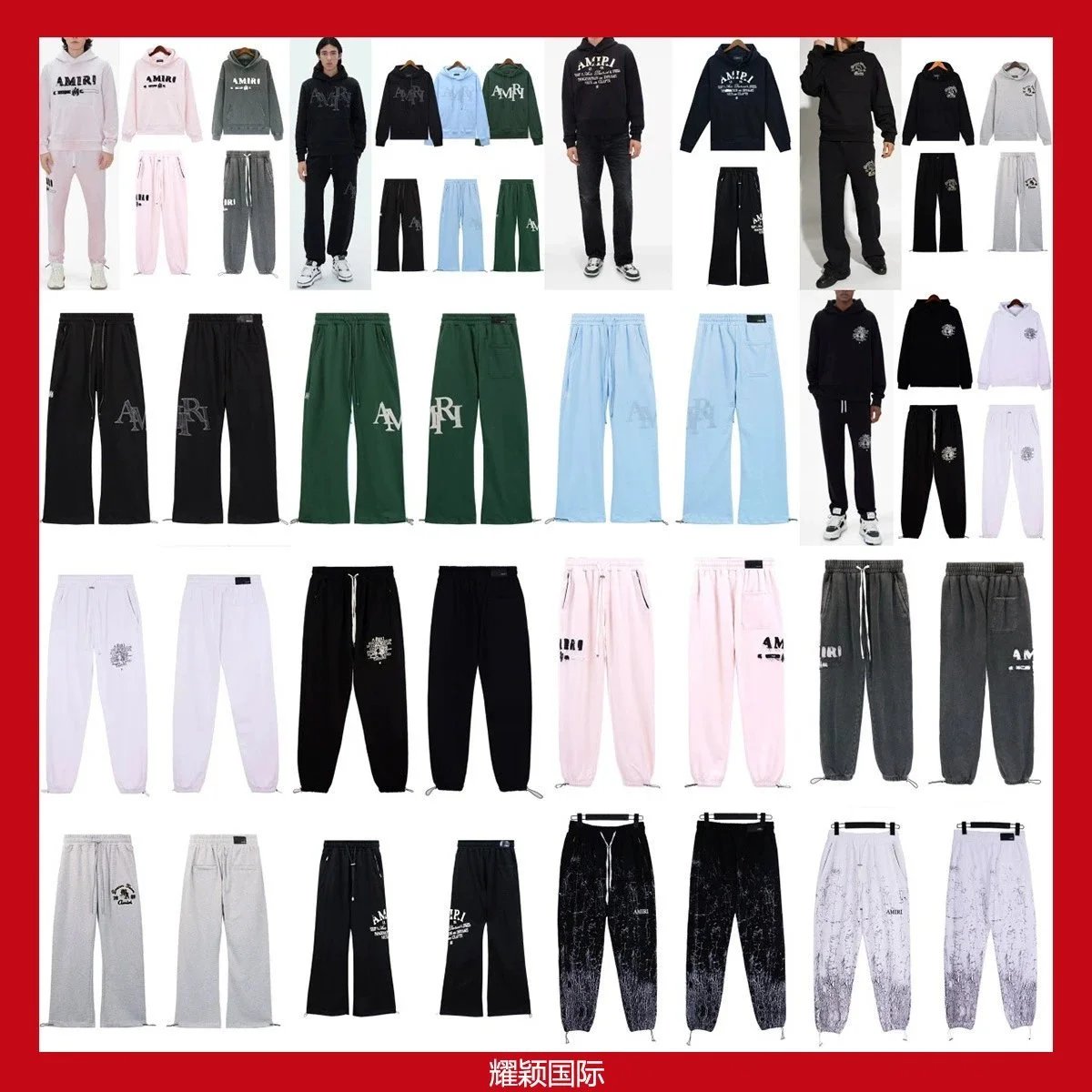
Graphic Hoodies and Sweatpants Collection LH25 Unisex | Oopbuy spreadsheet | Hipobuy spreadsheet - 140989

Sneakers 2025 Skate Sneakers | MyCNBox spreadsheet | iTaoBuy spreadsheet | USFans spreadsheet - 135965