Cafans Journal
Stories & FindsPikoBuy Guide for English-Speaking CAFANS: Spreadsheet, Product Links, and Shopping Workflow
PikoBuy Guide for English-Speaking CAFANS
If you are part of the CAFANS community and want a practical, plain-English walkthrough of PikoBuy, this guide covers the essentials: how the platform works, why the PikoBuy spreadsheet matters, how to use PikoBuy product links, and how to plan purchases with a repeatable PikoBuy shopping guide. The goal is simple — help you shop smarter, avoid common mistakes, and understand where each tool fits in your workflow.
What PikoBuy Is and Who It Serves
PikoBuy is a shopping agent and parcel-forwarding service that lets international buyers purchase from Chinese marketplaces and stores that may not ship overseas directly. For CAFANS members, the appeal is straightforward: you get access to a huge range of products, consolidated shipping, and a dashboard that tracks every order stage. Whether you are buying a single pair of sneakers or assembling a full haul, PikoBuy acts as the middle layer between you and the seller.
The platform typically handles order placement, warehouse receiving, quality-control photos, storage, and international shipping. You choose the items, submit the links, and PikoBuy purchases on your behalf. From there, your parcels arrive at the warehouse, get checked, and wait for your consolidation request.
Why the PikoBuy Spreadsheet Is Central to Hauling
The PikoBuy spreadsheet is the single most useful habit for anyone doing multiple orders. A well-maintained spreadsheet keeps your links, sizes, colors, prices, seller names, and order statuses in one place. Instead of scrolling through chat history or bookmarks, you open the sheet and see exactly what you have bought, what is still pending, and what has reached the warehouse.
Most experienced users build columns for item name, category, PikoBuy product links, quantity, declared value, QC status, and shipping batch. Add a column for estimated weight so you can forecast consolidation costs. A second tab for tracking numbers keeps the warehouse and international legs separate. This small discipline prevents duplicate purchases, missed sizes, and surprise shipping bills.
Using PikoBuy Product Links Correctly
PikoBuy product links are the URLs you paste into the platform to request a purchase. The key is to copy the full product link from the marketplace listing, not a shortened or mobile-only variant. Check that the link opens the exact variant you want — size, color, and model — because some listings bundle multiple options under one page.
When adding links, include clear notes: preferred size, backup color, and acceptable price range. If a seller has multiple storefronts, confirm the correct one. Keep your PikoBuy spreadsheet updated with the same links so you can reorder later. Good link hygiene reduces back-and-forth with support and speeds up order confirmation.
A Step-by-Step PikoBuy Shopping Guide
- Create and verify your account. Complete your profile, add a verified address, and set your preferred currency display.
- Collect candidate items. Browse marketplaces, save PikoBuy product links, and note sizes and colors in your spreadsheet.
- Submit purchase requests. Paste links, add notes, and confirm the quoted price before payment.
- Track warehouse arrival. Watch for receiving notifications and review QC photos for defects or wrong variants.
- Request consolidation. Group parcels, choose a shipping line, and compare cost versus speed.
- Declare and ship. Fill in customs information accurately and pay the international shipping fee.
- Monitor the tracking number until delivery, and log the result in your spreadsheet for future reference.
Budgeting, Consolidation, and Shipping Lines
Shipping is usually the largest variable cost. Consolidation saves money because multiple parcels ship as one, but weight and volume both matter. Remove unnecessary packaging when allowed, and ask about rehearsal packing if you are unsure of final weight. Compare economy, standard, and express lines using the same destination and weight estimate. Keep a budget column in the PikoBuy spreadsheet so you see item cost, domestic freight, service fee, and international shipping together.
Declared value should reflect reality. Under-declaring can cause customs problems; over-declaring raises fees. Follow the destination country's rules and keep receipts. Insurance is worth considering for high-value hauls.
Common Mistakes to Avoid
- Pasting the wrong variant link and receiving a different size or color.
- Forgetting to record order numbers in the spreadsheet.
- Skipping QC photo review before consolidation.
- Underestimating volumetric weight for bulky items.
- Missing warehouse storage deadlines, which can incur fees.
- Combining restricted items with general goods without checking line rules.
Working With the CAFANS Community
CAFANS users often share spreadsheets, QC tips, and shipping-line experiences. Treat shared templates as starting points and verify every link yourself. Community advice is helpful for timing and line selection, but final responsibility for accuracy rests with you. Keep your own records, and update your PikoBuy spreadsheet after each haul so future orders are faster.
Final Checklist
Before you ship, confirm: all items received, QC reviewed, variants correct, consolidation requested, customs information accurate, shipping line compared, and tracking logged. With a clean PikoBuy spreadsheet, reliable PikoBuy product links, and this PikoBuy shopping guide, your CAFANS hauling workflow becomes predictable and far less stressful.
Editor's selection
Popular Products

Sneakers B22 B30 Unisex Classic Sneakers | UIDBuy spreadsheet | BBDBuy spreadsheet - 135717

Outdoor Casual Sneakers | Hipobuy spreadsheet | OOTDBuy spreadsheet | JoyaGoo spreadsheet - 141223

Sneakers 04 Classic Sneakers | LoongBuy spreadsheet | JoyaGoo spreadsheet | USFans spreadsheet - 135678

Sneakers P-0100 Unisex Sneakers | Kakobuy spreadsheet | BBDBuy spreadsheet | MyCNBox spreadsheet - 136114

Sneakers 2025 Skate Sneakers | MyCNBox spreadsheet | iTaoBuy spreadsheet | USFans spreadsheet - 135965
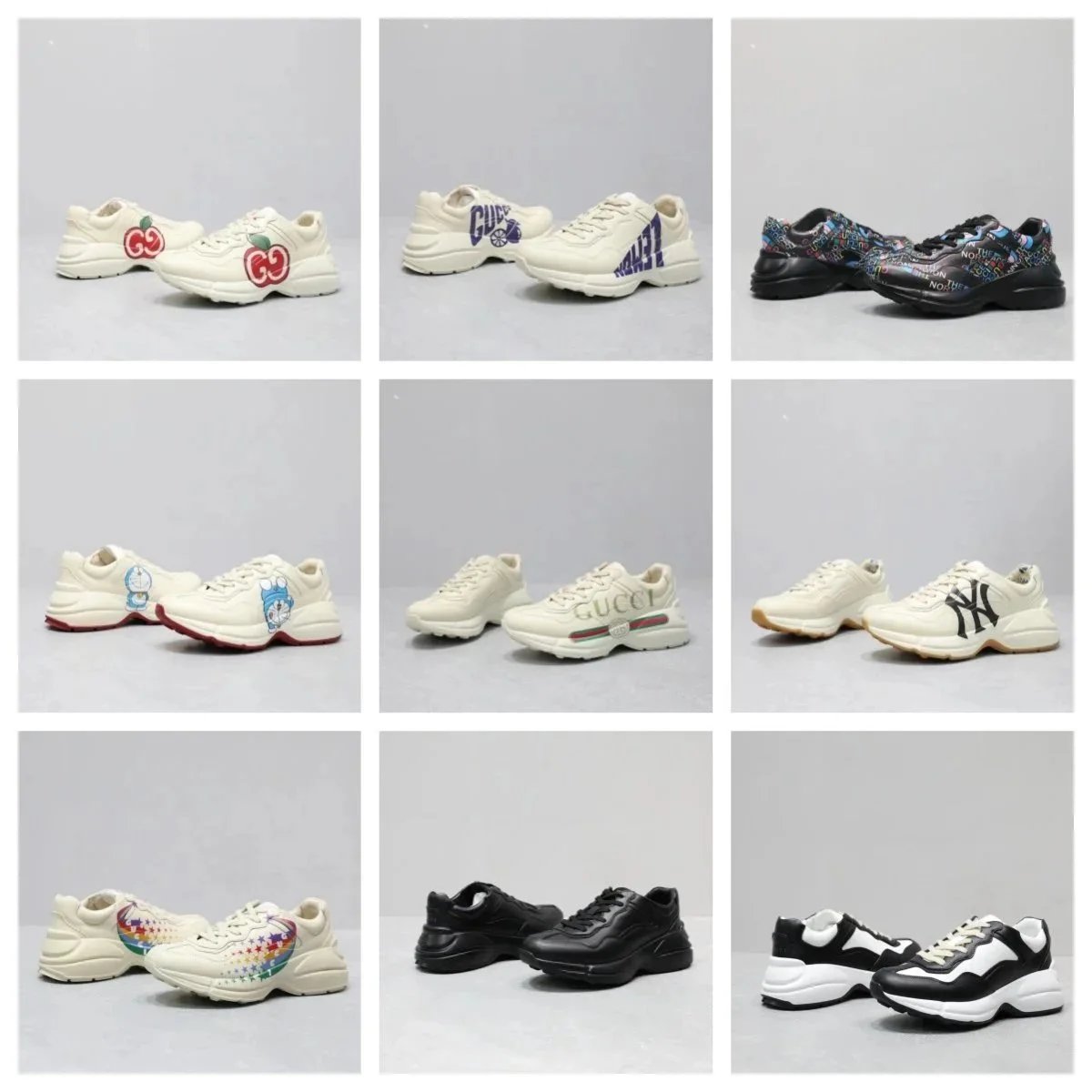
Sneakers BY03-CY Unisex Chunky Sneakers | Wheebuy spreadsheet | Lovegobuy spreadsheet - 141219
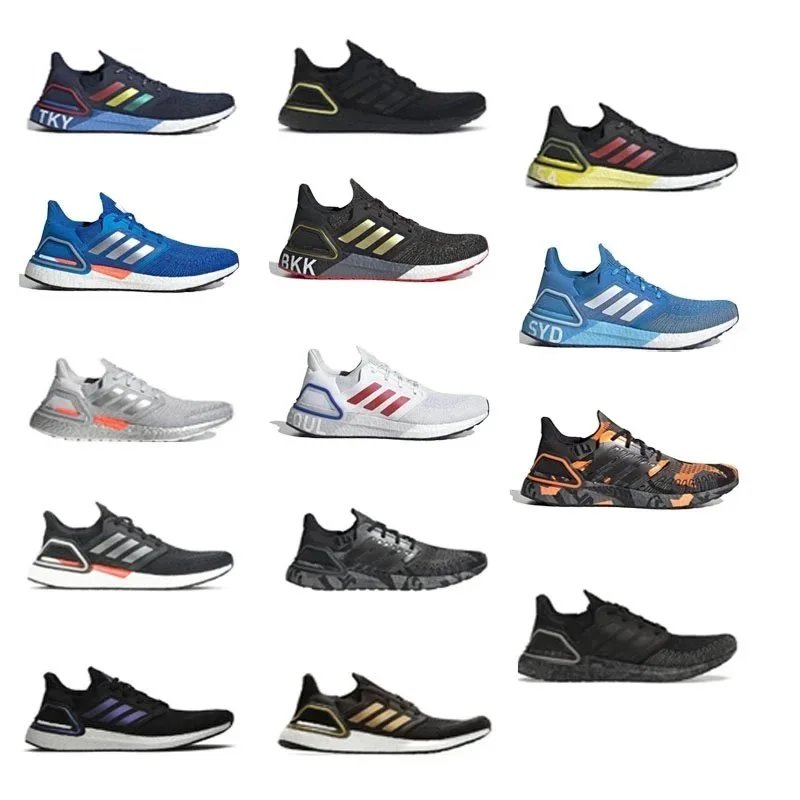
Ads Ultra Boost 20 Sneakers | Kakobuy spreadsheet | Hubbuycn spreadsheet | Hipobuy spreadsheet - 135679
