Cafans Journal
Stories & FindsOKEYHAUL Guide: The Complete CAFANS Shopping Handbook
If you have been looking for a practical, no-nonsense OKEYHAUL guide, this English CAFANS handbook walks you through everything from setting up your account to comparing product listings and building a smart budget. OKEYHAUL is an online shopping agent platform that helps international buyers purchase from Chinese marketplaces, consolidate parcels, and manage shipping. Whether you are a first-time buyer or a seasoned reseller, this OKEYHAUL shopping guide covers the workflow, the terminology, and the pitfalls to avoid.
What Is OKEYHAUL?
OKEYHAUL acts as a bridge between you and domestic Chinese sellers. Instead of dealing with language barriers, payment restrictions, or unreliable international shipping, you place an order through the agent. The platform purchases the item on your behalf, receives it at a warehouse, inspects it on request, and then forwards it to your address. The model is straightforward: you pay for the item, the domestic delivery fee, and the international freight, plus any optional service charges.
This OKEYHAUL guide focuses on the CAFANS method — a simple framework built around five habits: Check, Assess, Filter, Assemble, Notify, Settle. The name is a memory aid, not an official OKEYHAUL product. Each stage keeps your order accurate, your costs predictable, and your parcel trackable.
Step 1: Check the Listing Carefully
Before you add anything to your cart, verify the product page. Look at the seller rating, the number of completed orders, and the buyer photos. Pay attention to size charts, material descriptions, and color options, because returns across borders are expensive. Check whether the listing offers after-sales service and whether the seller ships domestically within the expected timeframe.
Use the search bar with precise keywords rather than broad categories. Compare at least three listings for the same item so you understand the normal price range. Screenshot the product details in case the page changes later. This single habit prevents most order errors.
Step 2: Assess Costs Honestly
Many beginners focus only on the item price. A good OKEYHAUL shopping guide must explain landed cost: item price plus domestic shipping plus warehouse handling plus international freight plus possible customs duties. Add a small buffer for exchange-rate fluctuations and packaging upgrades.
Use an OKEYHAUL spreadsheet to track each line item. Columns should include product name, seller, unit price, quantity, domestic freight, estimated weight, international freight rate, and total landed cost. A spreadsheet forces you to see the real number instead of the attractive sticker price. If the landed cost is close to a local retail price, consider whether the purchase is still worthwhile.
Step 3: Filter Sellers and Products
Filtering is about quality control. Prefer sellers with detailed descriptions, responsive messaging, and a history of positive feedback. Avoid listings with vague photos or suspiciously low prices. Read the negative reviews for patterns rather than isolated complaints. Check whether the item is in stock or made to order, since production delays can hold up your entire parcel.
If you are buying multiple items, group them by category and destination warehouse. Some sellers offer combined domestic shipping, which reduces warehouse intake costs. Keep a note of which items are fragile, liquid, or contain batteries, because these may require special shipping channels.
Step 4: Assemble and Consolidate
Consolidation is one of the biggest advantages of using an agent. When your items arrive at the warehouse, you can request that they be packed into one parcel. This usually lowers the total international freight compared with shipping each item separately. Ask for photos of the packed parcel and confirm the final weight and dimensions.
Remove unnecessary packaging to save volume, but protect fragile goods with bubble wrap. If you are reselling, request the original tags and boxes. Keep the warehouse storage deadline in mind; most agents charge after a free period.
Step 5: Notify and Confirm
Before the parcel ships, review the order summary line by line. Confirm the recipient address, phone number, and postal code. Choose a shipping line that matches your budget and urgency; economy lines are cheaper but slower, while express lines cost more. Declare the value accurately and understand your local import rules.
Save all order numbers in your OKEYHAUL spreadsheet and set reminders for tracking updates. If a seller sends a different color or size, contact support before the parcel leaves the warehouse. Timely notification solves most issues.
Step 6: Settle and Review
After delivery, inspect the items and log the outcome in your spreadsheet. Record the actual shipping time, the condition of the packaging, and whether the product matched the description. This data helps you choose better sellers next time.
For repeat buys, bookmark reliable OKEYHAUL product links and note the seller names. A curated list of trusted links is worth more than hours of searching. Share your findings with communities, but avoid exaggerated claims; honest reviews help everyone.
Building Your OKEYHAUL Spreadsheet
A simple four-sheet workbook works well. Sheet one is the wish list, where you collect candidate items and links. Sheet two is the order log, with costs and order numbers. Sheet three is the parcel tracker, showing warehouse intake dates, consolidation status, and tracking numbers. Sheet four is the review sheet, where you rate sellers and products. Color-code rows by status: pending, purchased, in warehouse, shipped, delivered.
Update the spreadsheet weekly. If you buy frequently, add a budget summary that totals monthly spending and average freight per kilogram. This turns a hobby into a manageable process.
Common Mistakes to Avoid
Do not ignore weight estimates; volumetric weight can surprise you. Do not consolidate incompatible items such as liquids and electronics without checking channel restrictions. Do not skip the inspection photo service for high-value goods. Do not declare an unrealistically low value to save duties, as this can cause delays or fines. Do not leave parcels in the warehouse beyond the free storage period.
Final Thoughts
The CAFANS approach — Check, Assess, Filter, Assemble, Notify, Settle — keeps your OKEYHAUL orders organized and your costs transparent. Start small, track everything in your spreadsheet, and build a personal list of reliable product links. With a little discipline, cross-border shopping becomes predictable rather than risky.
Editor's selection
Popular Products
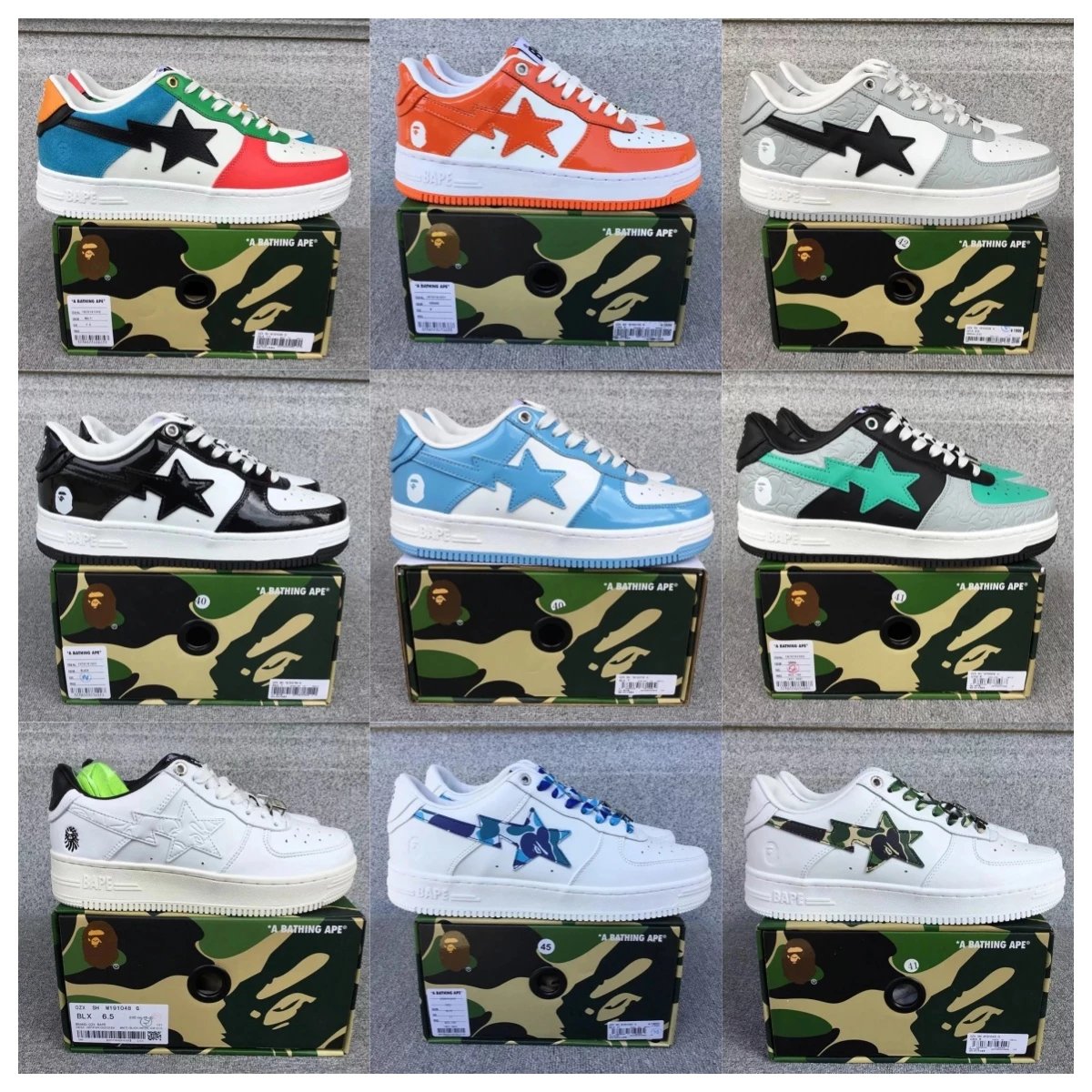
Skate Shoes SQ-002 | LoongBuy spreadsheet | Superbuy spreadsheet | Sugargoo spreadsheet - 141122
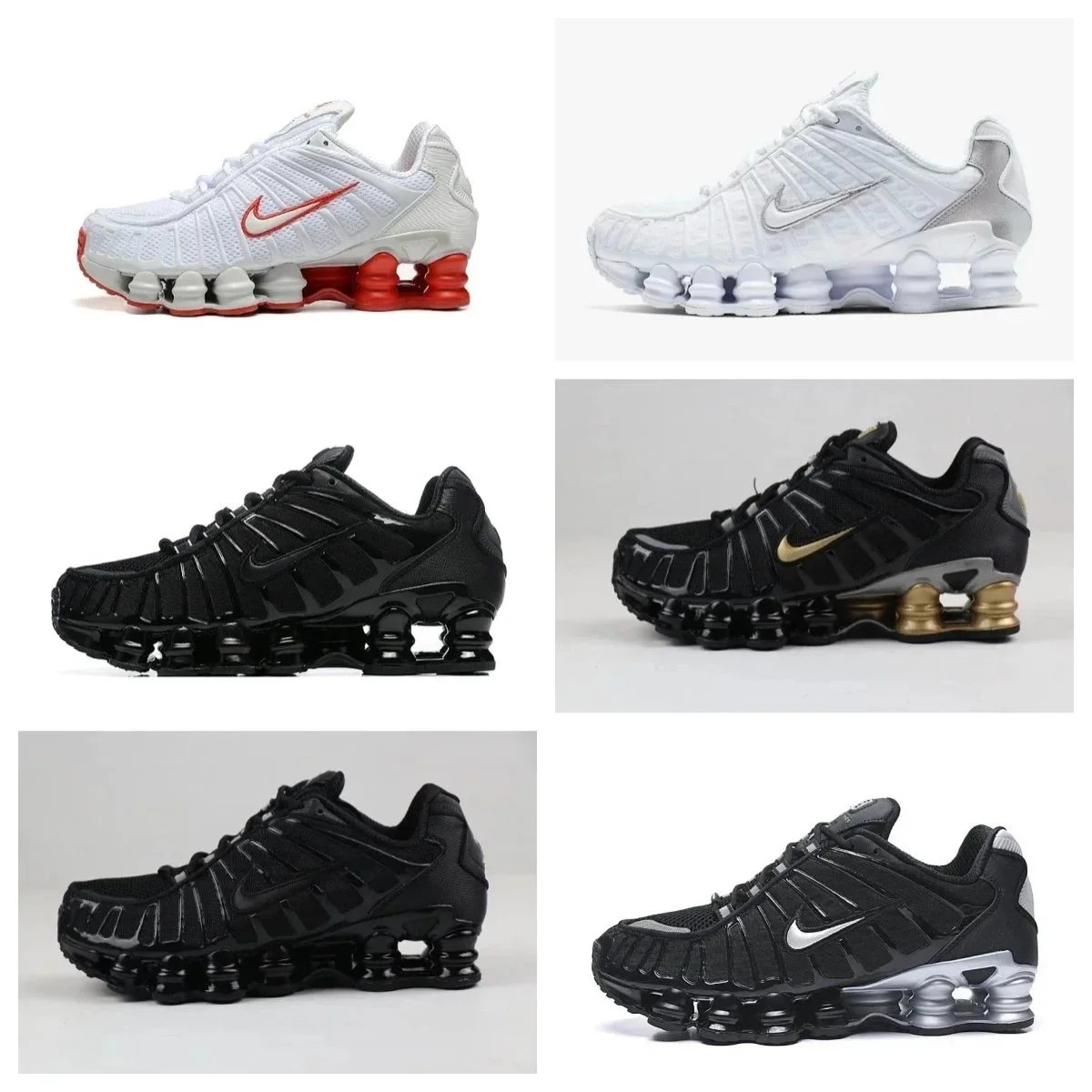
Casual Shoes | Oopbuy spreadsheet | MyCNBox spreadsheet | Sugargoo spreadsheet - 135681

Platform Casual Shoes | Hubbuycn spreadsheet | Fansbuy spreadsheet - 135441

Shoes Ph076 Breathable Running Shoes | CSSBuy spreadsheet | LoongBuy spreadsheet - 136150

Shoes XW21 Casual Shoes | Litbuy spreadsheet | CNShopper spreadsheet | JoyaGoo spreadsheet - 136147

PH Running Shoes | MyCNBox spreadsheet | Hubbuycn spreadsheet - 136149

Shoes 006-RS Classic Casual Shoes | Oopbuy spreadsheet | Kakobuy spreadsheet | Lovegobuy spreadsheet - 136148