Cafans Journal
Stories & FindsBoonBuy Guide: English CAFANS Shopping Walkthrough
This English CAFANS guide explains how to use BoonBuy as a shopping agent, find BoonBuy product links, work with a BoonBuy spreadsheet, and get the most from every BoonBuy shopping guide you come across. Whether you call it CAFANS or a shopping agent, the workflow is the same: find a listing, paste the link, confirm the details, and pay.
What BoonBuy Is
BoonBuy is an agent platform. You browse Chinese marketplaces and pick items, then BoonBuy buys on your behalf, receives the goods at its warehouse, and forwards them internationally. Your BoonBuy guide should always start with this idea: BoonBuy is the middleman, not the seller. That single fact explains QC photos, service fees, consolidation, and shipping choices.
Before ordering, create an account, add a shipping address, and set your preferred currency. Keep your email verified so you receive order and parcel updates. Read the platform rules on prohibited goods, since batteries, liquids, and branded replicas often face restrictions.
Step 1: Find Product Links
The first real task in any BoonBuy shopping guide is sourcing. Copy the product URL from the marketplace listing and paste it into the BoonBuy search bar. BoonBuy converts it into an order form with size, colour, and quantity options. If a link fails, open the item in a browser, take a screenshot, and send it to support with the price.
Collect several candidate links before ordering. Compare seller ratings, sales volume, and buyer photos. Note the variation names in Chinese and English, because machine translation sometimes mangles them. Save the item ID, the price at the time you checked it, and your chosen variant. That record becomes the foundation of your BoonBuy spreadsheet.
Step 2: Build a BoonBuy Spreadsheet
A BoonBuy spreadsheet keeps a haul organised. Create columns for link, item name, seller, size, colour, unit price, quantity, domestic shipping, order number, QC status, and final warehouse weight. Add a running total so you see costs before checkout. Many users also track a target weight per parcel to control freight.
Use the spreadsheet as a checklist. Mark each row as ordered, received, QC checked, or returned. When a seller ships late or sends the wrong colour, the row shows the timeline and helps your support conversation. Consistency matters more than complexity: a simple sheet updated daily beats an elaborate one you never open.
Step 3: Order and Inspect
Submit orders in small batches so you can learn from the first QC photos. When items arrive at the warehouse, inspect the free QC images. Check stitching, logos, measurements, and accessories. If something looks wrong, request extra photos or a return before the storage deadline.
Ask for measurement photos on shoes and jackets. Confirm that sizes match the chart, not the label. For electronics, ask the seller to test power-on and note any plug type. Keep every chat response in your spreadsheet notes.
Step 4: Consolidate and Ship
Choose a shipping line that matches your country, budget, and item type. Compare volumetric weight with actual weight, because bulky items are charged by volume. Remove unnecessary shoeboxes to reduce cost, but keep original packaging for fragile goods. Declare honestly and follow local customs rules.
Track the parcel and photograph the box on arrival. If damage occurs, report it quickly with unboxing photos. Insurance is optional but sensible on high-value hauls.
Common Terms to Know
As you build your own BoonBuy guide, learn these basics: agent, warehouse, consolidation, QC photos, domestic shipping, international shipping, service fee, rehearsal packing, volumetric weight, customs declaration, prohibited items, return window, storage period, top-up, balance, coupon, tracking number, seller rating, variation, size chart, batch, haul, parcel, courier line, insurance, refund, exchange, pre-order, and stock status. Knowing this vocabulary makes every BoonBuy shopping guide easier to follow and every support ticket clearer.
Practical Tips
Save BoonBuy product links in a bookmark folder alongside your spreadsheet rows. Order early before holidays, when sellers slow down. Avoid splitting one order across many sellers if you can, since domestic shipping adds up. Request rehearsal packing for large hauls so you see the real weight and volume before paying freight.
Finally, keep expectations realistic. Prices change, stock runs out, and translations fail. A patient, organised buyer with a tidy spreadsheet gets far better results than one who rushes. Use this English CAFANS walkthrough as your starting point, then refine it into a personal BoonBuy guide that fits how you shop.
Editor's selection
Popular Products
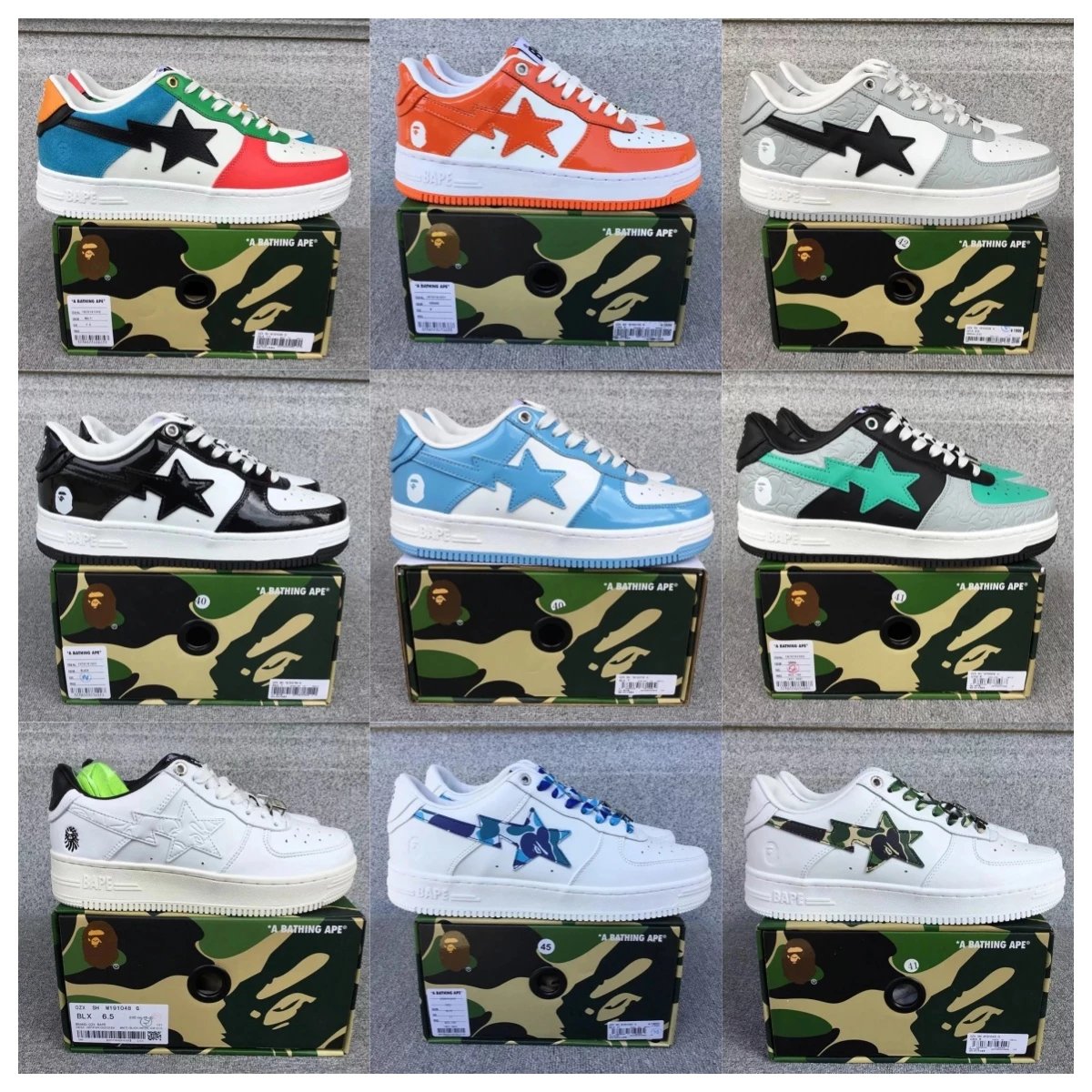
Skate Shoes SQ-002 | LoongBuy spreadsheet | Superbuy spreadsheet | Sugargoo spreadsheet - 141122
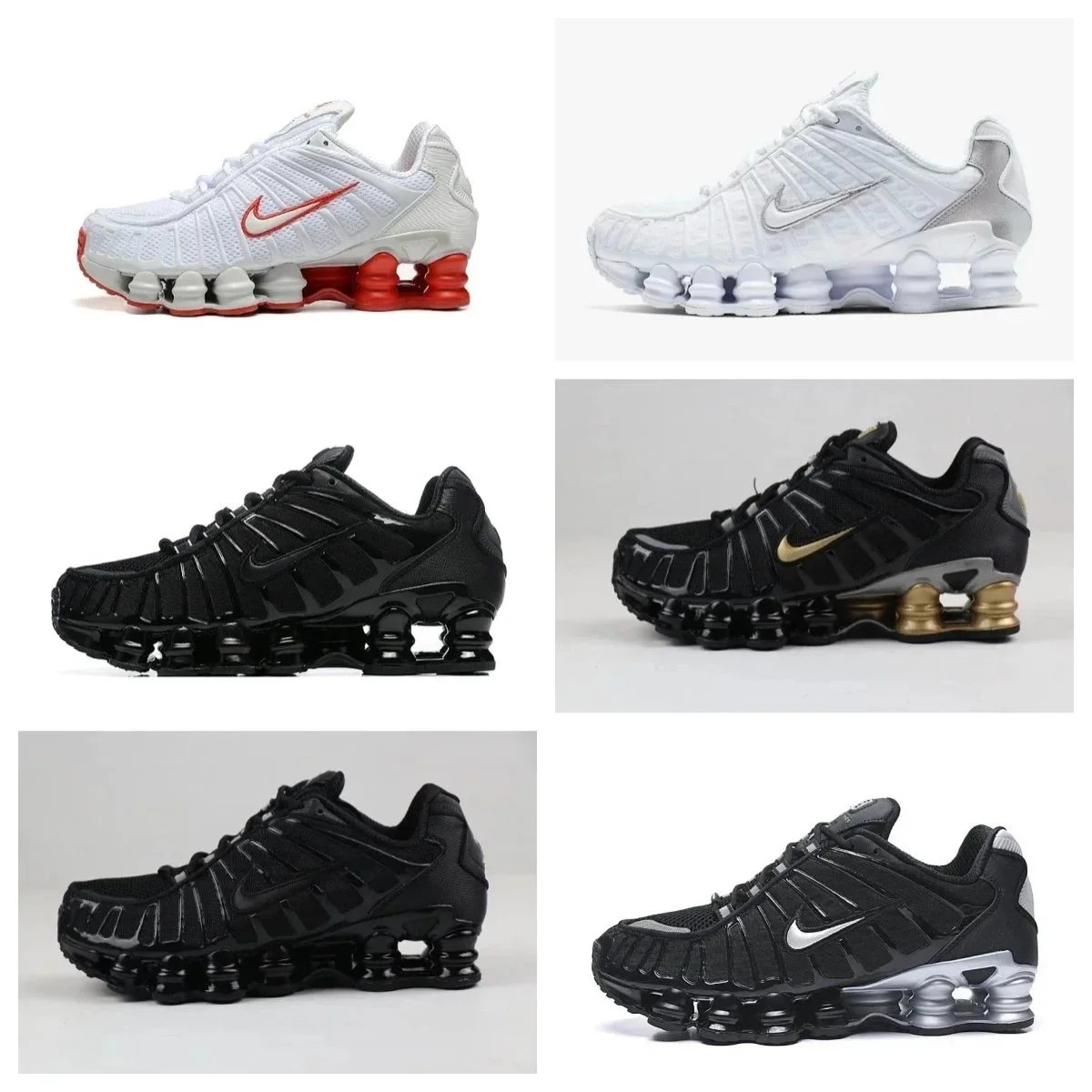
Casual Shoes | Oopbuy spreadsheet | MyCNBox spreadsheet | Sugargoo spreadsheet - 135681

Platform Casual Shoes | Hubbuycn spreadsheet | Fansbuy spreadsheet - 135441

Shoes Ph076 Breathable Running Shoes | CSSBuy spreadsheet | LoongBuy spreadsheet - 136150

Shoes XW21 Casual Shoes | Litbuy spreadsheet | CNShopper spreadsheet | JoyaGoo spreadsheet - 136147
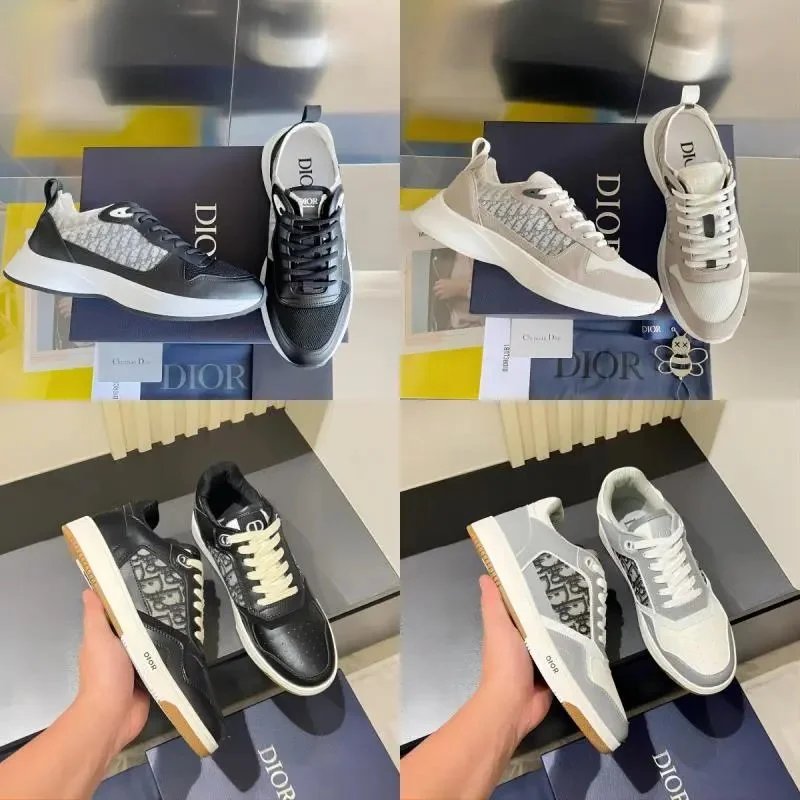
PH Running Shoes | MyCNBox spreadsheet | Hubbuycn spreadsheet - 136149
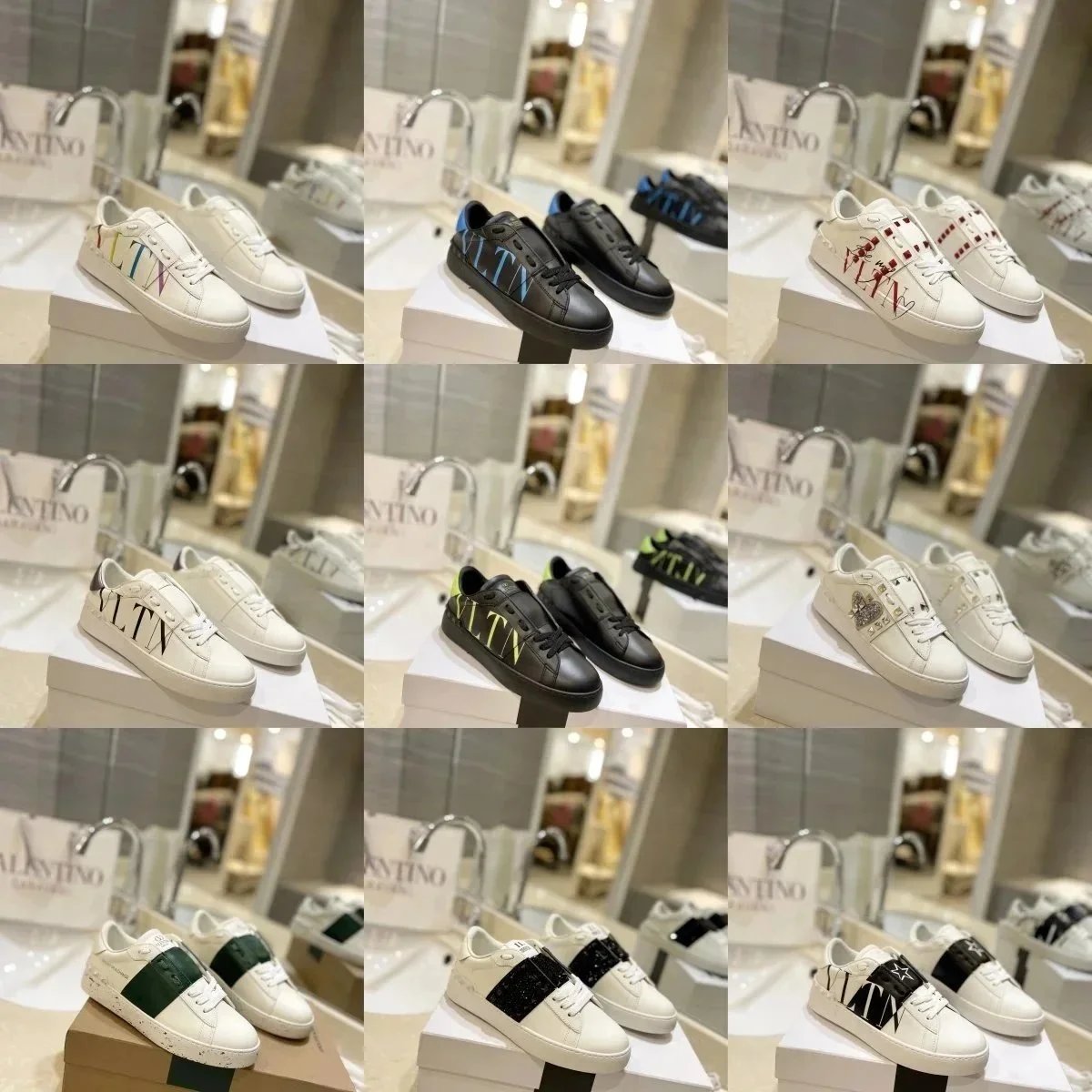
Shoes 006-RS Classic Casual Shoes | Oopbuy spreadsheet | Kakobuy spreadsheet | Lovegobuy spreadsheet - 136148