Cafans Journal
Stories & FindsRizzitgo: The Complete CAFANS Guide to Smarter Shopping in 2025
Rizzitgo: The Complete CAFANS Guide to Smarter Shopping
If you have spent any time browsing social feeds for deals, you have probably stumbled across Rizzitgo. This CAFANS guide breaks down everything a new user needs to know: what the platform is, how the Rizzitgo spreadsheet works, how to use Rizzitgo product links responsibly, and how to build a repeatable Rizzitgo shopping guide routine that saves both time and money. Whether you are a casual bargain hunter or a seasoned affiliate shopper, the goal here is clarity — no hype, no exaggerated claims, just practical steps.
What Is Rizzitgo?
Rizzitgo is a shopping discovery and deal-sharing ecosystem. In practice, it functions as a hub where product finds are curated, organized, and shared through a mix of social channels, community posts, and structured lists. The appeal is simple: instead of checking dozens of storefronts, users follow a single stream of curated picks. Think of it as a deal aggregator with a community layer — part wishlist, part price tracker, part recommendation feed.
For newcomers, the most important concept is the Rizzitgo spreadsheet. This is the backbone of the whole experience: a shared, living document where items are logged with details such as product type, price tier, retailer, season, and status. The Rizzitgo guide below explains how to read it, and the Rizzitgo shopping guide section explains how to act on it.
Why the Rizzitgo Spreadsheet Matters
A spreadsheet sounds boring until you realize what it solves. Deal hunting fails for three reasons: you forget what you wanted, you lose track of prices, and you buy impulsively. The Rizzitgo spreadsheet fixes all three by turning scattered finds into structured data.
- Consistency: every entry follows the same columns, so comparison is fast.
- History: you can see whether a price is genuinely low or just marketed as low.
- Collaboration: multiple people can contribute finds, which widens coverage.
- Accountability: a wishlist column keeps impulse buys in check.
Treat the spreadsheet as your master inventory. Every Rizzitgo product link you save should have a row. If it does not, it will be forgotten within a week.
How to Read Rizzitgo Product Links
Rizzitgo product links are the connective tissue between discovery and purchase. A well-formed link typically includes the retailer domain, a product identifier, and sometimes tracking parameters. Here is how to evaluate them:
- Check the destination: hover before clicking; confirm the domain matches the retailer you expect.
- Strip the noise: long tracking strings are normal in affiliate sharing, but verify the base URL is legitimate.
- Confirm the variant: size, color, and model matter — a link to the wrong variant wastes a checkout.
- Note the timestamp: deals expire. A link saved three weeks ago may now point to a full-price listing.
A disciplined habit: paste the link into your spreadsheet alongside the date checked. This single practice prevents most disappointment.
The Rizzitgo Shopping Guide: A Repeatable Routine
Below is a five-step routine that works for almost any category — apparel, electronics, home goods, beauty, or fitness gear.
Step 1 — Define the mission
Before opening any feed, write down one to three items you actually need. This is your priority list. Everything else is optional browsing.
Step 2 — Scan, do not scroll
Review new posts and spreadsheet updates in a fixed window — fifteen minutes is plenty. Capture candidates, do not evaluate them yet.
Step 3 — Log and normalize
Add each candidate to the Rizzitgo spreadsheet with price, retailer, category, and date. Normalizing data at capture time is what makes later comparison reliable.
Step 4 — Verify before you buy
Cross-check the price against the retailer's own page, confirm shipping and return terms, and read recent reviews. A discount is meaningless if the return policy is hostile.
Step 5 — Review weekly
Once a week, prune stale rows, archive purchased items, and flag anything that has hit your target price. This is the maintenance loop that keeps the system honest.
Common Mistakes to Avoid
Even experienced shoppers slip. Watch for these traps: buying because a link was shared rather than because you needed the item; trusting a single price point without history; ignoring tax and shipping in the final cost; and hoarding links without ever verifying them. The Rizzitgo guide philosophy is simple — curate less, verify more.
Building Your Own Rizzitgo Workflow
Start small. Create a spreadsheet with six columns: item, category, retailer, price, date checked, and status. Add a notes field for variant details. Then subscribe to a handful of reliable sources rather than dozens. Over time, your personal Rizzitgo shopping guide becomes a genuine asset — a searchable record of what you want, what it costs, and when to act.
Finally, remember that tools are only as good as the habits behind them. The spreadsheet does not save money; your discipline does. Use Rizzitgo as a structure, not a shortcut, and the results compound.
Editor's selection
Popular Products
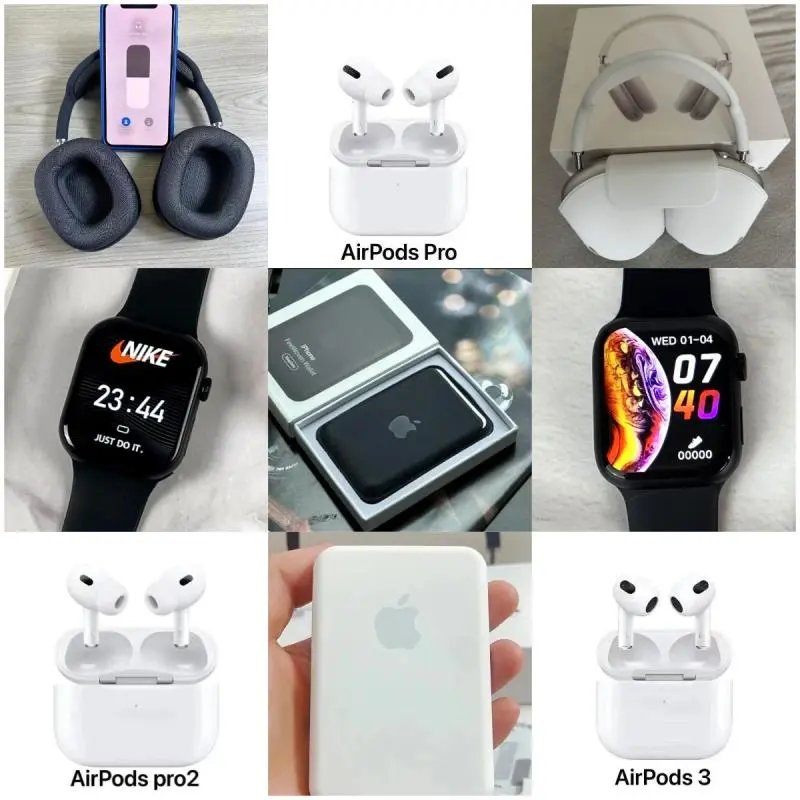
Catalog Item TF25 Digital Electronics | UIDBuy spreadsheet | Fishgoo spreadsheet - 141140
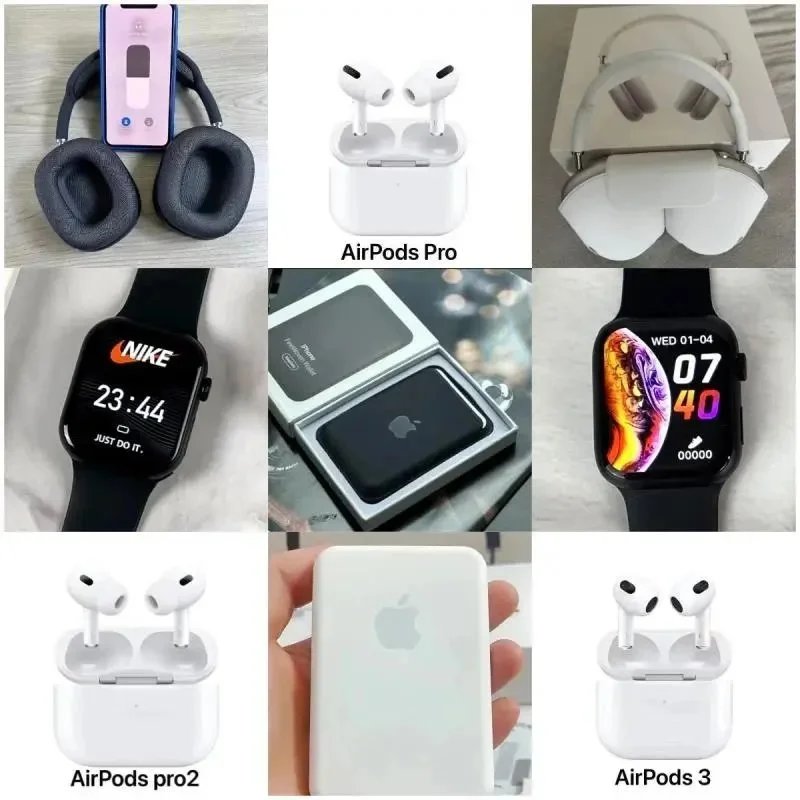
Catalog Item LL55 Digital Electronics | Superbuy spreadsheet | Fishgoo spreadsheet - 138885
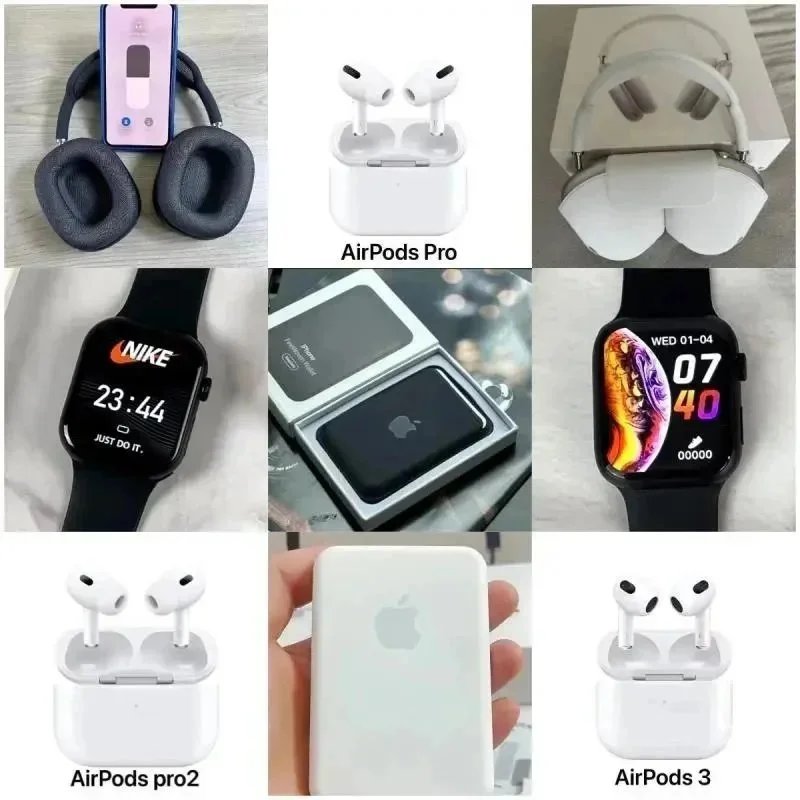
Headphones XB22 Headphones and Electronics Selection | LoongBuy spreadsheet | Hubbuycn spreadsheet - 136779
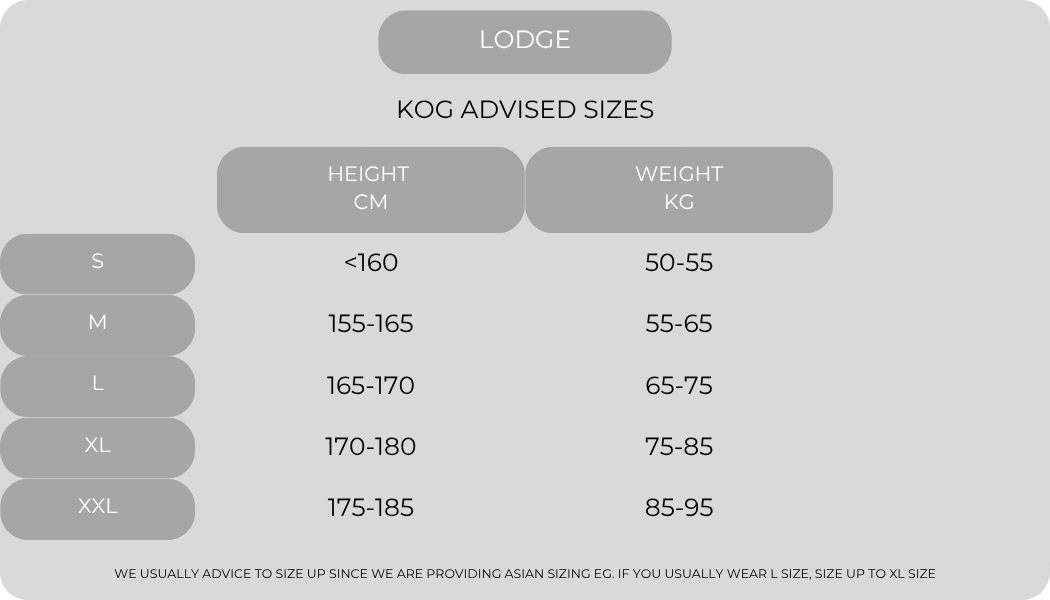
Catalog Item LODGE1200 Apparel | Litbuy spreadsheet | Hubbuycn spreadsheet | LoongBuy spreadsheet - 152120
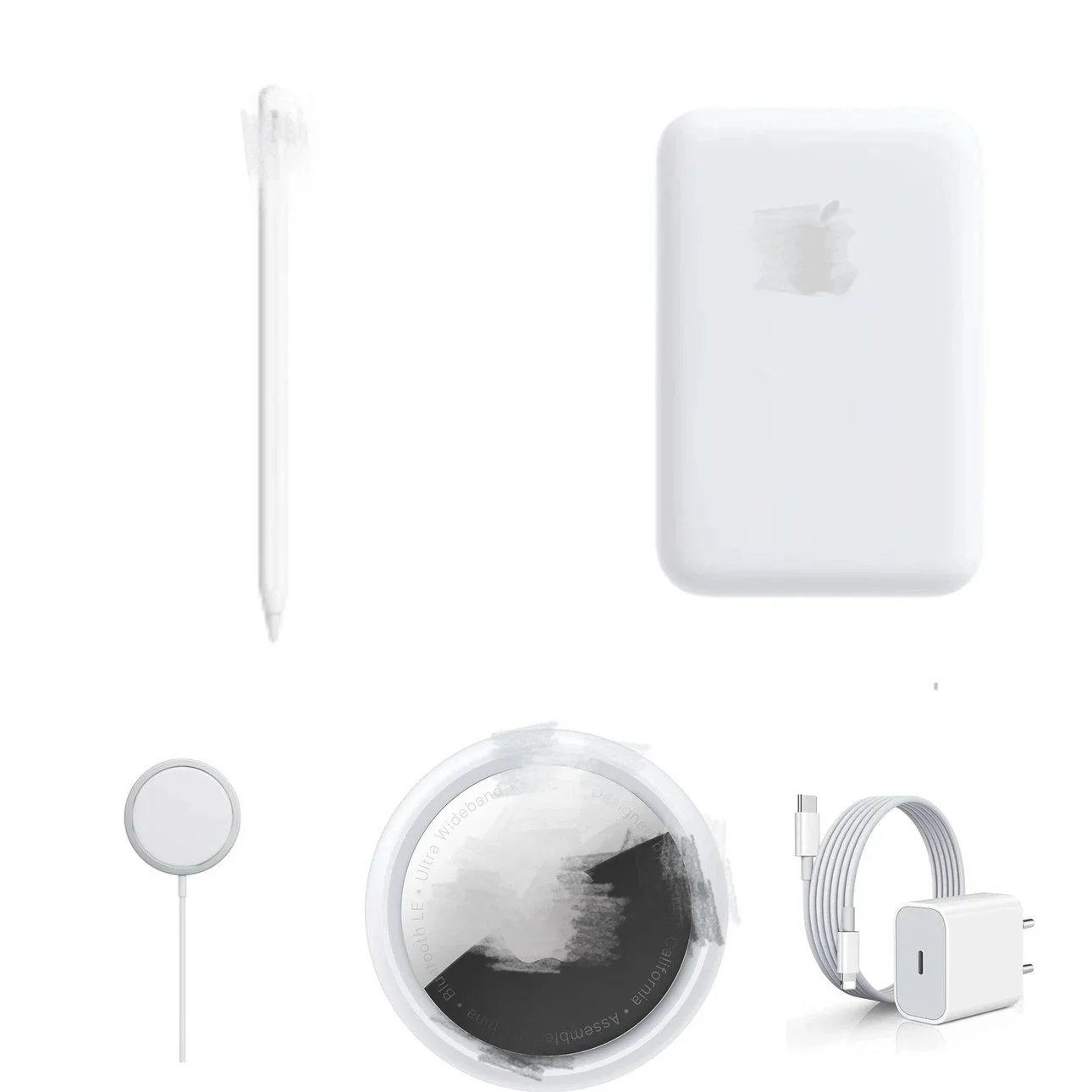
AP Charging and Electronics Accessories Selection | Fishgoo spreadsheet | Sugargoo spreadsheet - 149985

Rick Owens Apparel - Pants | Hipobuy spreadsheet | Oopbuy spreadsheet - 157607
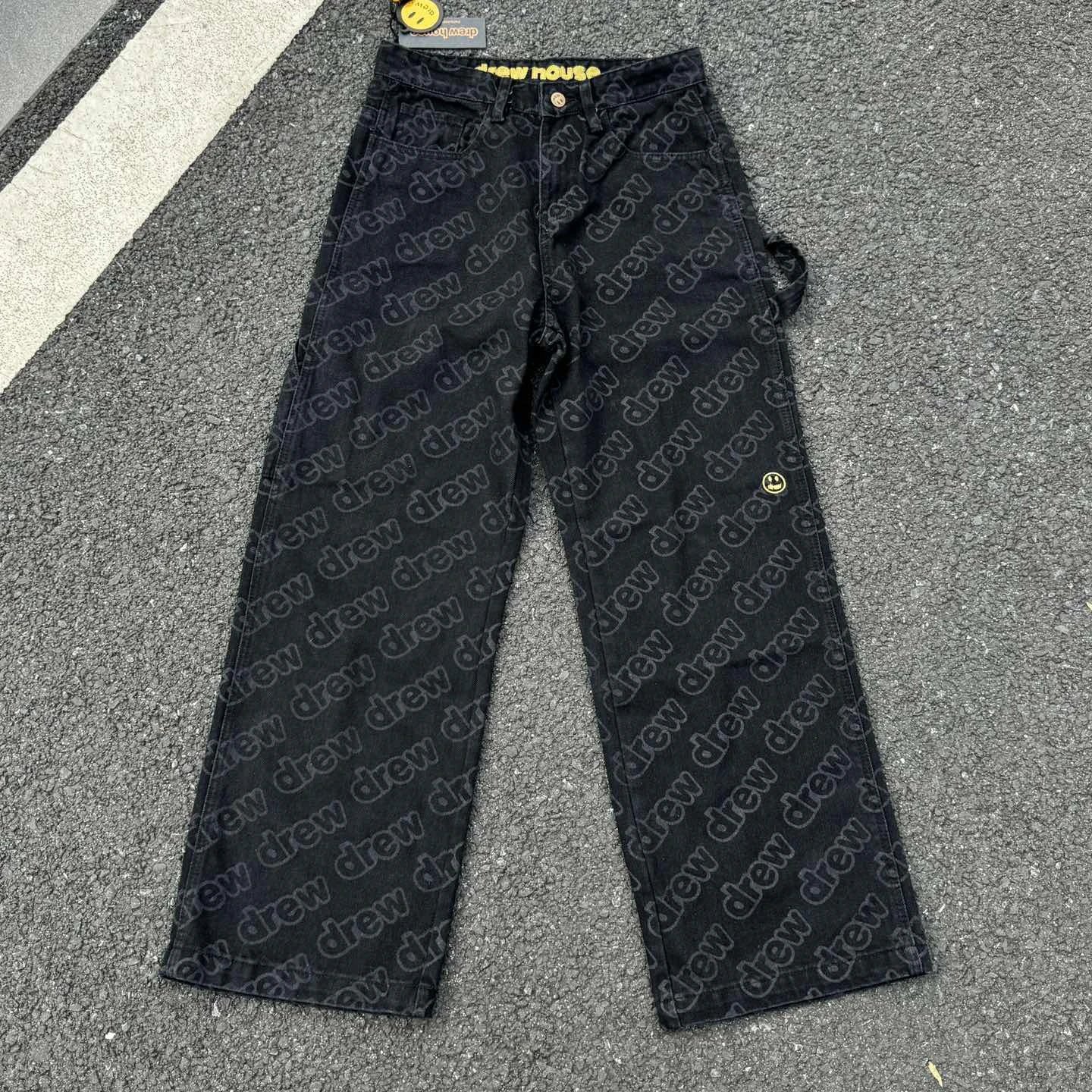
Drew Apparel - Denim Jeans | BBDBuy spreadsheet | MyCNBox spreadsheet | CSSBuy spreadsheet - 157460
