Cafans Journal
Stories & FindsCNShopper Guide: Your English CAFANS Shopping Walkthrough
CNShopper is the name many international buyers use when they want a clear, English-language path into Chinese shopping agents and marketplaces. This CAFANS guide explains how the platform fits together, how to read a CNShopper spreadsheet, and how to turn a good CNShopper guide into a real order. Whether you are buying one jacket or filling a warehouse box, the same principles apply: verify the seller, check the listing, confirm shipping, and keep your own records.
What CNShopper Is and Who It Serves
CNShopper is best understood as a shopping service layer that helps overseas customers buy from Chinese platforms such as Taobao, Tmall, 1688, and JD. Instead of navigating Chinese-only interfaces, you use an agent, a warehouse address, and a consolidation model. The service handles purchasing, quality inspection, storage, and international forwarding. For beginners, the appeal is simple: one account, one payment method, and one parcel leaving China.
Before you spend money, read at least one independent CNShopper guide and compare it with the official help pages. A good CNShopper shopping guide should cover fees, prohibited items, return windows, and parcel insurance. If a guide skips those topics, treat it as marketing rather than instruction.
Reading a CNShopper Spreadsheet
Most experienced buyers keep a CNShopper spreadsheet to track orders. A spreadsheet is not an official platform feature; it is a personal tool, but it is the single most useful habit in this hobby. Typical columns include:
- Order ID and seller name
- Product link plus a screenshot of the listing
- Size, color, and quantity
- Domestic shipping cost in CNY
- Warehouse arrival date and inspection result
- International shipping weight and tracking number
- Total landed cost in your home currency
When someone shares a CNShopper spreadsheet publicly, check whether the links are still live. Sellers change prices and delist items, so a spreadsheet from six months ago may lead to dead pages. Always open the CNShopper product links yourself and confirm the current SKU before paying.
Using CNShopper Product Links Correctly
CNShopper product links are the backbone of any order. A product link usually points to a marketplace listing, but the page you see depends on your region, your browser, and whether the seller ships to the agent warehouse. Follow these steps:
- Open the link in a clean browser session.
- Copy the item title and item ID into your spreadsheet.
- Check the size chart, material, and color options.
- Read recent reviews with photos, not just the star rating.
- Confirm the seller ships domestically within the stated time.
If a link fails, search the item ID or the exact title. Avoid buying from a different seller unless you re-check the photos and measurements. A common beginner mistake is ordering a “same style” item from a cheaper store and receiving a different fabric or cut.
Fees, Shipping, and Consolidation
Every shopping agent charges a service fee, usually a percentage of the item price. Domestic shipping to the warehouse is separate, and international shipping is calculated by actual or volumetric weight. Consolidation means combining multiple parcels into one shipment, which lowers cost per kilogram but increases risk if one item is delayed. A solid CNShopper shopping guide will tell you to set a deadline: ship everything that has arrived by a certain date rather than waiting indefinitely for one slow seller.
Choose a shipping line based on value, not just price. Cheap lines may lack tracking, have low compensation limits, or restrict batteries and liquids. If you buy electronics, cosmetics, or branded goods, confirm the line accepts them before the warehouse receives your parcel.
Quality Inspection and Returns
Warehouse inspection is your last cheap chance to catch problems. Ask for photos of tags, soles, zippers, and measurements. If an item is wrong, file a return within the platform window; domestic return shipping in China is usually inexpensive compared with international return shipping. Record the inspection result in your CNShopper spreadsheet so you can spot repeat problems with the same seller.
Common Mistakes to Avoid
- Trusting a CNShopper product links list without checking live prices.
- Ignoring volumetric weight for bulky items such as shoes or bedding.
- Declaring a low value to save duty and losing insurance coverage.
- Forgetting that some categories are restricted by the shipping line, not the agent.
- Paying outside the platform and losing buyer protection.
A Simple Workflow
Start with one small order. Save the CNShopper product links in a fresh CNShopper spreadsheet. Pay through the official checkout, wait for warehouse arrival, approve inspection, then consolidate. After the parcel arrives, update the landed cost and note the seller’s accuracy. Over three or four orders you will build a personal CNShopper guide that is more reliable than any generic article, because it reflects your sizes, your shipping line, and your budget.
Used carefully, CNShopper is a practical bridge between global buyers and Chinese sellers. The CNShopper shopping guide above is a starting point, not a guarantee. Verify every listing, keep every record, and ship only what you can afford to lose.
Editor's selection
Popular Products
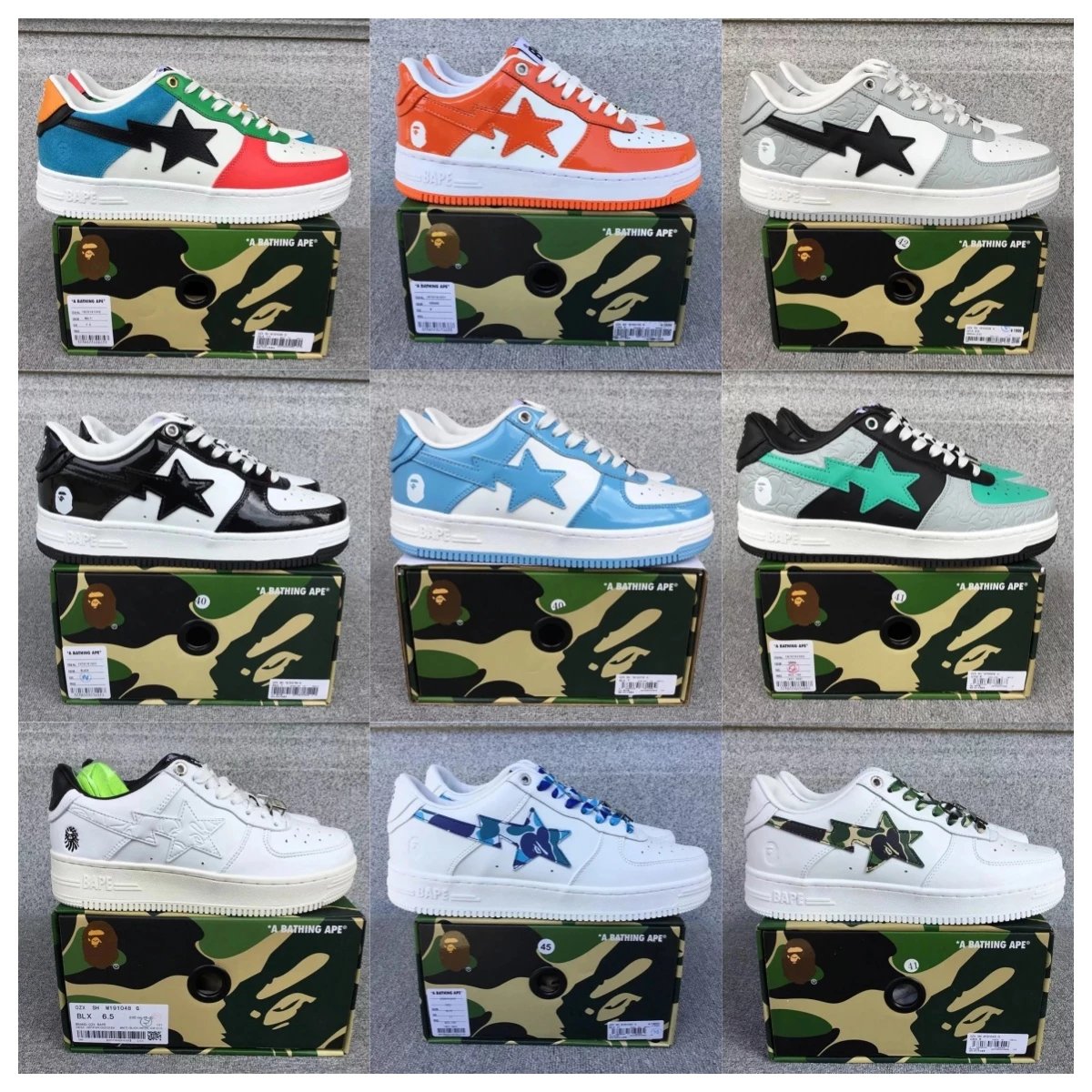
Skate Shoes SQ-002 | LoongBuy spreadsheet | Superbuy spreadsheet | Sugargoo spreadsheet - 141122
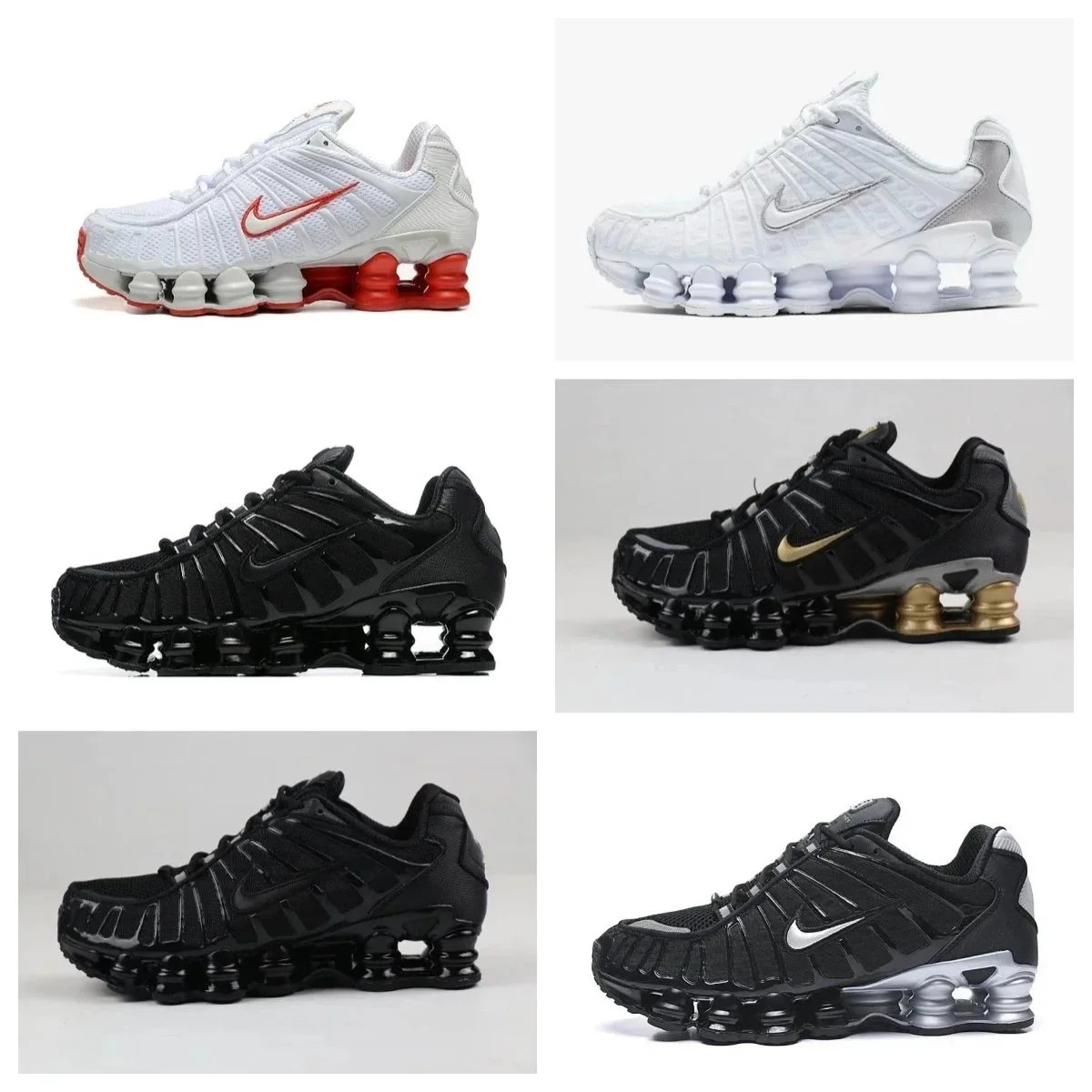
Casual Shoes | Oopbuy spreadsheet | MyCNBox spreadsheet | Sugargoo spreadsheet - 135681

Platform Casual Shoes | Hubbuycn spreadsheet | Fansbuy spreadsheet - 135441

Shoes XW21 Casual Shoes | Litbuy spreadsheet | CNShopper spreadsheet | JoyaGoo spreadsheet - 136147

Shoes Ph076 Breathable Running Shoes | CSSBuy spreadsheet | LoongBuy spreadsheet - 136150
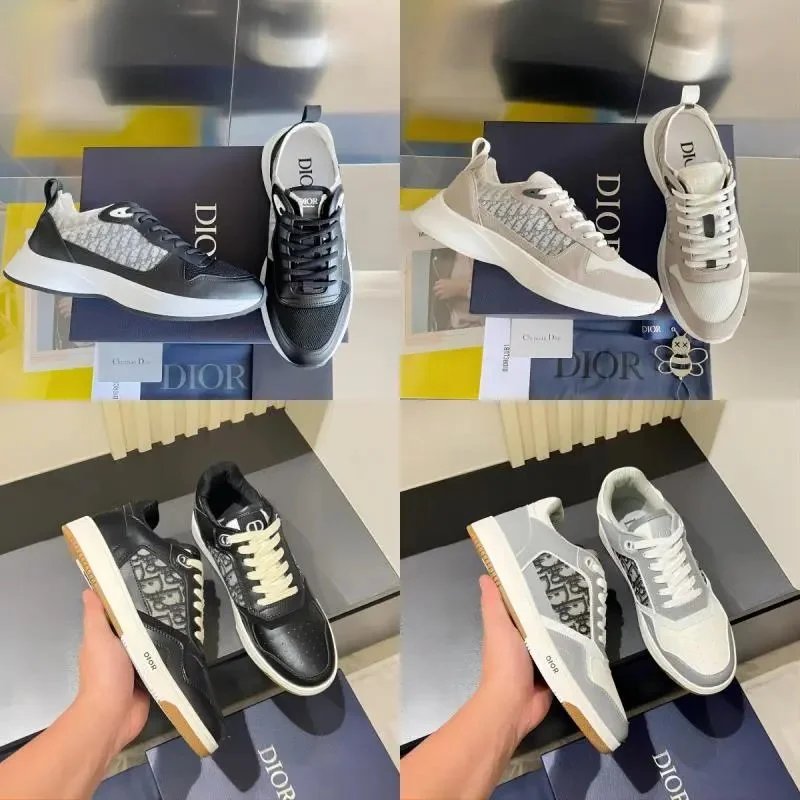
PH Running Shoes | MyCNBox spreadsheet | Hubbuycn spreadsheet - 136149
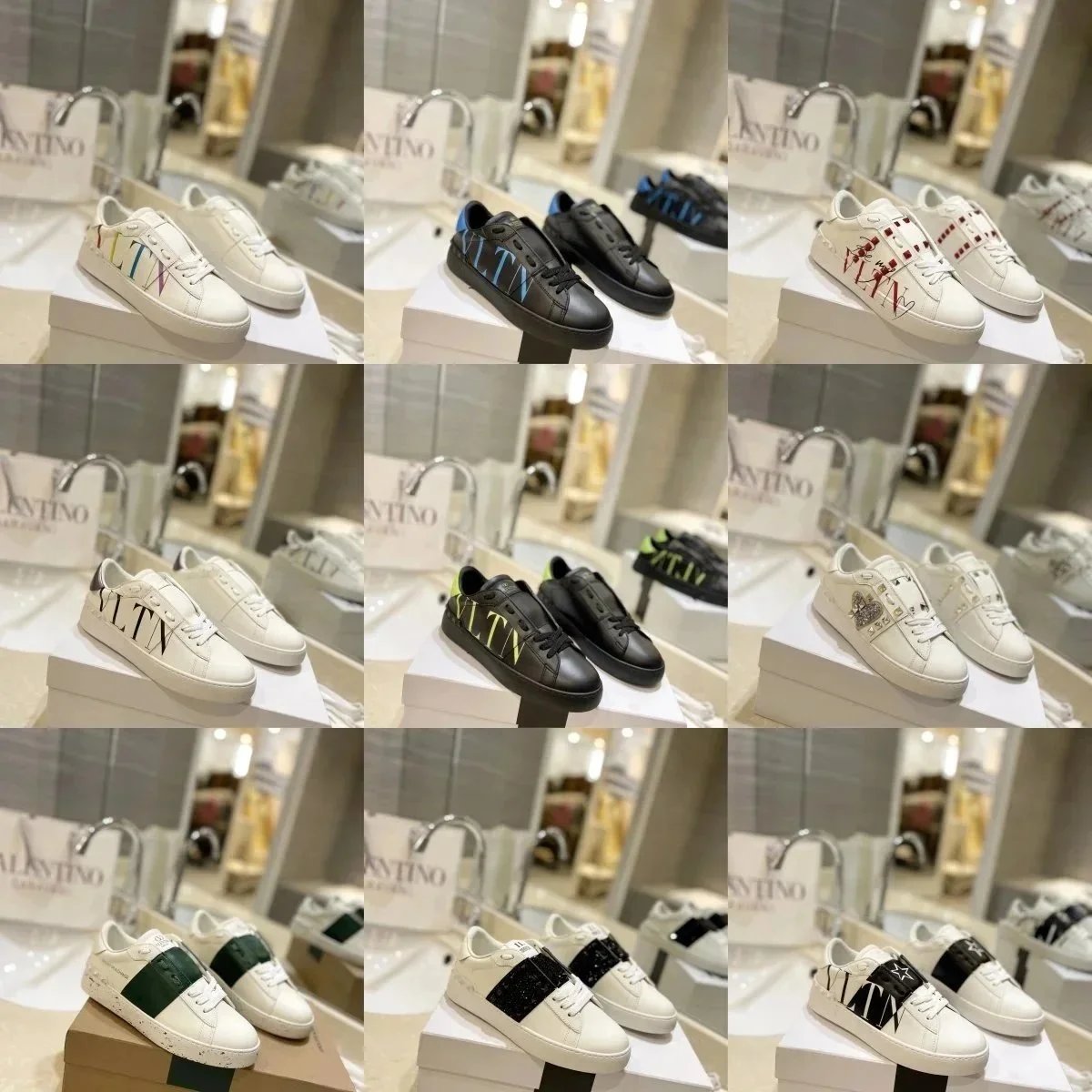
Shoes 006-RS Classic Casual Shoes | Oopbuy spreadsheet | Kakobuy spreadsheet | Lovegobuy spreadsheet - 136148