Cafans Journal
Stories & FindsFishBuy CAFANS Guide: A 1,000-Word Walkthrough for Smart Shoppers
What Is FishBuy and Why CAFANS Matters
If you have spent any time browsing Chinese marketplaces from overseas, you have probably run into FishBuy. This FishBuy guide explains the CAFANS approach, a practical way to organize your haul, track costs, and avoid surprises. CAFANS stands for Catalog, Authenticate, Filter, Assess, Negotiate, Ship. Each step keeps your order lean and your budget honest. The core idea is simple: use a FishBuy spreadsheet as your control panel, and let the FishBuy shopping guide logic decide what stays in your cart.
Step 1: Catalog Your Targets
Start by building a wishlist. Open your FishBuy product links in a single document and log each item. A good FishBuy spreadsheet should include columns for product name, seller rating, unit price, weight, category, and a notes field. Track related terms such as listing, variant, SKU, batch, and warehouse. When you paste a link, note the size chart, color option, and stock status. This habit turns a messy tab collection into a clean FishBuy guide you can reuse every season.
Step 2: Authenticate Sellers and Listings
Not every seller is equal. Before you commit, check the seller rating, review count, return policy, and response time. Use the FishBuy shopping guide rule: if a listing has fewer than a handful of verified reviews, flag it yellow in your FishBuy spreadsheet. Look for authenticity tags, official store badges, and buyer photos. Cross-check model number and material against the description. This step protects you from counterfeit goods and misleading photos, two of the most common complaints in any FishBuy guide thread.
Step 3: Filter by Category and Weight
Weight is money. In your FishBuy spreadsheet, add a calculated column for estimated shipping weight. Sort by category so you can bundle apparel, accessories, home goods, electronics, and beauty items together. Heavier furniture or appliances may need a different freight line. Use the FishBuy shopping guide to decide which items belong in a consolidated parcel and which should ship alone. Note packaging and box size; oversized cartons trigger volumetric weight charges. A well-built FishBuy spreadsheet makes these trade-offs visible before checkout.
Step 4: Assess Total Landed Cost
Price tags lie. Your real cost includes domestic shipping, service fee, international freight, insurance, and possible customs duty. Add these as columns in the FishBuy spreadsheet and compute a landed-cost figure per item. This FishBuy guide recommends a 10–15% buffer for exchange rate swings. Compare coupon discounts and promo codes; log the discount and final price so you can revisit them. If a product link shows a flash sale, note the expiry in your sheet. The FishBuy product links you save should always pair with a landed-cost estimate, not just a sticker price.
Step 5: Negotiate and Confirm Details
Many sellers accept questions before purchase. Ask about measurements, fabric, warranty, and packaging. Confirm the variant and quantity in writing. Use your FishBuy spreadsheet to track seller messages and commitments. The FishBuy shopping guide suggests keeping a screenshot of the chat and the order confirmation. If an item is out of stock, mark it and move on rather than substituting blindly. This step is where a careful FishBuy guide saves the most headaches, because clear records resolve disputes fast.
Step 6: Ship, Consolidate, and Review
When parcels arrive at the warehouse, inspect the quality check photos. Approve consolidation only after confirming item count and condition. Choose a shipping line based on speed versus cost, and log the tracking number in your FishBuy spreadsheet. After delivery, rate each seller and note fit, durability, and value. Update your FishBuy product links with a “buy again” or “avoid” tag. Over time, your FishBuy guide becomes a personal database of trustworthy suppliers, reliable categories, and realistic shipping timelines.
Common Pitfalls to Avoid
Watch for fake reviews, bait-and-switch listings, and hidden fees. Do not ignore size conversions or voltage differences for electronics. Keep an eye on seasonal delays around holidays. A disciplined FishBuy spreadsheet and a consistent FishBuy shopping guide routine will catch most of these issues early. Remember that the best FishBuy guide is the one you actually maintain.
Final Checklist
Before you check out: confirm seller rating, landed cost, weight estimate, variant, return window, and tracking plan. Save every FishBuy product links entry with a note. Reread this FishBuy guide, update your FishBuy spreadsheet, and proceed. With CAFANS, FishBuy shopping becomes predictable, auditable, and far less stressful.
Editor's selection
Popular Products
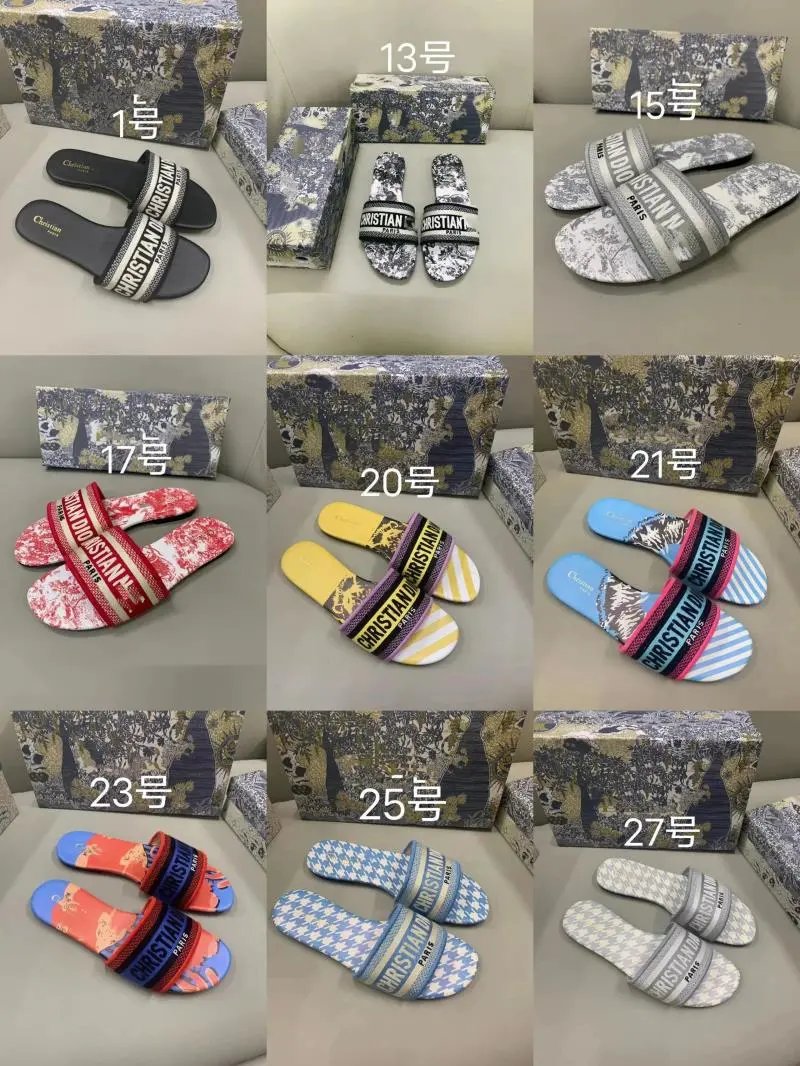
DS Slippers | Wheebuy spreadsheet | LoongBuy spreadsheet | Lovegobuy spreadsheet - 135724
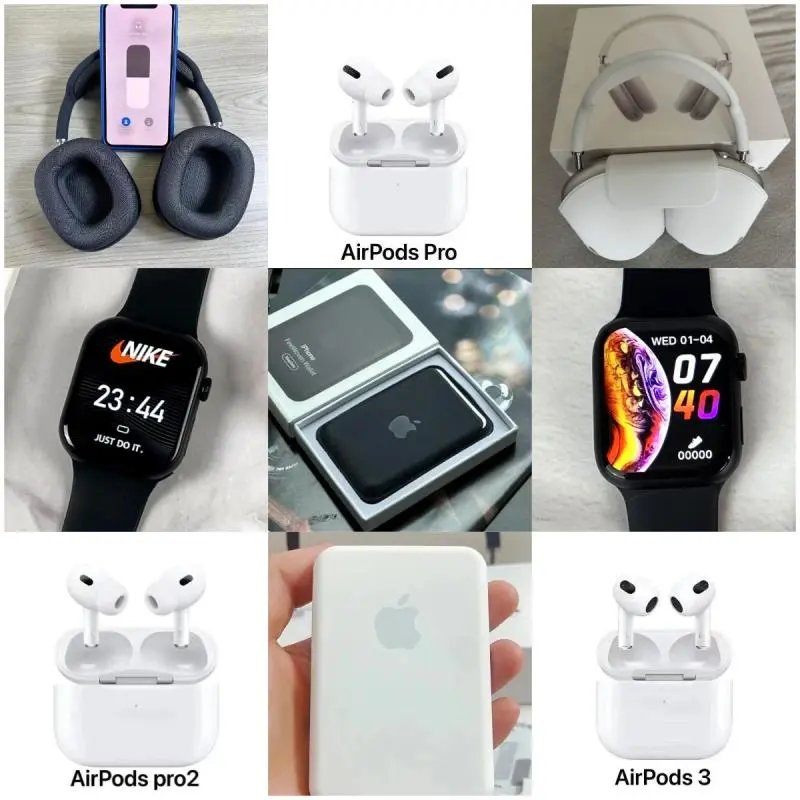
Catalog Item TF25 Digital Electronics | UIDBuy spreadsheet | Fishgoo spreadsheet - 141140

Accessories | UIDBuy spreadsheet | Fishgoo spreadsheet | Oopbuy spreadsheet - 140922
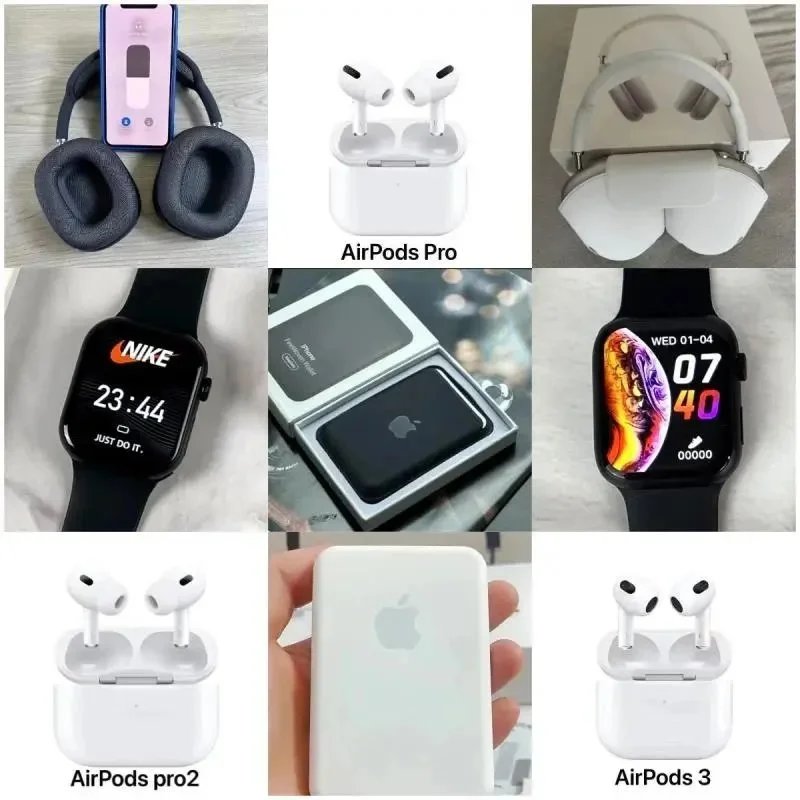
Catalog Item LL55 Digital Electronics | Superbuy spreadsheet | Fishgoo spreadsheet - 138885
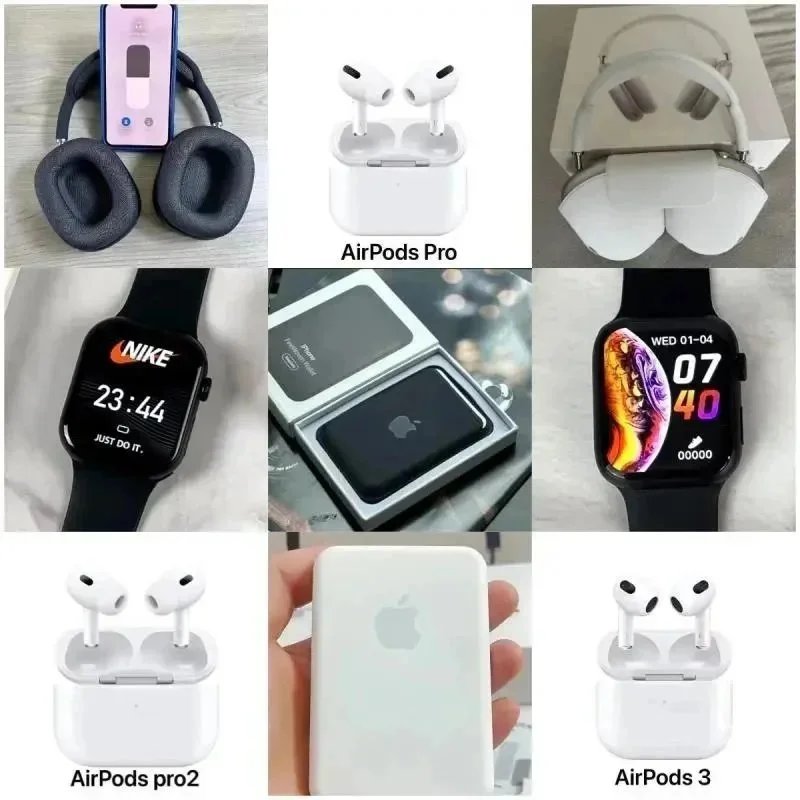
Headphones XB22 Headphones and Electronics Selection | LoongBuy spreadsheet | Hubbuycn spreadsheet - 136779
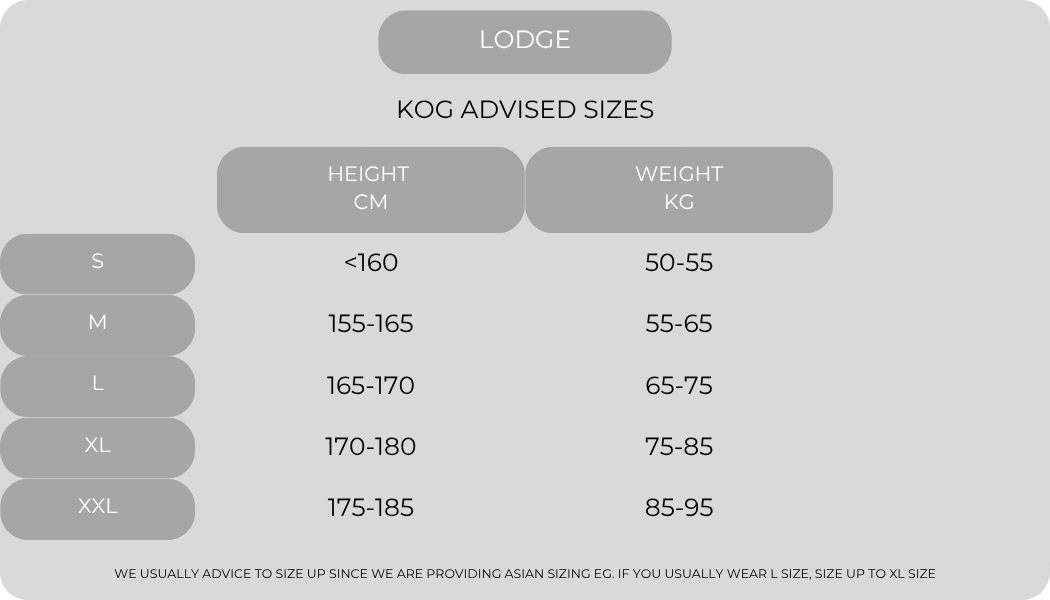
Catalog Item LODGE1200 Apparel | Litbuy spreadsheet | Hubbuycn spreadsheet | LoongBuy spreadsheet - 152120
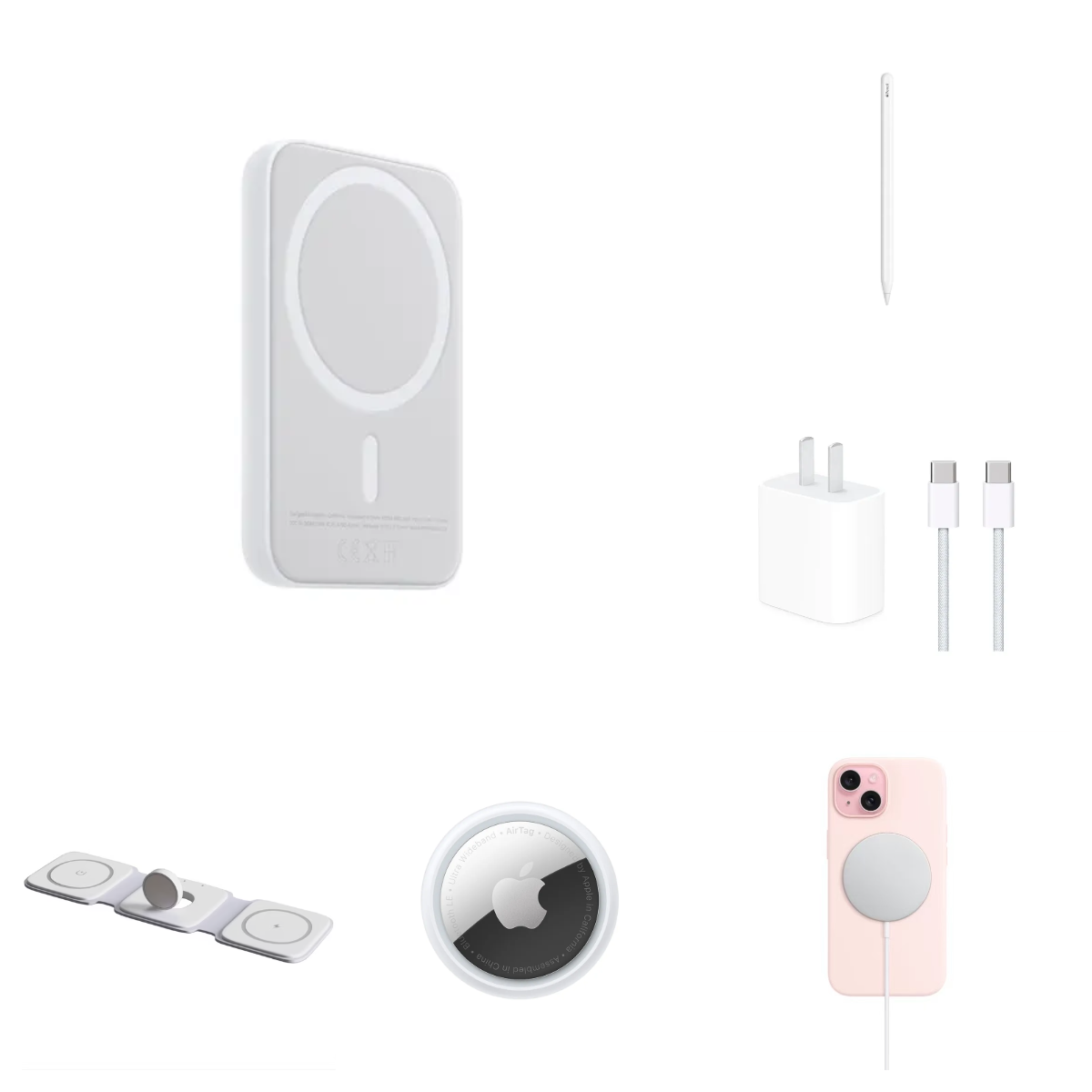
XIAOTEJI Apple-Compatible Chargers and Accessories | Sugargoo spreadsheet | iTaoBuy spreadsheet - 142697