Cafans Journal
Stories & FindsThe 2026 English Guide to CAFANS: A Practical JoyaGoo Handbook
The English Guide to CAFANS: Organizing Your Research with JoyaGoo
CAFANS is one of those terms that seems to appear everywhere once you start looking for it, yet rarely comes with a clear explanation. This English guide cuts through the noise and shows you how to use JoyaGoo as your central hub for understanding, tracking, and comparing CAFANS-related items. Whether you are a curious newcomer or a seasoned researcher, the workflow below will help you move from scattered notes to a structured plan in under an hour.
What Is CAFANS and Why Does It Matter?
In practice, CAFANS functions as an umbrella label used across online communities to group a specific style of products, listings, and buying discussions. Because the term is broad, the biggest challenge is not finding information — it is organizing it. That is exactly where JoyaGoo earns its place. Instead of juggling dozens of browser tabs, you can build a single workspace that holds your research, your shortlists, and your reference links side by side.
Before you dive in, set a clear objective. Are you comparing specifications, estimating costs, checking availability, or collecting inspiration? Writing down one sentence like "I want to shortlist five CAFANS options under a fixed budget" keeps your session focused and prevents the endless-scroll trap.
Getting Started with JoyaGoo
The first step is simple: create your workspace and name it something memorable, such as "CAFANS Research — Week 1." A dedicated workspace matters because it separates your CAFANS project from unrelated browsing and makes it easy to return later.
Next, follow a structured JoyaGoo guide to set up your columns. A practical layout includes item name, source link, price range, key features, availability status, and a personal rating. This structure turns a chaotic list into a decision-making tool. If you prefer a lighter approach, start with just three columns and expand as your shortlist grows.
For readers who like visual planning, a JoyaGoo spreadsheet view is the natural next step. Spreadsheets shine when you need sorting, filtering, and quick comparisons across many rows. You can sort by price, filter by availability, or highlight rows that meet your must-have criteria. Color coding — green for strong candidates, yellow for maybes, red for rejected options — adds an instant visual layer of clarity.
Building a Reliable Shortlist
A shortlist is only as good as its sources. When collecting JoyaGoo product links, always paste the full URL and add a short note describing what caught your attention. A link without context becomes meaningless within a week; a link with a one-line note remains useful for months.
Treat every listing with healthy skepticism. Verify seller details, read recent reviews, and check return policies before committing. Cross-reference at least two independent sources for any specification that matters to you. If a claim appears on only one page, flag it in your notes and revisit it later.
A solid JoyaGoo shopping guide principle is to separate needs from wants. List your non-negotiable requirements first, then your nice-to-haves. When you evaluate candidates, score them against the must-haves before considering anything else. This discipline prevents attractive but irrelevant features from swaying your decision.
Organizing Terms, Tags, and Notes
As your workspace grows, consistency becomes critical. Use a fixed set of tags — for example, category, budget tier, source type, and status — so that filtering stays reliable. Avoid free-form tags that multiply endlessly; a controlled vocabulary of ten to fifteen tags is usually enough for a single project.
Keep a running glossary of terms you encounter during research. CAFANS discussions often mix technical vocabulary with casual slang, and a personal glossary prevents confusion later. Add definitions as you learn them, and link each term to the row where you first saw it.
A Simple Weekly Workflow
- Monday: Collect new candidates and paste links with notes.
- Wednesday: Verify specifications and update statuses.
- Friday: Review the shortlist, remove weak entries, and rank the top five.
- Sunday: Write a short summary of what changed and what you learned.
This rhythm keeps momentum without overwhelm. Even fifteen minutes per session compounds into a well-organized archive within a month.
Common Mistakes to Avoid
The most frequent error is collecting without curating. A list of two hundred links is less useful than a curated set of fifteen. Another pitfall is skipping verification — outdated prices and stale availability are everywhere. Finally, do not rely on a single source for anything important. Triangulate, annotate, and revisit.
Final Thoughts
CAFANS research does not have to be chaotic. With JoyaGoo as your workspace, a clear spreadsheet structure, disciplined link collection, and a weekly review habit, you can turn scattered browsing into a dependable decision framework. Start small, stay consistent, and let your notes do the heavy lifting.
Editor's selection
Popular Products

Meimi Four-Pocket Hooded Puffer Coat 100906 - iTaoBuy spreadsheet - 143689

24/25 Club Fan Football Jersey - Hipobuy spreadsheet - 140520

H e l s t a r Future T-Shirt - LoongBuy spreadsheet - 143155

MM06 Hoodie - Sugargoo spreadsheet - 146428
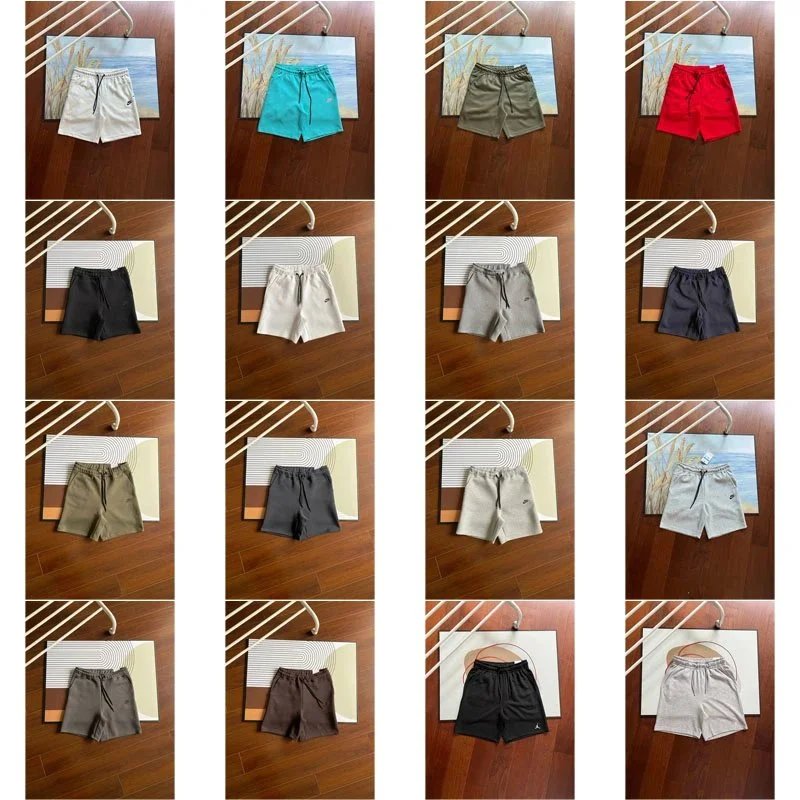
NIKE Shorts - CSSBuy spreadsheet - 145017

Alo yoga Men's Solid-Color Long-Sleeve Relaxed-Fit Cotton T-Shirt - Sugargoo spreadsheet - 149272

Chrome Hearts bracelets - Kakobuy spreadsheet - 149992
