Cafans Journal
Stories & FindsParcel Up: The Complete English CAFANS Guide to Smarter Parcel Shopping
Parcel Up is the phrase you will hear again and again once you start shopping across borders. Whether you are a first-time buyer or a seasoned reseller, this English CAFANS guide walks you through what Parcel Up means in practice, how a Parcel Up spreadsheet keeps your orders organized, and how the best Parcel Up product links and a disciplined Parcel Up shopping guide can save you real money.
What Is Parcel Up?
Parcel Up refers to the process of consolidating, tracking, and shipping parcels from overseas warehouses to your door. In the CAFANS community, the term has become shorthand for a full workflow: browsing listings, saving Parcel Up product links, checking weight and volume, and arranging consolidation so that several small packages travel as one shipment. The goal is simple — reduce freight cost, cut customs hassle, and keep every order visible in one place.
A typical Parcel Up session involves a shopping agent, a warehouse address, a parcel forwarder, and a tracking dashboard. You buy from the seller, the seller ships to the warehouse, the warehouse inspects and stores your goods, and then you choose a shipping line. Done well, Parcel Up turns a messy pile of orders into a single, predictable shipment.
Why a Parcel Up Spreadsheet Matters
The single biggest mistake beginners make is refusing to track anything. A Parcel Up spreadsheet fixes that. At minimum, your sheet should include columns for order date, seller name, item description, unit price, quantity, domestic shipping fee, warehouse arrival date, parcel weight, declared value, shipping line, and tracking number.
A good Parcel Up spreadsheet also flags problem orders: delayed dispatch, wrong size, missing accessories, or items that cannot be shipped by air. Add a status column and color-code it — pending, in warehouse, inspected, consolidated, shipped, delivered. When you run ten or twenty orders a month, this discipline is the difference between a smooth haul and a lost parcel with no paper trail.
Advanced users link their sheet to a Parcel Up dashboard or export CSV files for reconciliation. Keep a separate tab for reimbursements, refunds, and insurance claims, and back the file up to the cloud weekly.
Using Parcel Up Product Links Effectively
Parcel Up product links are the URLs you collect while browsing. Instead of adding items to a cart immediately, save each link with a short note: size, color, seller rating, and the date you found it. This habit prevents impulse buying and lets you compare prices across platforms later.
When reviewing Parcel Up product links, check three things: seller history, actual product photos from buyers, and shipping time to the warehouse. A cheap listing that arrives after three weeks can ruin a consolidation plan. Bookmark categories, then paste the strongest links into your sheet before you place any order.
The Parcel Up Shopping Guide
This Parcel Up shopping guide condenses the CAFANS method into practical steps.
- Set a budget and a weight cap. Air freight is priced by volumetric weight, so light but bulky items cost more than you expect.
- Collect links first, buy second. Build a shortlist of Parcel Up product links and review them after 24 hours.
- Choose reliable sellers. Look for response rate, return policy, and real customer photos.
- Confirm warehouse rules. Some warehouses charge storage fees after a free period; some refuse batteries or liquids.
- Inspect before consolidation. Ask for photos or a quality check, especially for electronics and footwear.
- Compare shipping lines. Check delivery time, customs handling, and insurance options.
- Declare honestly. Under-declaring risks seizure and penalties.
- Log everything. Update your Parcel Up spreadsheet the same day you place an order.
Common Mistakes to Avoid
Do not consolidate fragile goods with heavy items. Do not ignore the difference between actual and volumetric weight. Do not let parcels sit in the warehouse past the free storage window. And do not skip insurance on high-value hauls. A well-maintained Parcel Up spreadsheet makes all of these risks visible before they become expensive.
Also avoid treating Parcel Up as a one-time trick. The system works because it is repeatable: same sheet structure, same link-collection habit, same inspection checklist. Consistency beats cleverness.
Final Thoughts
Parcel Up is less about a single tool and more about a repeatable routine. Combine a clean Parcel Up spreadsheet, a curated list of Parcel Up product links, and the discipline described in this Parcel Up shopping guide, and your parcel costs, delays, and stress all drop. Start small, track everything, and let the system do the work.
Editor's selection
Popular Products

Ph076 Breathable Running Shoes - CSSBuy spreadsheet - 136150

Ni Vests, T-Shirt and Clothing Sets 1000 - JoyaGoo spreadsheet - 141084

FL01-005ph Spring and Autumn Casual Clothing Set - Sugargoo spreadsheet - 136271

Clothing Set 1 - Oopbuy spreadsheet - 136873

MX16 Clothing Set - Hipobuy spreadsheet - 137693

D All-Over Print Clothing Set - UIDBuy spreadsheet - 136221
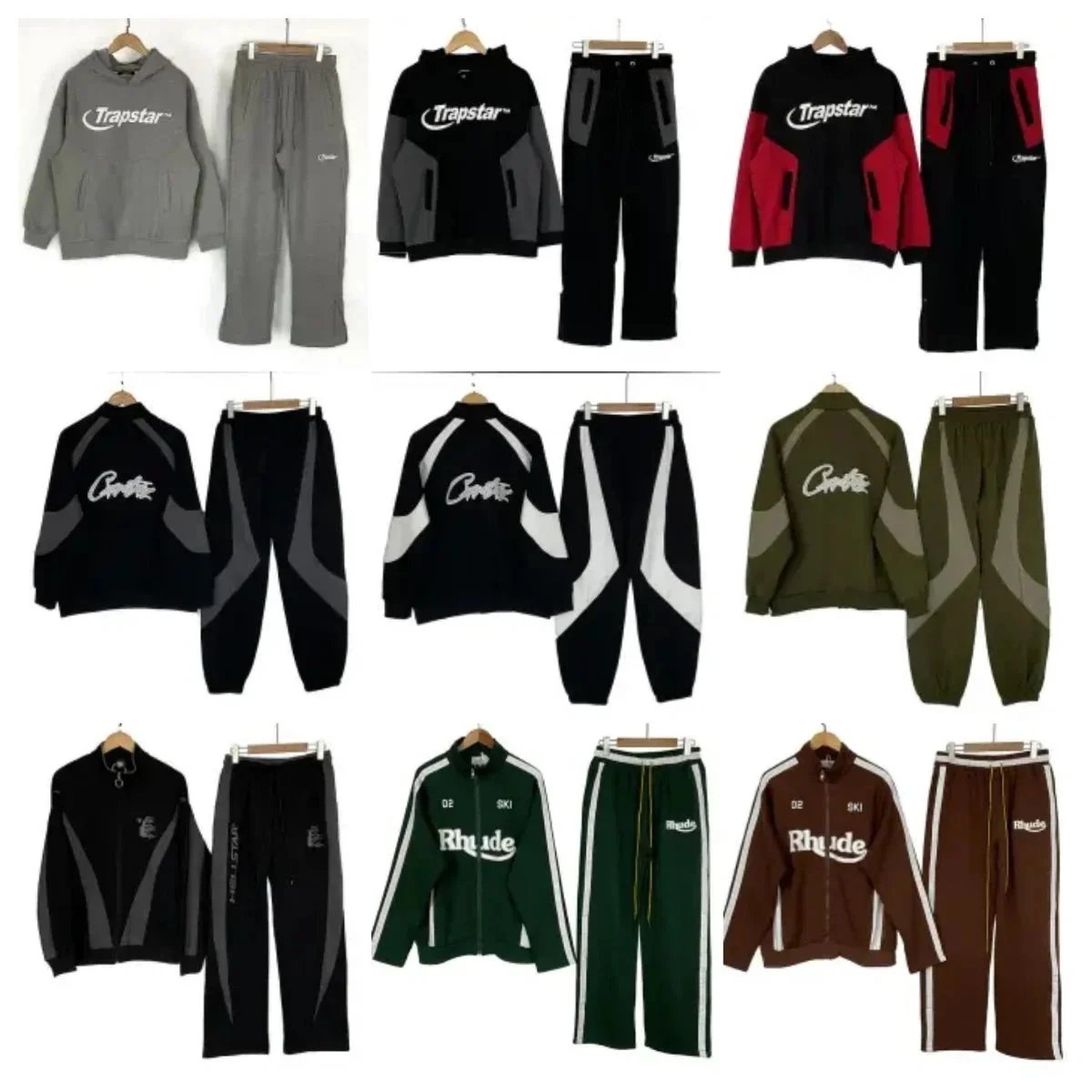
L-001 Casual Hip-Hop Clothing Set - GTBuy spreadsheet - 136248