Cafans Journal
Stories & FindsCAFANS Guide: A Complete Fishgoo Shopping and Spreadsheet Walkthrough
Welcome to the CAFANS guide, your practical companion for getting the most out of Fishgoo and everything around it. Whether you are a first-time buyer or a returning shopper, this walkthrough explains how the Fishgoo ecosystem fits together, how to read a Fishgoo spreadsheet, and how to use Fishgoo product links and a Fishgoo shopping guide to make smarter decisions. The goal is simple: fewer surprises, better value, and a smoother buying experience from browsing to checkout.
What Is Fishgoo?
Fishgoo is the name shoppers use for a catalog-and-community approach to product discovery. Instead of scrolling endlessly through scattered listings, you work from a structured catalog, compare options, and follow curated links. In practice, Fishgoo functions as a hub: it connects product data, size and spec tables, seller notes, and community feedback. The CAFANS guide treats Fishgoo as a system rather than a single store, which is why the spreadsheet, the guide, and the product links matter equally.
New users often ask what makes Fishgoo different. The answer is transparency. Listings are paired with structured data, and the community maintains shared references. That means you can check a model number, confirm a measurement, and read a review before you commit. For anyone who has been burned by unclear listings, this is a meaningful improvement.
Getting Started: The First Five Steps
Start with a clear plan. First, define what you need and set a budget range. Second, open the latest Fishgoo spreadsheet to see what is currently tracked. Third, shortlist three to five items rather than dozens. Fourth, verify specifications against the seller page using Fishgoo product links. Fifth, note shipping windows and return terms before ordering. This five-step routine is the backbone of the Fishgoo guide and prevents most common mistakes.
Keep a small notes file as you go. Record the item name, the model, the quoted price, and the date you checked it. Prices and stock move, and a dated note tells you whether a deal is genuinely new or simply stale information recycled from an old post.
How to Read a Fishgoo Spreadsheet
The Fishgoo spreadsheet is the workhorse of the whole system. A typical sheet includes columns for item name, category, model or SKU, key specifications, reference price, seller or source, last-updated date, and status. Some versions add columns for shipping estimate, warranty notes, and community rating. Do not panic at the width of the sheet; read it column by column.
Filter first, sort second. Use filters to narrow by category, then sort by last-updated date so you are looking at current rows. Treat the reference price as a benchmark, not a promise. Cross-check the row against the live Fishgoo product links before you buy. If a row has no update date, treat it as unverified and confirm details yourself.
Community spreadsheets live and die by maintenance. If you find an error, report it politely with evidence. If you find a good deal, add it with a date and source. The healthiest Fishgoo spreadsheets are the ones where contributors follow the same format, so copy the existing structure rather than inventing new columns.
Using Fishgoo Product Links Safely
Fishgoo product links are shortcuts, and like any shortcut they should be checked. Before clicking, confirm the link points to the expected seller or catalog page. After opening, verify the item name, model, and price match what the spreadsheet says. Watch for redirects, expired listings, and variant mismatches — a link for a 128GB model may land on a 64GB page.
Save the links you trust in a bookmark folder. Over time this becomes your personal Fishgoo shopping guide: a short list of verified sources you can return to without redoing research. Avoid sharing shortened or obscured links in public threads, because readers cannot see where they lead. Clear, full links build trust and keep the community useful.
The Fishgoo Shopping Guide: Practical Tactics
A good Fishgoo shopping guide is built on discipline. Compare at least two sources for any meaningful purchase. Check the specification table twice, especially dimensions, voltage, and compatibility. Read the return policy before checkout, not after. Screenshot the order confirmation. Set a reminder for the delivery window. These small habits turn a chaotic marketplace into a predictable process.
Timing matters too. Seasonal sales, restocks, and clearance cycles create price swings. Use the spreadsheet's date column to spot patterns, and set a target price rather than chasing every fluctuation. If an item is frequently out of stock, decide in advance whether you will wait or choose an alternative, so you are not making that decision under pressure.
Common Mistakes to Avoid
The most frequent errors are predictable. Buying from an unverified link. Trusting an undated spreadsheet row. Ignoring variant differences. Skipping the return-policy check. Over-ordering accessories that duplicate what is already in the box. Each of these is easy to prevent with a two-minute check. The CAFANS guide exists mostly to make those two minutes automatic.
Another trap is over-researching. At some point more comparison stops adding value. Set a decision deadline, confirm the shortlisted option against the spreadsheet and the live page, then commit. Analysis paralysis costs more time than a small price difference.
Community Etiquette and Contribution
Fishgoo works because people share. When you contribute, be specific and dated. State the item, the source, the price, and when you saw it. Avoid hype and avoid unverified claims. If a deal expires, mark it. If a seller changes terms, note it. Good contributors make the next shopper's experience faster, and the community returns the favor when you need help.
Final Checklist
Before you close this tab, run the checklist: define your need, open the current Fishgoo spreadsheet, shortlist a few options, verify with Fishgoo product links, check shipping and returns, and save your trusted links. Follow that loop and the Fishgoo guide becomes second nature. The spreadsheet keeps you organized, the links keep you accurate, and the shopping guide keeps you disciplined. That combination is what makes the CAFANS approach worth the few extra minutes.
Editor's selection
Popular Products
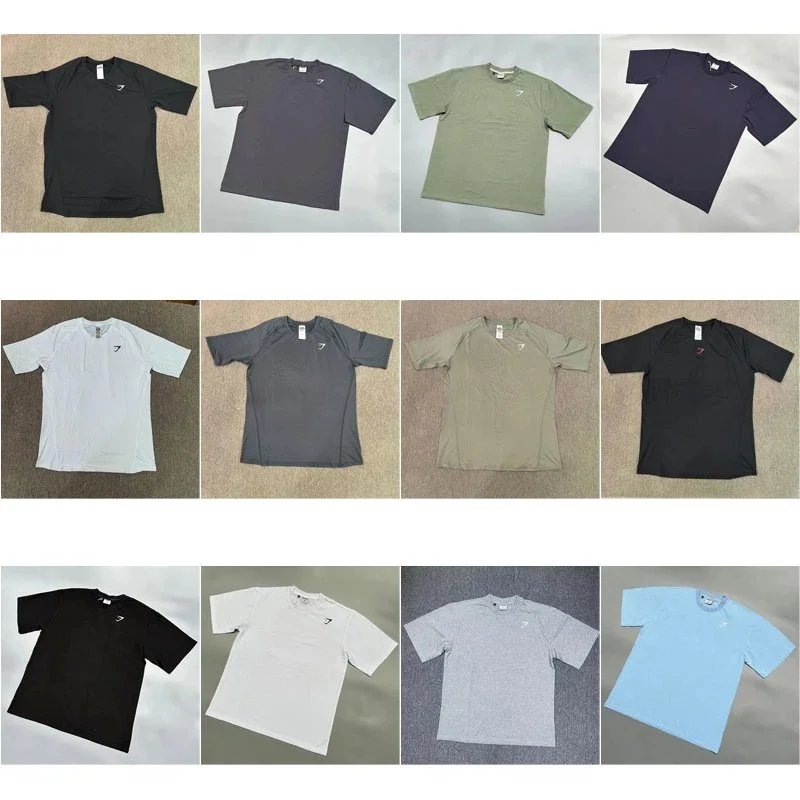
Gymshark T-Shirt - iTaoBuy spreadsheet - 147255

ZZW15 2024 Casual Shoes - Lovegobuy spreadsheet - 135715

Men's 1996 Loose Embroidered Winter Down Jacket - BBDBuy spreadsheet - 138078

Printed Clog Color Selection - 20917 - UIDBuy spreadsheet - 151989

042385 JX Printed Short-Sleeve Top - GTBuy spreadsheet - 144338

Embroidered Rhinestone-Detail Slippers - 20779 - Sugargoo spreadsheet - 151851

Reflective Sport Balaclava Face Cover - OOTDBuy spreadsheet - 141655