Cafans Journal
Stories & FindsCAFANS Guide: How Parcel Up Makes Forwarding Simple
CAFANS Guide: Parcel Up for Smarter Shopping and Shipping
If you have ever tried to buy from overseas stores and ship to a country where the merchant will not deliver, you already understand why a parcel forwarding service matters. This CAFANS guide focuses on Parcel Up, a forwarding and consolidation tool that helps shoppers collect purchases from multiple sellers and send them onward in one shipment. Whether you are a first-time buyer or a seasoned cross-border shopper, the tips below explain how to plan, track, and save using Parcel Up.
What Is Parcel Up?
Parcel Up is a parcel forwarding concept: you shop with merchants using a warehouse address, the warehouse receives your items, and you then arrange international delivery. The appeal is flexibility. Instead of paying for several separate international shipments, you consolidate packages into one box. This is especially useful for clothing, accessories, small electronics, home goods, and similar consumer products where sellers may only ship domestically.
Before you start, decide what you need: a forwarding address, a consolidation request, insurance, and a delivery method. A little planning avoids storage fees and surprise charges. For a newcomer, the most important habit is to keep a simple record of every order number, tracking code, and warehouse arrival date.
Why Use a Parcel Up Spreadsheet?
A Parcel Up spreadsheet is one of the simplest ways to stay organized. Create columns for the store name, order date, item description, domestic tracking number, warehouse status, declared value, and estimated weight. Add a notes column for seller promises about dispatch time. When a parcel arrives at the warehouse, update the status immediately so you can request consolidation without delay.
The spreadsheet also helps you compare shipping options. Record quotes for air freight, economy lines, and express services, along with any insurance or packing fees. If a parcel is delayed, your notes give you a clear timeline for follow-up. This small step turns a messy inbox of confirmations into one readable view.
Step-by-Step Parcel Up Guide
Use this Parcel Up guide as a checklist for your first shipment.
- Get your warehouse address. Use the exact format provided, including any suite or unit code. A missing code can delay check-in.
- Shop with the address. Enter it at checkout and add your unique customer identifier where required. Keep order confirmations in one folder.
- Declare incoming parcels. Submit tracking numbers in advance so the warehouse can match items to your account.
- Monitor arrival status. Check each parcel’s condition and weight after check-in. Flag damaged boxes before consolidation.
- Request consolidation. Combine parcels to reduce base fees and dimensional weight charges. Ask for repacking if original boxes are bulky.
- Review the shipping quote. Compare carriers, transit times, and insurance. Confirm the declared value is accurate for customs.
- Pay and track. Save the international tracking number and monitor the handover between carriers.
- Keep records. Store receipts, tracking history, and photos until delivery is complete.
One common mistake is requesting consolidation too early. If a slow parcel is still in transit, waiting a few days can bundle more items into one shipment. Conversely, do not leave parcels in storage past the free period; storage fees add up quickly.
Parcel Up Product Links and Shopping Habits
When collecting Parcel Up product links, save the URL, a screenshot of the listing, size or color details, and the price at purchase. Links may expire, and sellers occasionally change descriptions. A saved link plus a screenshot is useful evidence if an item arrives damaged or incorrect. Keep these records in the same spreadsheet as your tracking numbers.
Use a Parcel Up shopping guide mindset when choosing what to combine. Lightweight, high-value items such as phone cases, cables, watch straps, small bags, and stationery are easy to consolidate. Bulky goods like bedding or large shoes may increase dimensional weight, so compare the cost of separate shipments. Always check whether the merchant accepts returns and how long the return window lasts; returning from a forwarding warehouse is often expensive.
Costs, Customs, and Practical Tips
Budget for more than postage. Typical charges include warehouse handling, consolidation, repacking, insurance, remote-area fees, and customs duties. Keep a cost column in your spreadsheet so you can compare the landed cost with buying locally. Declare values honestly; under-declaring can cause delays or penalties.
Ask about prohibited items before shopping. Batteries, liquids, aerosols, and certain cosmetics may be restricted by air carriers. If you buy electronics, confirm whether the battery is removable and whether the carrier accepts it. For fragile goods, request extra padding and consider insurance.
Track every stage: domestic delivery to the warehouse, warehouse check-in, consolidation, export scan, and final delivery. Screenshot each status change. If something stalls, contact support with your order number, tracking code, and a short timeline. Clear, factual messages get faster answers than long complaints.
Related Terms and Final Advice
As you build your routine, you will encounter related terms such as forwarding address, consolidation, dimensional weight, declared value, customs clearance, warehouse check-in, shipping quote, insurance coverage, repacking, storage fee, tracking number, domestic tracking, international carrier, order confirmation, proof of purchase, return window, prohibited items, battery restrictions, fragile handling, air freight, economy shipping, express delivery, landed cost, customs duty, remote area surcharge, package inspection, consolidation request, shipping label, and delivery confirmation. Learning this vocabulary makes quotes and support tickets easier to understand.
In short, Parcel Up works best when you treat it like a small logistics project: record orders, declare parcels early, consolidate thoughtfully, and track costs. Start with a simple spreadsheet, follow the step-by-step guide, and keep product links and screenshots. With a little discipline, forwarding becomes predictable, and you can shop overseas with more confidence.
Editor's selection
Popular Products
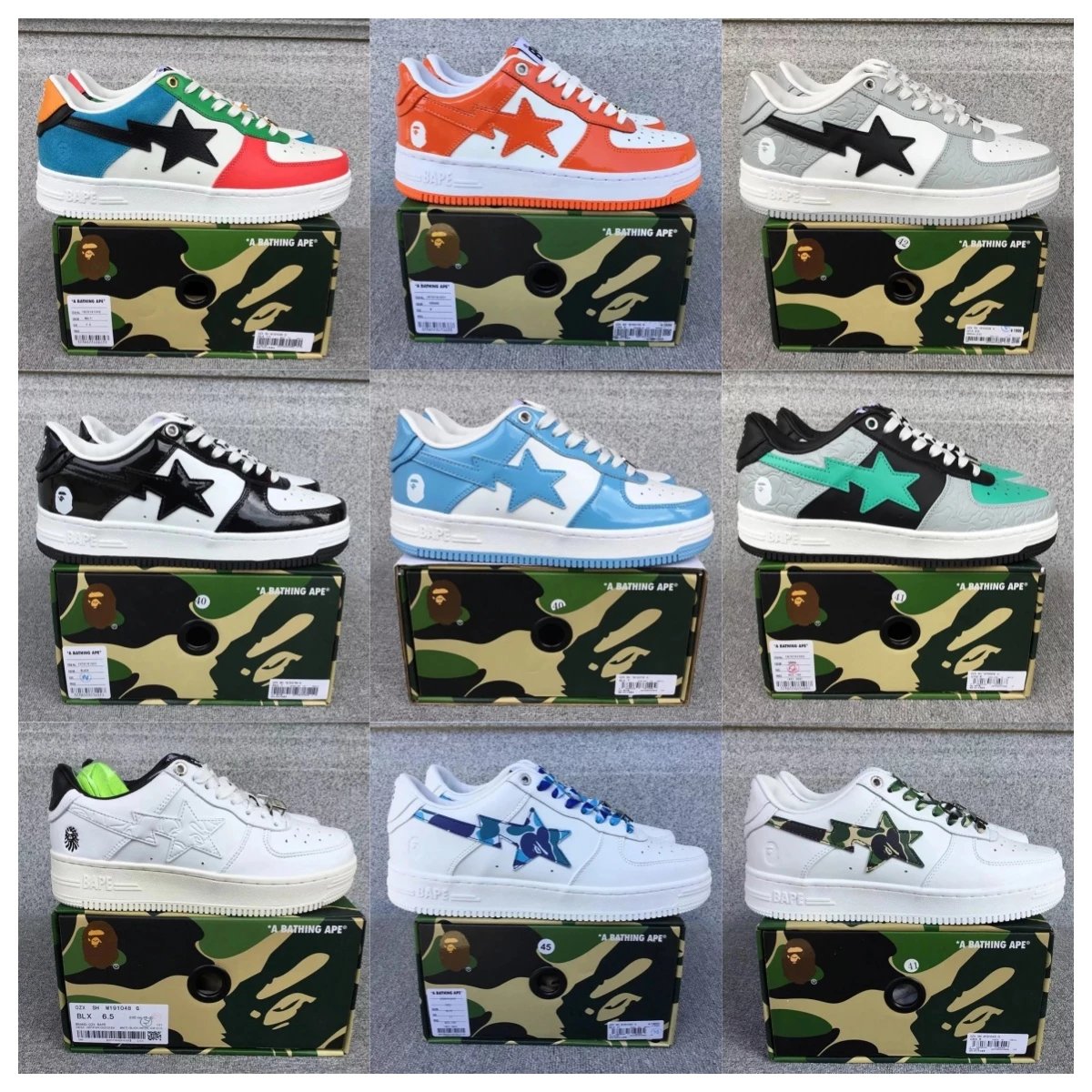
Skate Shoes SQ-002 - LoongBuy spreadsheet - 141122

Casual Shoes - Oopbuy spreadsheet - 135681

Platform Casual Shoes - Hubbuycn spreadsheet - 135441

XW21 Casual Shoes - Litbuy spreadsheet - 136147

006-RS Classic Casual Shoes - Oopbuy spreadsheet - 136148

PH Running Shoes - MyCNBox spreadsheet - 136149

Ph076 Breathable Running Shoes - CSSBuy spreadsheet - 136150