Cafans Journal
Stories & FindsThe Complete Fishgoo Guide: How the Fishgoo Spreadsheet and Shopping Guide Help You Buy Smarter
If you have spent any time browsing aquarium communities, plant groups, or hobbyist forums, you have probably run into Fishgoo. It has quickly become one of the most talked-about names among aquarists who want a calm, organized way to research equipment, compare prices, and plan purchases. This Fishgoo guide walks you through what Fishgoo is, how the Fishgoo spreadsheet works, why people rely on Fishgoo product links, and how to use the Fishgoo shopping guide to avoid common buying mistakes. Whether you are setting up your first nano tank or upgrading a mature planted aquarium, this guide is written for you.
What Is Fishgoo?
At its core, Fishgoo is a community-driven resource for fishkeepers. Instead of scrolling through dozens of stores and scattered forum posts, you get a structured overview of popular gear: filters, heaters, lighting, substrate, pumps, test kits, food, and aquascaping tools. Fishgoo does not manufacture products; it organizes information so hobbyists can make informed decisions. That distinction matters, because the value of Fishgoo lies in clarity, not branding.
The hub of the platform is the Fishgoo spreadsheet. It is a living document maintained by contributors who track specifications, compatibility notes, typical price ranges, and user feedback. For beginners, this is a shortcut to understanding what actually matters. For experienced keepers, it is a fast reference when planning a new build or recommending gear to friends.
How the Fishgoo Spreadsheet Works
The Fishgoo spreadsheet is organized by category. Typical tabs or sections cover filtration, heating, lighting, water treatment, testing, substrate, hardscape, plants, food, and maintenance tools. Each listing usually includes the product name, key specifications, tank-size suitability, energy use, and notes on reliability.
Reading a listing
A good habit is to scan three things first: the recommended tank volume, the power consumption, and any compatibility warnings. For example, a canister filter listing may note that it suits tanks from 60 to 120 liters but performs best with gentle flow for long-finned species. A heater entry may flag that the thermostat accuracy varies, so pairing it with a separate temperature controller is wise. These details are exactly what the Fishgoo spreadsheet is designed to surface.
Filtering and comparing
Use filters to narrow by tank size, budget, or equipment type. Comparing two rows side by side is often more useful than reading marketing pages, because the spreadsheet keeps the same fields for every entry. If you are choosing between two LED lights, you can compare wattage, spectrum notes, and mounting options without jumping between tabs.
Using Fishgoo Product Links Responsibly
Fishgoo product links point you to stores and listings so you can check current availability and pricing. Treat these links as a starting point, not an endorsement. Prices change, stock moves, and regional availability differs. Before buying, confirm the model number, warranty terms, and return policy on the retailer page.
A sensible routine looks like this: identify shortlisted items in the Fishgoo spreadsheet, open the Fishgoo product links to verify the exact variant, then read recent reviews from other hobbyists. This three-step flow reduces the risk of ordering the wrong plug type, an older revision, or an accessory that does not fit your setup.
The Fishgoo Shopping Guide: A Practical Workflow
The Fishgoo shopping guide is about sequence as much as selection. Buy in the right order and you avoid duplicate purchases. Here is a workflow that works for most freshwater setups.
1. Start with the tank and stand
Decide dimensions first. Everything else depends on volume, footprint, and weight. Confirm the stand is rated for a filled aquarium, and check that the floor is level.
2. Choose filtration and heating
Match filter flow to tank size and stock level. For heaters, buy slightly above the minimum recommendation and add a thermometer or controller. These two categories cause the most preventable problems, so spend time on them in the Fishgoo spreadsheet.
3. Add lighting and substrate
Lighting depends on whether you keep low-demand plants or high-tech species. Substrate choice affects planting ease and long-term maintenance. Note both in your shortlist before comparing prices through the Fishgoo product links.
4. Cover testing and water treatment
A liquid test kit and a reliable dechlorinator are non-negotiable. Budget for refills. Many beginners overspend on decor and underspend on testing, which is the opposite of what the Fishgoo shopping guide recommends.
5. Finish with food and maintenance tools
Food, siphon, algae scraper, and spare filter media round out the setup. Keep a small maintenance log so you know when to reorder.
Common Mistakes the Fishgoo Guide Helps You Avoid
Buying a filter that is too small for the bioload, ignoring heater thermostat drift, choosing lighting without considering plant needs, and skipping a quarantine plan are recurring pitfalls. The Fishgoo guide addresses these by encouraging structured comparison instead of impulse buying. Keep a budget tab, a shortlist tab, and a notes tab in your own copy of the spreadsheet. Update it after each purchase so future decisions get easier.
Final Thoughts
Fishgoo works best when you treat it as a research tool, not a shopping shortcut. Use the Fishgoo spreadsheet to compare specifications, verify details through Fishgoo product links, and follow the Fishgoo shopping guide to buy in a sensible order. Do that, and you will spend less, waste less, and enjoy a healthier aquarium.
Editor's selection
Popular Products
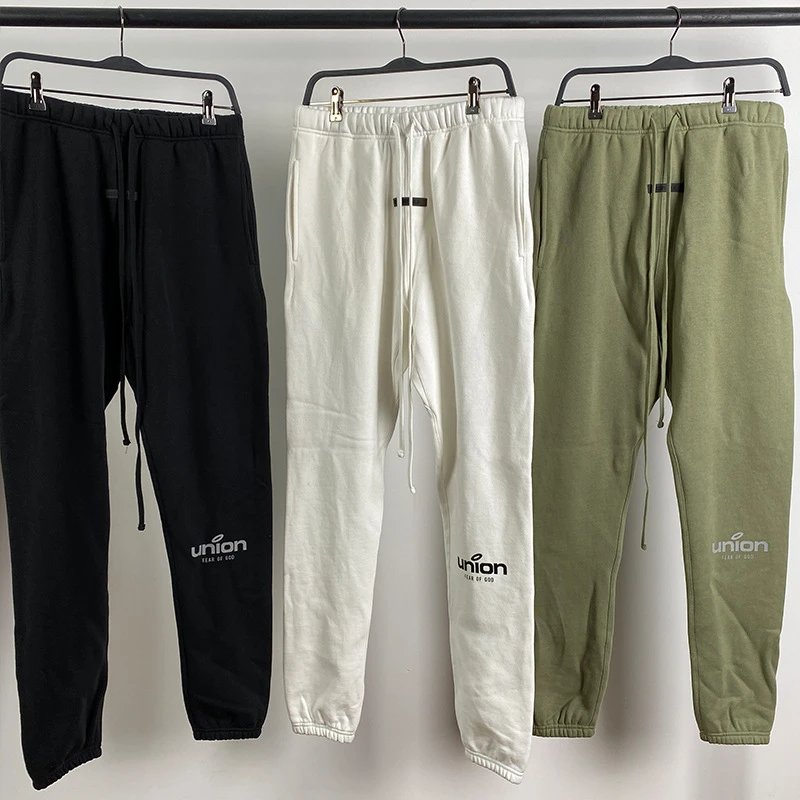
Fear of God Essentials x Union LA FW21 Sweatpants - iTaoBuy spreadsheet - 147427

V 02464 Casual Shoes - GTBuy spreadsheet - 135594

Yzy 2 Sneakers - Fishgoo spreadsheet - 135455

Chelsea Retro Football Jersey Selection - Hubbuycn spreadsheet - 145898

Women's Embroidered Socks - Fansbuy spreadsheet - 146143

Essentials Shorts - GTBuy spreadsheet - 144829

Alo Yoga Sports Bra and High-Waisted Workout Set - Lovegobuy spreadsheet - 142634
