Cafans Journal
Stories & FindsThe English CAFANS Guide to Sugargoo: A Complete Shopping Walkthrough
What Is Sugargoo?
Sugargoo is a shopping agent platform that lets international buyers purchase items from Chinese marketplaces and have them consolidated, inspected, and shipped worldwide. For the CAFANS community — collectors and casual shoppers who care about sneakers, streetwear, and quality checks — Sugargoo has become a familiar name. This Sugargoo guide walks you through the entire process, from finding your first product to receiving your parcel.
Why Use a Shopping Agent?
Many desirable items are listed on platforms that don't ship internationally or require a Chinese payment method. An agent solves that. With Sugargoo, you paste a product link, the platform purchases on your behalf, stores the item in a warehouse, and offers quality-control photos before you commit to international shipping. That inspection step is the heart of the CAFANS philosophy: see what you're buying before it crosses an ocean.
Getting Started: Account and Basics
Create an account with an email address, verify it, and set your shipping address. Add funds through the supported payment methods — card, PayPal, or top-up options — and keep an eye on the exchange rate. A good Sugargoo shopping guide habit is to top up in small batches rather than one large deposit, so you can adjust if a purchase falls through.
Finding Products: Links and Spreadsheets
The most direct route is the Sugargoo product links system: copy a URL from a supported marketplace, paste it into the search bar, and the agent page will parse the listing, price, and available sizes. If the listing has variants, confirm the exact colorway and size in the remarks before ordering.
For bulk browsing, the Sugargoo spreadsheet is invaluable. Community-maintained spreadsheets collect product links by category — footwear, hoodies, accessories, and more — with prices and sometimes QC notes. Treat these sheets as a starting point, not gospel: listings change, sizes sell out, and sellers rotate stock. Always verify a link is live before ordering, and cross-check the item against warehouse photos once it arrives.
The Ordering Workflow Step by Step
- Submit the link. Paste the product URL, choose size and color, and add remarks such as "no box" or "double-check stitching."
- Pay for the item. The agent purchases from the seller and updates the order status.
- Wait for warehouse arrival. Domestic shipping usually takes a few days; tracking updates appear in your order page.
- Review QC photos. Inspect the free warehouse images carefully. Look at logos, stitching, soles, tags, and measurements.
- Decide: ship, exchange, or return. If something looks off, request an exchange or refund before shipping internationally.
- Submit the parcel. Choose a shipping line, declare a value, and pay for international freight.
- Track and receive. Follow the tracking number until delivery, and film an unboxing in case of issues.
Quality Control: The CAFANS Standard
QC photos are your best defense. Request extra angles if needed — many agents allow additional detail shots for a small fee. Check symmetry on paired items, print alignment on graphics, and stitching density on seams. Compare against retail reference photos where possible. Remember that warehouse lighting can distort color, so ask for natural-light shots if hue matters. If a seller sends the wrong size, flag it immediately; exchange windows are limited.
Shipping and Consolidation
Consolidation is where agents shine. Multiple orders can be packed into one parcel to reduce cost. Remove shoe boxes to save volume, choose a line that matches your risk tolerance and budget, and consider insurance for expensive hauls. Declare values realistically — many lines have limits, and misdeclaration can cause customs problems. Weight and volumetric weight both matter, so ask for a rehearsal packing if your haul is large.
Costs to Expect
Budget for the item price, domestic shipping to the warehouse, a service fee (often a small percentage), QC add-ons, international freight, and possible customs duties. A realistic Sugargoo guide always includes a buffer of 10–15% for surprises. Cheap lines are slower; fast lines cost more. There is no single best choice — match the line to the item's value and urgency.
Common Mistakes to Avoid
- Ordering from dead or outdated spreadsheet links.
- Skipping QC photos and discovering flaws after shipping.
- Forgetting to specify size or variant in remarks.
- Under-declaring parcels and risking seizure.
- Letting warehouse storage expire — free storage is time-limited.
- Ignoring measurement charts; Asian sizing often runs small.
Final Tips for a Smooth Haul
Keep a personal spreadsheet of order numbers, sellers, and QC verdicts. Use the Sugargoo shopping guide resources in community forums for line reviews and timing updates. Start with a small test order to learn the interface before committing to a large haul. Read the Sugargoo guide pages on prohibited items so your parcel isn't rejected. And when in doubt, ask support via ticket — response times vary, but clear photos and order numbers speed things up.
With patience and careful QC, Sugargoo can be a reliable bridge between you and the products you want. Treat every step — link, order, inspect, ship — as part of one workflow, and your hauls will arrive with fewer surprises.
Editor's selection
Popular Products
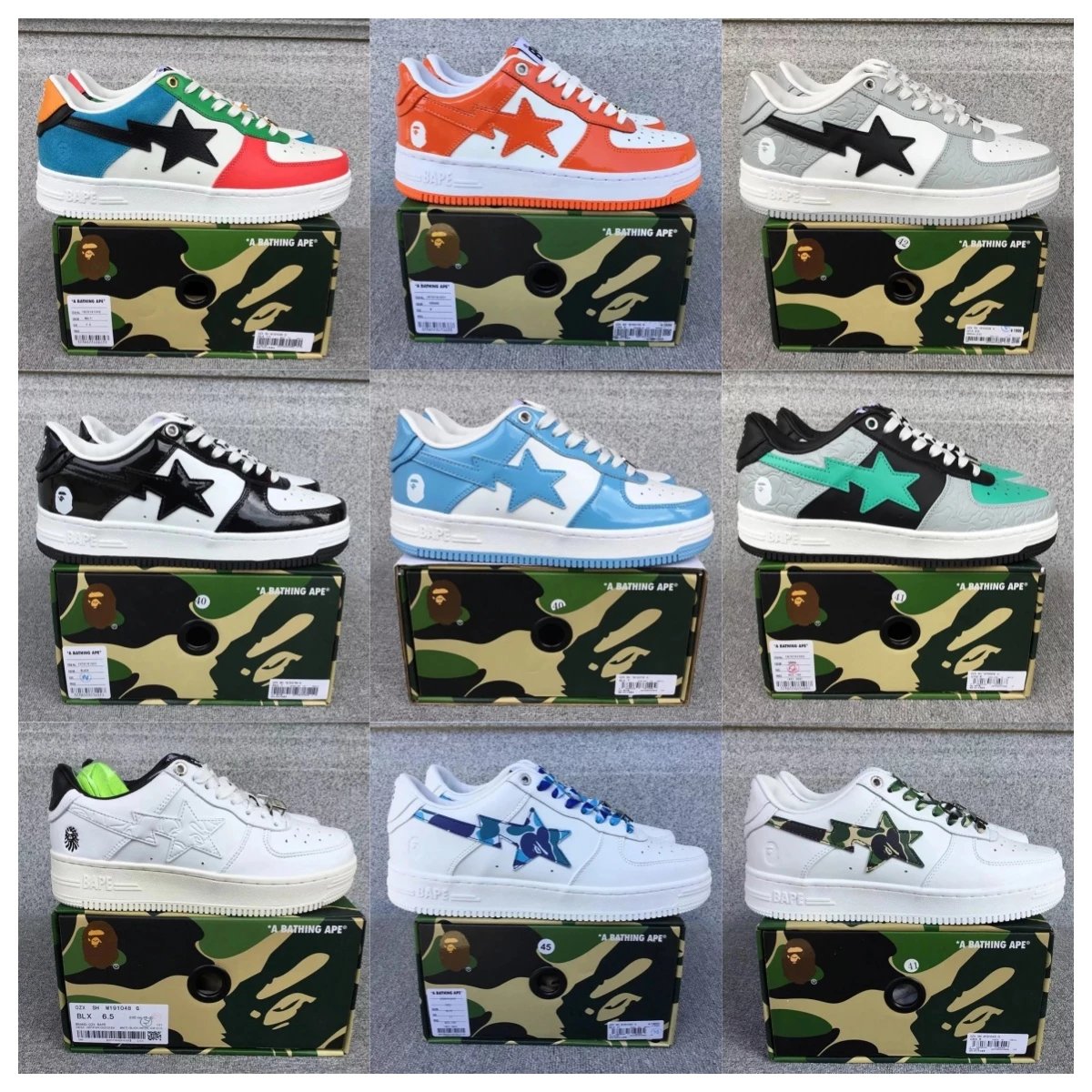
Skate Shoes SQ-002 - LoongBuy spreadsheet - 141122

Outdoor Casual Sneakers - Hipobuy spreadsheet - 141223

B22 B30 Unisex Classic Sneakers - UIDBuy spreadsheet - 135717

04 Classic Sneakers - LoongBuy spreadsheet - 135678
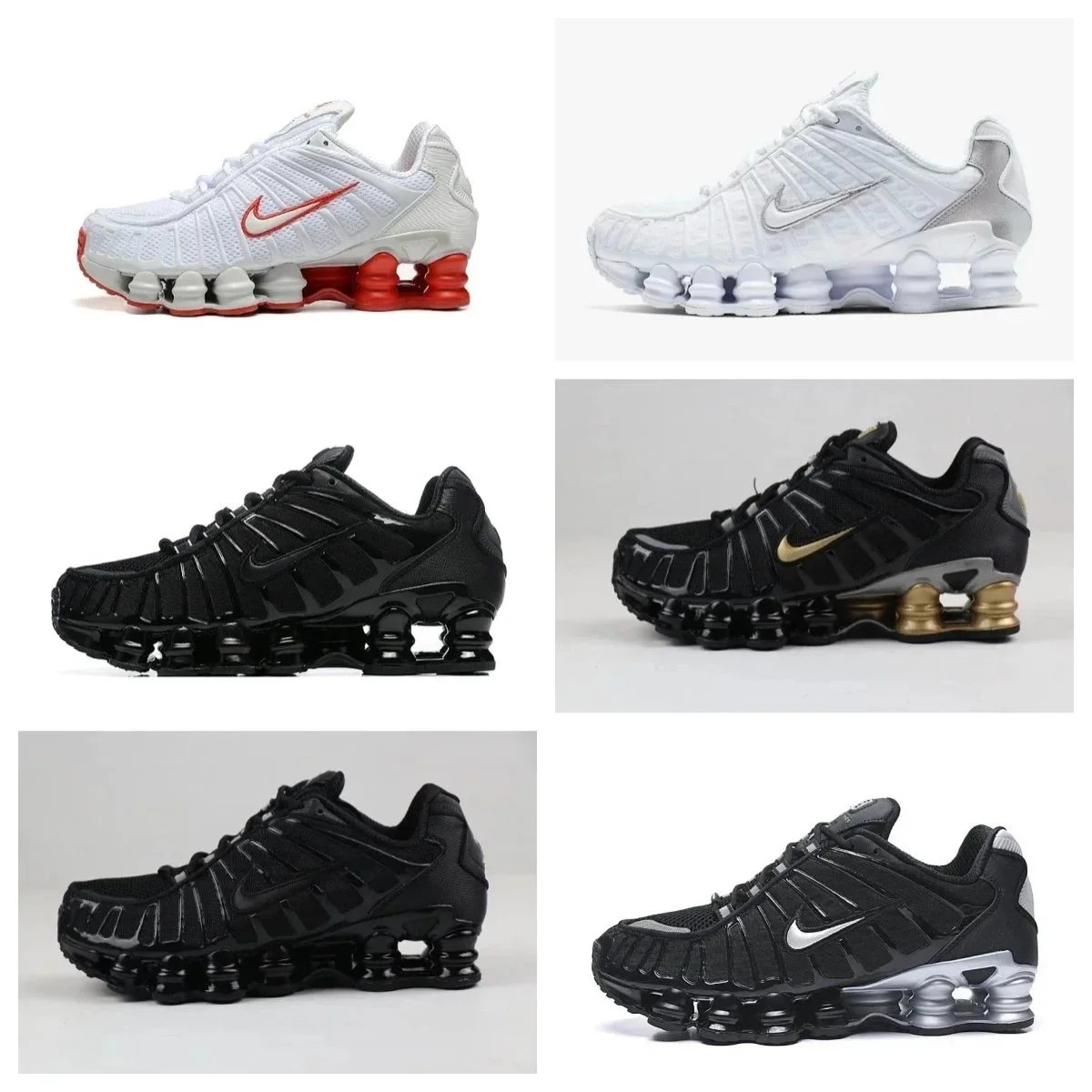
Casual Shoes - Oopbuy spreadsheet - 135681

Platform Casual Shoes - Hubbuycn spreadsheet - 135441

XW21 Casual Shoes - Litbuy spreadsheet - 136147