Cafans Journal
Stories & FindsCAFANS Guide: A Complete Wheebuy Shopping Walkthrough
This CAFANS guide is built for shoppers who want a clear, practical path through the Wheebuy ecosystem. Whether you are new to the platform or refining an existing routine, the goal here is simple: understand how the pieces fit together, then use them with confidence. CAFANS, in this context, refers to the structured approach of Checking listings, Assessing sellers, Filtering options, Asking questions, Noting prices, and Saving your findings. Applied consistently, it turns a chaotic browsing session into a repeatable method.
Why Start With Wheebuy
Wheebuy works as an agent-style purchasing service that connects international buyers with sellers across Chinese marketplaces. That means you are not dealing with a single storefront but with a broad catalog. The advantage is selection and price; the challenge is navigation. A Wheebuy guide helps because the platform's value only appears once you know how to search, compare, and consolidate. Beginners often jump straight to checkout and later discover cheaper alternatives, missing sizes, or better batch options. The CAFANS routine prevents that.
Step One: Check Listings Carefully
Start every session by reading listings in full. Look at the title, the variation options, the size chart, and the material description. Photos matter, but details matter more. Check whether the listing shows measurements in centimeters or inches, confirm color names, and scan for notes about defects or factory variants. If a product page feels thin, treat it as a warning sign rather than a bargain. A reliable Wheebuy shopping guide always begins with reading before buying.
Step Two: Assess Sellers
Seller quality varies widely. Check the store's age, overall rating, number of completed orders, and buyer feedback with photos. Repeat customers and detailed reviews are stronger signals than a high score alone. Save seller names you trust; over time you build a personal shortlist. This is where a Wheebuy spreadsheet becomes genuinely useful. Columns for seller name, category, rating, and notes turn scattered impressions into a reference library you can reuse for future hauls.
Step Three: Filter and Compare
Use search filters aggressively: price range, size, color, shipping destination, and available stock. Sort by sales volume when you want proven items and by newest when you want fresh arrivals. Compare at least three listings for the same product type before deciding. Keep a note of the original price, any coupon, and the estimated shipping weight. A Wheebuy product links collection makes comparison faster because you can line up options side by side instead of reopening tabs repeatedly.
Step Four: Ask Before You Commit
Do not hesitate to message sellers about sizing, restock dates, or whether an item is in stock. Ask for real photos when reviews are scarce. Confirm whether the listing includes accessories shown in the images. For fragile goods, ask about packaging. Clear answers reduce returns and disputes later. The Asking step is often skipped, yet it is one of the cheapest forms of insurance available.
Step Five: Note Prices and Fees
The listed price is rarely the final cost. Account for domestic shipping to the warehouse, international freight, service fees, and possible customs charges. Weigh options against total landed cost rather than sticker price. Heavier items may be cheaper locally; light, high-value items often justify the import. Record everything in your Wheebuy spreadsheet so you can compare a full haul before paying. This single habit prevents most budget surprises.
Step Six: Save and Organize
Build a routine: bookmark product pages, export useful Wheebuy product links, and keep a running list of items you are considering. Group them by category, such as apparel, footwear, accessories, home goods, electronics accessories, bags, and stationery. When a sale arrives, you already have a vetted list ready. Organization is the difference between a planned purchase and an impulse buy.
Building a Wheebuy Spreadsheet
A practical sheet needs only a handful of columns: item name, product link, seller, category, size or variant, unit price, quantity, estimated weight, shipping estimate, and status. Add a notes column for questions asked and answers received. Color-code rows by priority. Update it after each session so it stays accurate. Over a few months, this becomes your personal Wheebuy guide to what worked, what disappointed, and which sellers deserve repeat business.
Using Wheebuy Product Links Wisely
Links are more than bookmarks. Group them by project or season, label them with short descriptions, and remove dead listings regularly. Share curated sets with friends who shop similarly, and ask them to add their finds. A shared link list grows into a small community catalog. Just verify that links still point to the correct variation before ordering, since sellers occasionally recycle listings for different products.
Common Pitfalls to Avoid
Do not trust a single photo. Do not ignore size charts. Do not assume all variations share the same quality. Do not forget to check warehouse storage deadlines, which can add fees if you ship late. Do not combine restricted items with general cargo without checking policies. And do not skip the final review of your cart: confirm addresses, quantities, and shipping methods before payment.
A Simple Weekly Routine
Spend twenty minutes each week browsing new arrivals, updating your spreadsheet, and checking saved links for price changes. Message one or two sellers with questions. Review your budget. This small habit keeps your pipeline warm and your decisions informed. The CAFANS method is not about buying more; it is about buying deliberately.
Final Thoughts
Treat Wheebuy as a toolkit rather than a slot machine. Read listings, vet sellers, compare options, ask questions, track costs, and stay organized. Use a Wheebuy shopping guide as your checklist, a spreadsheet as your memory, and curated product links as your shortcut. Done consistently, this approach saves money, reduces frustration, and makes every haul more predictable. Start with one category, apply the six steps, and expand once the routine feels natural.
Editor's selection
Popular Products

Ph076 Breathable Running Shoes - CSSBuy spreadsheet - 136150

Men's Casual Shoes - CSSBuy spreadsheet - 135435

Casual Shoes - Kakobuy spreadsheet - 136046
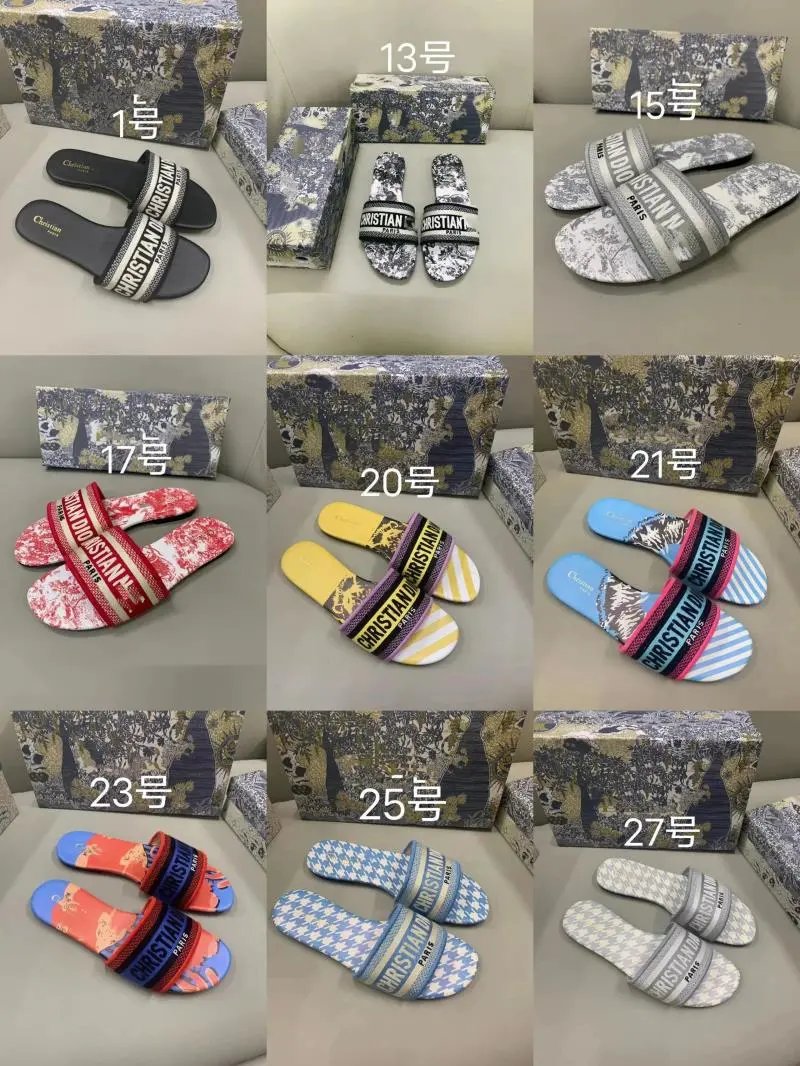
DS Slippers - Wheebuy spreadsheet - 135724

FDD Vintage Pattern Crossbody Bag Set with Large and Small Bags - Kakobuy spreadsheet - 137152

Accessories - UIDBuy spreadsheet - 140922

OMG Unisex Wallets, Passport Holders and Crossbody Bags Collection YHH36 - Lovegobuy spreadsheet - 140796
