Cafans Journal
Stories & FindsSugargoo Guide: The Complete CAFANS Shopping Handbook
If you have spent any time in the replica and streetwear community, you have probably come across the name Sugargoo. This Sugargoo guide is designed for CAFANS—community-minded buyers who want a clear, practical walkthrough of how the platform works, how to find products, and how to shop safely. Whether you are a first-time agent user or someone refining an existing workflow, the tips below will help you get more from every order.
What Is Sugargoo?
Sugargoo is a shopping agent service that lets you buy items from Chinese marketplaces and have them consolidated, inspected, and shipped internationally. Instead of dealing with language barriers, payment restrictions, or unreliable sellers directly, you submit a product link and the agent handles the rest. The platform is popular because it combines a large catalog, quality-control photos, warehouse storage, and multiple shipping lines in one dashboard.
For CAFANS, the appeal is control. You decide what to buy, you review inspection images before shipping, and you choose the parcel route that fits your budget and timeline.
Getting Started: Account and Basics
Creating an account takes a few minutes. Register with an email address, set your currency and preferred language, and verify your details. Once inside, familiarize yourself with the main sections: the product search, the warehouse, the parcel center, and the support chat. New users should read the platform rules on prohibited items, return policies, and storage limits before placing a first order.
Add funds using your preferred payment method and keep an eye on exchange rates. Many buyers top up in small amounts to avoid holding large balances. Enable notifications so you are alerted when items arrive at the warehouse or when a seller ships.
Finding Products with the Sugargoo Spreadsheet
The Sugargoo spreadsheet is one of the most useful community resources. Curated by experienced buyers, these sheets collect verified product links across categories—sneakers, hoodies, jackets, bags, accessories, and more. A good spreadsheet includes seller ratings, price ranges, size notes, and sometimes QC photo references.
Use spreadsheets as a starting point, not a final answer. Cross-check links, read recent reviews, and confirm that the listing is still active. Because sellers change stock frequently, a link that worked last month may be dead today. Bookmark reliable sheets and revisit them when planning a haul.
Using Sugargoo Product Links Effectively
When you find an item, copy the original marketplace link and paste it into the agent's search or order box. The system will parse the listing, show available sizes and colors, and let you add notes for the buyer. Clear Sugargoo product links reduce errors. Always specify size, color, and any version details in the remarks field.
Before submitting, check the seller's rating and sales history. If a listing looks suspicious, ask support to verify it. For high-value items, request extra photos or a measurement check. This small step prevents disappointing surprises later.
The Sugargoo Shopping Guide: Order Flow
A typical order follows a simple path. First, you place an order and pay. Second, the agent purchases from the seller. Third, the item arrives at the warehouse and undergoes inspection. Fourth, you review QC photos and decide whether to keep, exchange, or return. Finally, you submit a parcel and pay international shipping.
This Sugargoo shopping guide stage is where patience pays off. Do not rush to ship. Consolidate multiple items to save on freight, remove unnecessary packaging, and choose a line with tracking. Compare estimated delivery times and insurance options before confirming.
Quality Control and Inspection
QC photos are your safety net. Check stitching, logos, tags, measurements, and color accuracy. If something looks off, open a ticket with clear photos and a polite explanation. Most issues can be resolved through exchange or return within the seller's window. Keep records of every conversation.
Remember that warehouse storage is limited. Track how long items sit in your account and ship before free storage expires. Organized buyers label their hauls and plan shipments around sales events.
Shipping and Parcel Strategy
Choose a shipping line based on destination, weight, and declared value. Compare volumetric weight versus actual weight, especially for bulky items like shoes and jackets. Declare responsibly and follow local customs rules. Insurance is optional but useful for expensive parcels.
Packaging matters. Request protective wrapping for fragile goods, and ask for shoe boxes to be removed if you want to cut volume. Track your parcel and stay responsive to courier updates.
Community Tips for CAFANS
Engage with forums and chat groups. Share QC findings, warn others about unreliable sellers, and contribute to spreadsheet updates. Build a routine: research, order, inspect, consolidate, ship. Keep a budget, avoid impulse hauls, and review each order after delivery.
Related terms worth knowing include agent fees, rehearsal packing, customs declaration, warehouse consolidation, return window, seller rating, batch version, size chart, coupon code, top-up balance, parcel insurance, tracking number, and shipping calculator.
Final Thoughts
A good Sugargoo guide should leave you confident, not confused. Use the spreadsheet for discovery, verify product links, follow the shopping guide flow, and treat QC as essential. With careful planning, CAFANS can enjoy a smooth, transparent, and rewarding agent shopping experience.
Editor's selection
Popular Products
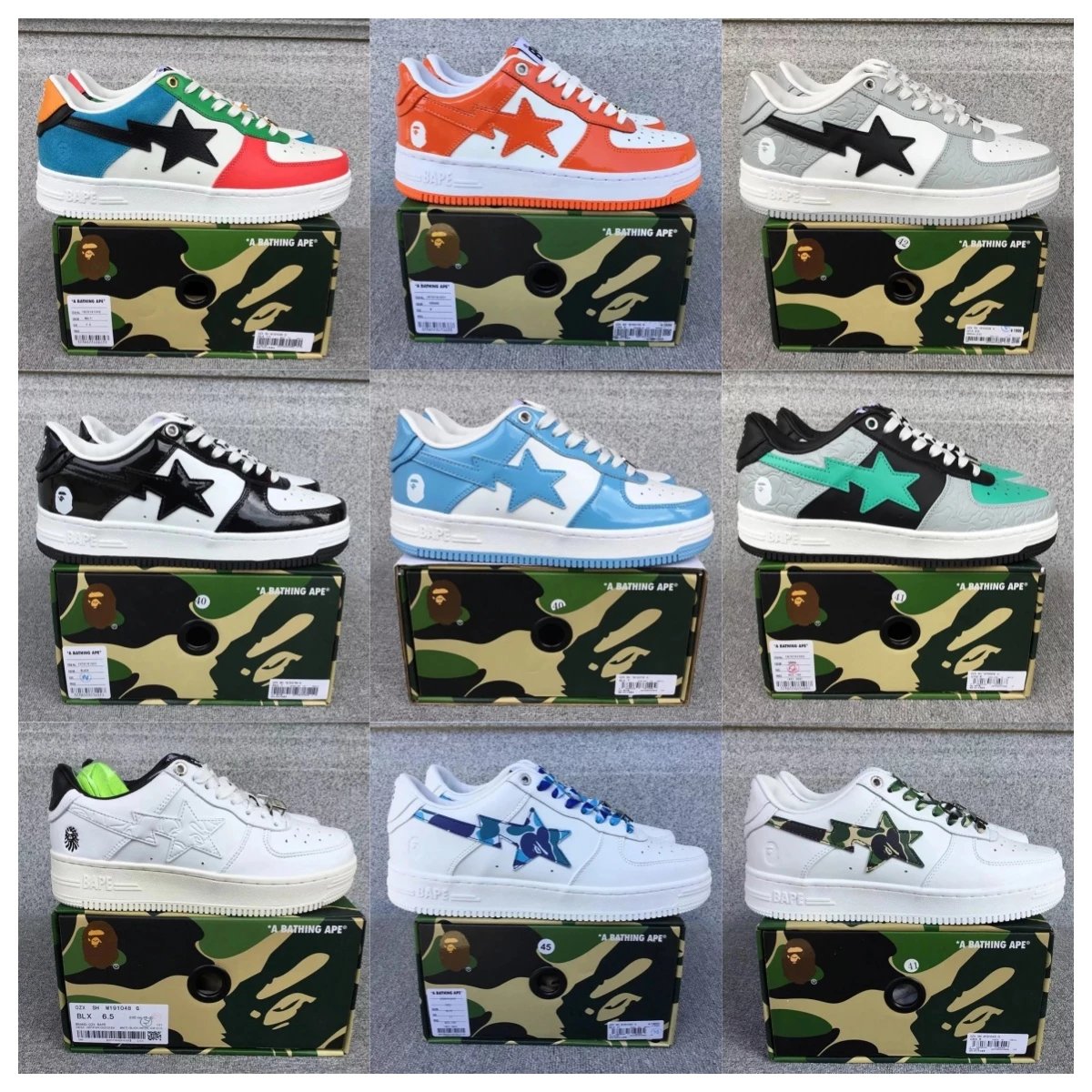
Skate Shoes SQ-002 - LoongBuy spreadsheet - 141122

Outdoor Casual Sneakers - Hipobuy spreadsheet - 141223

B22 B30 Unisex Classic Sneakers - UIDBuy spreadsheet - 135717

04 Classic Sneakers - LoongBuy spreadsheet - 135678
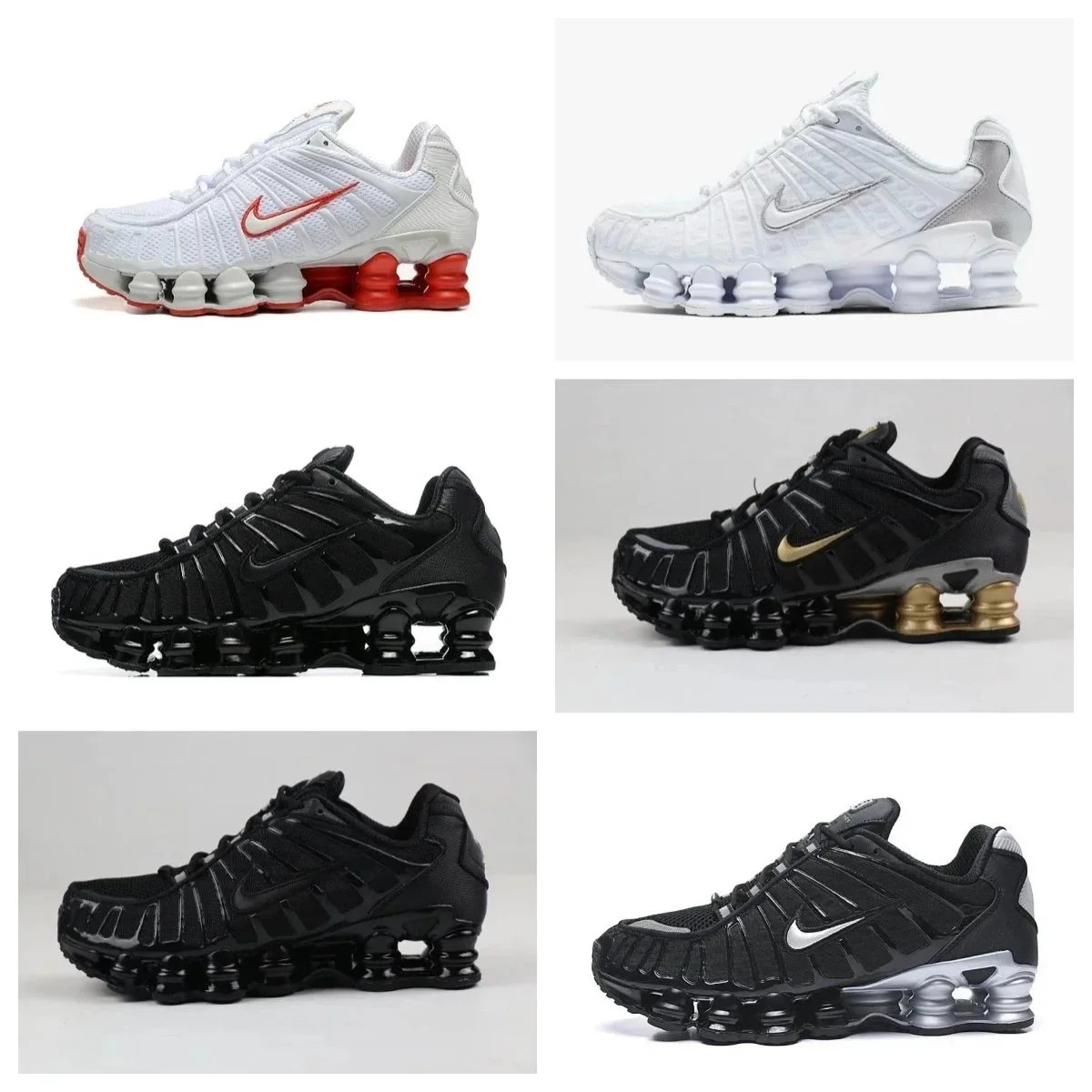
Casual Shoes - Oopbuy spreadsheet - 135681

Platform Casual Shoes - Hubbuycn spreadsheet - 135441

XW21 Casual Shoes - Litbuy spreadsheet - 136147