Cafans Journal
Stories & FindsSugargoo Spreadsheet Guide: The Complete CAFANS Shopping Walkthrough
The Sugargoo spreadsheet has become one of the most talked-about tools in the international shopping community, and for good reason. Whether you are a first-time agent user or a seasoned buyer, understanding how a Sugargoo spreadsheet works can save you time, money, and a lot of guesswork. This CAFANS guide walks you through everything: what the spreadsheet is, how to use it alongside the Sugargoo shopping guide, how to handle Sugargoo product links, and how to avoid common mistakes. By the end, you will know exactly how to turn a Sugargoo spreadsheet guide into a practical routine.
What Is a Sugargoo Spreadsheet?
A Sugargoo spreadsheet is a curated list of product links, usually organized in a shared spreadsheet, that you can browse and paste into the Sugargoo agent platform. Instead of searching Taobao, Weidian, or 1688 yourself, you open the spreadsheet, find an item, copy the link, and submit it for purchase. The spreadsheet typically includes columns for product images, item names, categories, sizes, prices, seller ratings, and sometimes QC (quality check) notes.
For beginners, the appeal is obvious: the Sugargoo spreadsheet guide format removes the language barrier and the fear of buying from unfamiliar sellers. For experienced users, it is a shortcut for restocking favorite items and discovering new finds. The CAFANS approach is simple — treat the spreadsheet as a catalog, then verify every detail before you order.
Sugargoo Spreadsheet vs. General Sugargoo Guide
A general Sugargoo guide explains how the agent service works: you register an account, top up a balance, submit product links, pay for domestic shipping, request quality inspection photos, consolidate parcels, and choose an international shipping line. The Sugargoo spreadsheet guide is a narrower topic — it focuses on sourcing and organizing product links.
Think of it this way: the Sugargoo shopping guide is the map, and the Sugargoo spreadsheet is the list of destinations. You still need the map to complete the journey. A good workflow combines both. Use the spreadsheet to find items, then follow the standard Sugargoo guide to submit orders, review QC photos, and ship your haul.
How to Use Sugargoo Product Links Correctly
Sugargoo product links are the backbone of the spreadsheet. Each row should contain a clean, working URL. When you copy a link, make sure it points to the exact variant — color, size, and model — that you want. Marketplace links often default to the first option, so double-check before submitting.
Here is a reliable process:
- Copy the link from the spreadsheet and open it in a browser to confirm it loads.
- Check the variant (color, size, version) and note the price in the local currency.
- Paste the link into the Sugargoo order form and add remarks if needed, such as size or color preferences.
- Wait for the agent to confirm the order and provide QC photos before shipping.
If a Sugargoo product link is dead, the seller may have removed the listing. Do not panic — search the spreadsheet for a backup link or ask the community for an updated version. Spreadsheets are living documents, so links change frequently.
Building Your Own Sugargoo Spreadsheet
Many users start with a shared spreadsheet and gradually build a personal one. This is where the Sugargoo spreadsheet guide becomes truly useful. A personal sheet keeps your wishlist organized and makes repeat orders faster.
Suggested columns for your own sheet:
- Product name and category
- Marketplace (Taobao, Weidian, 1688)
- Product link
- Price and currency
- Available sizes and colors
- Seller rating and return policy
- QC status and notes
- Date added and date ordered
Keep your sheet sortable and use consistent naming. If you share it with friends, add a column for who ordered what. A clean spreadsheet reduces duplicate orders and missed items during consolidation.
Common Mistakes to Avoid
The biggest mistake is treating the spreadsheet as a guarantee. A listing in a Sugargoo spreadsheet does not mean the item is in stock, authentic, or accurately photographed. Always verify with the seller through the agent and request QC photos.
Second, do not ignore shipping weight. A cheap item can become expensive after international shipping, especially for bulky goods. Third, avoid mixing too many sellers in one parcel if you need items quickly; consolidation takes time. Fourth, read the Sugargoo shopping guide section on restricted items, because some products cannot be shipped to certain countries.
Finally, be careful with sizing charts. Asian sizes often run smaller than Western sizes, so compare measurements rather than relying on labels. The spreadsheet may list a size, but the seller's chart is the final reference.
Practical CAFANS Workflow
Here is a simple routine that works for most buyers:
- Browse the Sugargoo spreadsheet and shortlist five to ten items.
- Open each Sugargoo product link and confirm the variant and price.
- Submit orders and wait for agent confirmation.
- Review QC photos carefully; request exchanges if something is wrong.
- Consolidate parcels and compare shipping lines for cost and speed.
- Track the parcel and keep the spreadsheet updated with order dates.
This cycle turns a chaotic shopping spree into a controlled process. The Sugargoo spreadsheet guide is not about buying more — it is about buying smarter.
Final Thoughts
The Sugargoo spreadsheet is a powerful starting point, but it works best when paired with a solid understanding of the Sugargoo shopping guide and careful handling of Sugargoo product links. Use the spreadsheet to discover and organize, use the agent platform to verify and ship, and keep your own records tidy. With the CAFANS method — catalog, verify, order, inspect, consolidate — you can shop confidently and avoid the most common pitfalls. Whether you are building a first haul or refining a long-term workflow, a well-maintained Sugargoo spreadsheet remains one of the most practical tools in your shopping toolkit.
Editor's selection
Popular Products
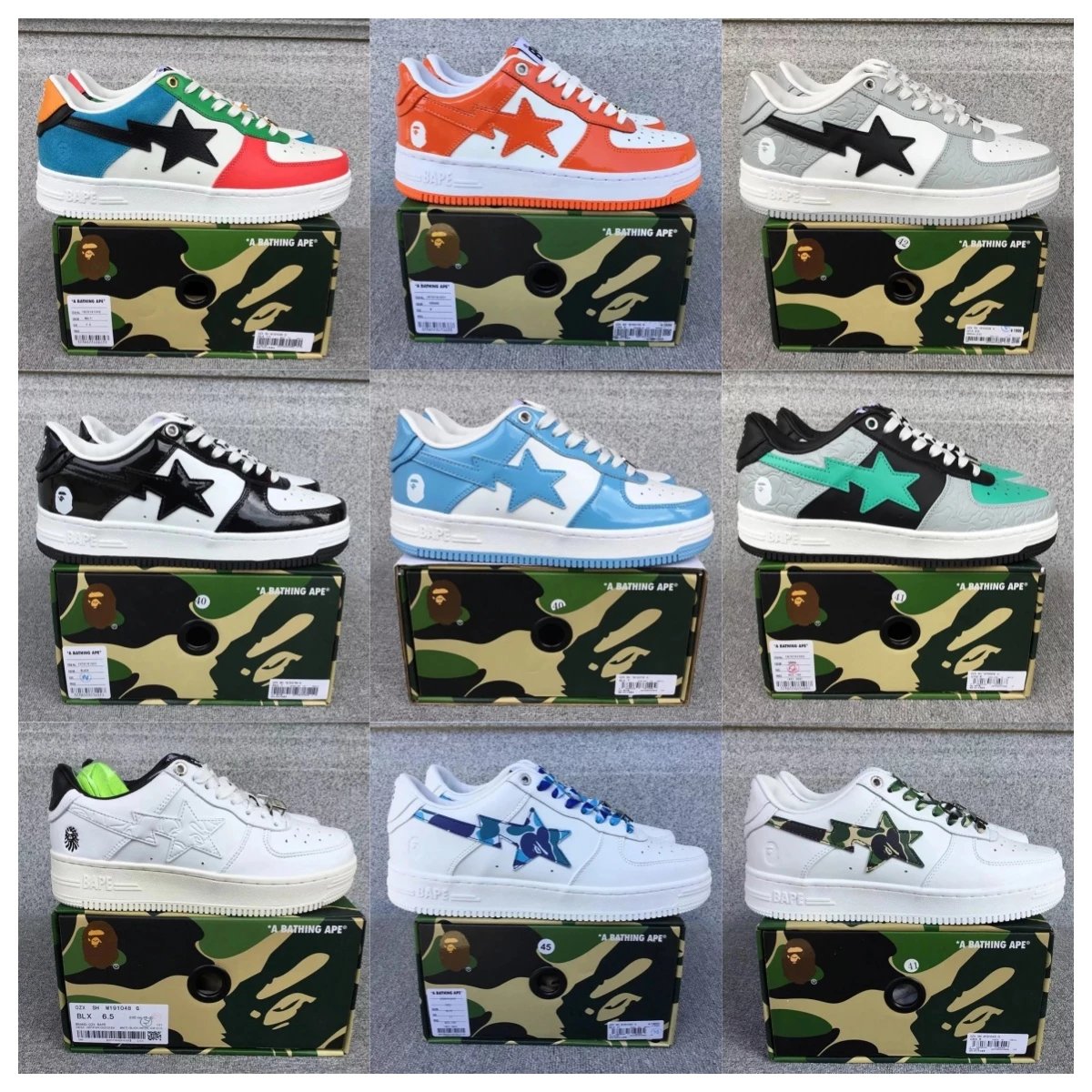
Skate Shoes SQ-002 - LoongBuy spreadsheet - 141122
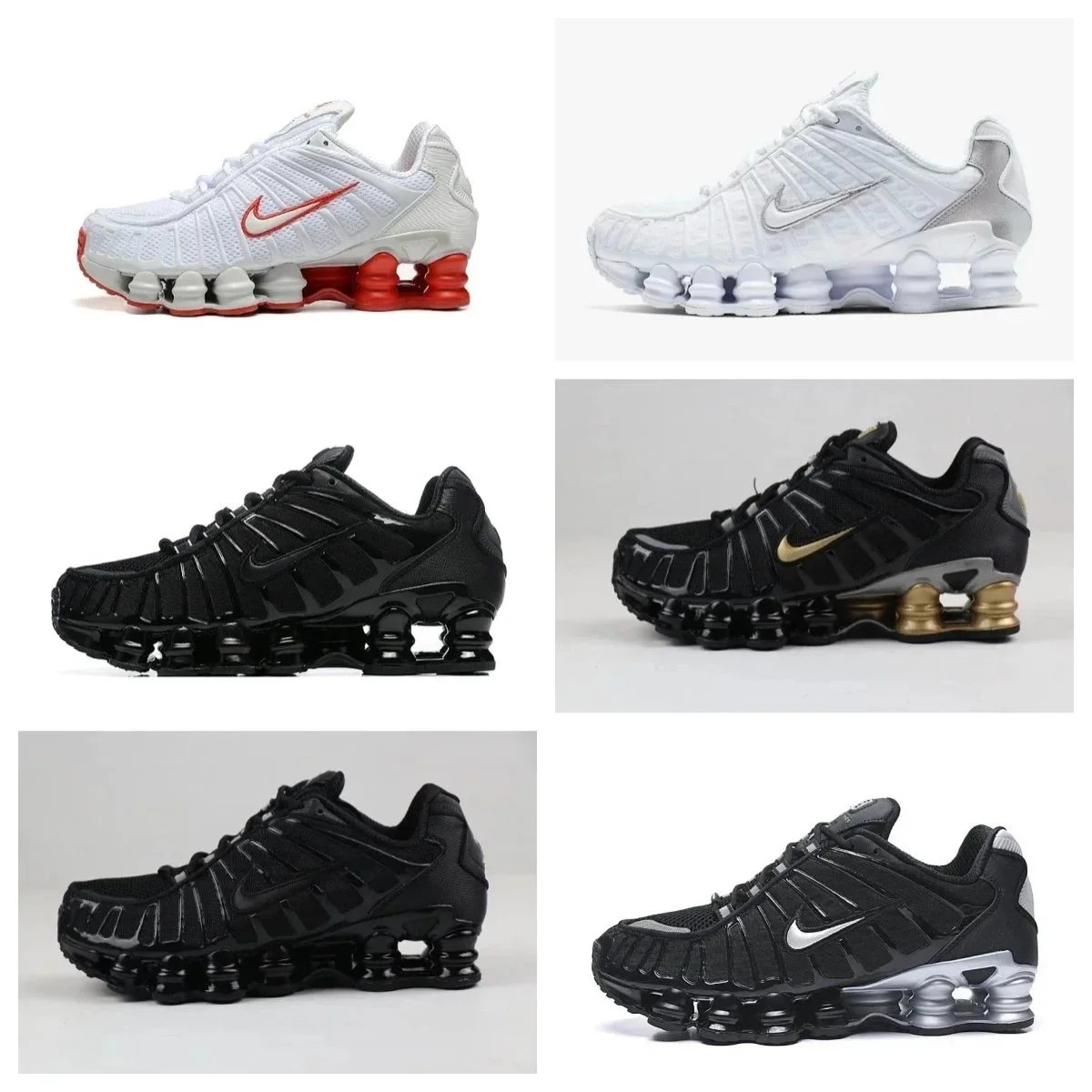
Casual Shoes - Oopbuy spreadsheet - 135681

Platform Casual Shoes - Hubbuycn spreadsheet - 135441

XW21 Casual Shoes - Litbuy spreadsheet - 136147

Ph076 Breathable Running Shoes - CSSBuy spreadsheet - 136150
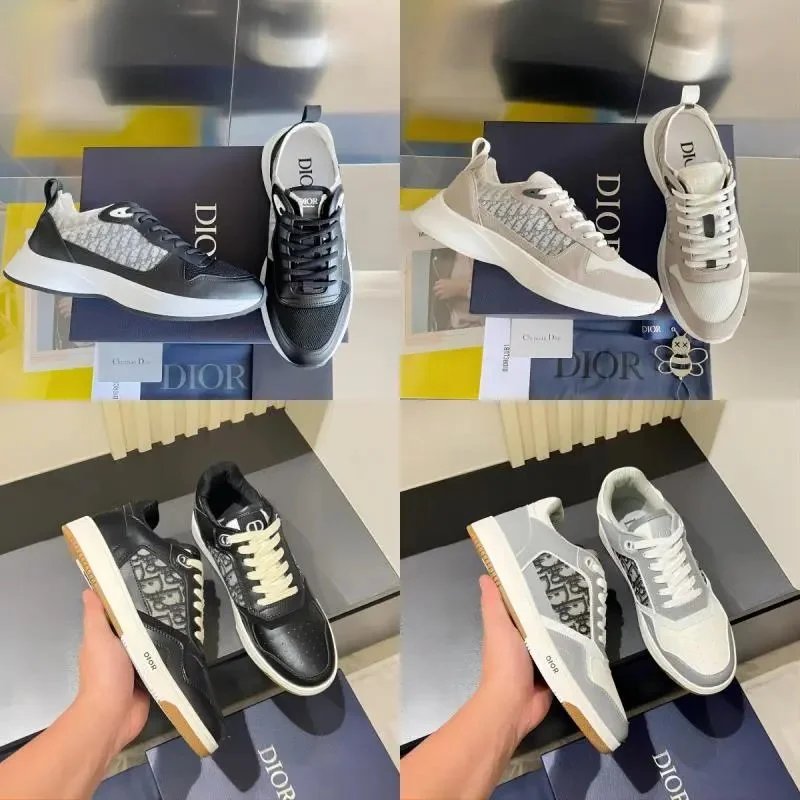
PH Running Shoes - MyCNBox spreadsheet - 136149
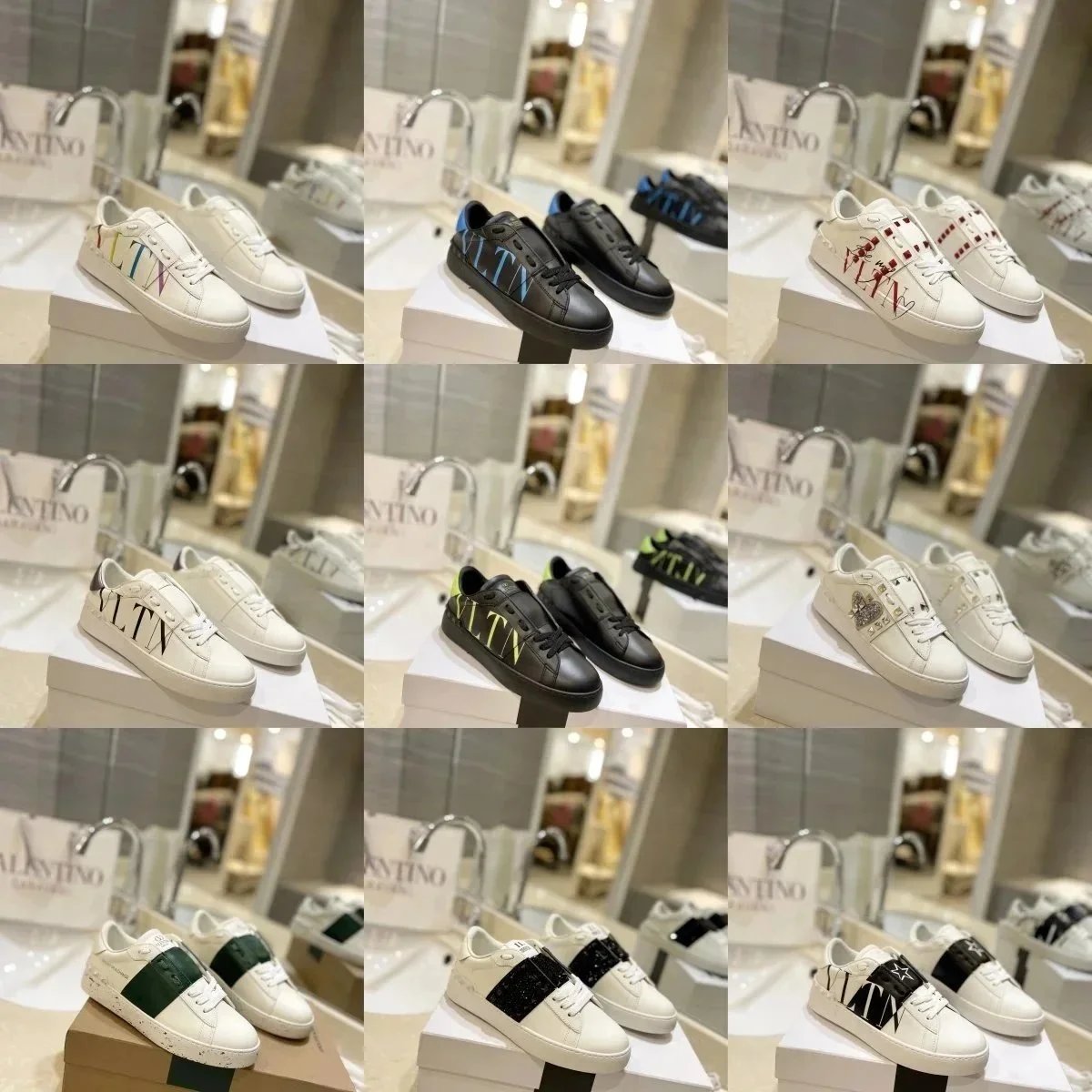
006-RS Classic Casual Shoes - Oopbuy spreadsheet - 136148