Cafans Journal
Stories & FindsThe English CAFANS Guide: How Rizzitgo Turns Online Shopping Into a Clear, Repeatable System
If you have ever opened dozens of browser tabs while comparing products, you already know the problem this guide solves. Rizzitgo is a shopping research approach built around one simple idea: before you buy, organize what you are considering. This English CAFANS guide explains how the method works, how to set up your own Rizzitgo spreadsheet, and how to use a Rizzitgo guide mindset to make better decisions. Everything here is practical, and nothing requires special software.
What CAFANS Means in Practice
CAFANS is a checklist for online shopping: Compare, Assess, Filter, Analyze, Narrow, Select. It is not a brand and it is not a store — it is a sequence you follow with whatever products you are considering. The Rizzitgo method applies CAFANS to the messy reality of product pages, reviews, promo codes, and seller listings. Instead of scrolling until you feel confused, you move through six deliberate steps. The result is a Rizzitgo shopping guide you can reuse for any category, from kitchen tools to running shoes.
Step 1: Compare Without Losing Track
Start by listing every candidate product in one place. A comparison table beats a pile of bookmarks because you can see gaps instantly. Record the product name, seller, price, shipping estimate, return window, and warranty. If you collect Rizzitgo product links, paste them into the same row so you can revisit the exact listing later. This single habit eliminates the most common shopping error: comparing a product you found on Monday with a different variant you found on Friday.
Step 2: Assess What Actually Matters
Decide your criteria before you look at prices. Common criteria include size or dimensions, material, power requirements, compatibility, weight, and care instructions. The Rizzitgo guide principle here is simple: score each criterion from 1 to 5 rather than writing long notes. Numbers force honesty, and they make the next steps much faster. Keep a separate column for red flags such as missing specifications or vague return policies.
Step 3: Filter Out Weak Options
Filtering is where most shoppers save the most time. Remove any listing that fails a must-have criterion, even if the price is attractive. A cheap product that does not fit your requirements is not a bargain. In your Rizzitgo spreadsheet, hide or gray out rejected rows instead of deleting them — you may need the information later if your priorities change. This also prevents the loop of re-checking the same listing.
Step 4: Analyze Cost Beyond the Price Tag
Total cost includes shipping, taxes, accessories, subscriptions, and replacement parts. Add a column for estimated first-year cost, and another for resale or disposal. If you are comparing electronics, check the cable or adapter situation; if you are comparing furniture, check assembly tools and delivery access. The Rizzitgo approach treats these costs as part of the product, not as surprises after checkout.
Step 5: Narrow to Two or Three
At this stage you should have a short list. Read the negative reviews first — they reveal recurring problems faster than positive reviews reveal benefits. Look for patterns: the same complaint appearing five times is a signal. If a seller responds to complaints professionally, note that too. A good Rizzitgo shopping guide always includes a review-quality check, because review volume is not the same as review reliability.
Step 6: Select and Record the Decision
Choose the option that scores highest on your criteria, then write one sentence explaining why. That sentence is your future reference. If the product disappoints, you will know whether your criteria were wrong or the listing was misleading. Save the order confirmation, the return deadline, and any promotional terms in the same row. This is the final habit that makes Rizzitgo genuinely useful: a decision record, not just a wish list.
Building Your Rizzitgo Spreadsheet
A workable setup takes about ten minutes. Use these columns: Product, Category, Seller, Link, Price, Shipping, Return Window, Warranty, Criterion 1–5 scores, Red Flags, Estimated First-Year Cost, Decision, and Notes. Add a second sheet for promo codes and expiry dates. Keep categories separate so you can reuse the template. Many people find that a single Rizzitgo spreadsheet covering all purchases becomes a personal price history, which is useful for seasonal sales.
Common Mistakes to Avoid
- Scoring products before defining criteria.
- Ignoring shipping and return costs.
- Trusting star averages without reading recent reviews.
- Keeping links without noting the exact variant or size.
- Deleting rejected options too early.
Each mistake is easy to fix with one column or one rule. The discipline matters more than the tool.
A Repeatable Habit
Once you have used CAFANS two or three times, the sequence becomes automatic. You will compare faster, assess more honestly, filter more aggressively, analyze total cost, narrow confidently, and select with a written reason. That is the entire promise of this English CAFANS guide. Rizzitgo is not about buying more — it is about buying deliberately, with a Rizzitgo spreadsheet, a clear Rizzitgo guide, saved Rizzitgo product links, and a Rizzitgo shopping guide you can trust because you built it yourself.
Editor's selection
Popular Products
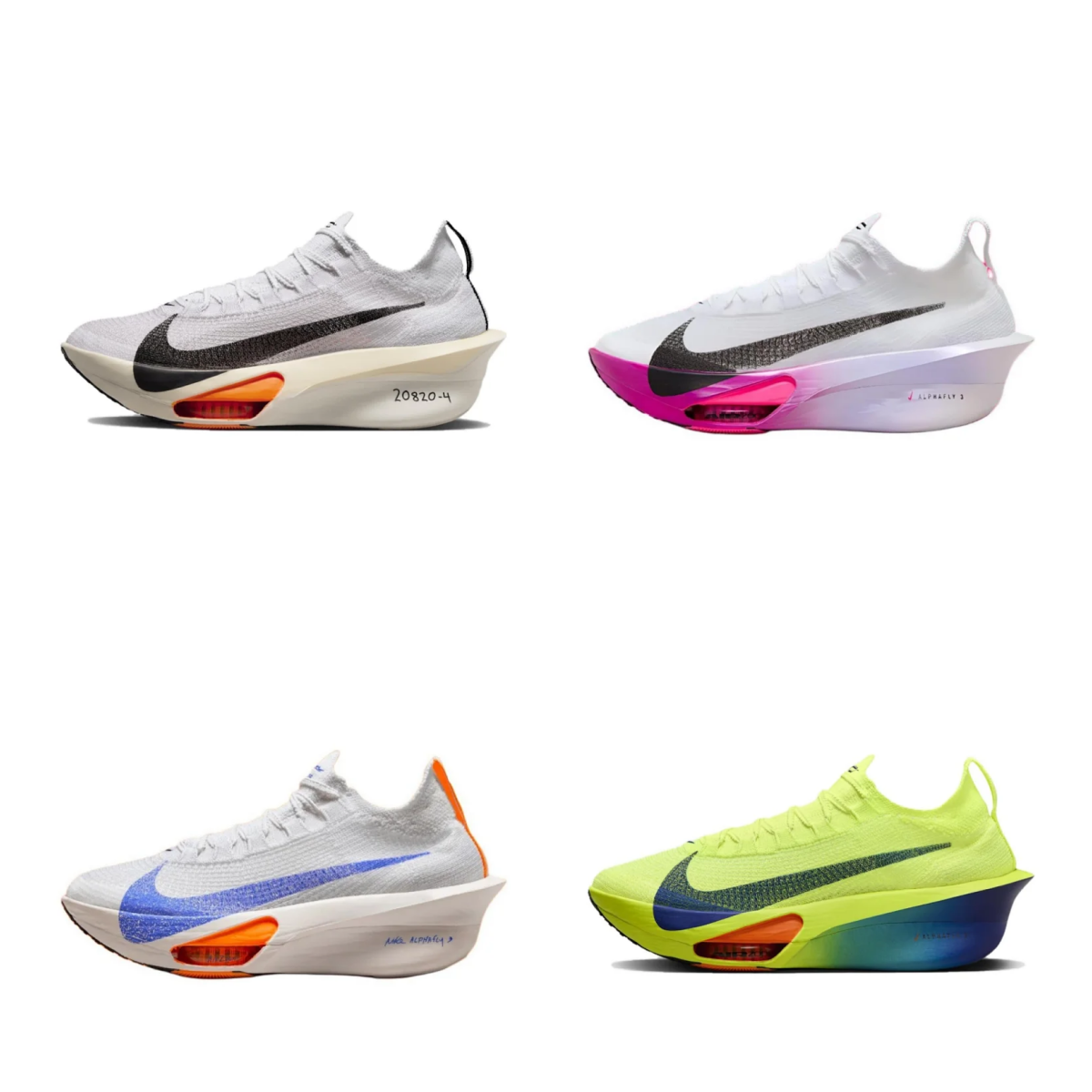
Ph076 Breathable Running Shoes - CSSBuy spreadsheet - 136150

PH Running Shoes - MyCNBox spreadsheet - 136149

H25 Retro Low-Top Running Shoes - UIDBuy spreadsheet - 135631

On Cloudswift Lightweight Breathable Non-Slip Cushioned Running Shoes - LoongBuy spreadsheet - 136042

Unisex Running Shoes - Wheebuy spreadsheet - 135538

GZH 4115 Children's Low-Top Running Shoes - CNShopper spreadsheet - 135738

TU66 Unisex Breathable Wear-Resistant Running Shoes - Fishgoo spreadsheet - 135369
